When people search for Ayurveda in Rishikesh they want very different things. Some want a quiet oil massage between temples. Some want to understand India’s traditional approach to food and daily life. A few are considering a supervised treatment programme. Those are not the same trip, and the first useful thing to know is which one you are actually looking for.
Find your kind of Ayurveda first
The honest starting point is the difference between a relaxing wellness experience and a clinical Ayurvedic treatment. A massage and a conversation about routines are gentle introductions. A therapy like Shirodhara deserves a clear explanation before you agree to it. Anything in the Panchakarma family is a supervised clinical programme and belongs with a qualified practitioner, not a package chosen for its name. Let your choice follow your health, your comfort, the time you have, and how much professional supervision is involved.
What does Ayurveda actually mean here?
Ayurveda is a traditional Indian system of medicine that looks at health through diet, daily habits, individual constitution and therapeutic practices, with its own ideas like doshas and agni. Those are concepts inside the Ayurvedic framework, not a substitute for a modern medical assessment. The word gets used broadly: one place means a relaxing massage, another means a consultation and a supervised course of treatment. Always ask exactly what is on offer rather than assuming every “Ayurvedic” experience is the same.
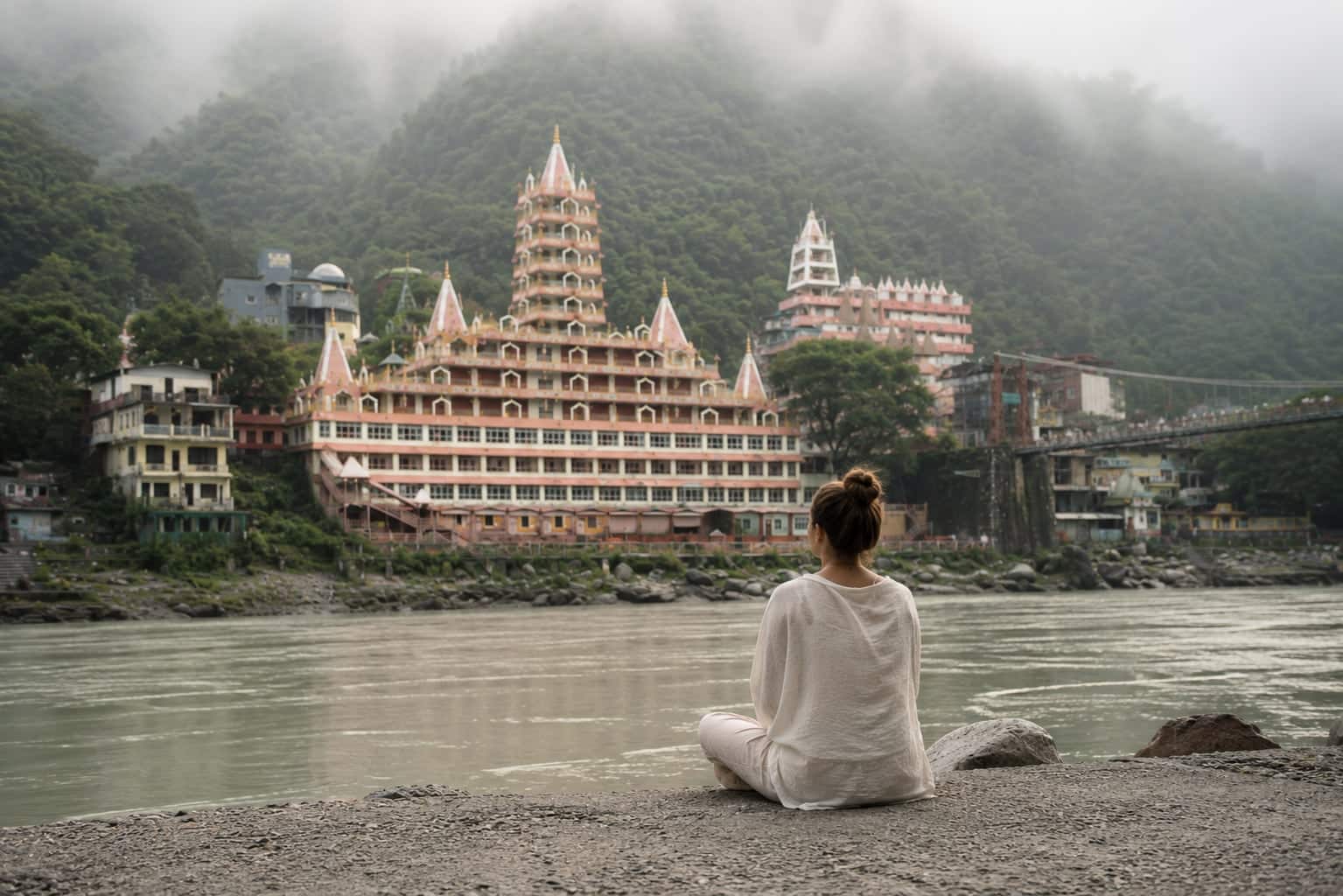
Rishikesh’s long association with yoga and spiritual practice, and Uttarakhand’s reputation as a wellness region, mean you often meet these traditions together. But yoga, meditation, massage and Ayurvedic medicine have different purposes, and combining them does not make any single treatment medically appropriate on its own.
The experiences, explained before you book
An Ayurvedic consultation is a conversation about your routine, diet, sleep, digestion and health background, read through the practitioner’s training. It is a sensible first step if you want to understand the approach before trying a treatment, and it is your chance to disclose any medicines you take. It does not replace a medical diagnosis: a persistent symptom or an existing condition still needs appropriate medical advice.
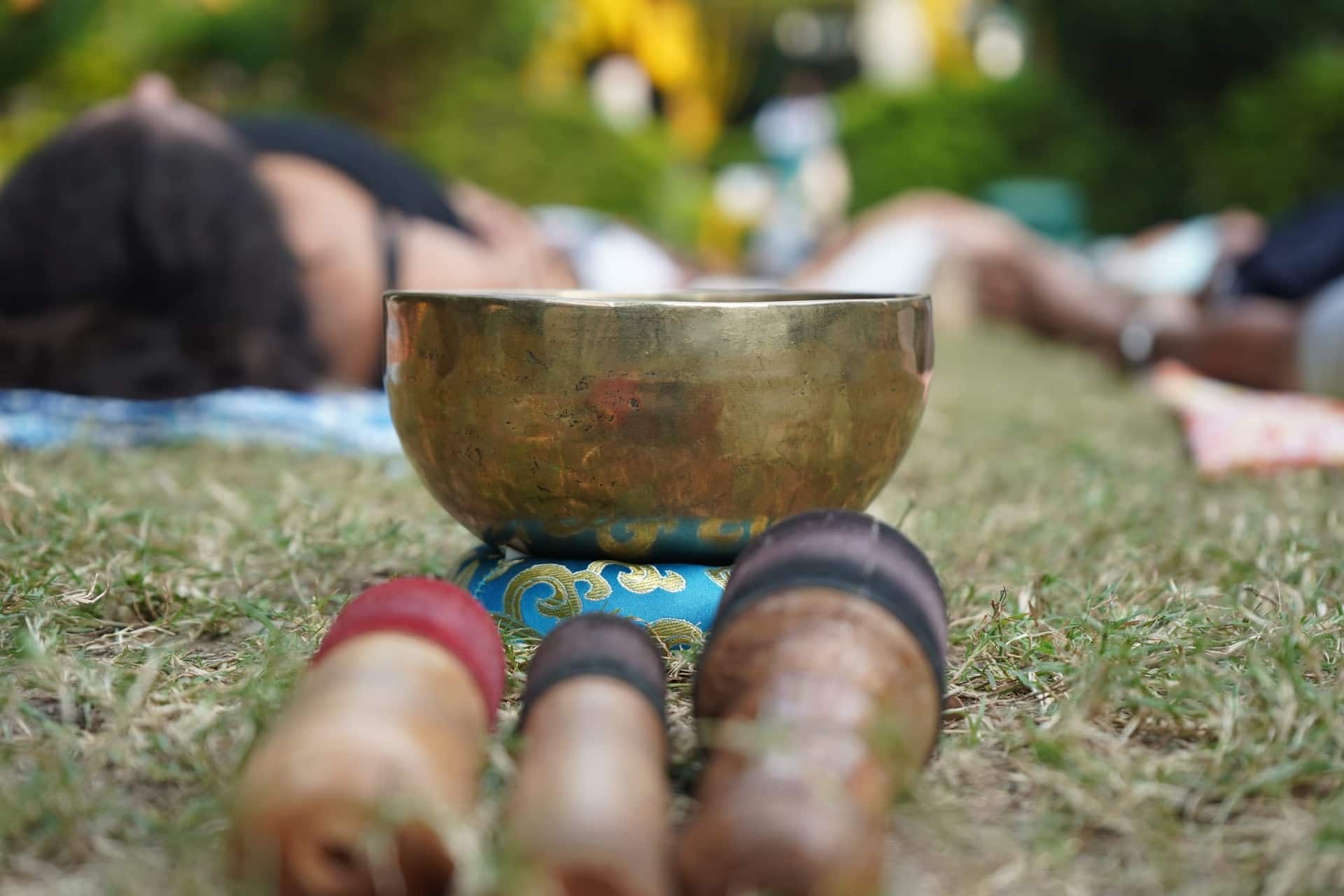
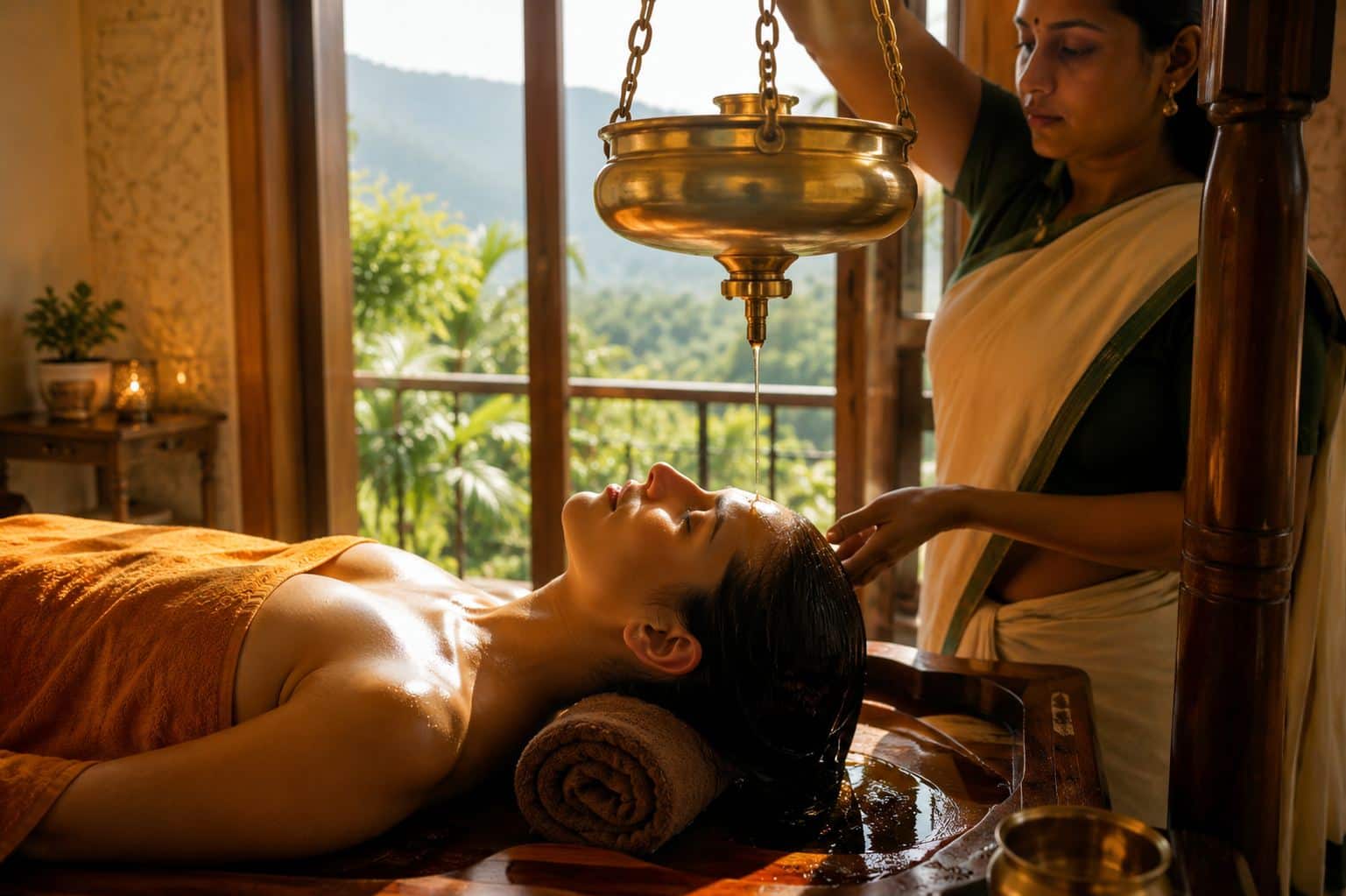
Abhyanga is the traditional warm-oil massage, often the quiet pause people remember most from a slower day. Tell them about allergies, injuries and skin sensitivities first, and ask which oils are used. Shirodhara pours a steady stream of oil over the forehead and is meant to be still and calm, which makes it very different from an active pranayama or breathwork session. Ask what is used and how long it lasts, and do not rely on claims that it cures a medical problem.
Swedana is a group of traditional heat or sweating procedures. Heat is not right for everyone, so ask how the session is run and how you stop if you feel unwell. Panchakarma is the one most people have heard of and understand least. CCRAS describes it as a five-fold set of clinical procedures (Vamana, Virechana, two forms of Basti, and Nasya) with preparation and follow-up. A single massage or Shirodhara is not Panchakarma. If you are considering it, allow real time for a proper consultation, ask who supervises it and what the aftercare is, and be cautious of any programme promising to remove toxins, cure a disease or guarantee weight loss.
A relaxing massage, a talk about traditional food, and a supervised clinical programme are three different things. Choose by what you want to learn, and by what is right for your health.
Food and daily routines, the gentlest way in
Ayurveda puts real weight on food, eating habits and the rhythm of a day, considered in relation to the person, the season and the way a meal is prepared. There is no single “Ayurvedic diet” everyone should follow. For most visitors, food is the easiest and most enjoyable door in: the role of spices, freshly cooked meals, and the reasoning behind a practitioner’s suggestions, approached as cultural learning rather than a strict plan. Rishikesh is vegetarian by tradition, so the cafes and kitchens across Tapovan and Laxman Jhula are a natural place to start. If you receive dietary advice for a medical condition, check it with an appropriate health professional.
Ayurveda alongside yoga and meditation
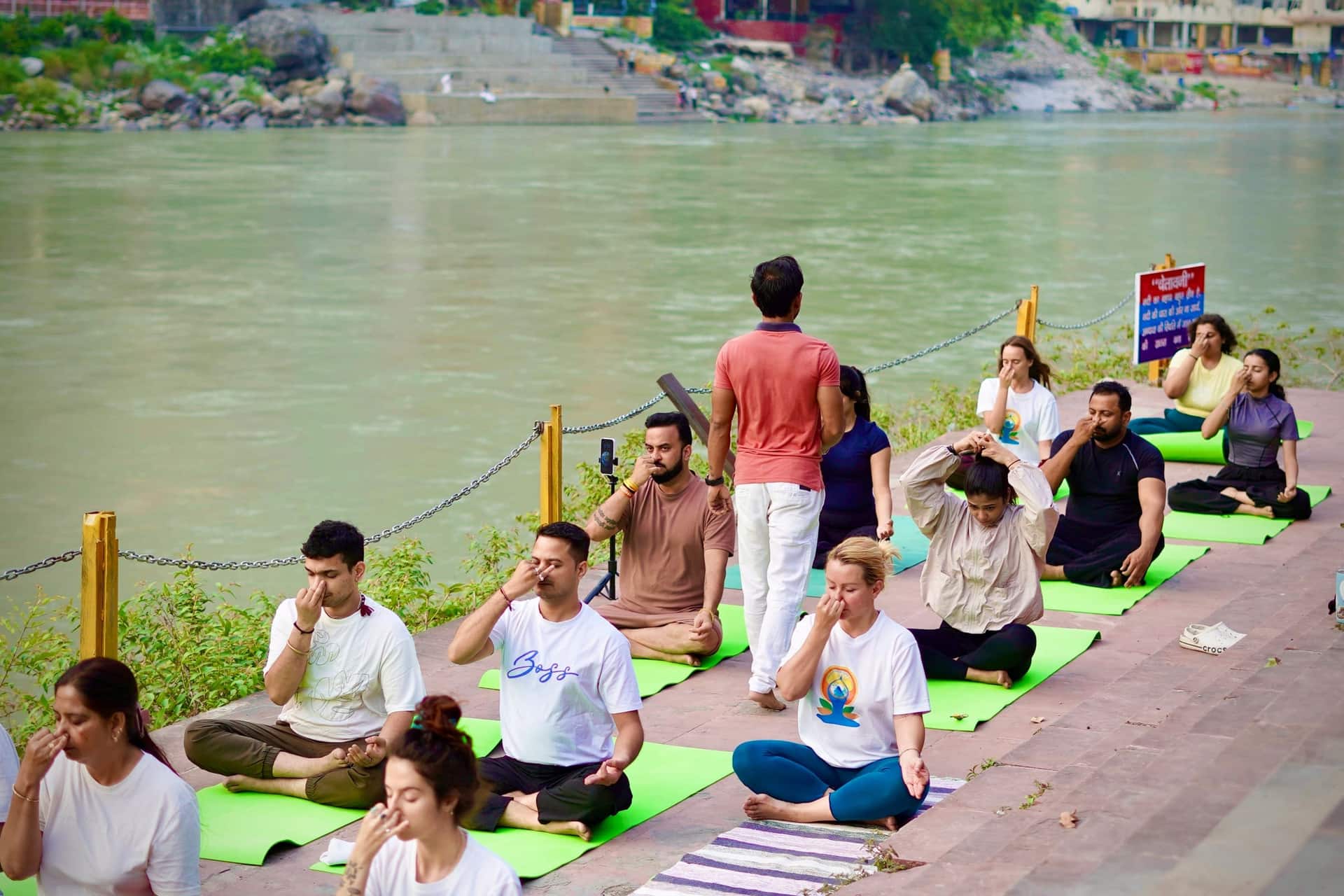
Yoga and Ayurveda are separate traditions that sit comfortably side by side. A wellness-focused day here can hold some gentle yoga, a little meditation, time to rest, and an introduction to Ayurvedic ideas, as long as you confirm what is actually included. You do not need to fill every hour. A slower pace, a walk, an unhurried meal and rest between sessions is often the whole point. If you are mid-treatment, ask the practitioner whether your usual practice or planned excursions should be adjusted.
Ayurveda in Rishikesh at a glance
- Consultation: a discussion of routine, diet and health. Check the practitioner’s qualifications and whether a medical concern needs a referral.
- Abhyanga: traditional oil massage. Check the oils, the pressure, and any allergies.
- Shirodhara: a controlled stream of oil over the forehead. Check the procedure, the materials and whether it suits you.
- Swedana: traditional heat therapy. Check your heat tolerance and the safety precautions.
- Panchakarma: a structured clinical programme. Check assessment, supervision, risks and aftercare before you commit.
How to choose, by the time you have
If you have only a few hours, a consultation, a gentle massage or a session on daily routines is more realistic than a full programme. Over a few days you have room to learn about food, routines and gentle practice, and to ask whether several treatments can sensibly be combined rather than booked just because they are available. If you want treatment for a genuine health concern, start with a qualified health professional, not a holiday package. And if you are completely new to it, an introductory conversation is a perfectly good place to begin.
Safety, and choosing responsibly
The WHO has published benchmarks for the practice of Ayurveda, which describe reference standards for quality and safety of practice. They are guidance for practitioners, not proof that every therapy works for every condition. A few plain habits protect you more than any brochure:
- Ask about the practitioner’s recognised qualifications for the procedure proposed.
- Explain your conditions, allergies, pregnancy if relevant, and every medicine and supplement you take.
- Ask for the name and ingredients of anything you are asked to take or apply.
- Ask for the likely benefits, the uncertainties, the risks and the alternatives.
- Confirm the aftercare and who to contact if a problem develops.
- Never stop a prescribed medicine or delay medical care because of an Ayurvedic recommendation.
Be especially careful with oral Ayurvedic medicines. This does not mean every product is unsafe, but it does mean the ingredient list, the manufacturing quality and real professional advice all matter. Avoid anything with unclear ingredients or an unsupported promise of a cure.
Frequently asked questions
What does Ayurveda in Rishikesh include?
It ranges widely. At one end is a traditional oil massage or a conversation about daily routines and food; at the other is a structured programme overseen by a qualified Ayurvedic practitioner. A relaxing wellness experience and a clinical Ayurvedic treatment are not the same thing, so decide which one you actually want before you book.
What is Abhyanga massage?
Abhyanga is a traditional Ayurvedic oil massage in which warm oil is applied to the body in a sequence of strokes. The oils, technique, duration and pressure vary by practitioner. Ask what oil is used, mention any allergies, injuries or skin sensitivities, and treat it as relaxation rather than a prescribed clinical treatment unless a practitioner has said otherwise.
What is Shirodhara?
Shirodhara is a traditional therapy in which a steady stream of liquid, usually oil, is poured over the forehead under controlled conditions. It is meant to be calm and still. Ask what liquid is used, how long it lasts, and whether it is recommended for you. Be wary of any claim that it cures insomnia, anxiety or a medical condition.
Are Abhyanga and Shirodhara the same as Panchakarma?
No. Panchakarma is a structured five-fold set of clinical procedures with preparation and aftercare, described by CCRAS (the Ministry of Ayush research body). A single oil massage or Shirodhara session is not Panchakarma. Panchakarma needs a proper consultation, supervision and time, and is not a holiday spa add-on.
Can I try Ayurveda on a short visit to Rishikesh?
Yes. For a few hours, a consultation, a gentle massage or a session that explains Ayurvedic daily routines and food is far more realistic than a full Panchakarma programme. Confirm how long it takes and whether you need to arrive early or rest afterwards.
Are Ayurvedic herbal medicines safe because they are natural?
Not automatically. The US NCCIH notes that evidence for many Ayurvedic health claims is limited and that some preparations have contained toxic levels of lead, mercury or arsenic, and the US FDA has warned about specific products. Ask for the ingredients, never stop prescribed medicine on an Ayurvedic recommendation, and avoid products with unclear contents or cure promises.
Planning it into your trip
Choose by the time you have, what you hope to learn, and any health considerations worth discussing first. A wellness retreat gives the slow, rest-shaped days these traditions suit, and if you would rather shape your own, you can build your trip around a gentle pace. Your Book My Rishikesh co-host can help organise the itinerary before you arrive, and your host handles the practical arrangements once you are here. Medical decisions always stay with an appropriately qualified health professional.