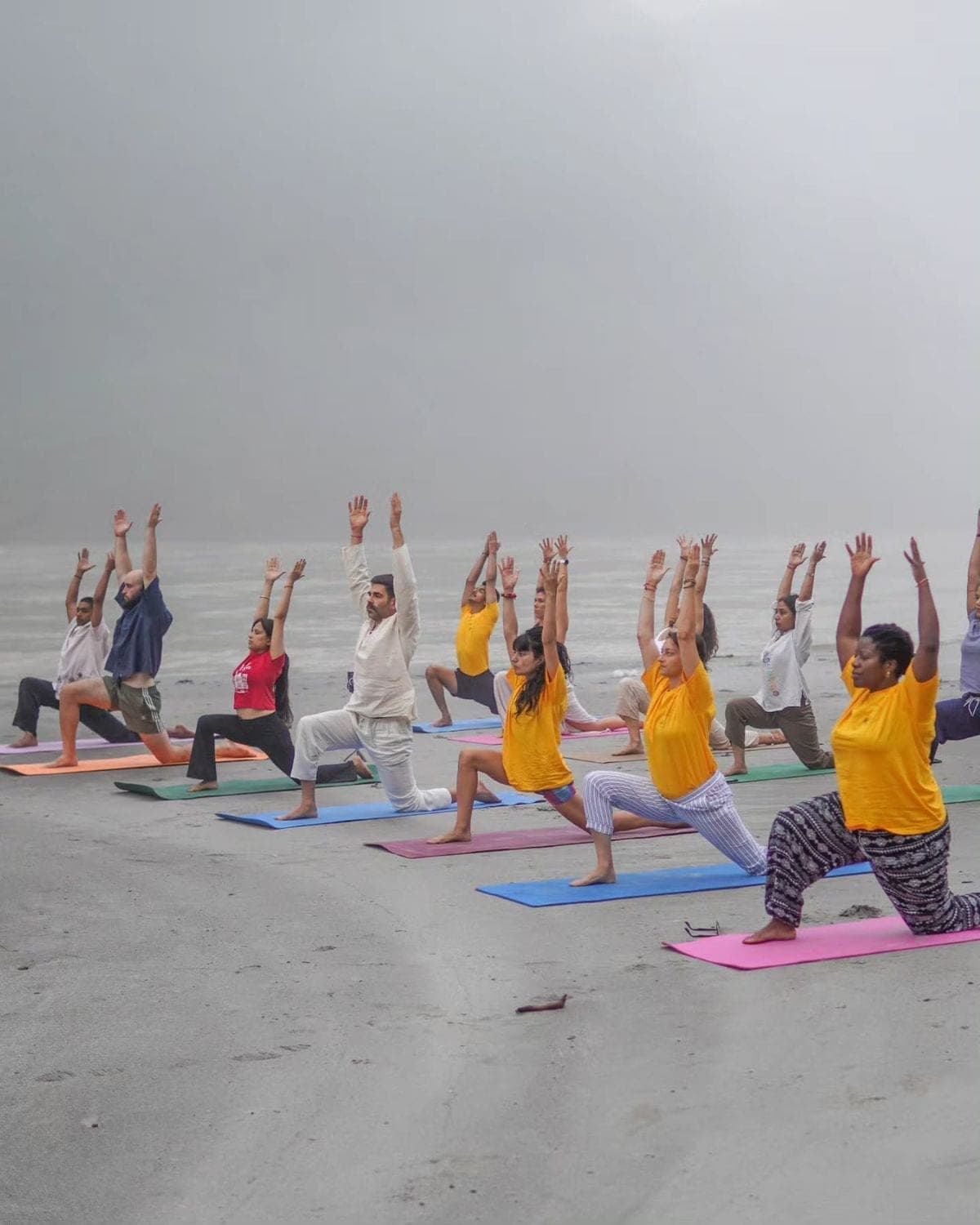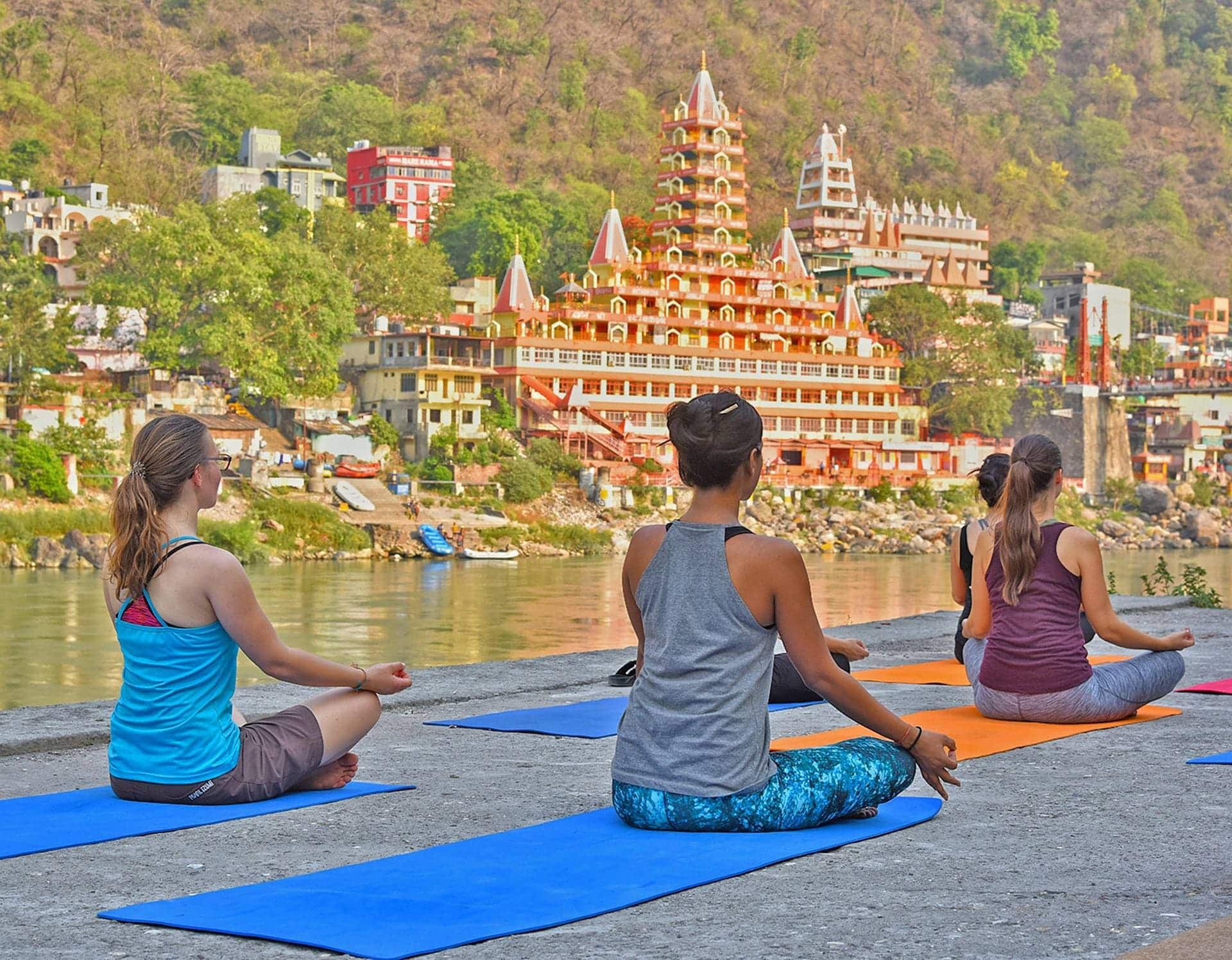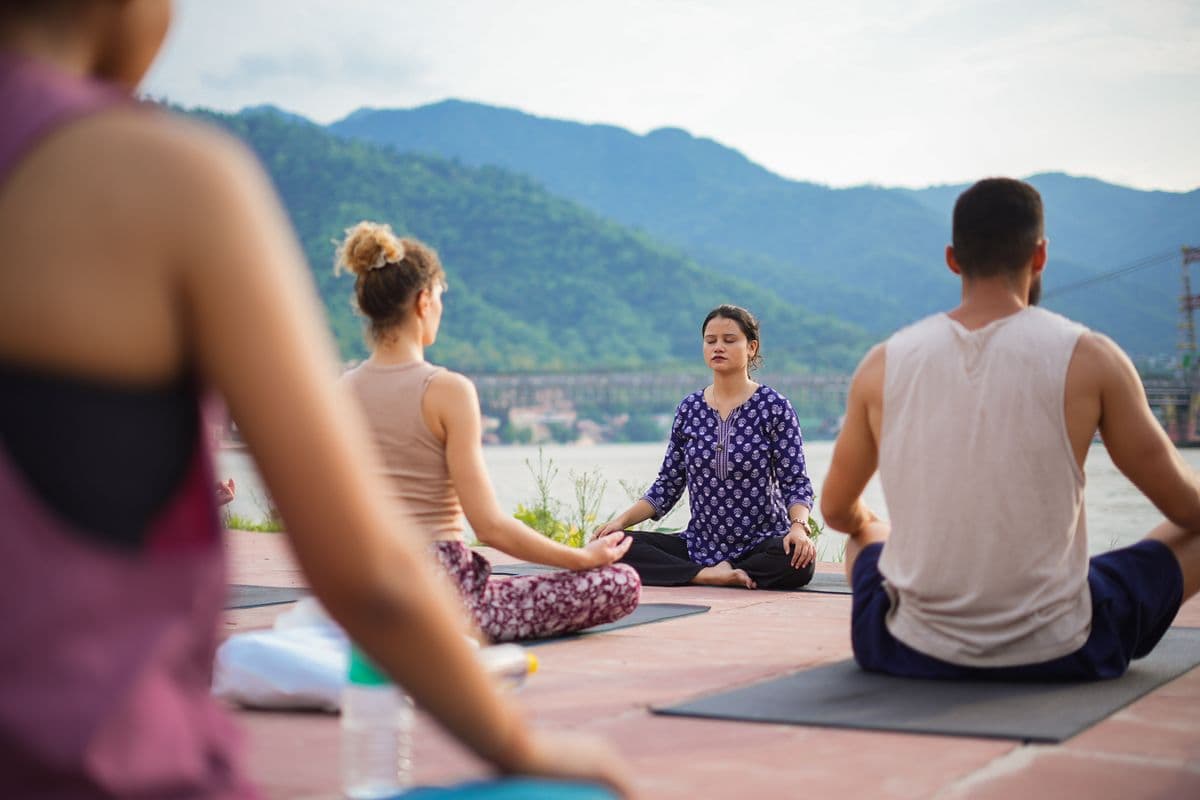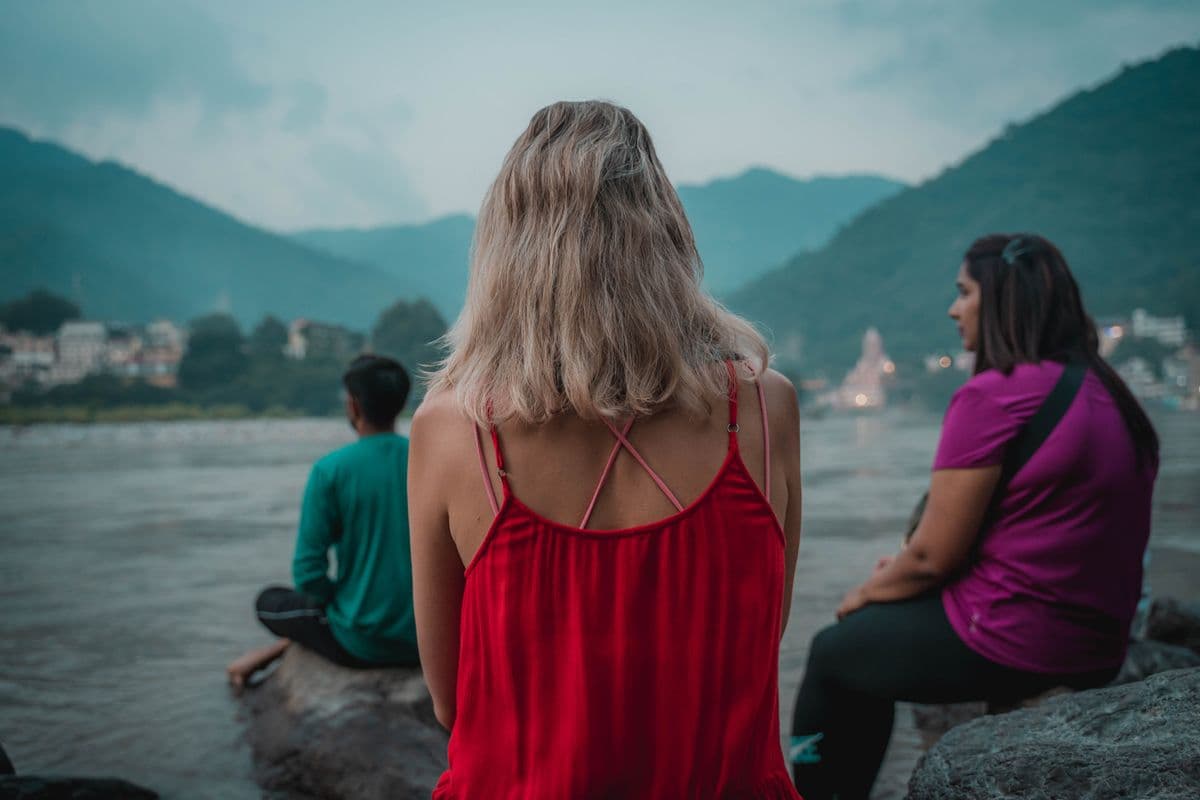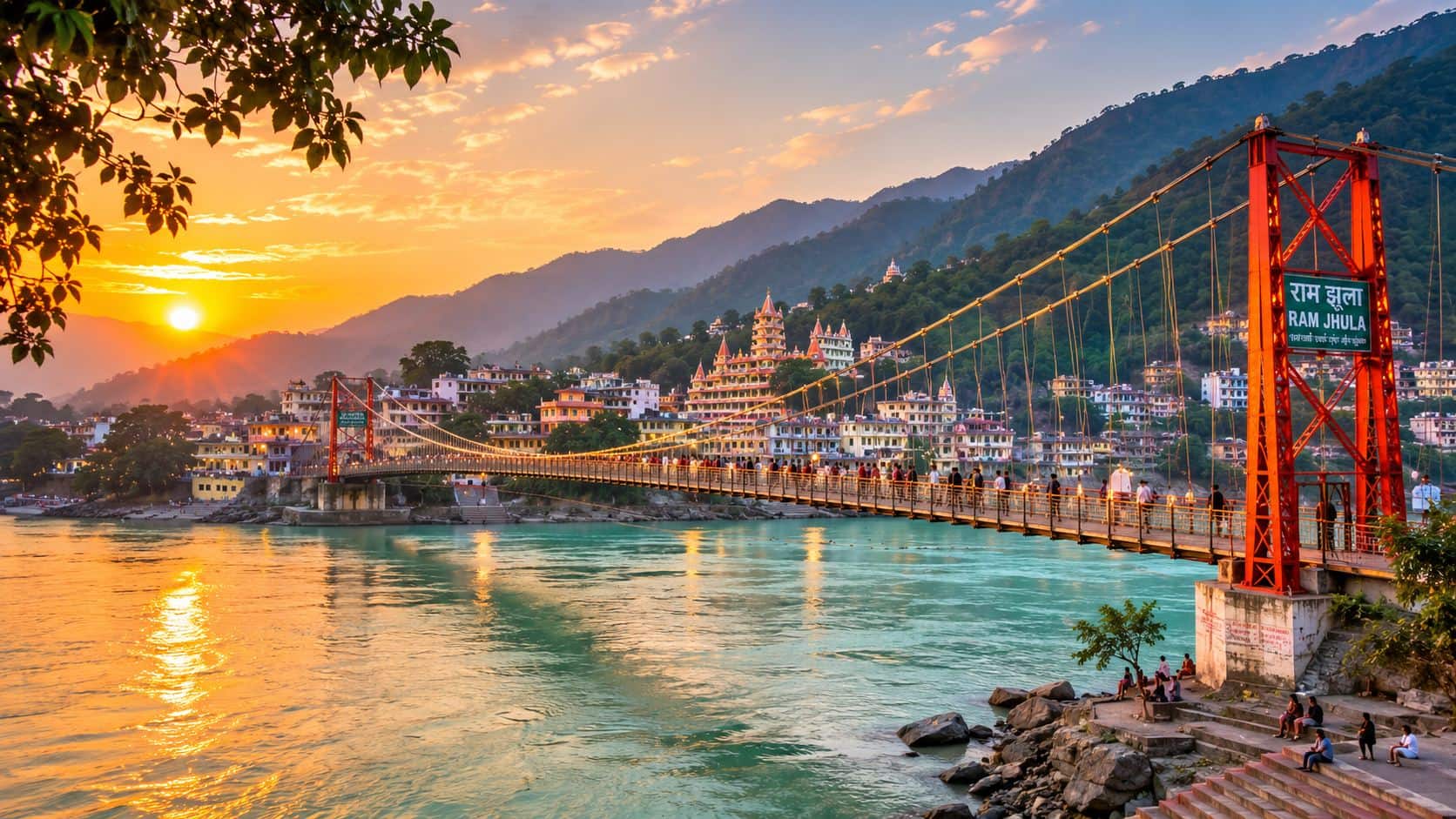
Most people come to Rishikesh for the asana — the mat, the shapes, the class that starts before the light does. Then a teacher gives over a good part of it to nothing but breathing, and that turns out to be the part they still think about months later. Pranayama and breathwork in Rishikesh is not an add-on to the yoga. Here it is usually treated as the point of it.
So what is pranayama
Prana is commonly translated as life force or vital energy. Ayama means extension, or restraint. Put together, the word describes breathing on purpose rather than the automatic version you have been doing since the day you were born.
At beginner level, that is all it is. You slow the breath down. You make one part of it longer than another. You pay attention to it. The Sanskrit names sound mysterious, but each one is really a description of mechanics — which nostril, how long the inhale, whether there is a pause at the top.
Breathwork is the wider, more modern word. It covers classical pranayama and newer methods that arrived from elsewhere. In a Rishikesh class the two get used interchangeably, and nobody minds.
The techniques a beginner actually meets
A first week rarely goes past a handful of these. A good teacher spends a long time on the first one and treats everything after it as optional.
- Three-part breathing: Belly, ribs, chest, in that order. Unglamorous, and the foundation of everything that comes after it.
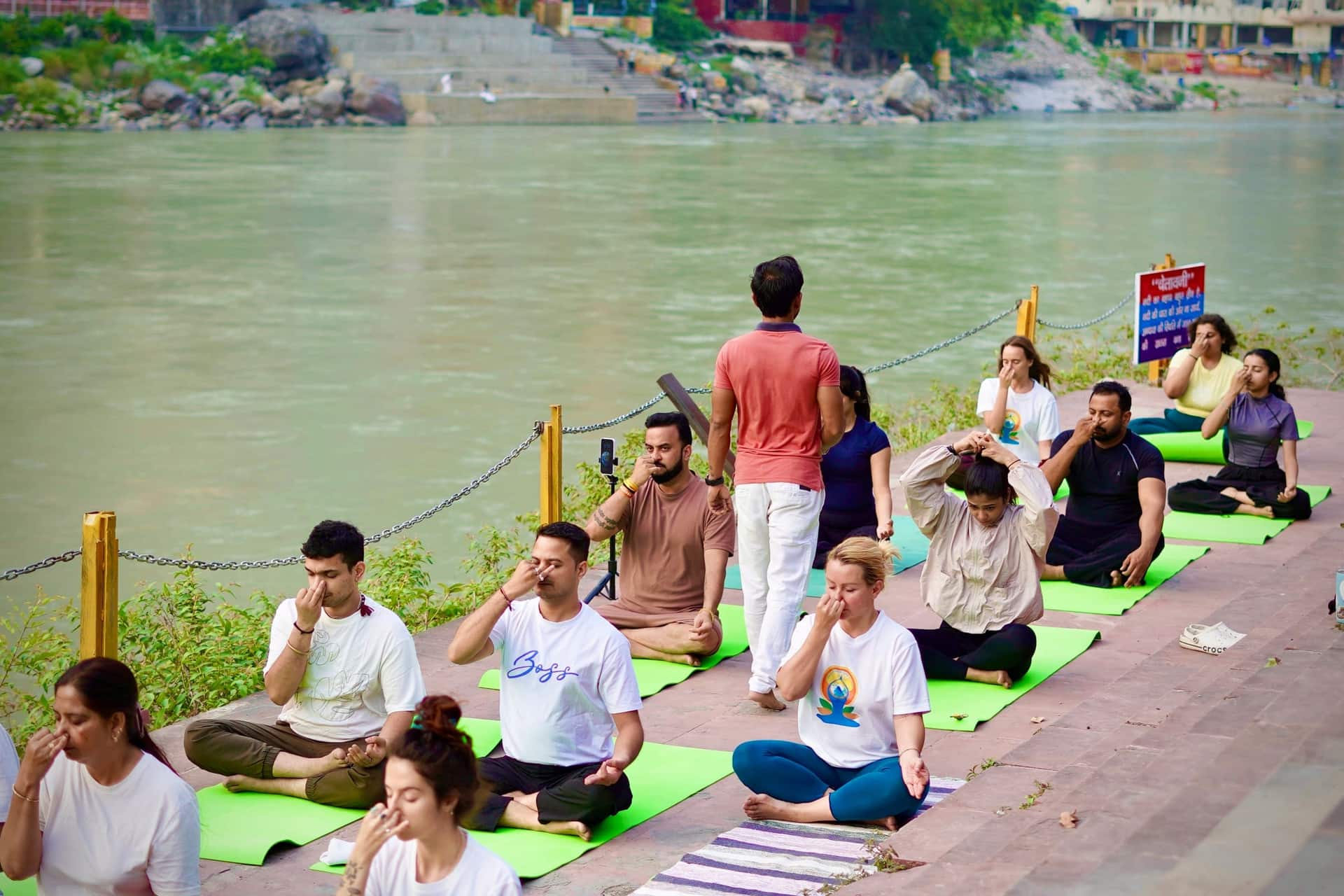
- Nadi shodhana: Alternate nostril breathing — slow, even, one side at a time. Usually the first named technique you are handed, and the one most people keep.
- Ujjayi: A soft narrowing at the throat that makes the breath audible. This is the breath you will be asked to hold on to all the way through asana.
- Bhramari: A low hum on the exhale. Faintly ridiculous for the first few rounds, then most people forget to feel self-conscious about it.
- Kapalabhati: Sharp exhales from the belly with the inhale left to happen by itself. Often grouped with pranayama, technically a cleansing practice, and by some distance the one beginners overdo.
Why it is taught with asana, not on its own
The classical order puts asana before pranayama, and the reason is practical rather than ceremonial. A body that cannot sit upright for long without fidgeting is not going to sit through a long stretch of breathing. The postures are, among other things, a way of making the sitting possible.
It runs the other way too. Asana without the breath is stretching. The breath sets the pace of a class, tells you when a posture has gone past useful into forced, and keeps your attention inside the room instead of in tomorrow. Teachers here will separate the two on a timetable and refuse to separate them in practice, which is why pranayama and breathwork in Rishikesh almost always turns up inside a yoga class rather than as a standalone appointment.
What a morning session by the river feels like
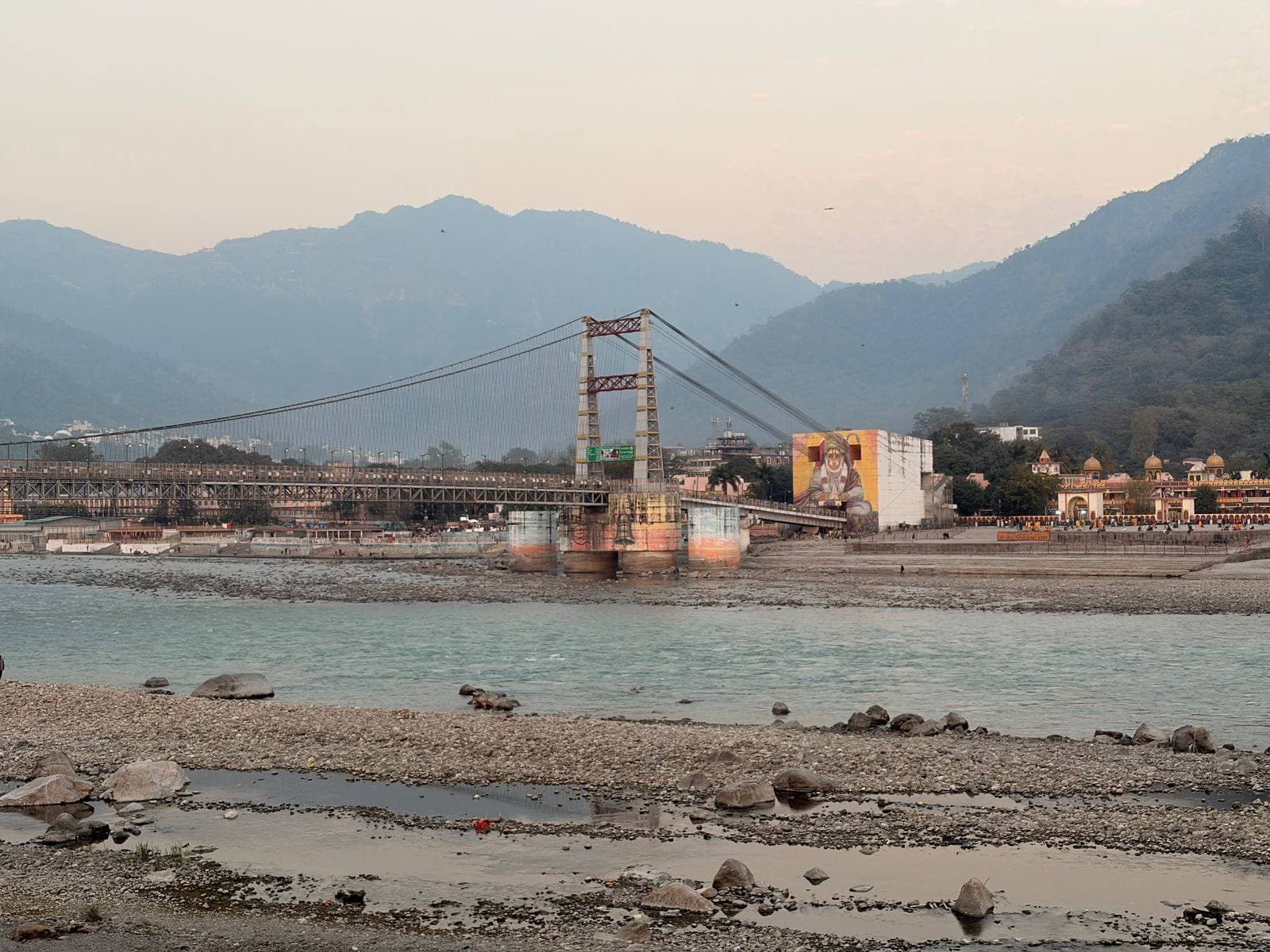
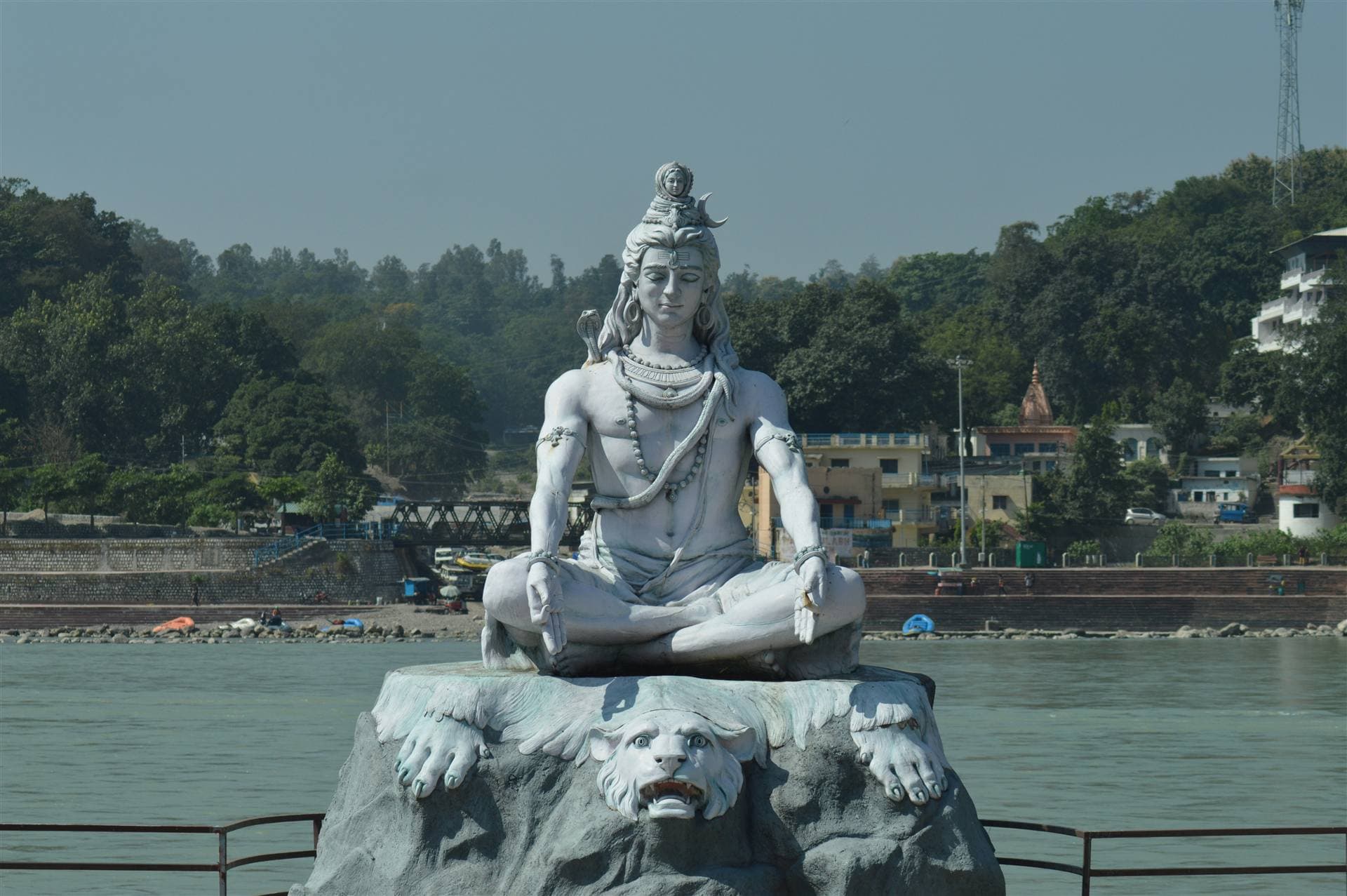
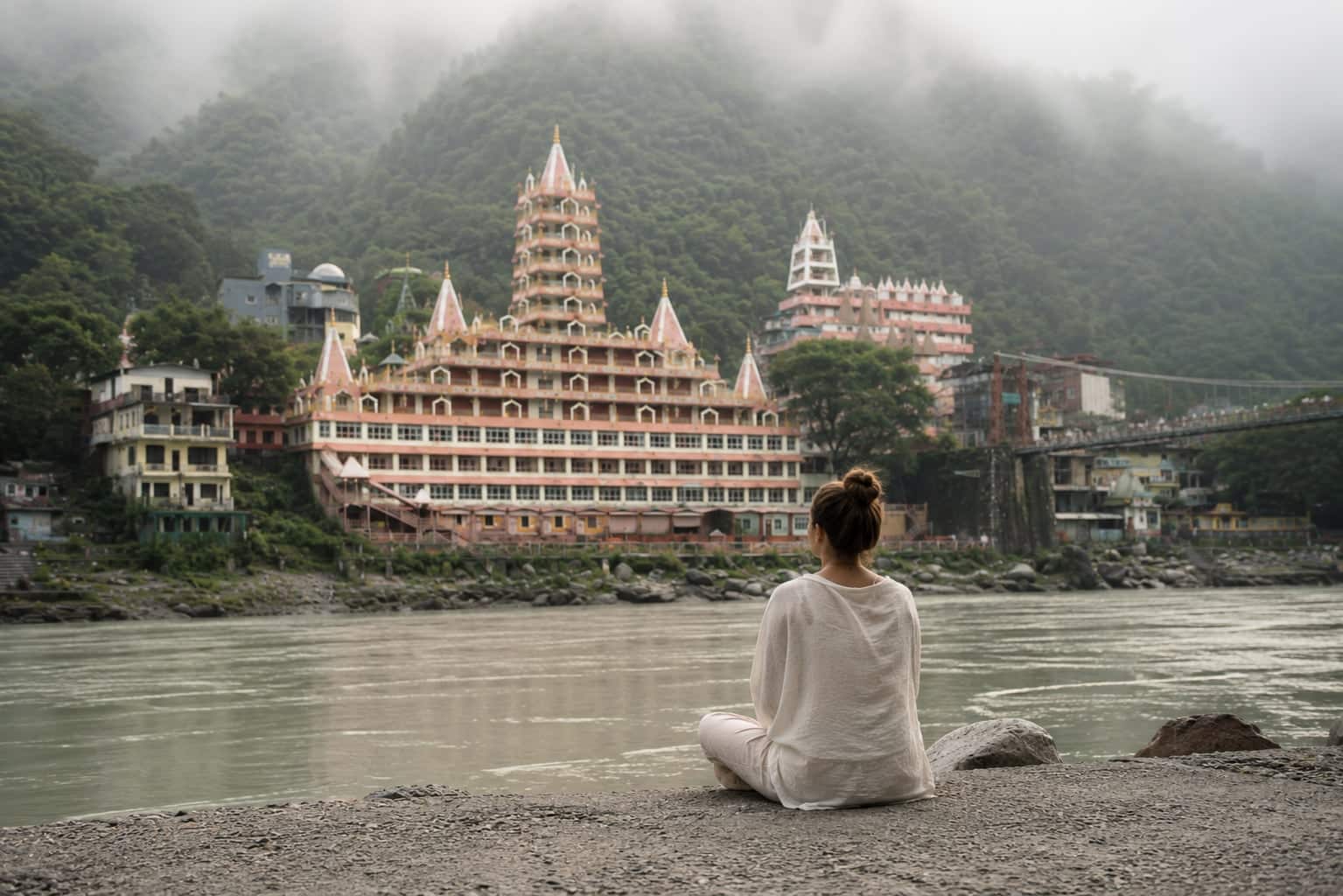
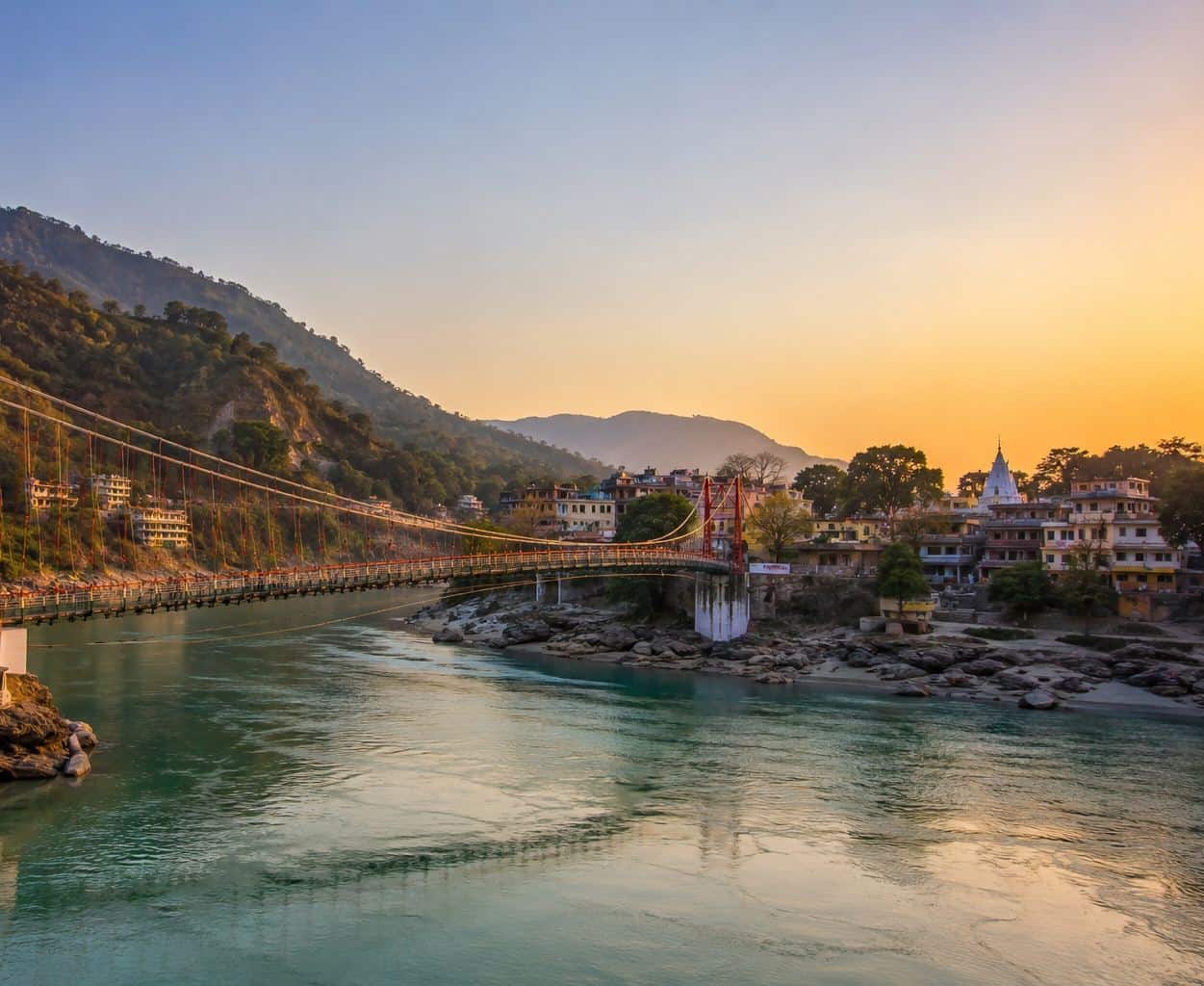
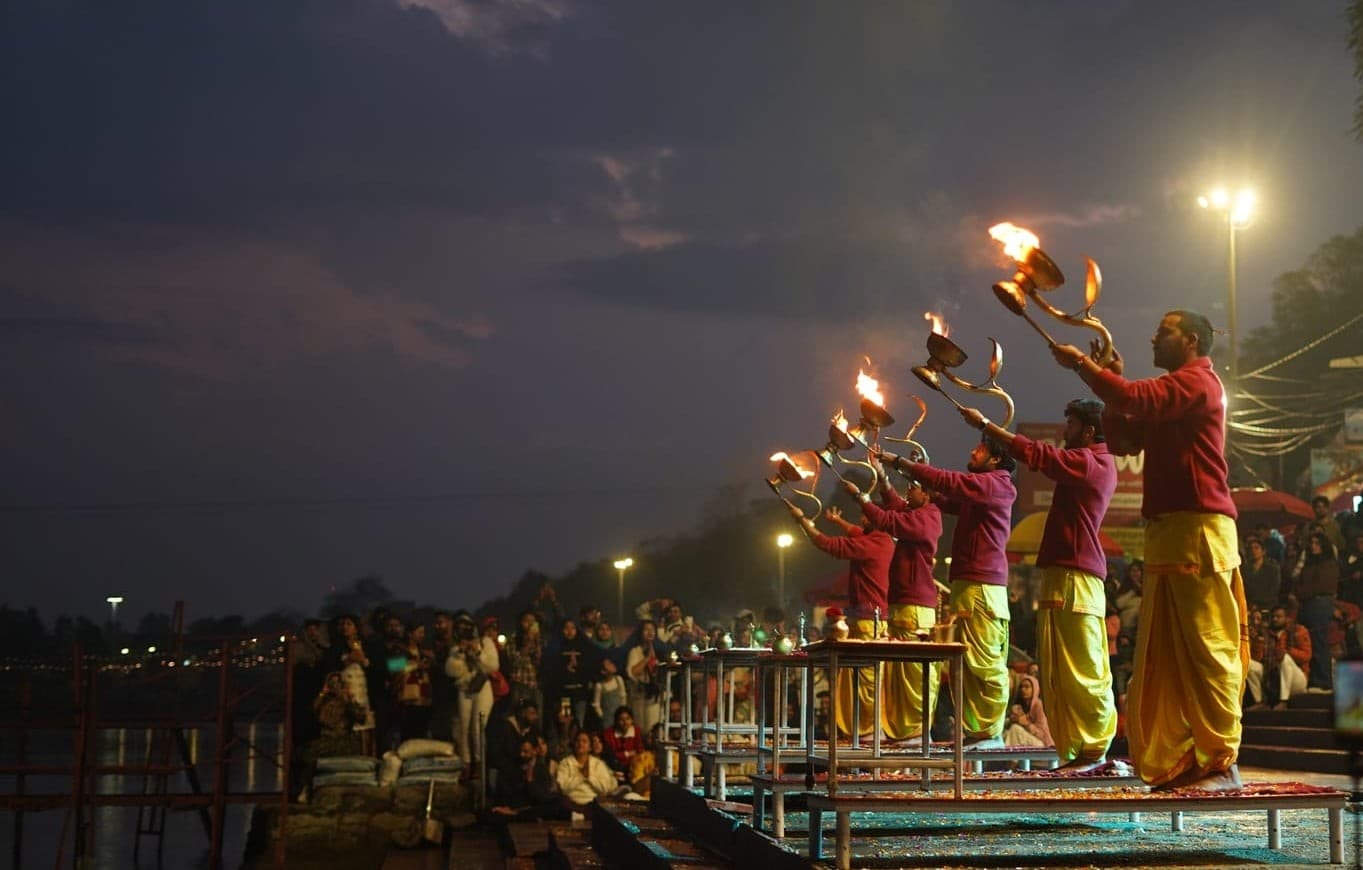
Ours run at Sai Ghat, starting at six in the morning. What follows is much the same anywhere along this stretch of the Ganga in Uttarakhand.
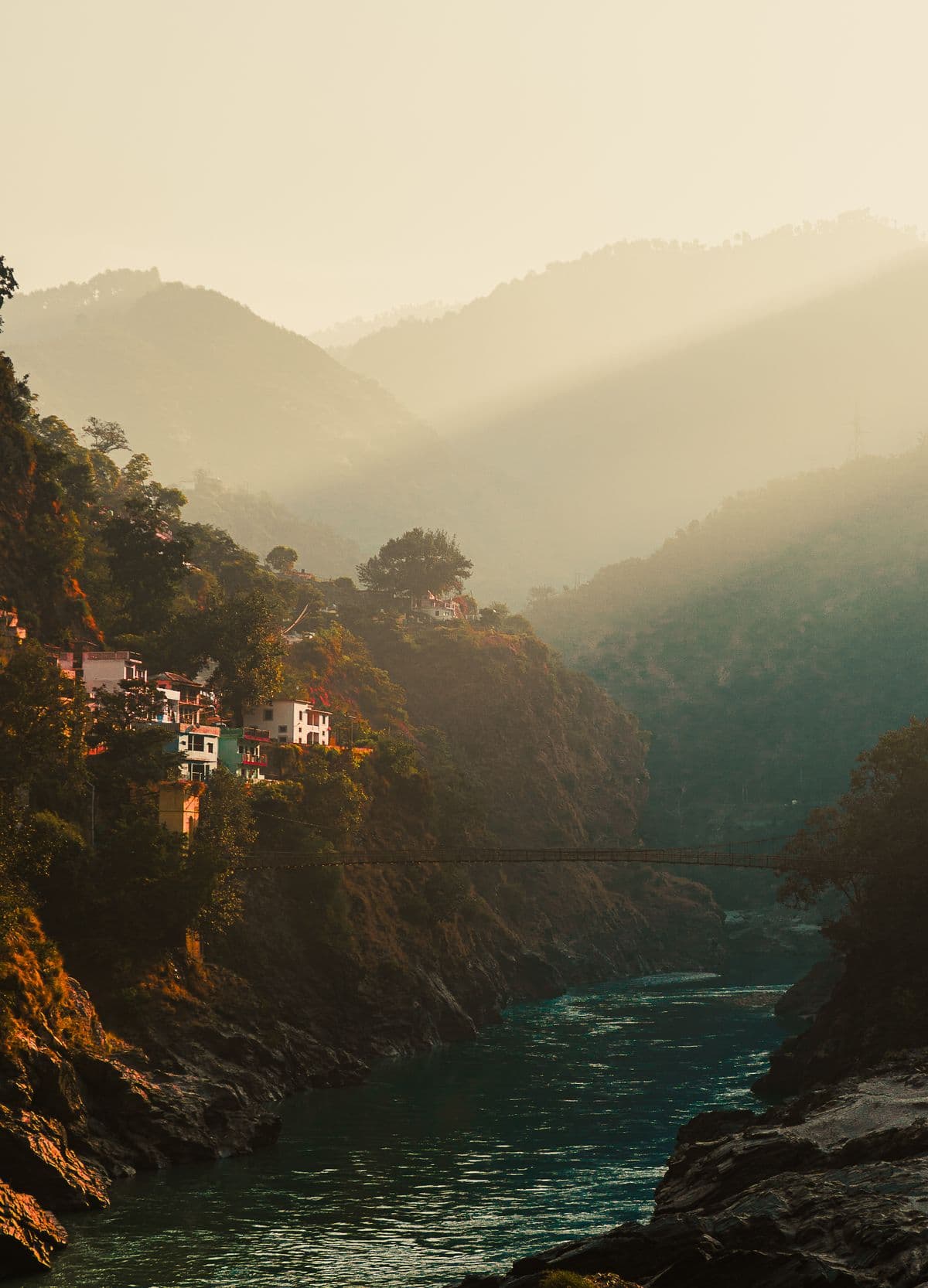
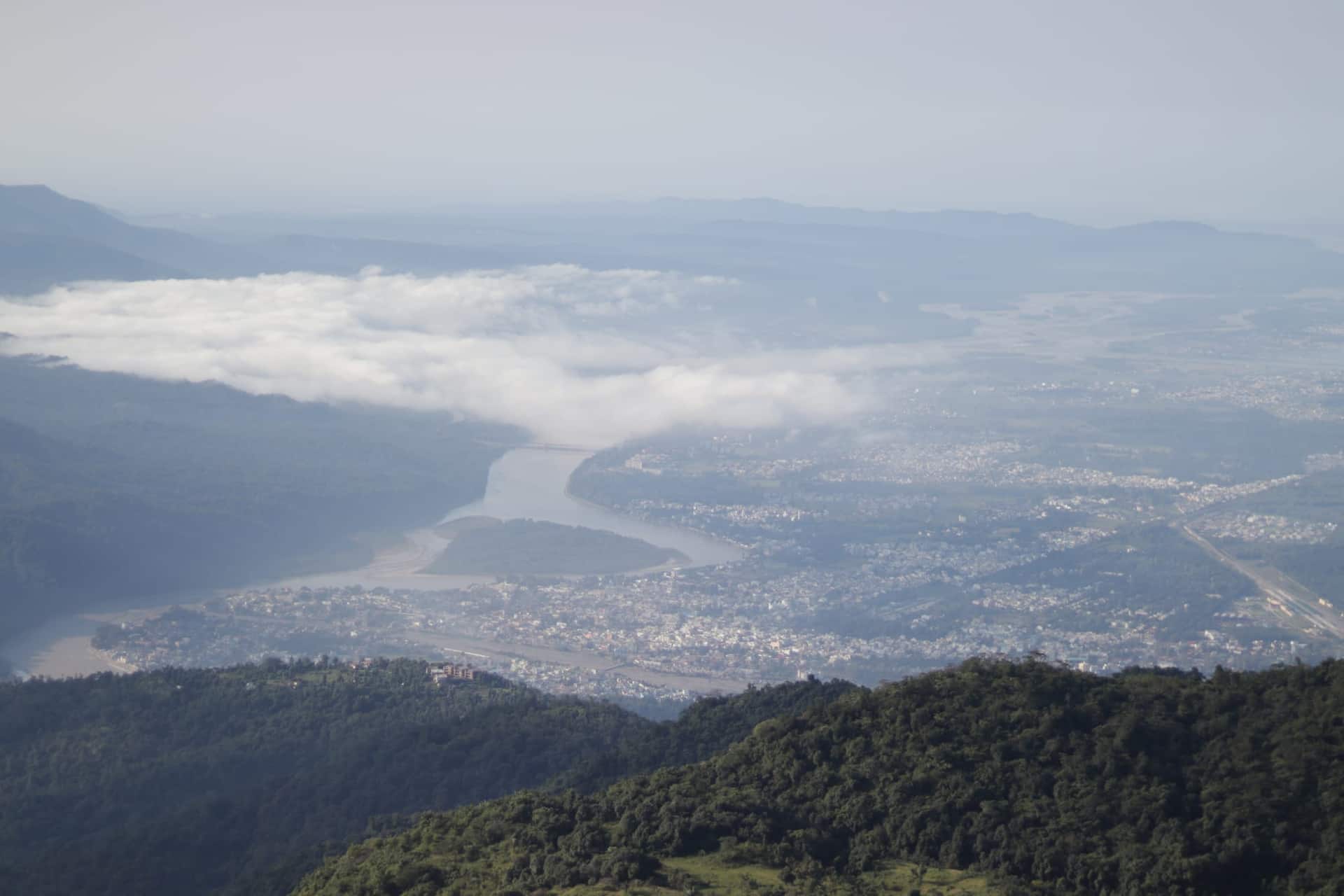
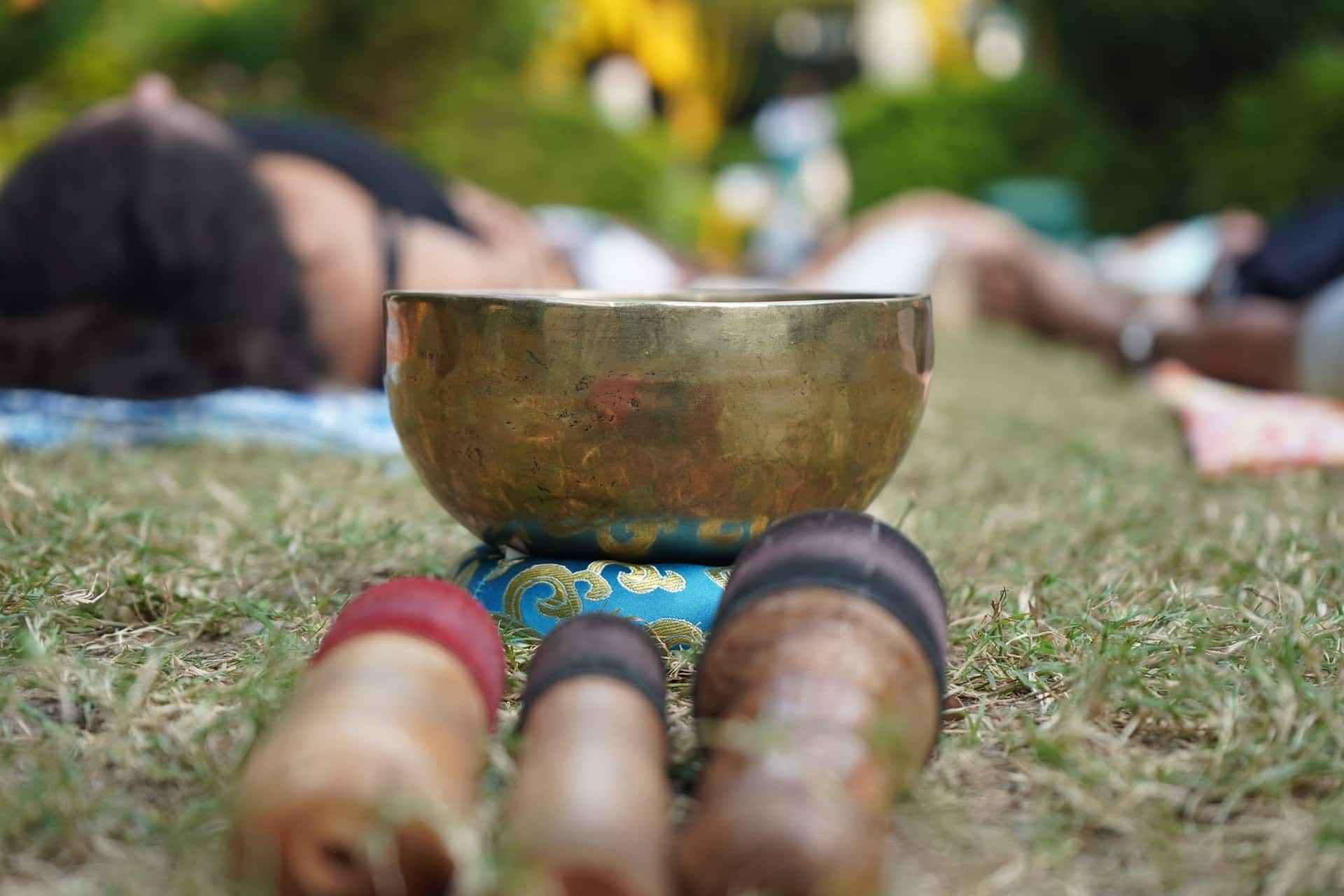
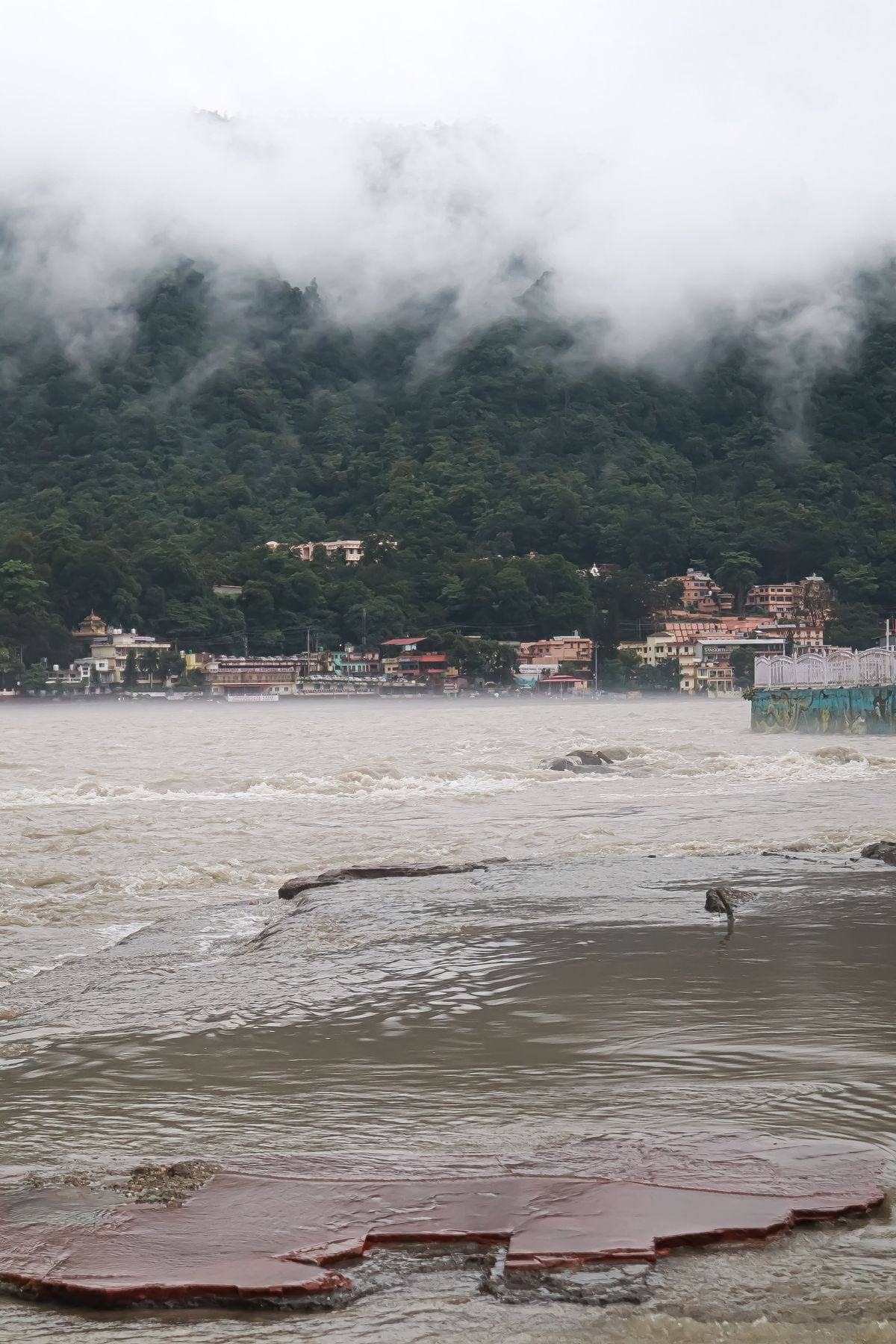
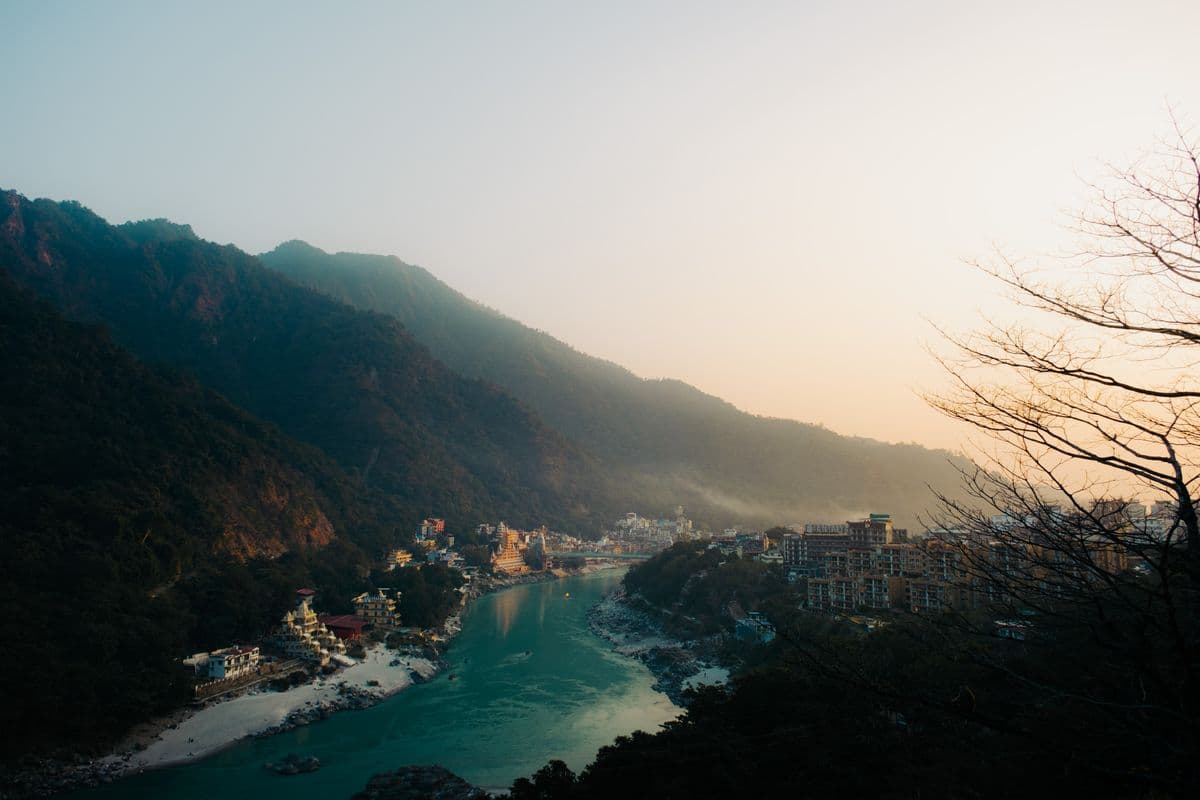
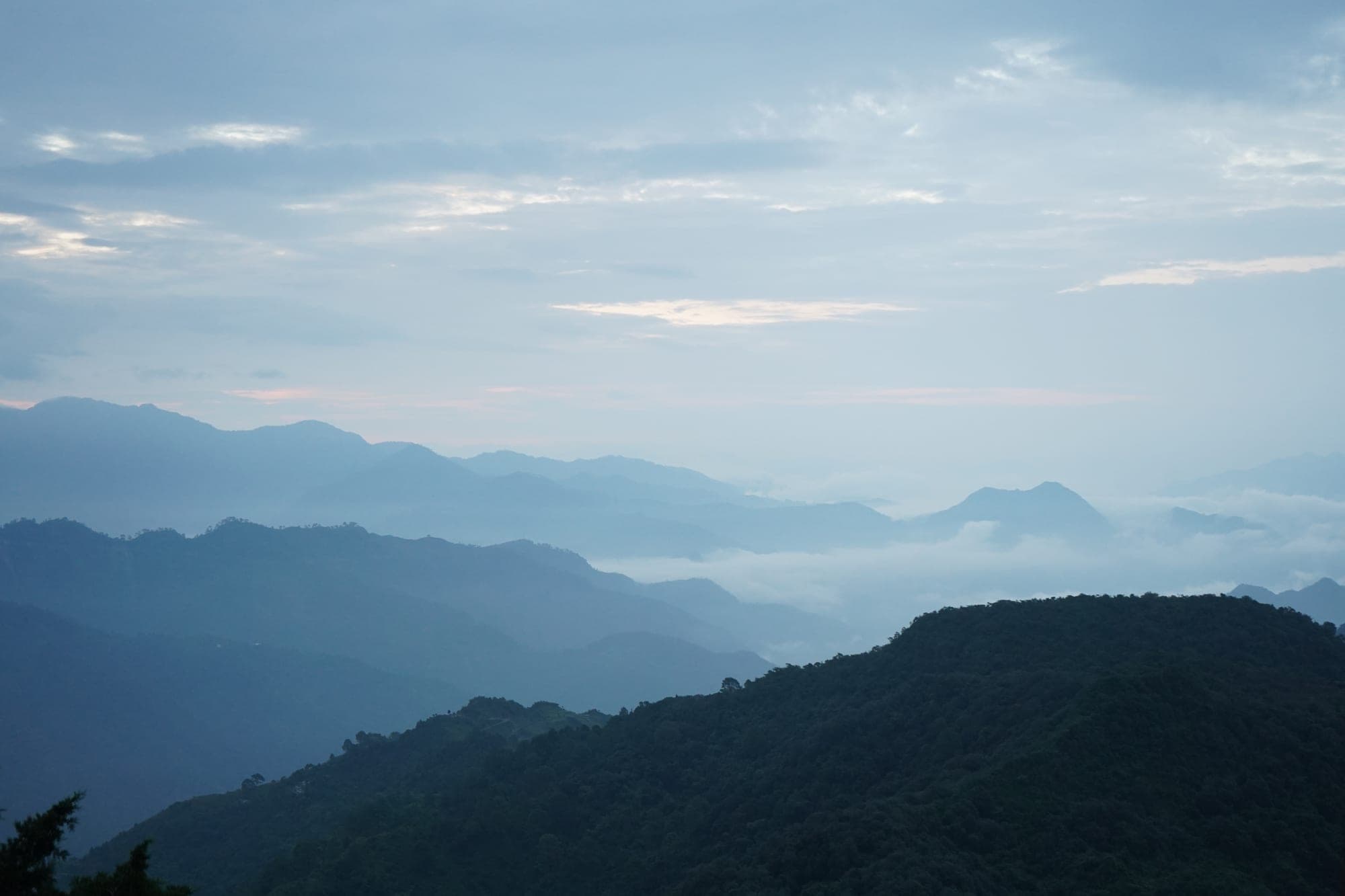
It is cold at the start — colder than you expect, even in warm months, because the river moves air down the valley all night. The light is still grey when you sit down. A bell is going somewhere behind you. The Himalayan foothills on the far bank come out of the dark slowly while you sit facing them.
The opening stretch is usually uncomfortable, and not in an interesting way. Your back complains. You notice how shallow your ordinary breathing is and you dislike noticing it. Then the class settles, the teacher counts, the river keeps making its noise, and at some point you stop tracking the time. That is most of what a morning of pranayama and breathwork in Rishikesh consists of. It is unremarkable while it is happening, and it lands later, over breakfast, when you realise you have not reached for your phone.
Nobody had to teach you to breathe. The whole practice is learning to notice that you are doing it.
Being honest about what it does
This is where a lot of writing about breathwork goes wrong, so, plainly: practitioners report feeling calmer, sleeping better and thinking more clearly on the days they practise. Long-term students say it more strongly still. Those are reports. They are worth something. They are not a medical result, and no honest teacher will hand you one.
Slow breathing is an active area of research, but the picture is not settled, and anyone quoting you a guaranteed outcome is selling something. Nothing here is medical advice, and none of it replaces a conversation with your own doctor. Treat the practice the way you would treat a long walk or a proper night’s sleep — worth doing, not a prescription.
The safety side is simpler and matters more. The forceful techniques are not handed to everybody, and teachers here routinely ask the room about pregnancy, blood pressure, heart conditions, epilepsy, glaucoma, recent surgery, and whether fast breathing has ever tipped you into anxiety. If any of that is you, say so before the class starts rather than halfway through it, and check with a doctor first if you are unsure. Any teacher worth practising with will give you a slower version instead. And if you feel light-headed, stop. That is a signal, not progress.
How this fits into a trip with us
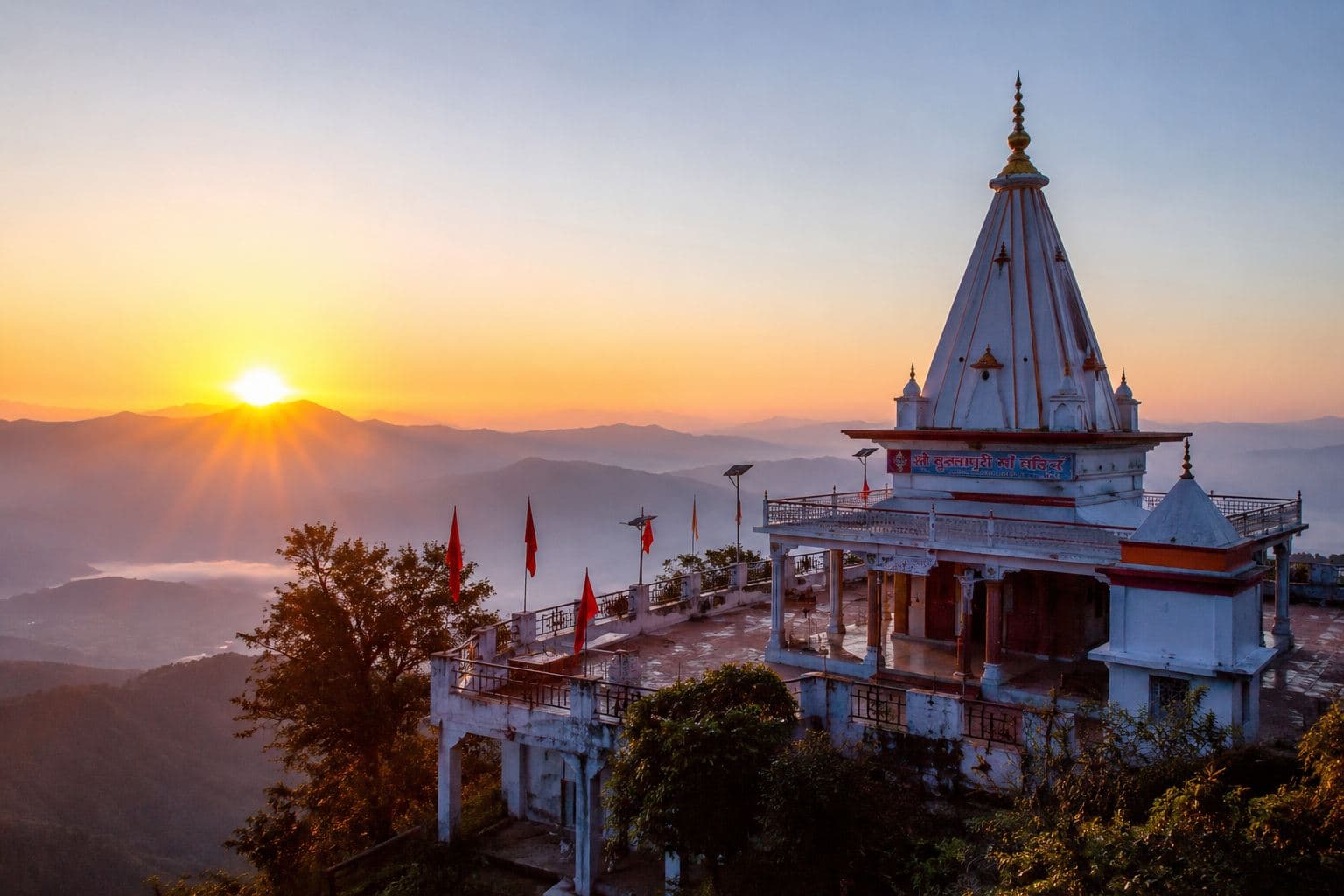
Yoga and breathwork runs at Sai Ghat from 6:00 to 7:30 AM on the retreat mornings — Reset, Restore and Rebirth alike — taught by our own teacher rather than an outsourced one. The one morning retreat guests miss it is the Kunjapuri sunrise day, which departs long before class begins. The breathing is built into the class rather than bolted onto the end of it.
If you are already in town and not on a retreat, the same class is open as a drop-in for whichever mornings you want it — single sessions, no package needed. Either way, tell the teacher it is your first go at pranayama and breathwork in Rishikesh, and the session gets built around that.