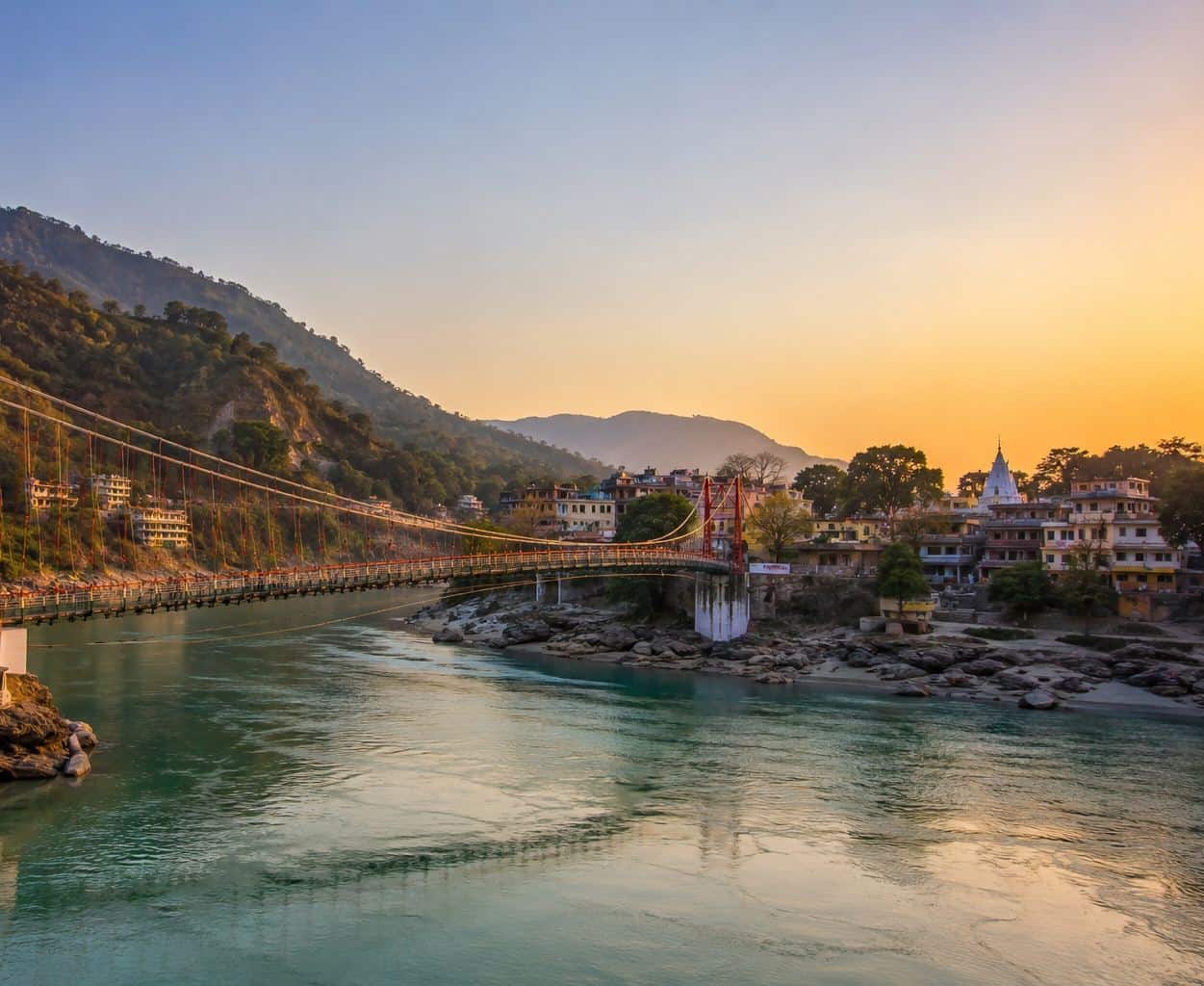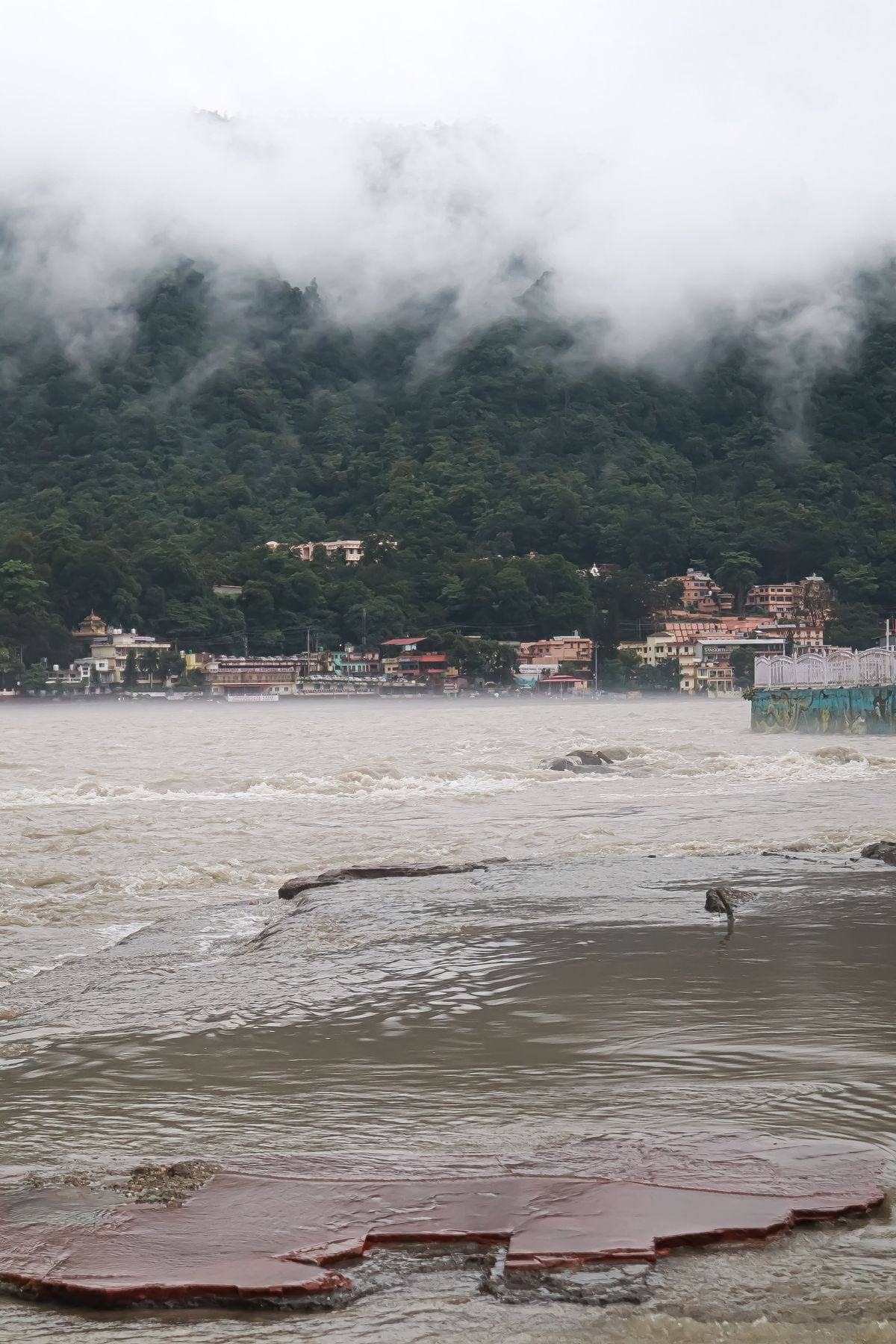
Most people who come to Rishikesh learn two ghats. There is the wide stone at Parmarth Niketan, where the evening aarti fills every step, and there is whichever bit of riverbank happens to sit below their guesthouse. Sai Ghat is neither of those. It is a short walk from Laxman Jhula, it turns up on almost no itineraries, and most evenings the people sitting on it are the people who live here.
The ghat that never became an attraction
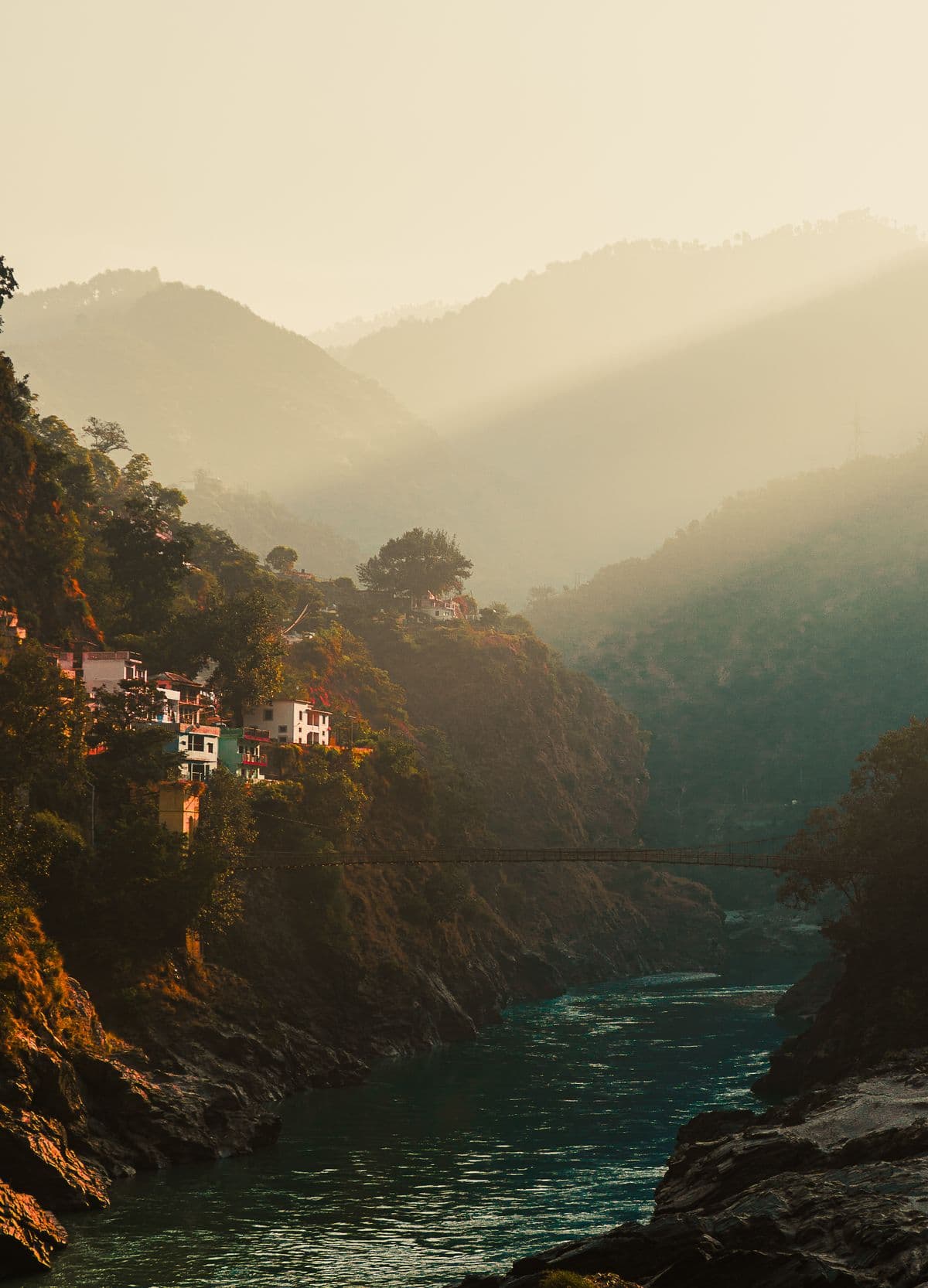
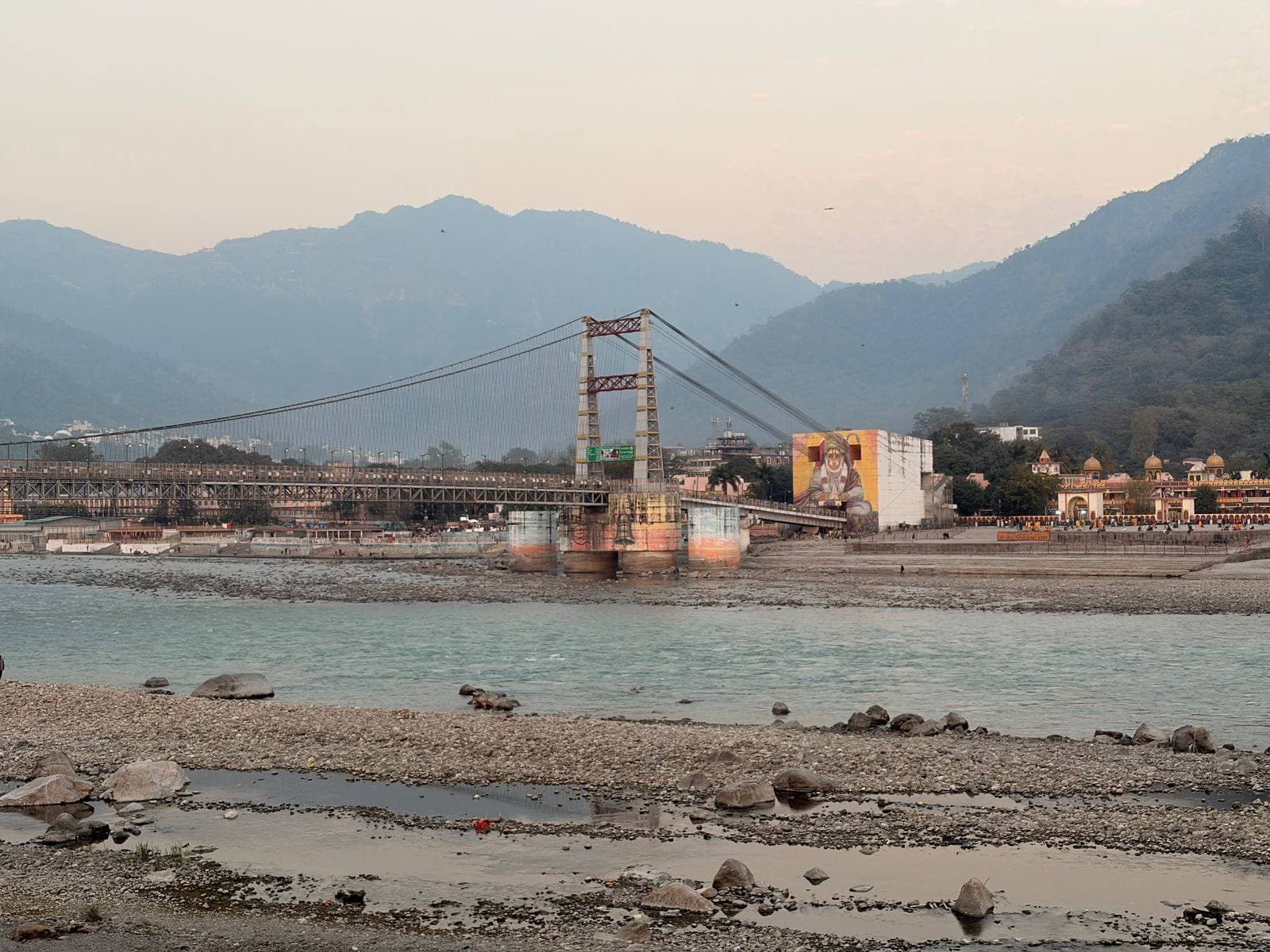
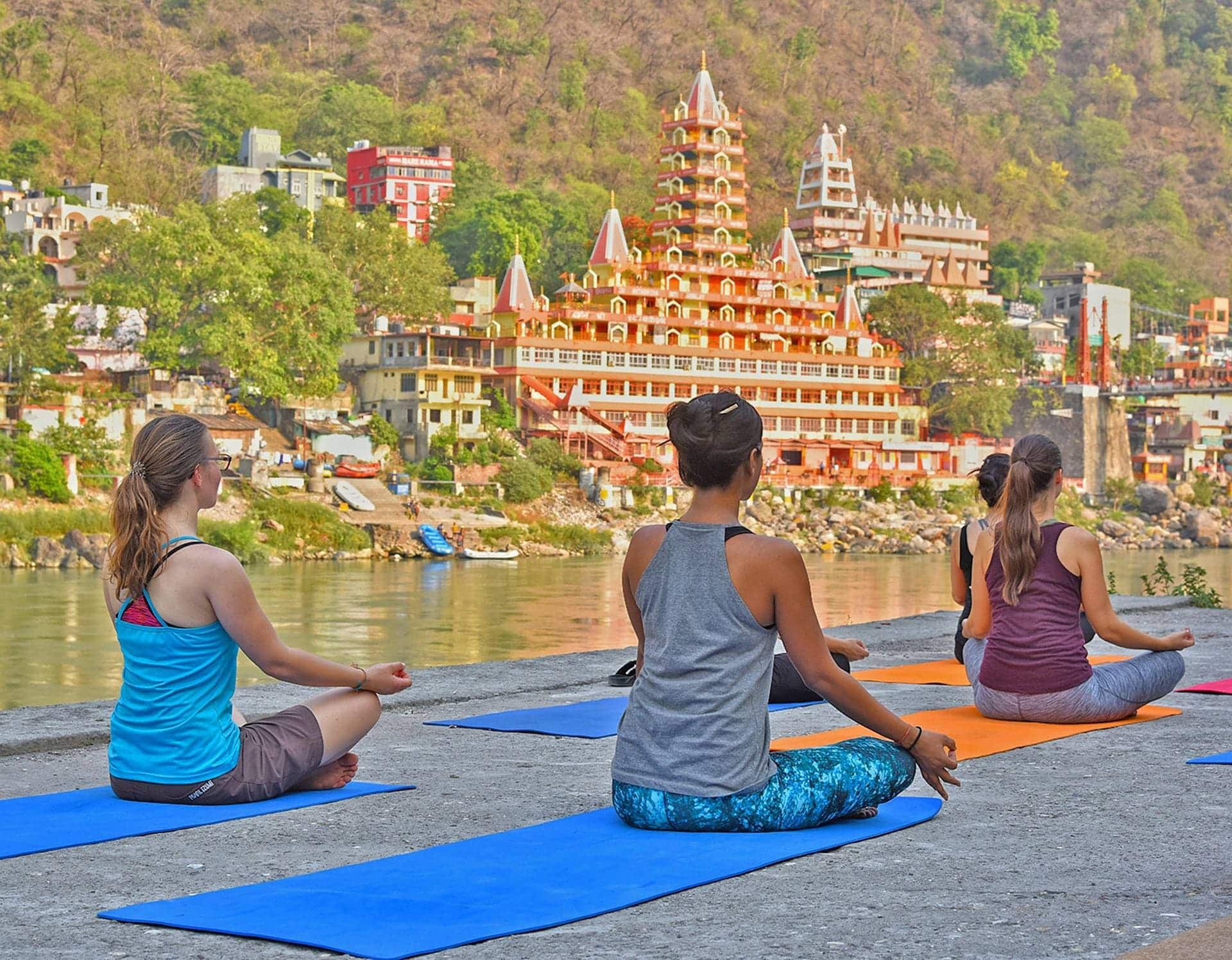
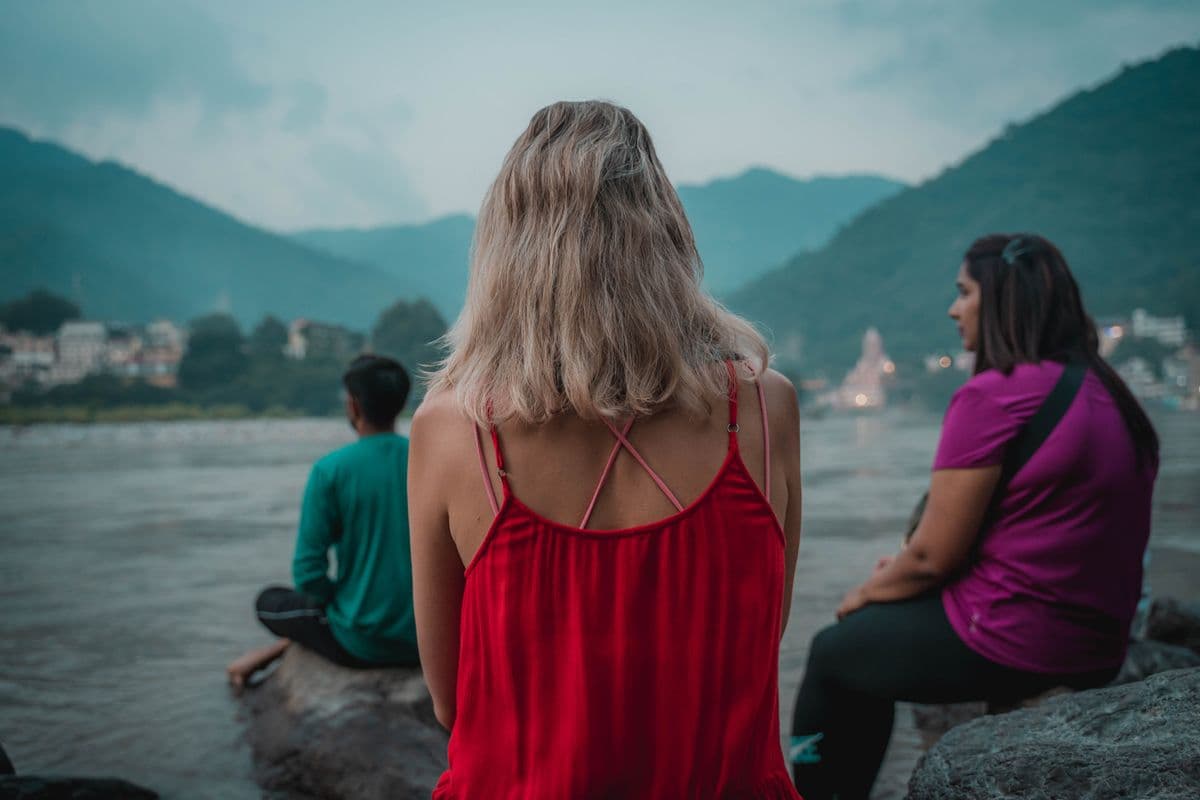
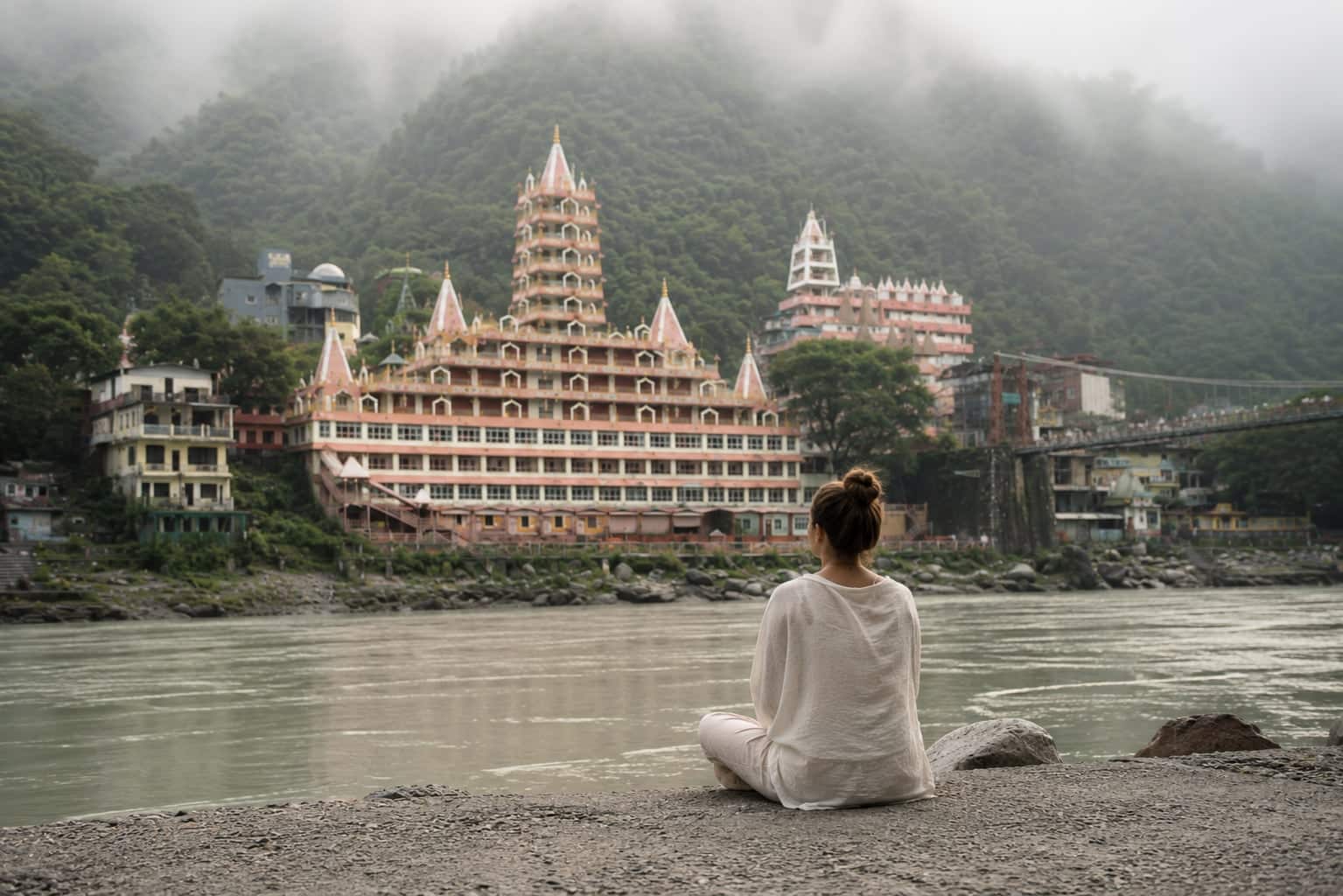
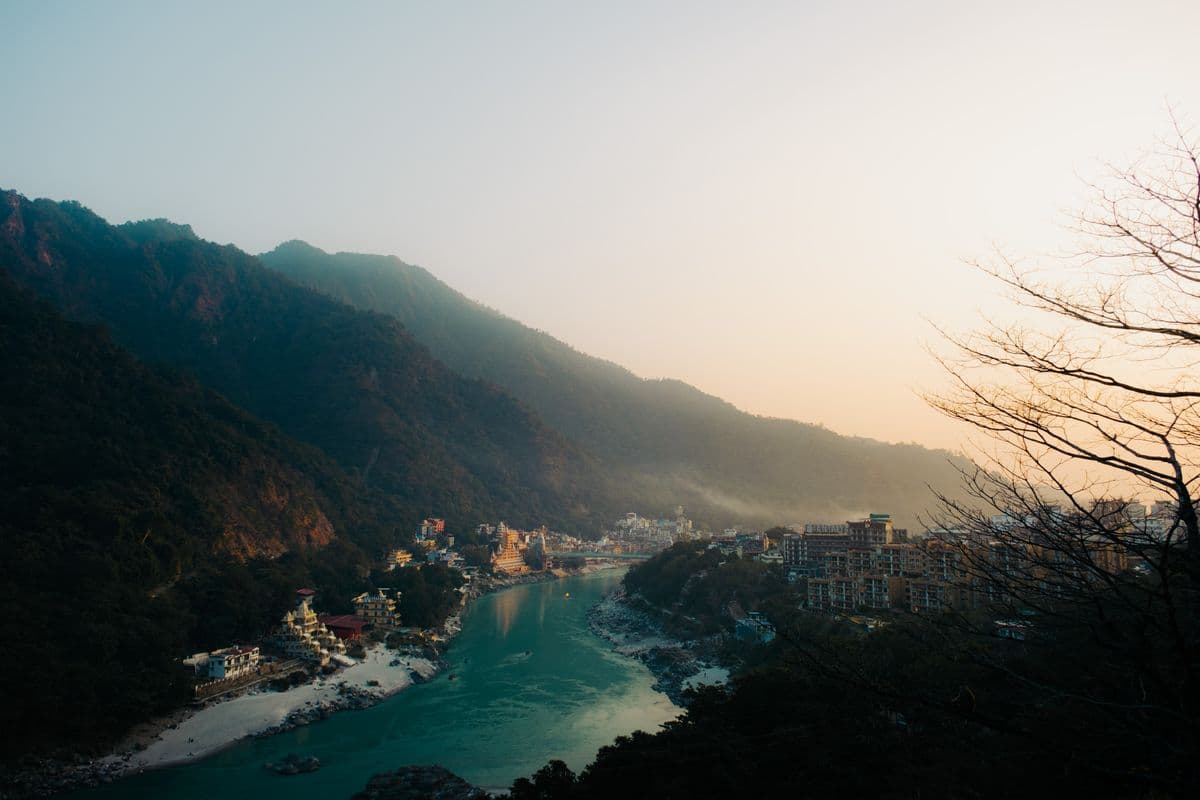
Sai Ghat Rishikesh is not an attraction, and nothing here has been arranged to make it one. There is a run of steps down to the Ganga, a stretch of pale sand where the water pulls back, and the wooded foothills sitting on the far bank. No ticket window, no cordon, and usually nobody trying to sell you anything on the way down.
That plainness is the whole reason to go. A lot of the riverfront in this part of Uttarakhand has been organised around visitors, which is often lovely, but it does mean the river becomes something you attend rather than something you sit beside. At Sai Ghat you sit beside it. Families come down in the late afternoon. Someone rinses a plate. Two men argue about nothing in particular. A dog picks a warm stone and stays there. It is not a scene, it is just the place where the town meets its river.
Mornings on the sand
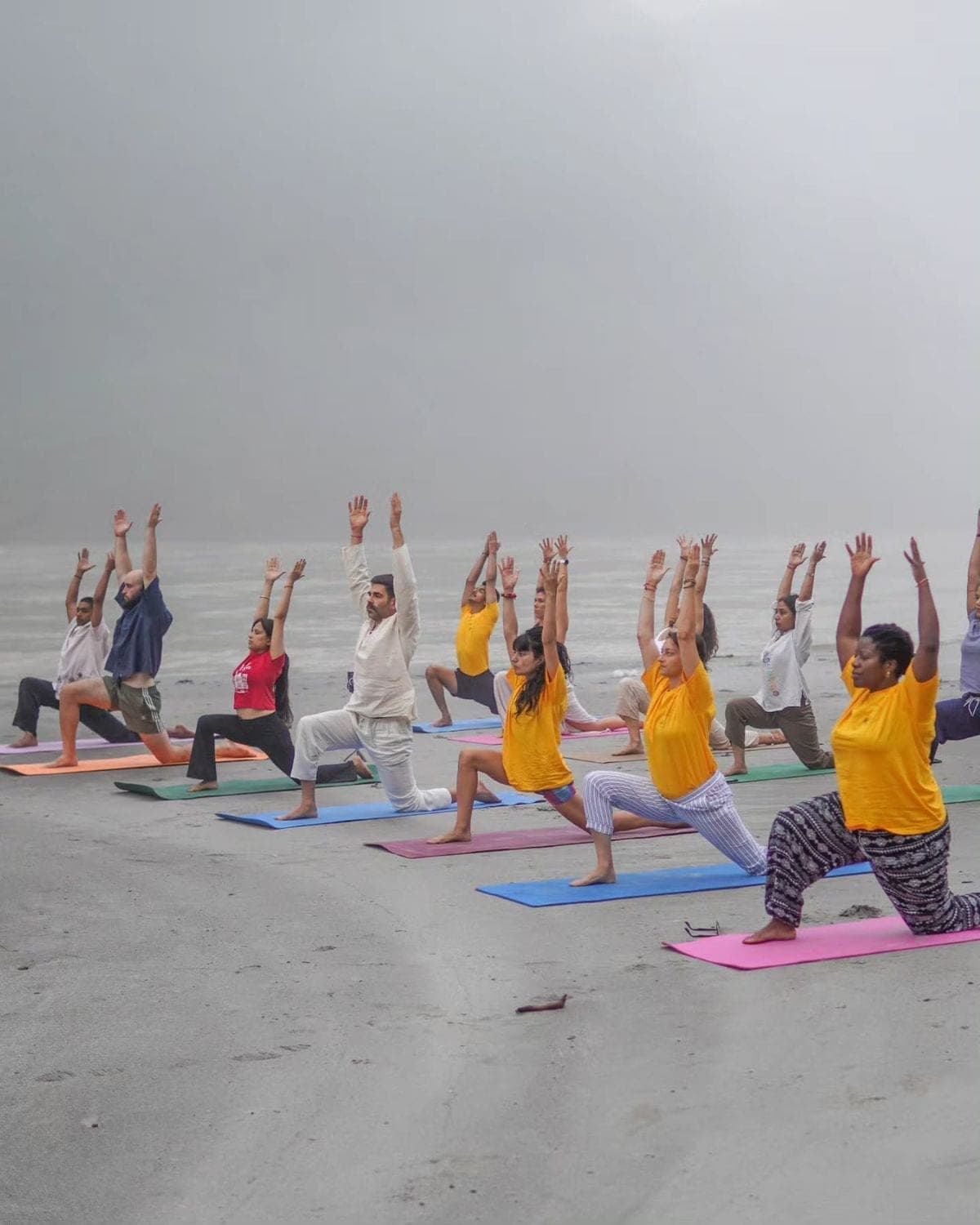
The sand is the reason we hold our morning practice here. Early, before the heat and before the bridge traffic thickens, the bank is about as quiet as Rishikesh gets. The Ganga is loud in a steady way that is easy to breathe with, and the first light comes in low across the water before it clears the hills.
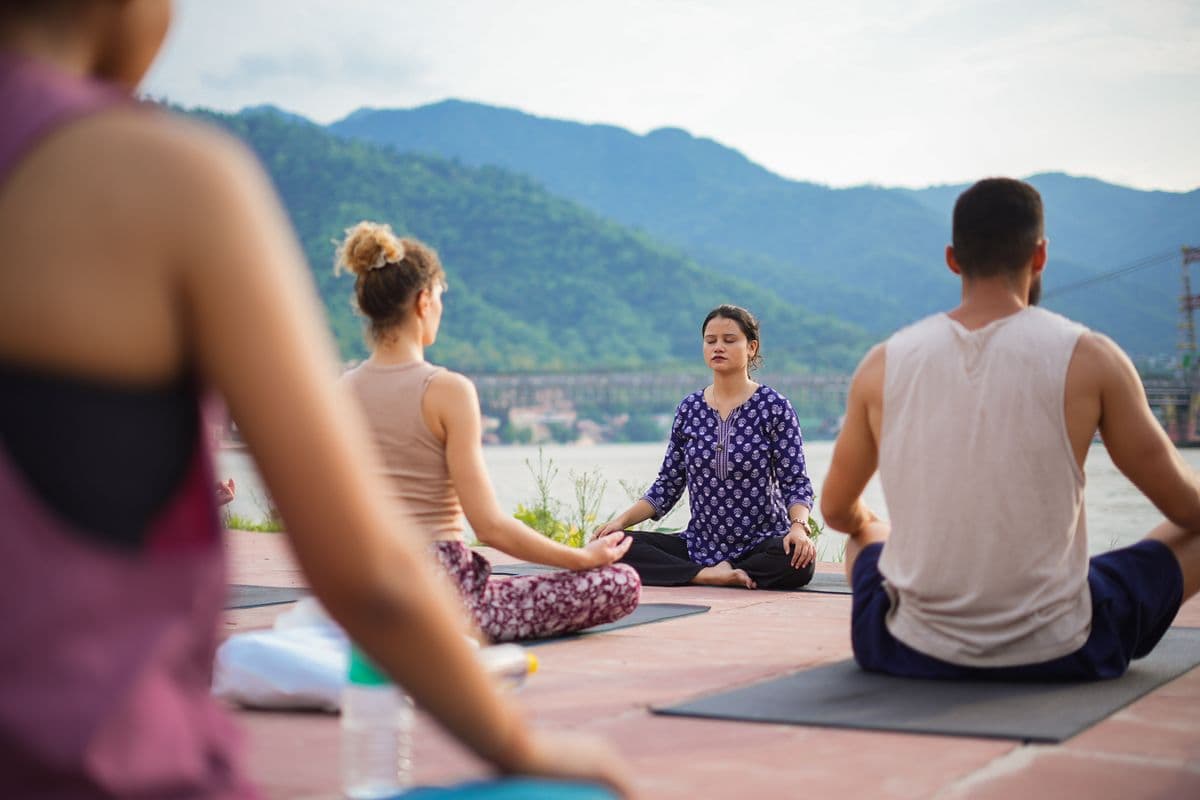
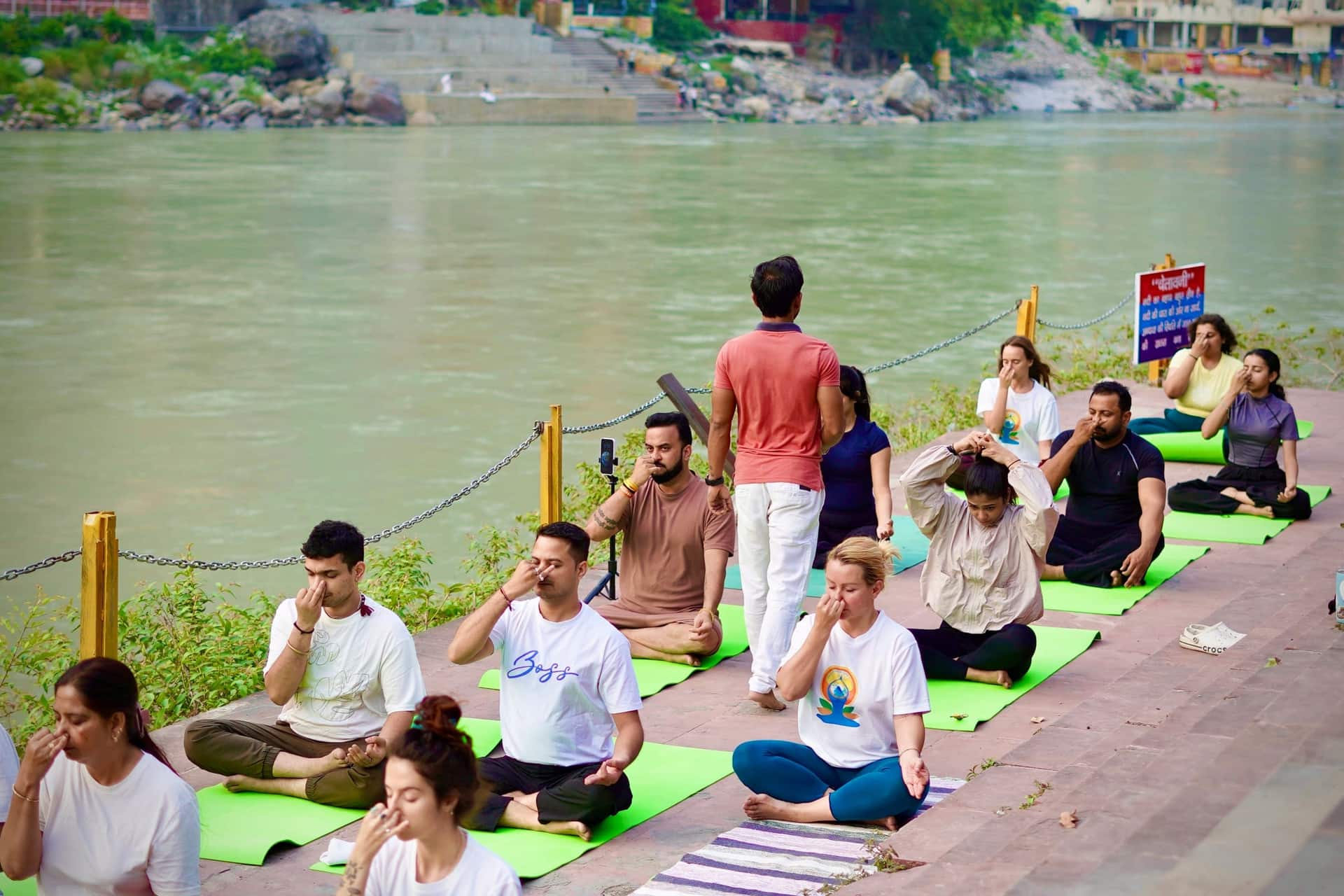
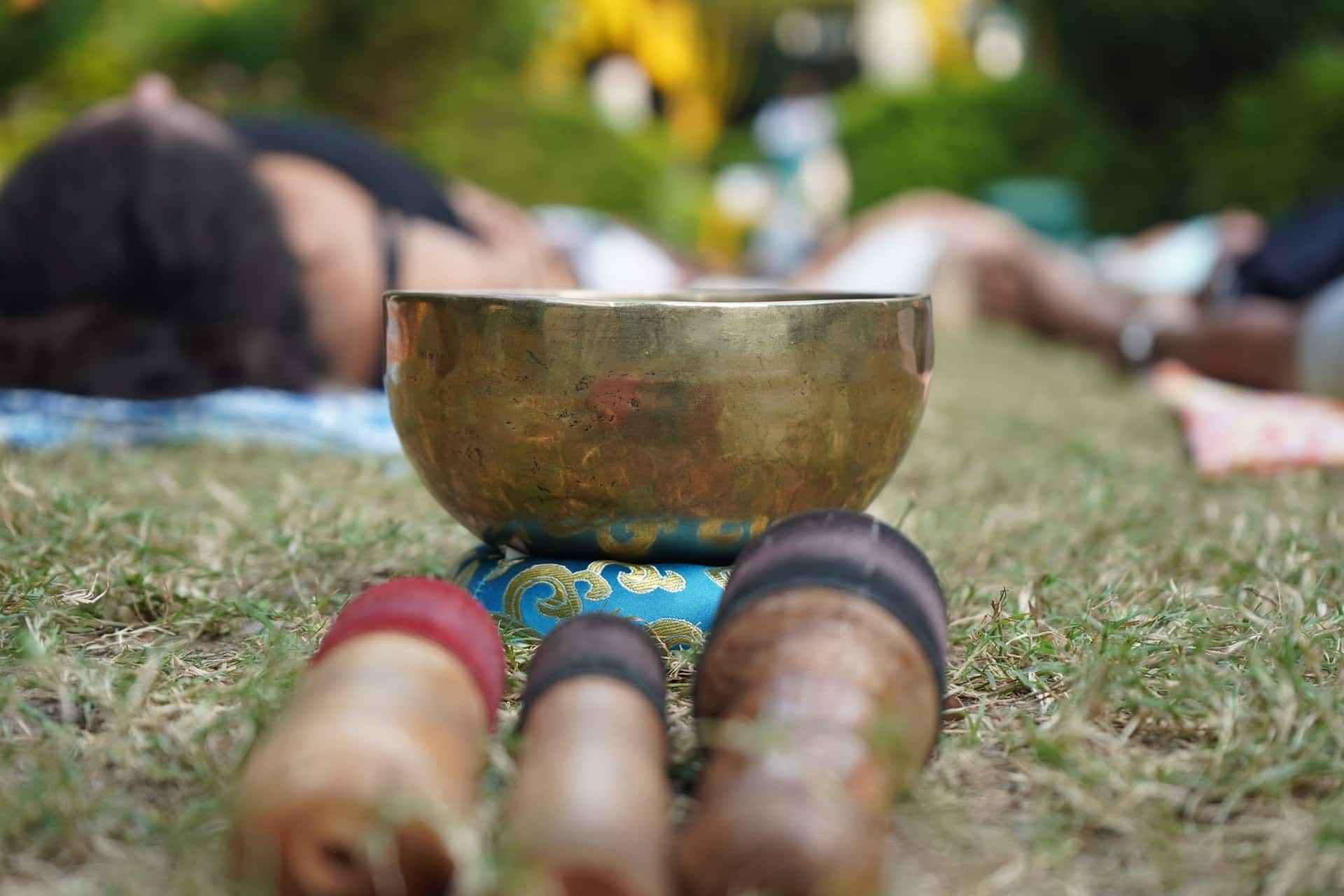
We run yoga and breathwork at Sai Ghat every morning. None of it is a performance — mats in a rough half-circle on the sand, an hour or so of movement, then pranayama while the town wakes up behind us. If you have only ever practised in a studio, doing it with cold river air on your arms and grit under your hands is a different thing entirely. After a couple of mornings it tends to stop feeling like a scheduled session and turns into something you just walk down for. It is our own class rather than a school programme, so if you are in town without a package you can drop into a single morning and leave it there.
The Gangamata statue
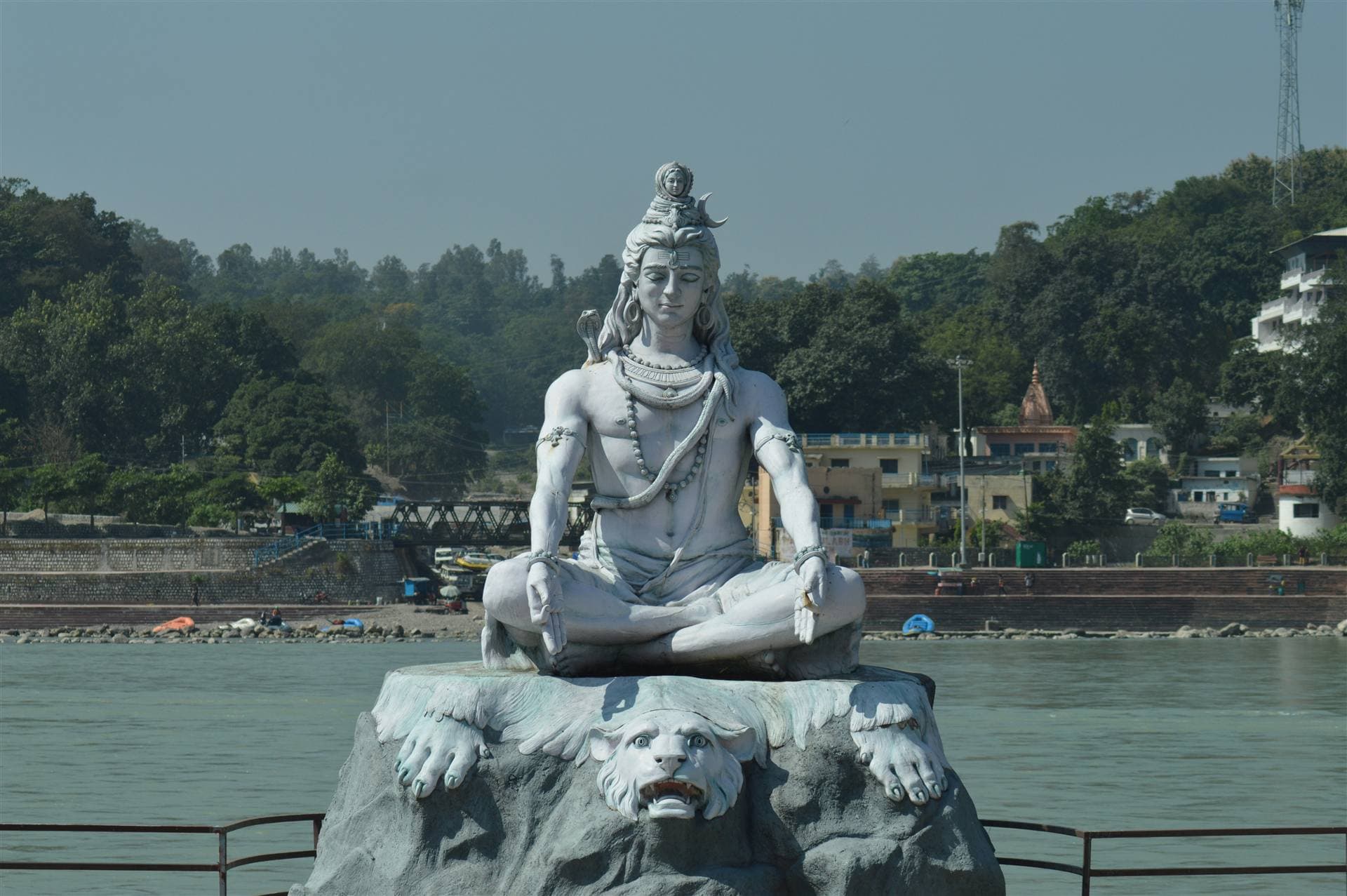
At the ghat there is a statue of Gangamata — Mother Ganga — facing the water. It is the one thing here that photographs well, and it is also the thing that tells you what this ground is for. The Ganga is not scenery in Rishikesh. She is treated as a person, and the statue makes that literal.
Locals pass it the way they pass any shrine on this river: a slowing of pace, a hand touched to the head, and on with the day. You are welcome to sit near it. Just leave the ground around it clear, and if a small ritual is under way, wait it out rather than walking through the middle of it.
The evening aarti, at a smaller scale
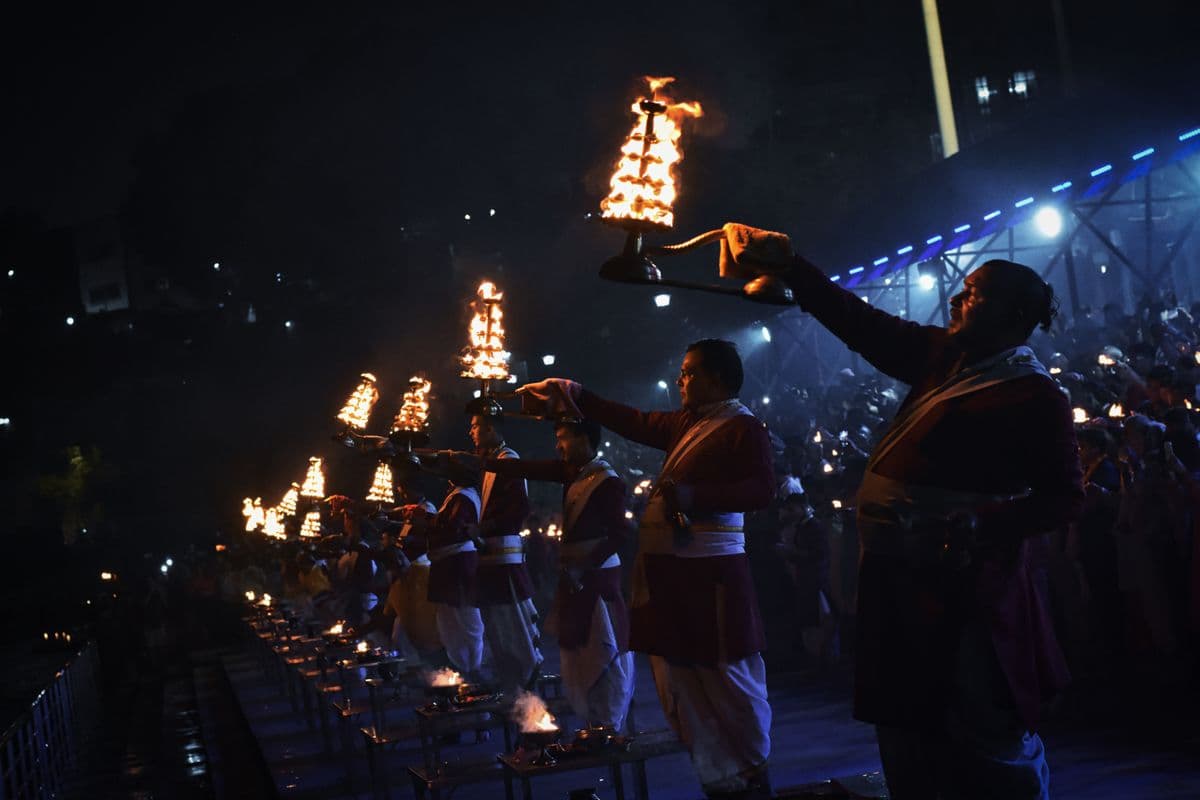
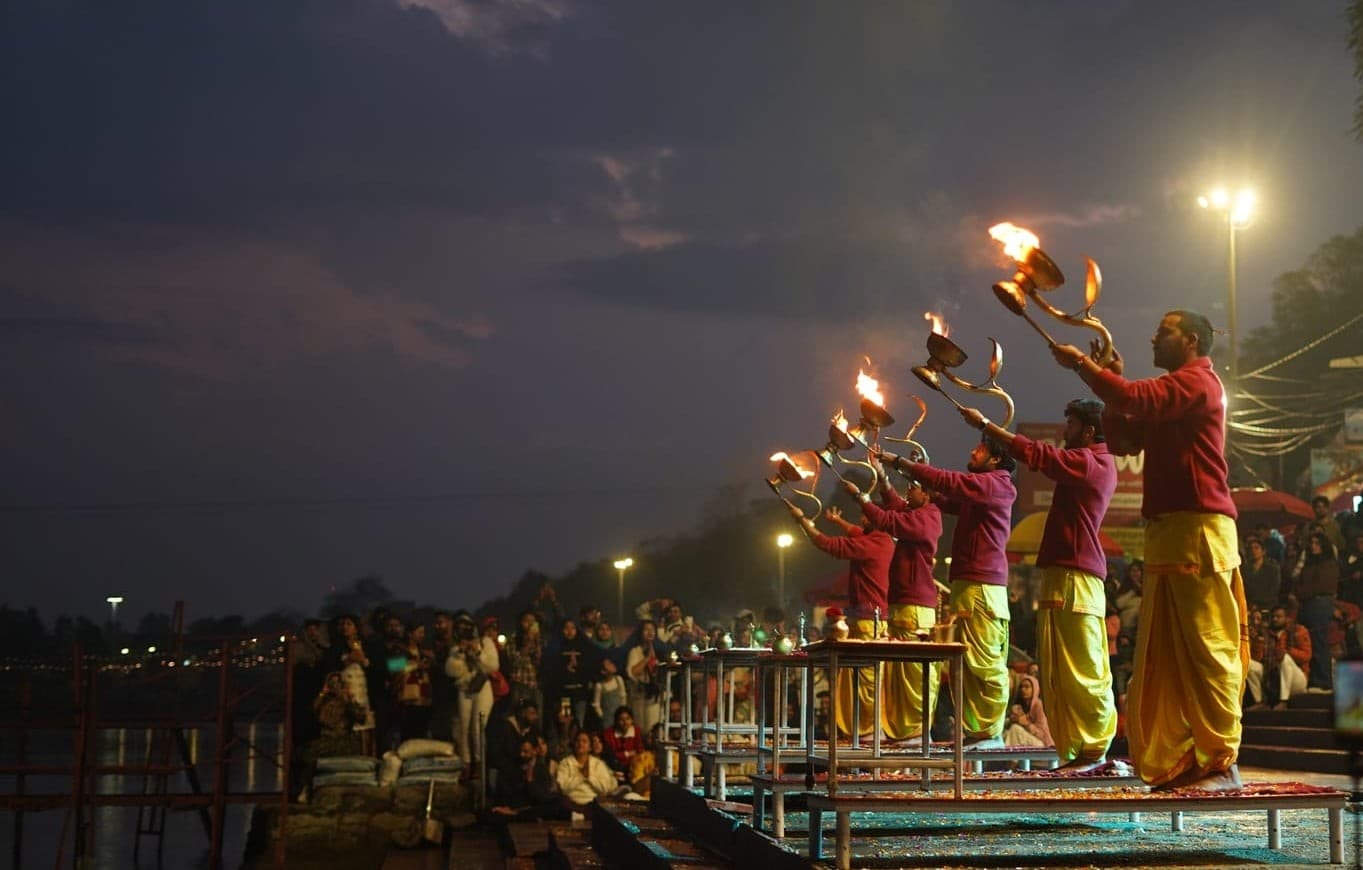
Parmarth Niketan runs the aarti most visitors mean when they say Ganga aarti — sung, well organised, genuinely moving, and busy. The aarti at Sai Ghat is a smaller version of the same idea. Fewer lamps. Fewer people. Nobody directing where you stand.
If you have only seen the Parmarth version, Sai Ghat Rishikesh can feel almost too quiet at first. Then it lands differently. You are close enough to hear individual voices instead of a crowd, close enough to the water to watch the diyas actually go, and near enough to the edge of it to walk away afterwards without a bottleneck. Nobody needs to choose between the two, and we would rather not rank them for you. They are different evenings, and a retreat with us is built so you get both rather than having to pick.
How to sit at Sai Ghat well
Sai Ghat Rishikesh stays good only because the people using it are careful with it. A few things worth knowing before you walk down.
- Best time: First light for the quiet, or the last hour before dark for the aarti.
- Bring: Something to sit on, and one layer more than you think — the river throws cold air even in warm months.
- Please skip: Soap, shampoo, plastic, and anything you would not want left behind on the sand.
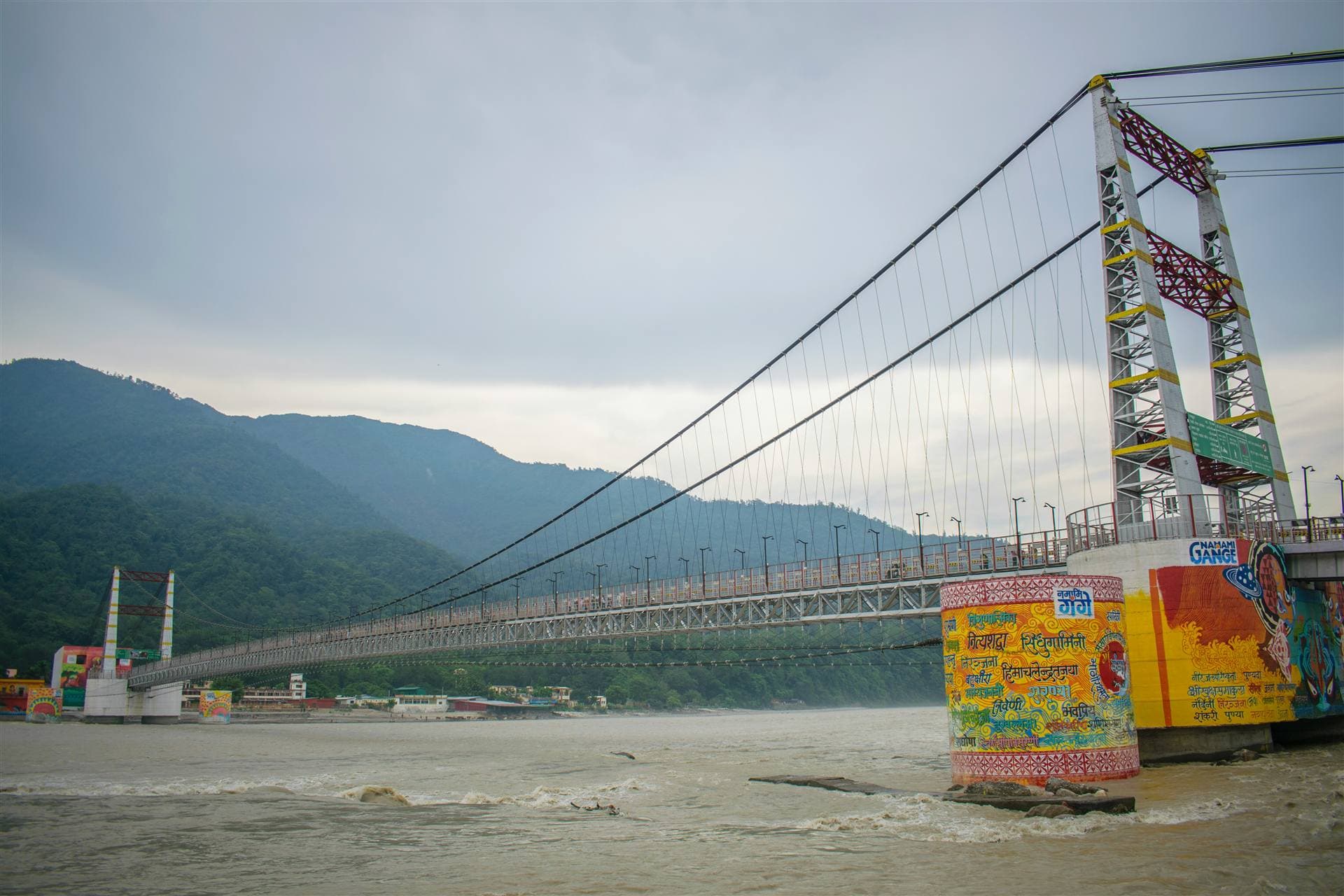
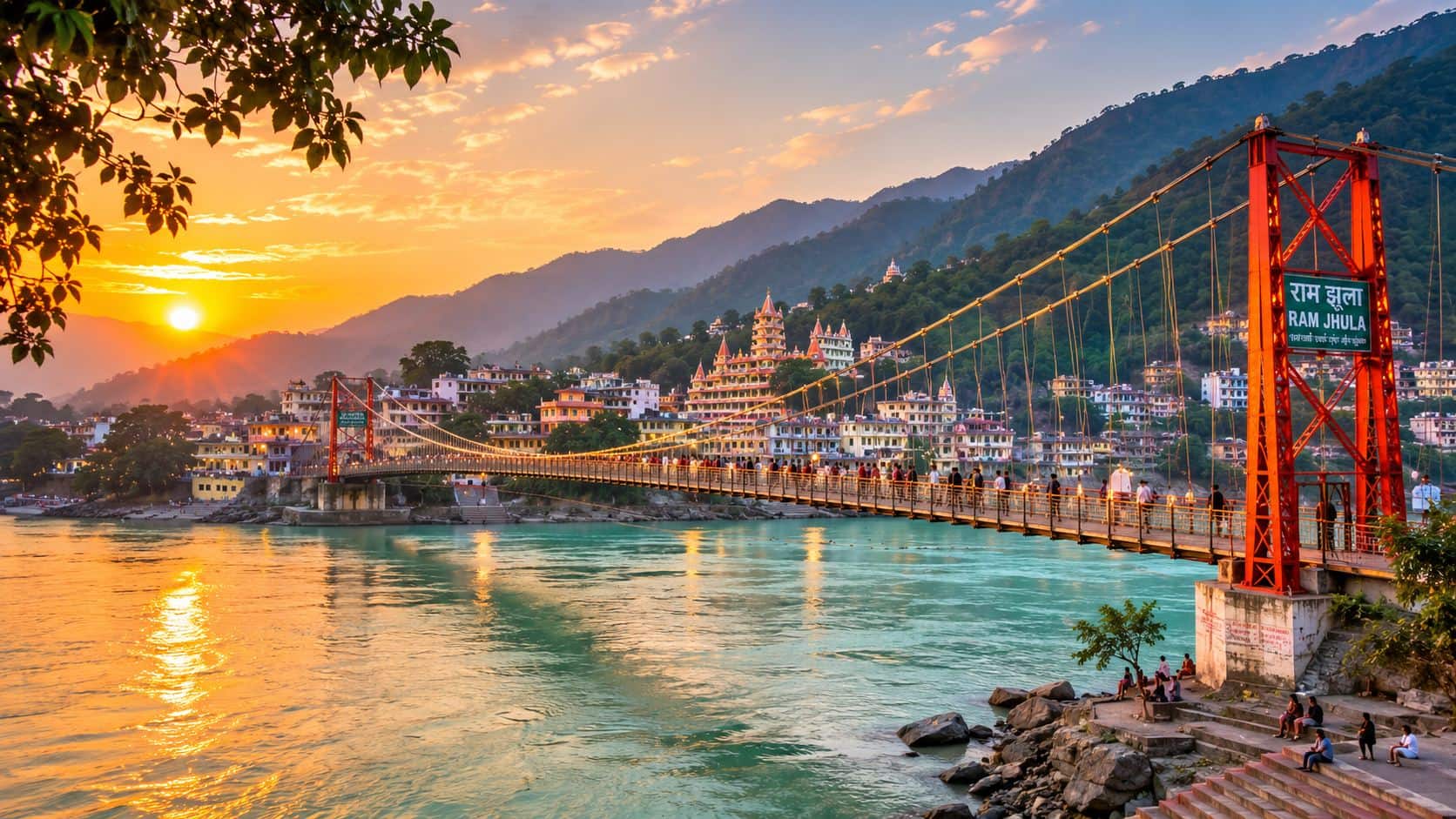
- Combine it with: The walk across Laxman Jhula and a slow coffee in Tapovan afterwards.
Parmarth is where Rishikesh performs its river. Sai Ghat is where it just sits with it.
How this fits into a trip with us
Our morning yoga and breathwork runs at Sai Ghat every day, so staying with us means you come to know this stretch of bank properly rather than passing it once on the way somewhere else. From where our guests stay in Tapovan it is within walking distance, which is most of the reason it becomes a habit rather than an outing.
On our wellness retreats the Parmarth aarti is the second evening. The other evenings are here at Sai Ghat instead, so you see both versions across a stay. Your host walks down with you and stays for it either way. On the overnight packages — Find Your Flow and Live Like a Local — the Sai Ghat aarti is the first evening, once your bags are down. Our one-day First Hello ends at Parmarth instead.