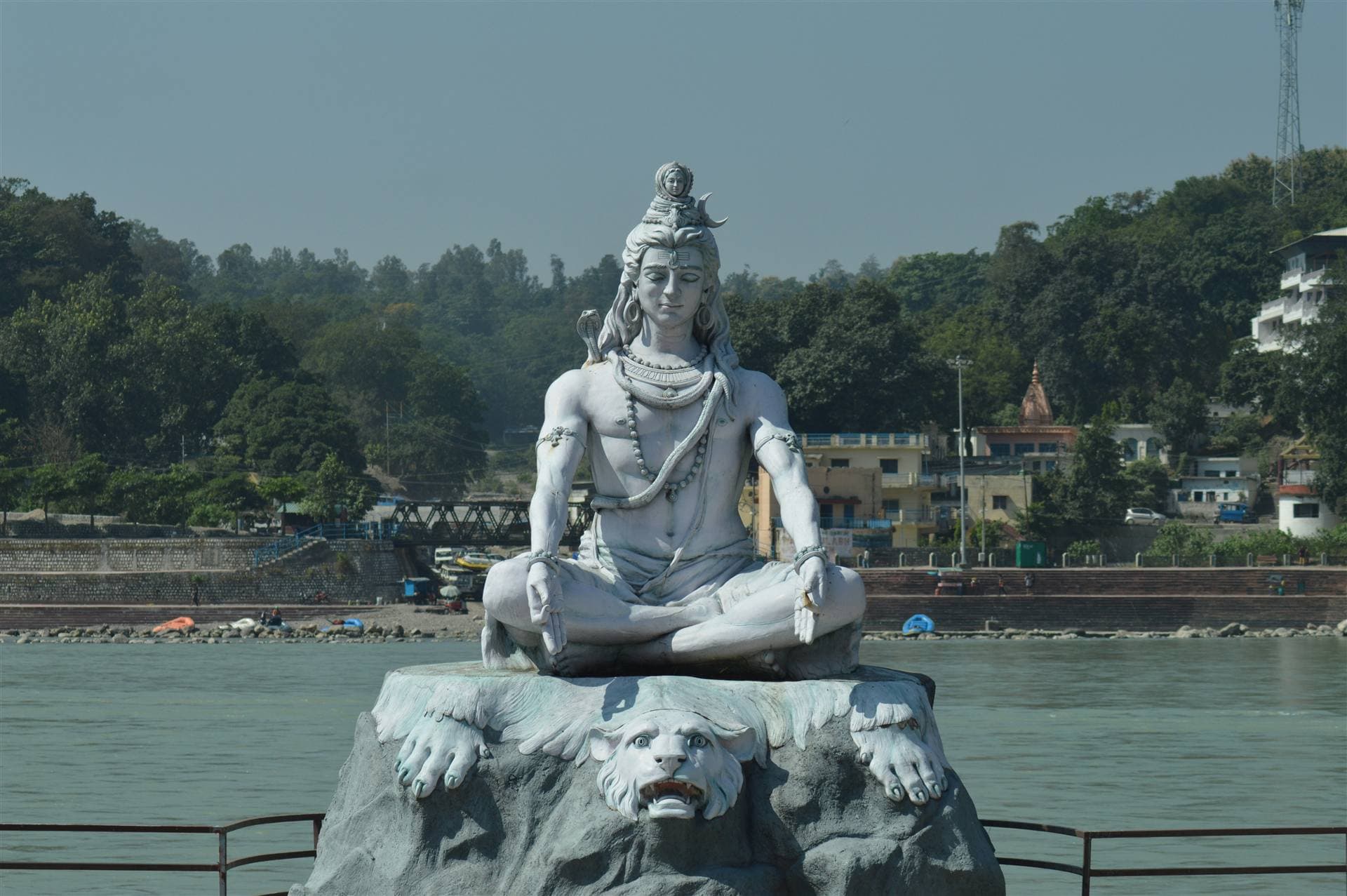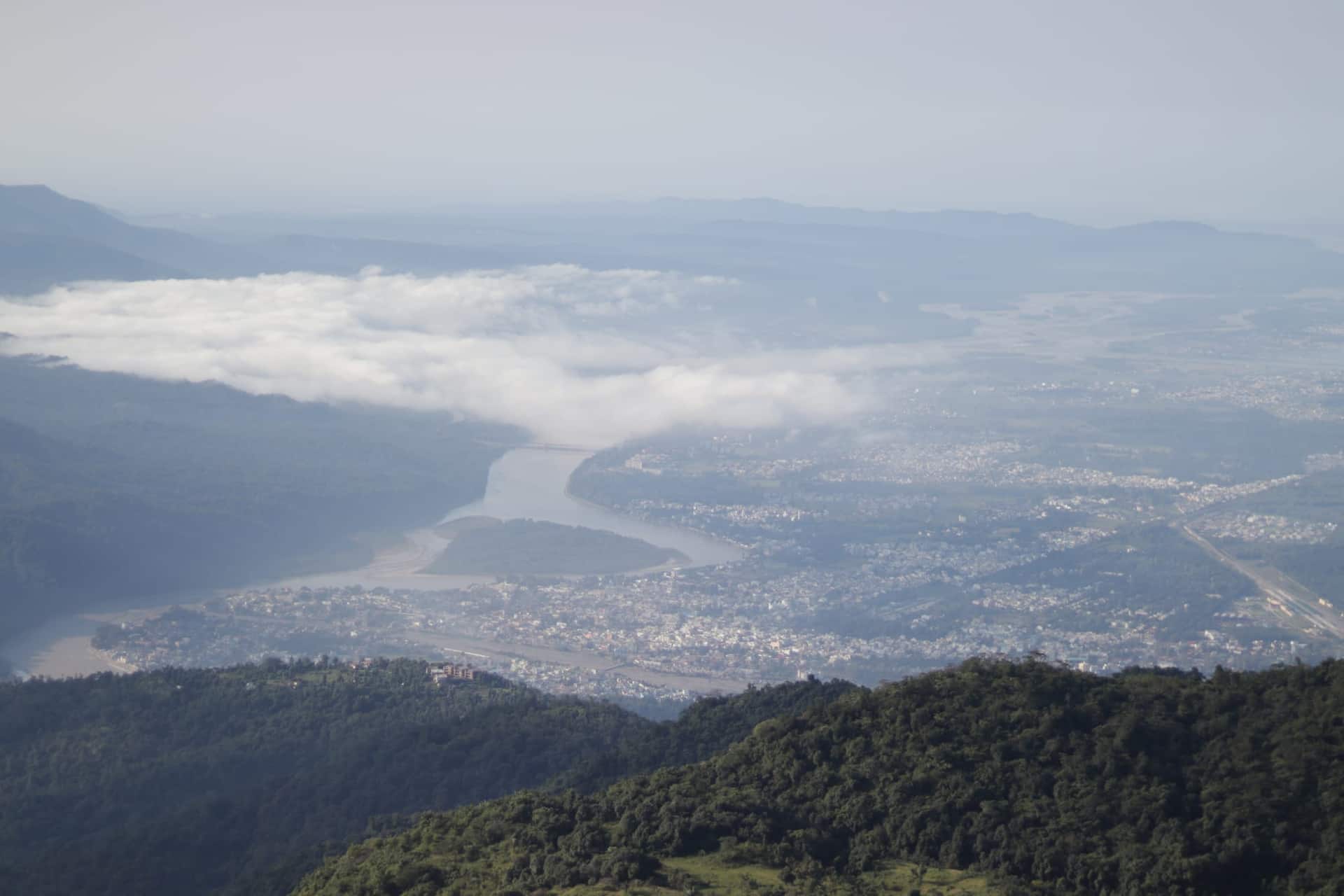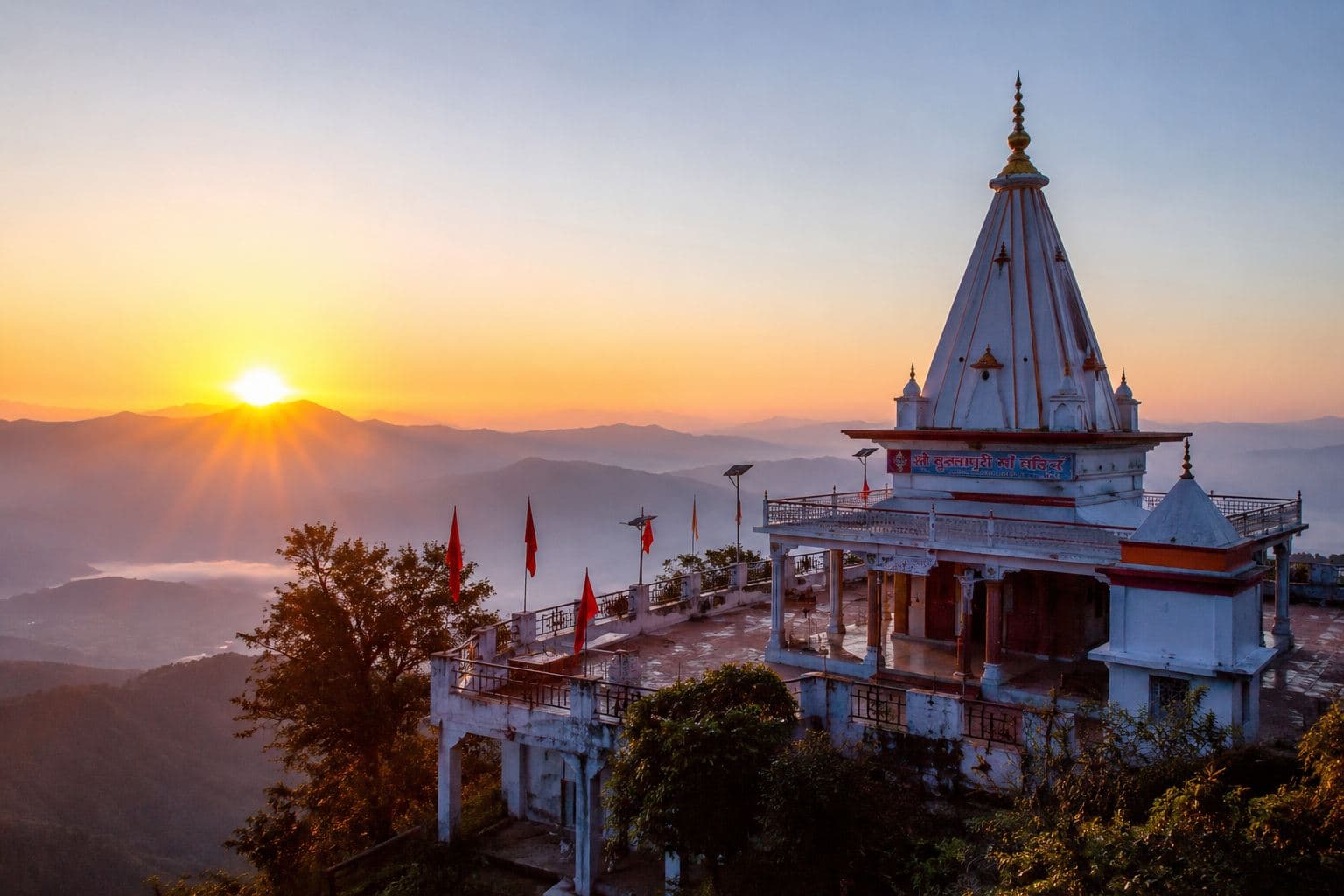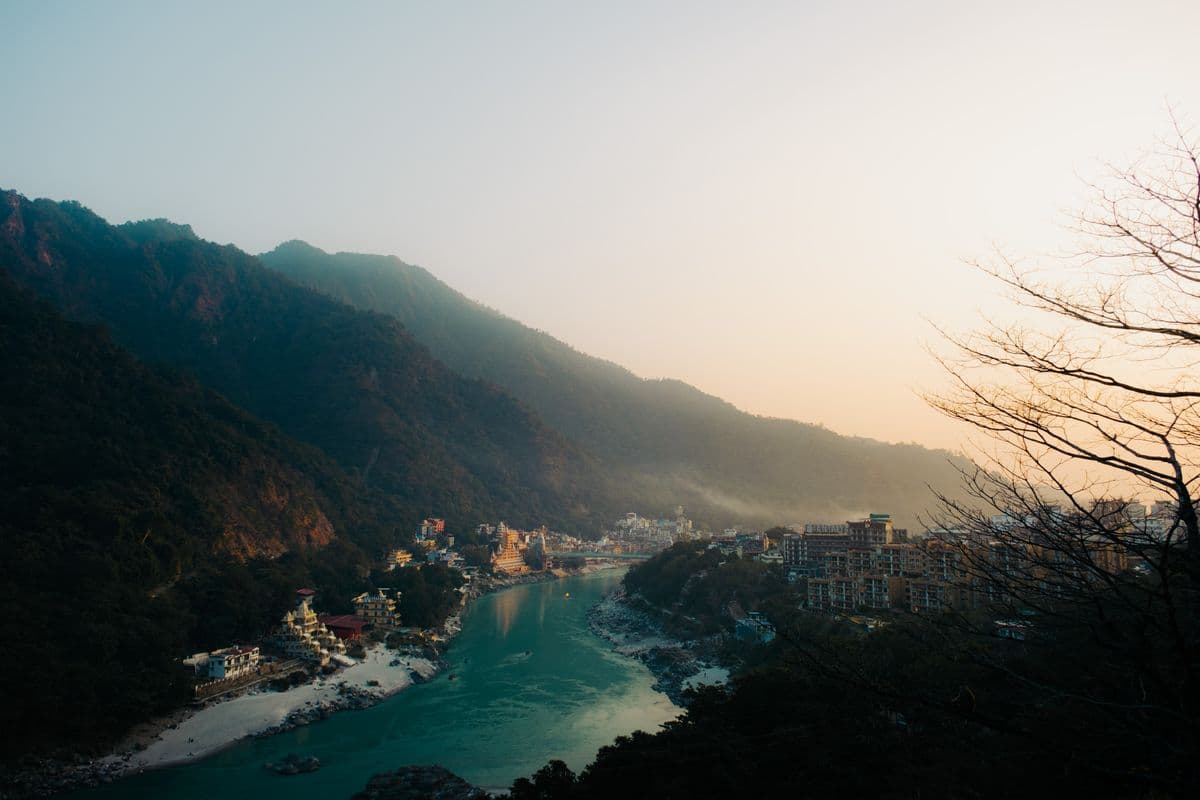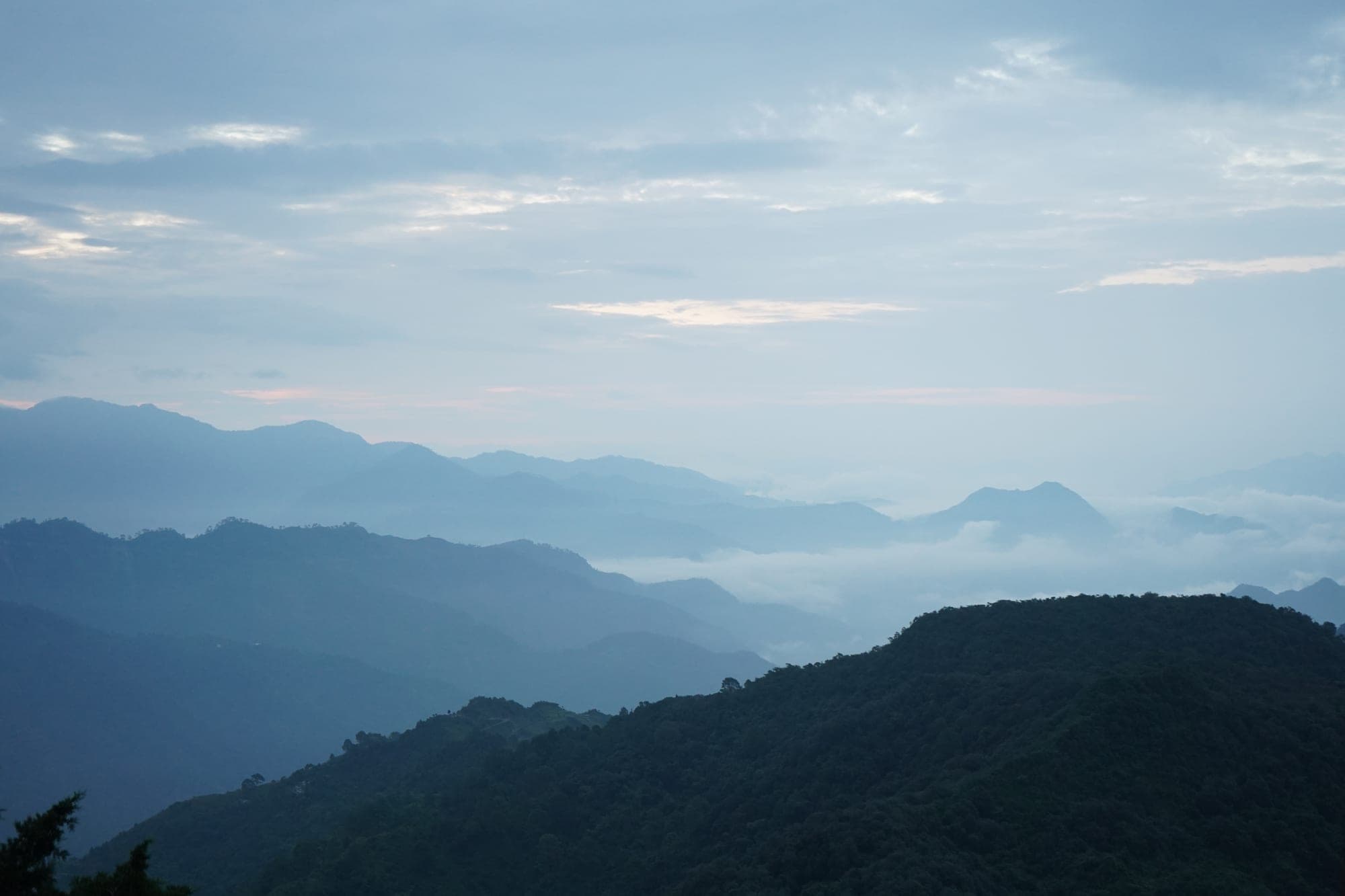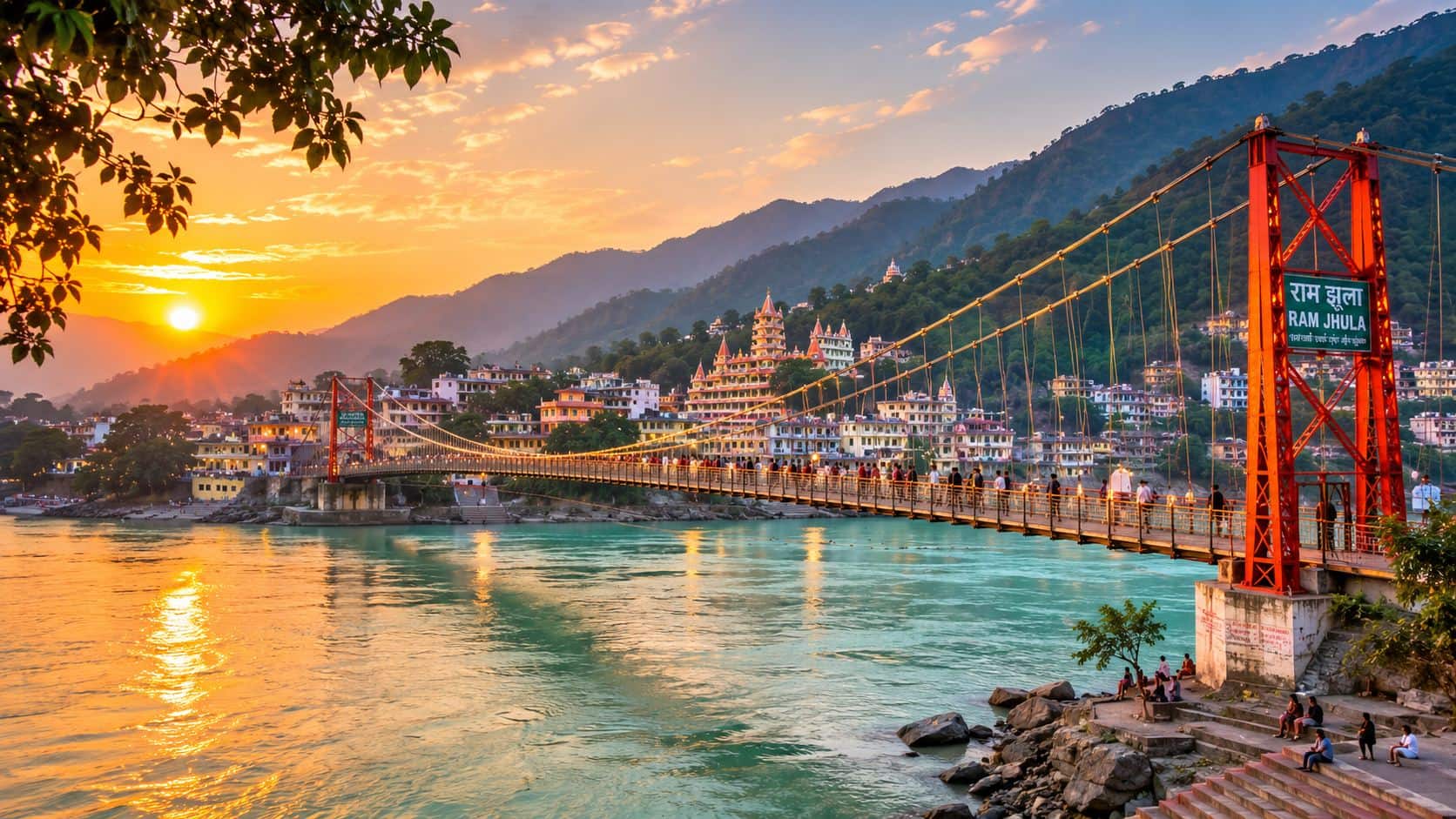
Most people drive straight past it. The road out of Rishikesh towards Neelkanth Mahadev climbs steadily into the hills, and somewhere along the way there is a break in the trees, a few parked bikes and a path heading into Rajaji Forest. Follow it and you get Patna Waterfall — water coming down a rock face in a forest gorge, at the end of a walk almost nobody on that road bothers to make.
Where it is, and why it gets skipped
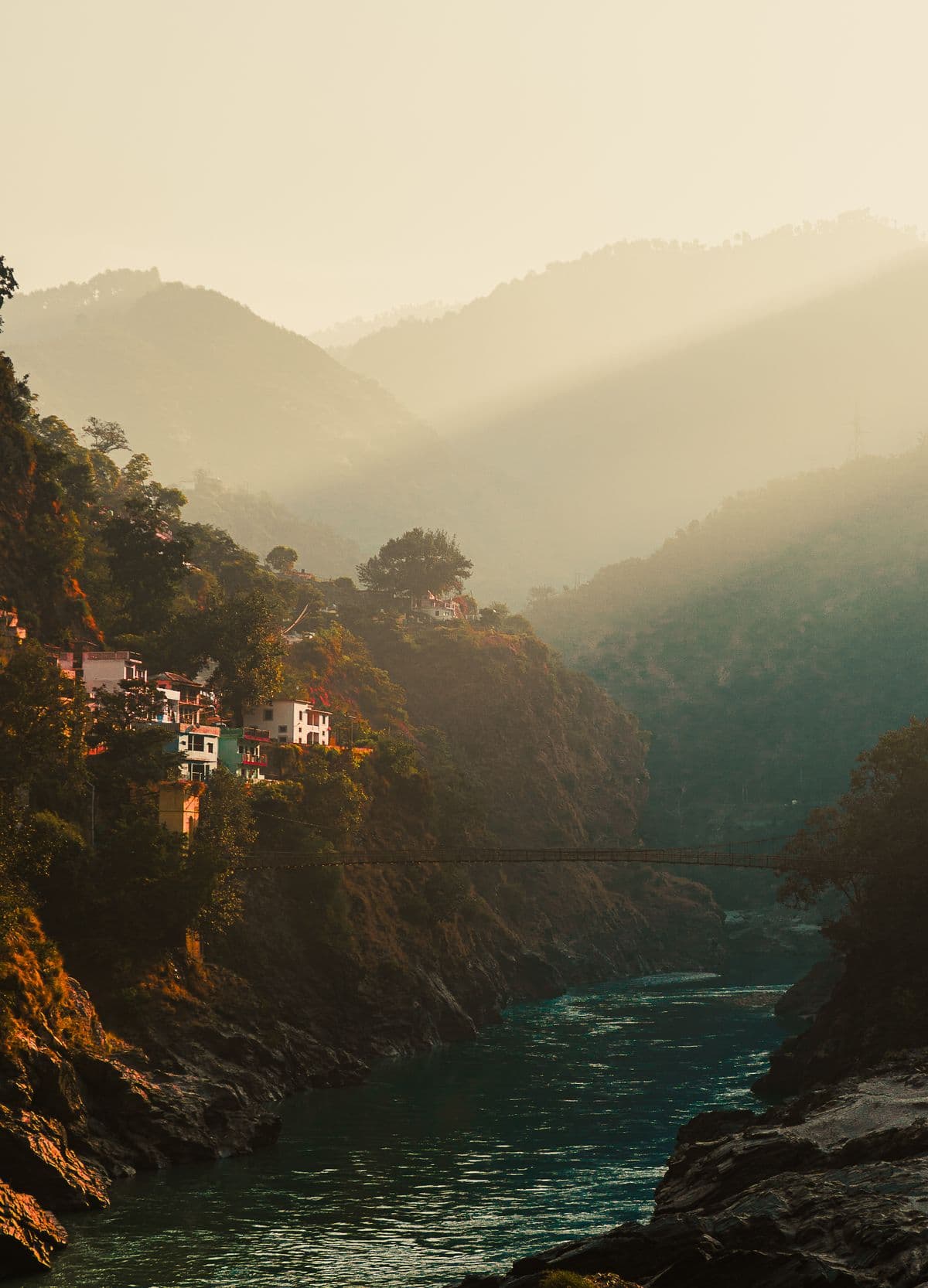
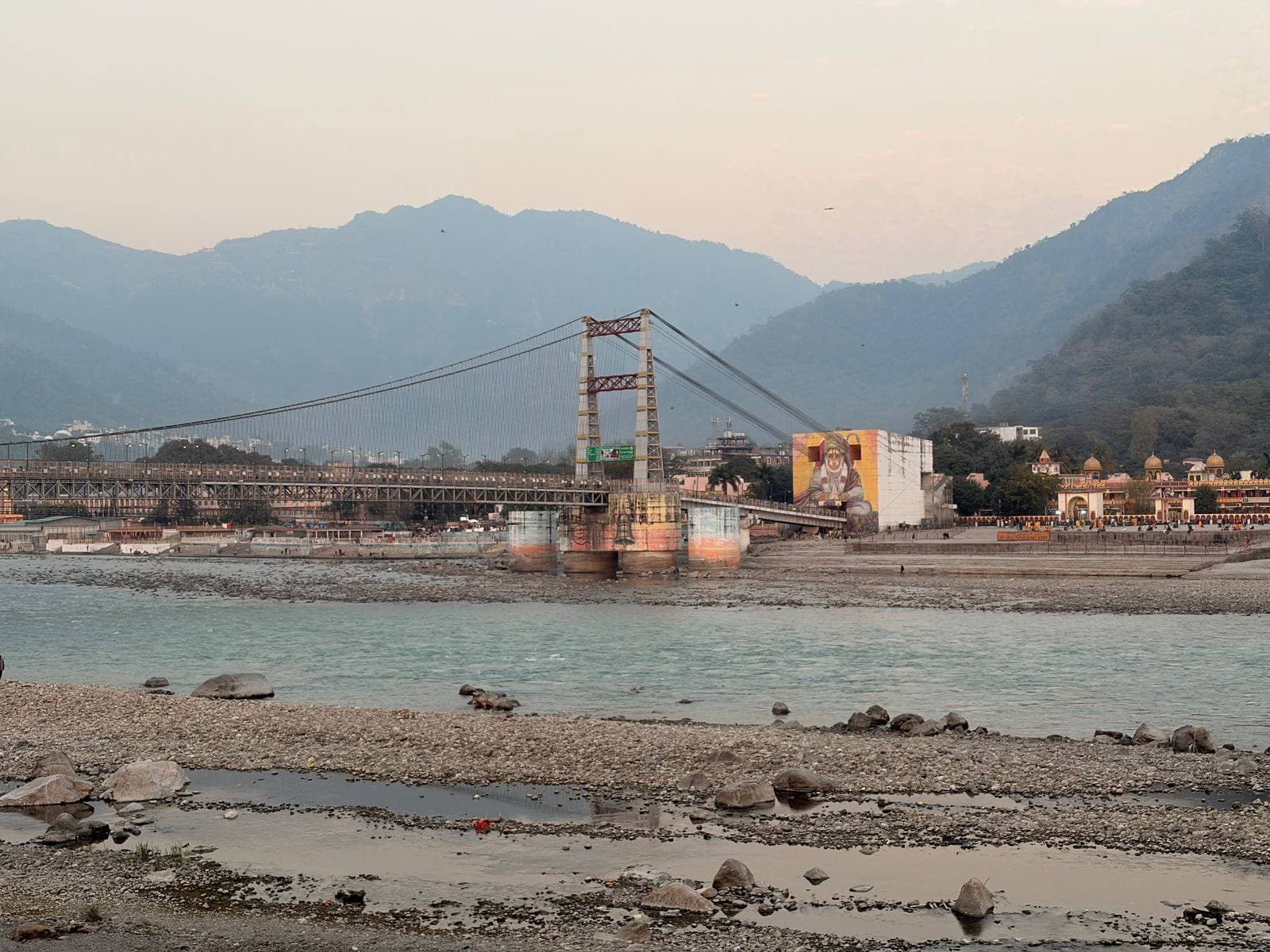
Patna Waterfall sits above Rishikesh on the far side of the Ganga, off the Neelkanth Temple road, in the forest that covers this corner of Uttarakhand. The name is said to come from a village of the same name in the hills nearby — nothing to do with the city in Bihar, which throws people off when they go looking for it online.
The turn-off is undramatic and easy to miss at driving speed. There is usually a forest department entry point at the start of the path, because you are walking into Rajaji Forest land rather than open hillside. Pilgrims and day-trippers heading up to the temple keep going. That is most of the reason the walk stays as quiet as it does.
What the walk is actually like
It is a walk rather than a trek, but it is not a stroll either. The path leaves the road and climbs through forest — packed earth and stone, tree roots, loose rock in places, and a stream bed you cross and re-cross depending on how much water is coming down that week. It is short enough that you do not need to build the day around it, and slow enough that you should not expect to rush it.
The forest does most of the work. It stays cool under the canopy even when the town is baking, and you hear more than you see: water somewhere ahead of you, birds, the occasional troop of monkeys moving through the branches. Keep food out of your hands and your bag zipped and they will ignore you.
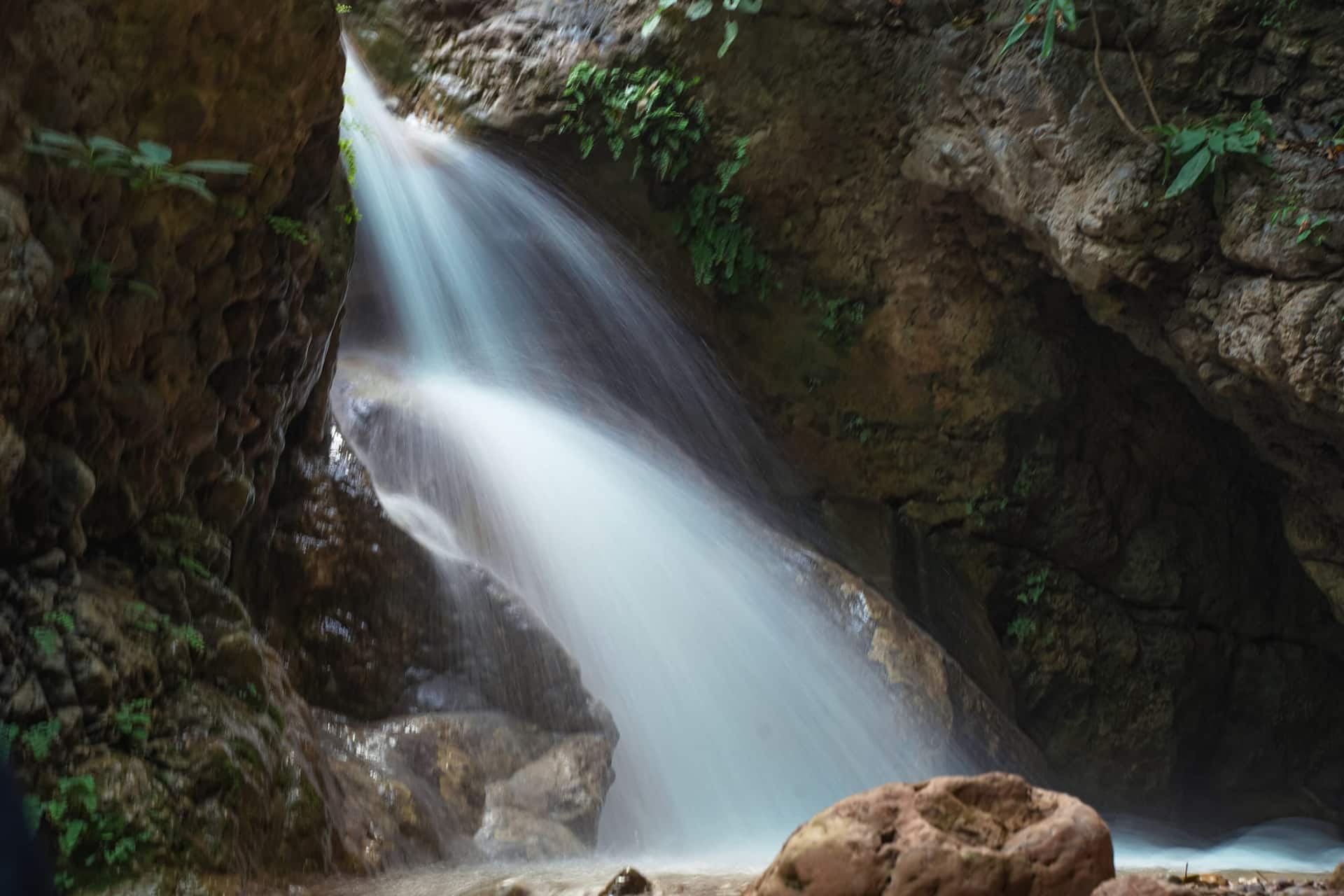
The fall itself is smaller than photographs of it tend to suggest, and better than that makes it sound. Water comes down the rock into the pool at the bottom of the gorge, and that is the whole of it: no railing, no viewing platform, no signboard telling you what you are looking at. Wet rock, ferns, and a great deal of noise in the right season.
Ask around Rishikesh and someone will mention a cave in the rock at the falls. Worth knowing about; not worth planning the day around, and not worth scrambling over wet stone on your own to go looking for. The pool and the walk in are the reason to come.
Everyone on that road is on their way somewhere more famous. Step off it and the forest is more or less yours.
When it actually runs
The honest answer about Patna Waterfall near Rishikesh is that it is seasonal. It depends on rainfall rather than on melt off the high peaks, so it runs hardest through the monsoon and in the weeks that follow it. That is when the fall is properly loud and the pool below is worth the walk. Late in the dry season it can thin to a trickle, and people who go in the wrong month come back wondering what the fuss was about.
Just after the rains is the window most locals would pick: full water, the forest at its greenest, and a trail that dries out between showers. During heavy rain itself the path turns slick and the crossings rise. Forest routes in the Himalayan foothills also close for stretches of the year for reasons that have nothing to do with the weather on the day, so ask someone in Rishikesh before you ride out rather than finding out at the gate.
Footwear, and the rest of the short list
People turn up at Patna Waterfall in flip-flops, and footwear is the one thing most worth getting right. Wet rock beside a waterfall is genuinely slippery, and the last stretch of the path is uneven enough that a rolled ankle is a real outcome, a long way from a road.
- Wear: Trainers or trail shoes with grip you can afford to get wet. Not sandals, not new white sneakers.
- Bring: Water, a dry bag or plastic sleeve for your phone, and a small towel if you plan to stand under it.
- Watch for: Leeches on damp forest trails in the monsoon months — long socks help, and locals carry a pinch of salt for them. Monkeys near the path, too.
- Best time of day: Morning. Cooler walking, better light in the gorge, and far fewer people at the pool.
Pairing it with Neelkanth
The waterfall and the temple are on the same road, which makes them one outing instead of two. The order that works is to ride up to Neelkanth Mahadev first, stop at Balkumari Devi on the way back down, and finish with the forest walk — the climb and the darshan get done while the road is still quiet, and the whole loop is behind you by the middle of the day. Doing it in reverse works too; it just pushes the temple into its busiest hours.
If you are riding a scooty, that stretch of road is one of the better ones near Rishikesh — forested, quiet, and climbing steadily the whole way. Go slowly, watch for monkeys sitting on the tarmac around blind corners, and do not plan on riding it after dark.
How this fits into a trip with us
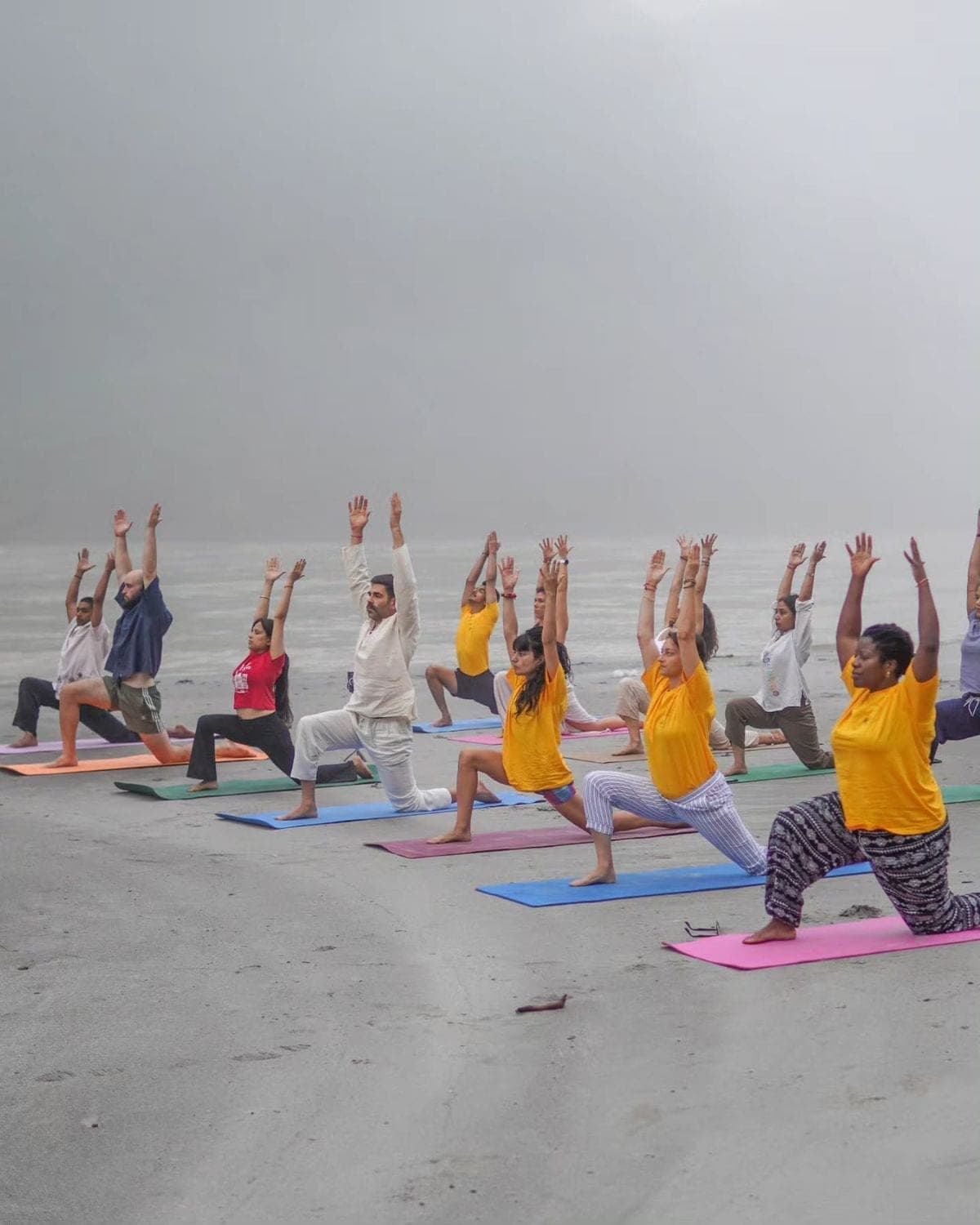
Patna Waterfall is part of Rebirth, our six-night retreat. It sits on the same scooty loop as Neelkanth Mahadev and the Balkumari Devi temple, so the ride, the forest walk and both temples land on one day rather than being spread thinly across three.
Your host times it for the season and for the hour — an early start, the walk done before the afternoon, and the ride back off that road long before the light goes. If the fall is down to a trickle that month, your host will tell you before you set out rather than let you find out at the pool.