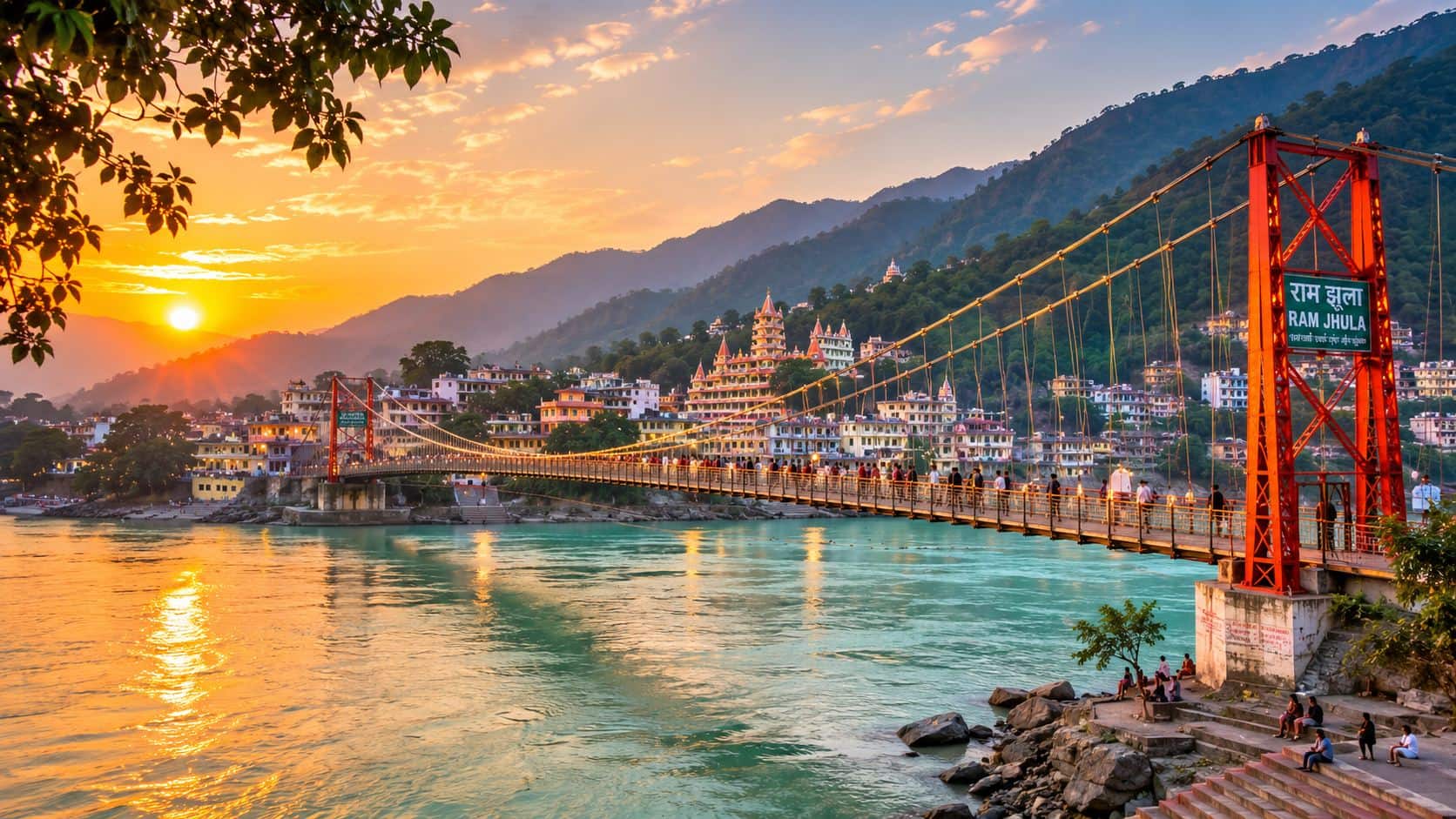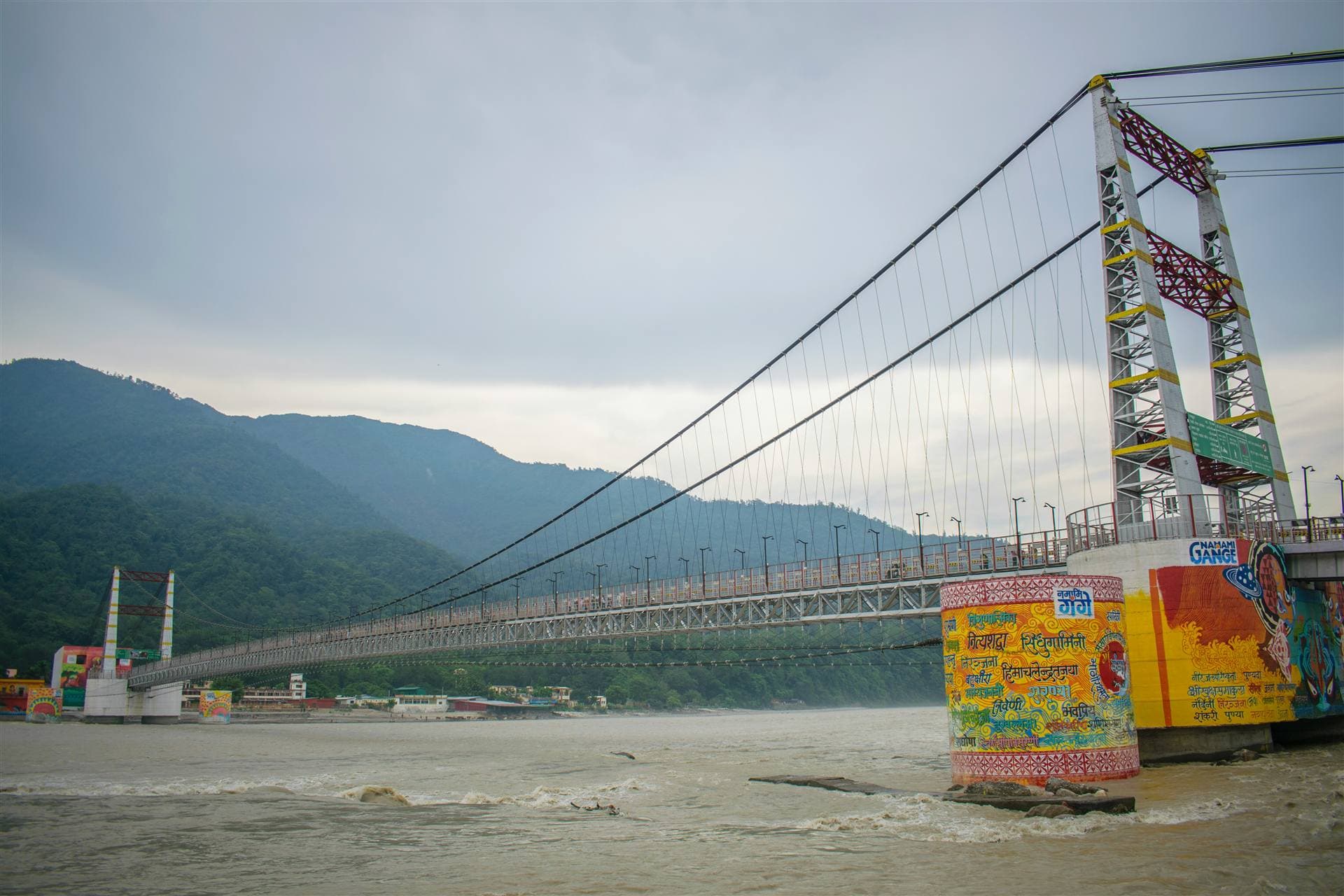
Three footbridges carry people over the Ganga in the part of Rishikesh most visitors walk. Two of them you already know from photographs. The third is Janki Setu, it sits roughly between the other two, and it is usually the calmest of them to be on. Plenty of visitors cross it without ever learning its name.
Where it sits, and what people call it
Janki Setu spans the Ganga between Ram Jhula and Laxman Jhula. It joins the same two banks the older bridges join, only at a point in between them. You will also see it written as Janki Jhula, or simply Janki Pul, and all of those names point at the same crossing.
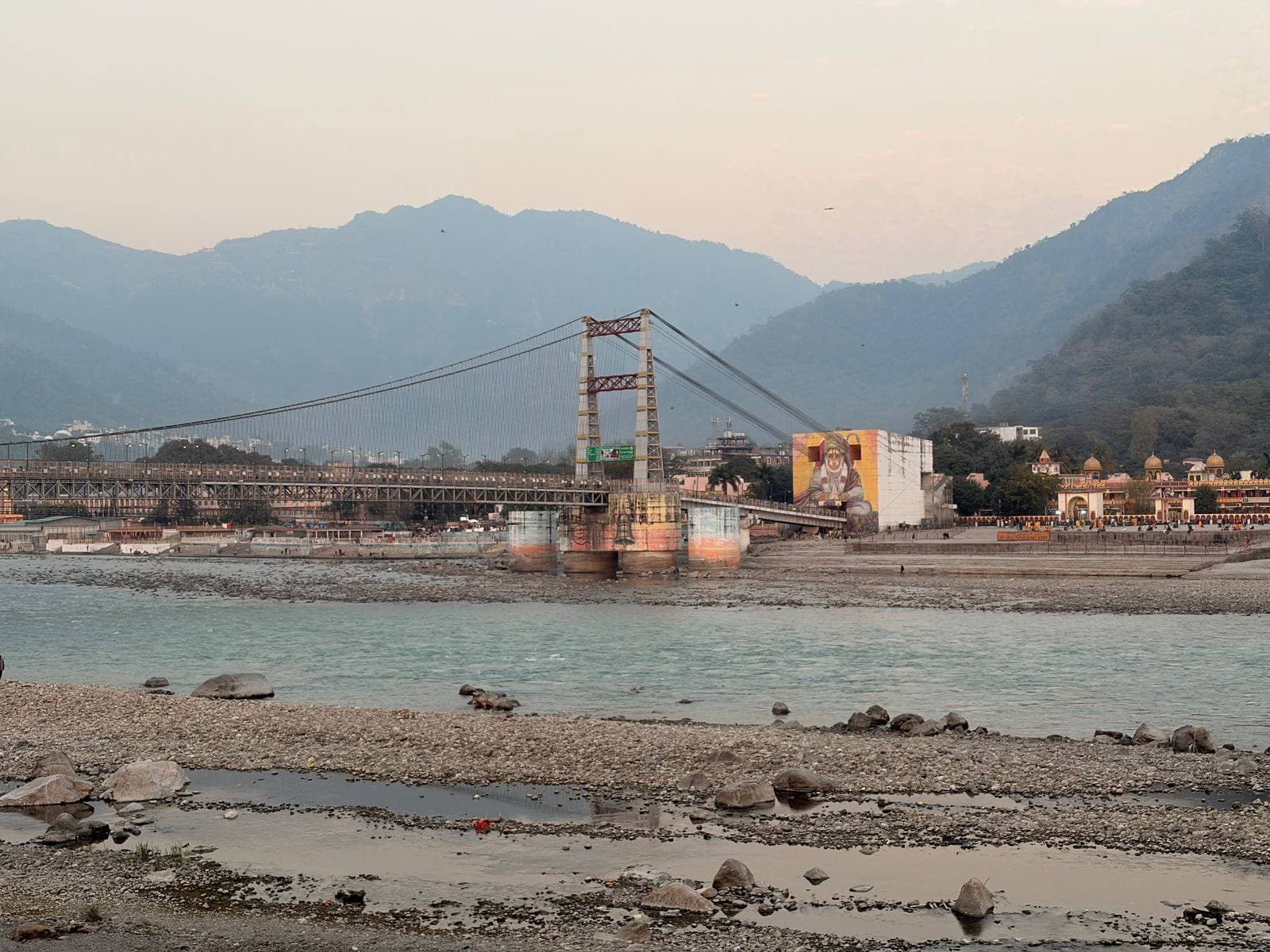
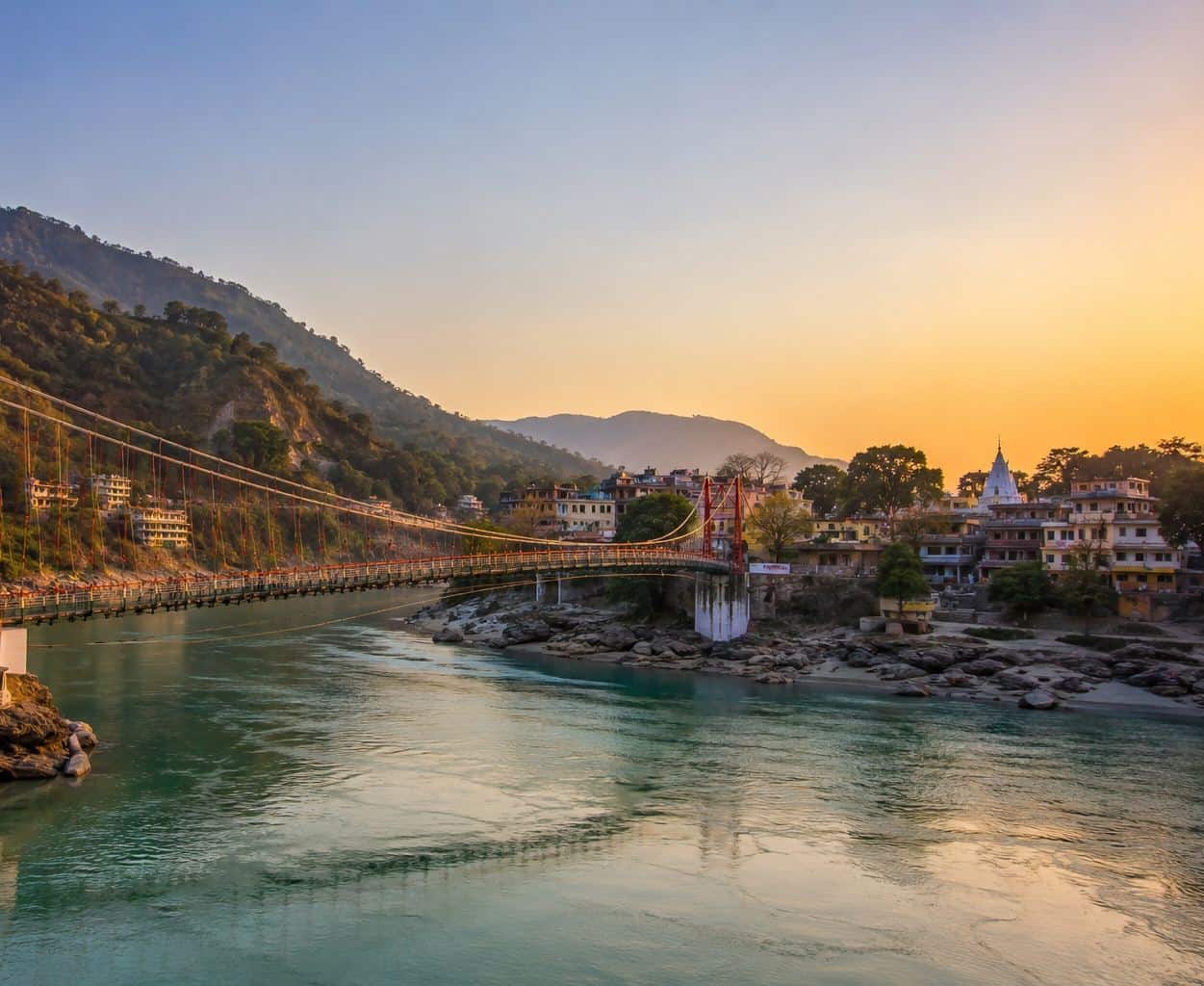
It was built long after the other two, and it looks it. Tall painted towers at each end, cables dropping in a long even curve, a broad walking deck with lamps down the length of it, and piers painted in reds and yellows standing in the water. Because it came late, it carries none of the story the other two carry. Laxman Jhula has its legend and its temples. Ram Jhula has the ashram quarter and the aarti crowds at its far end. Janki Setu just has the job of getting people across the river, and it does that job more comfortably than either of them.
Why it is calmer than the other two
The older bridges are narrow, and both of them land you straight into something busy. Shopfronts, chai stalls, temple steps, luggage, cows, somebody trying to get a scooter through a gap that is not there. Crossing them is enjoyable, but it is a negotiation, and standing still in the middle to look at the water makes you an obstacle.
Janki Setu is wider. Two people can walk side by side without breaking apart every time somebody comes the other way. The approaches at both ends are plainer than the market squeeze at the older crossings, so the flow of people is thinner and steadier. Most of the people on it are crossing because they need to be on the other bank, not because the bridge is on a list. You can stop in the middle here. That single difference is the whole reason to walk it.
The view from the middle
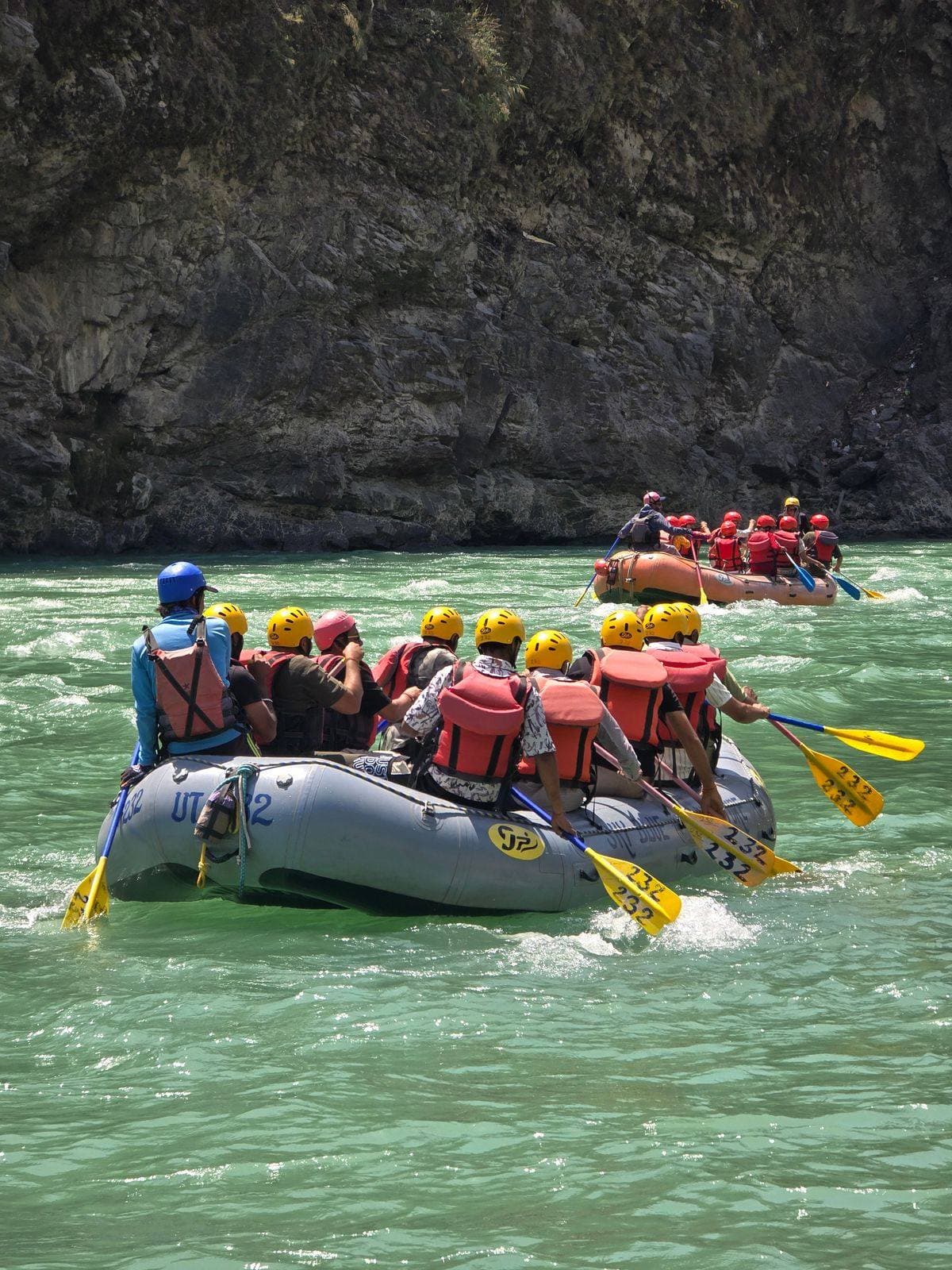
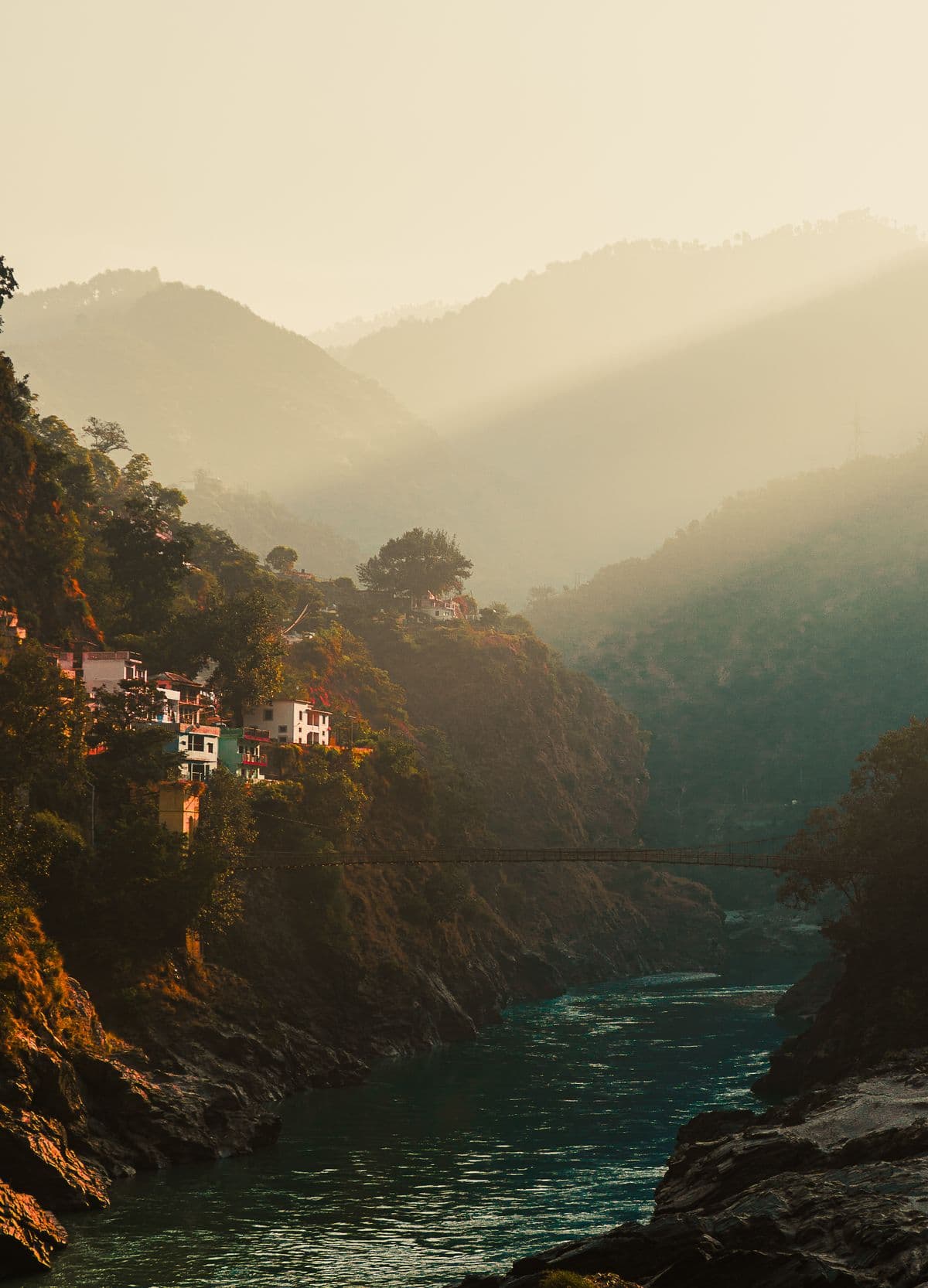
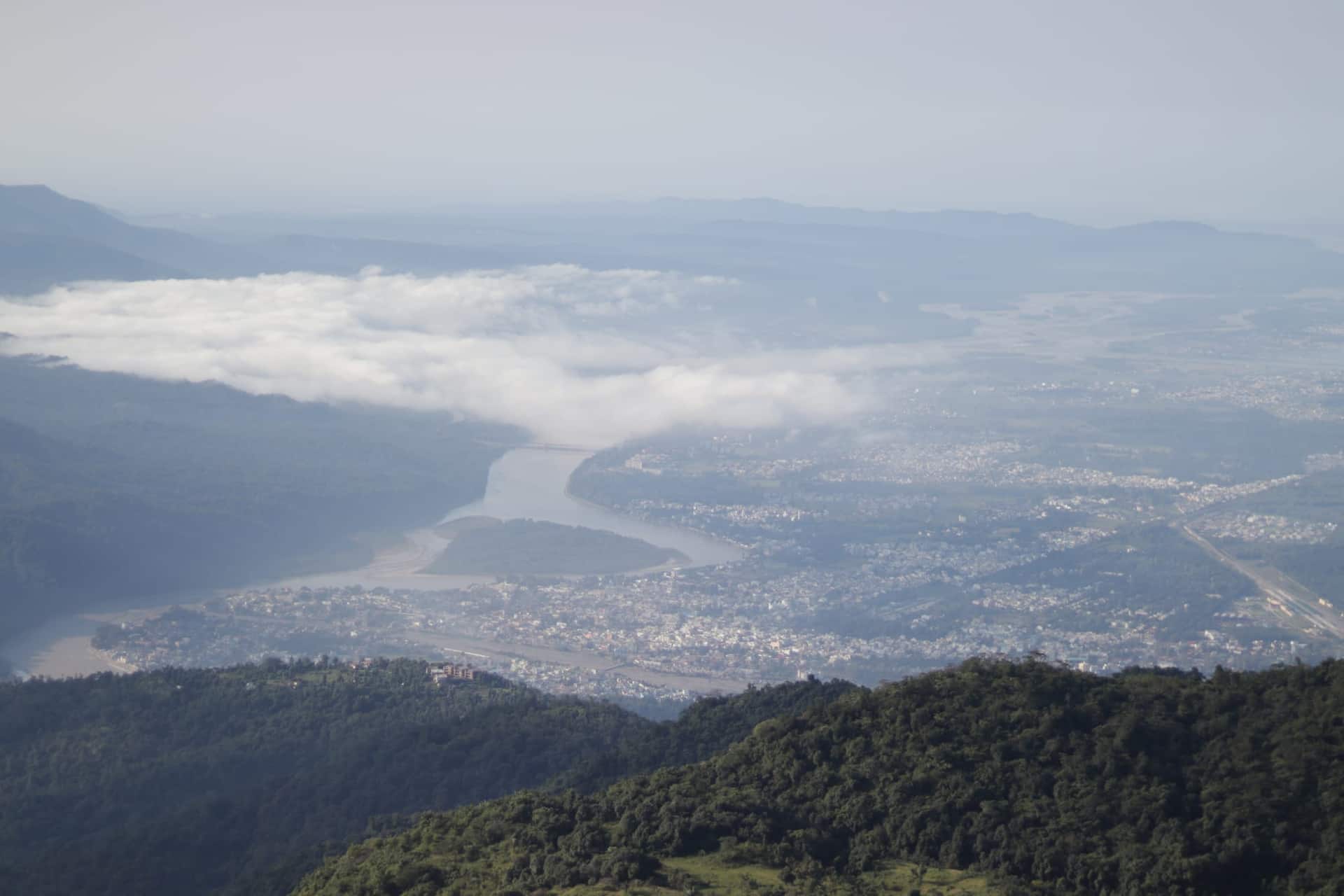
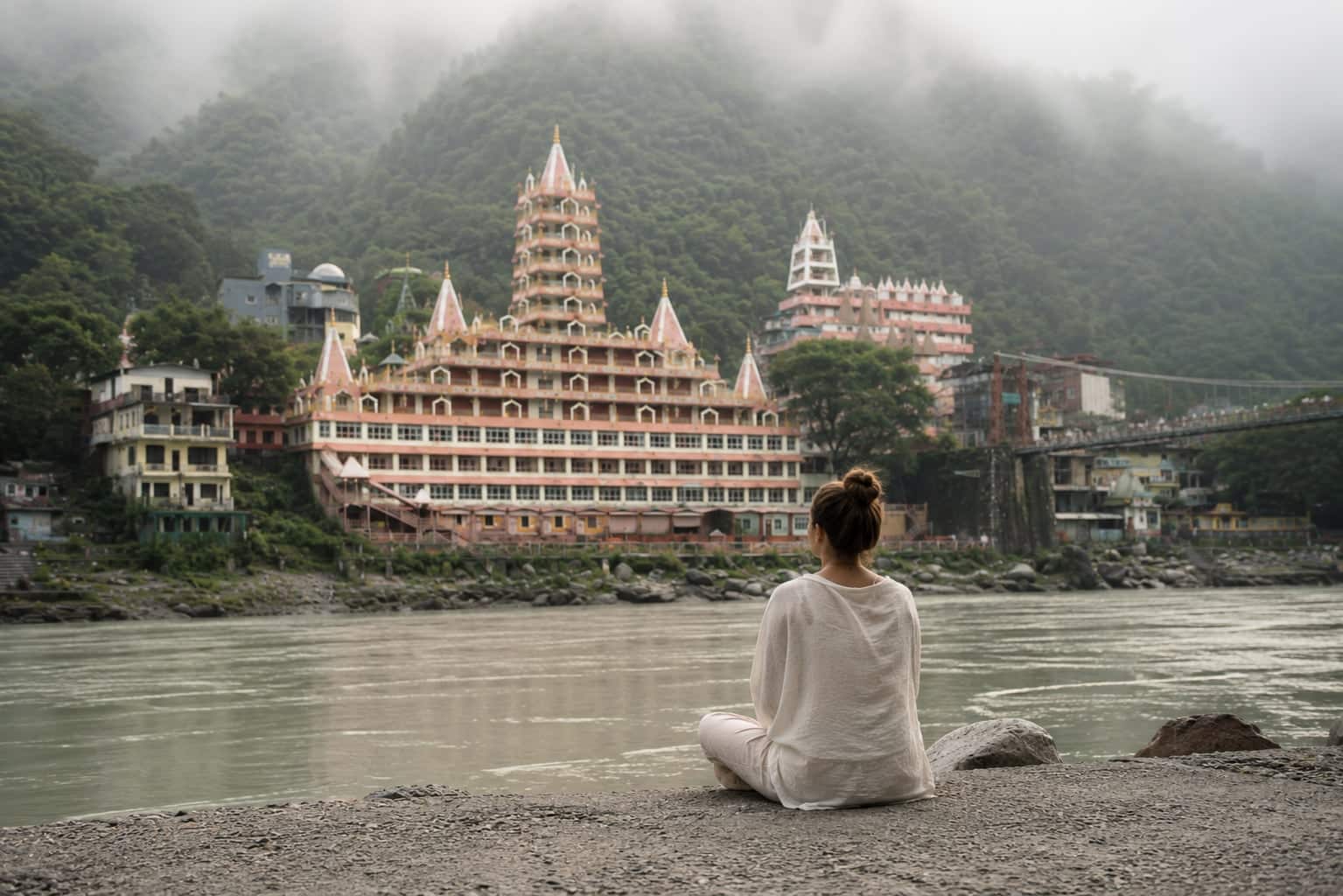
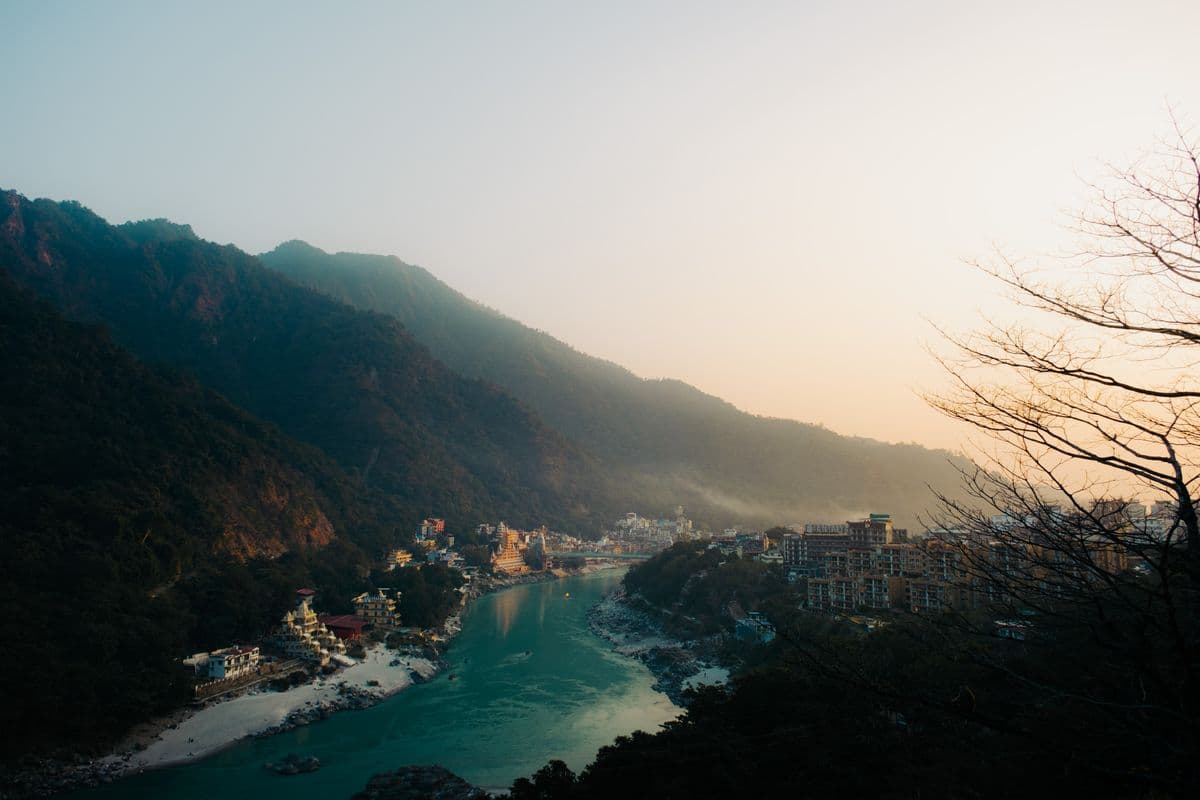
From halfway across, the Ganga runs wide and open underneath you and the forested hills stack up on both banks. Look upstream and downstream and you get the town from an angle the lanes never give you: ghats stepping down into the water, rooftops and temple towers behind them, and in season the rafts coming through below.
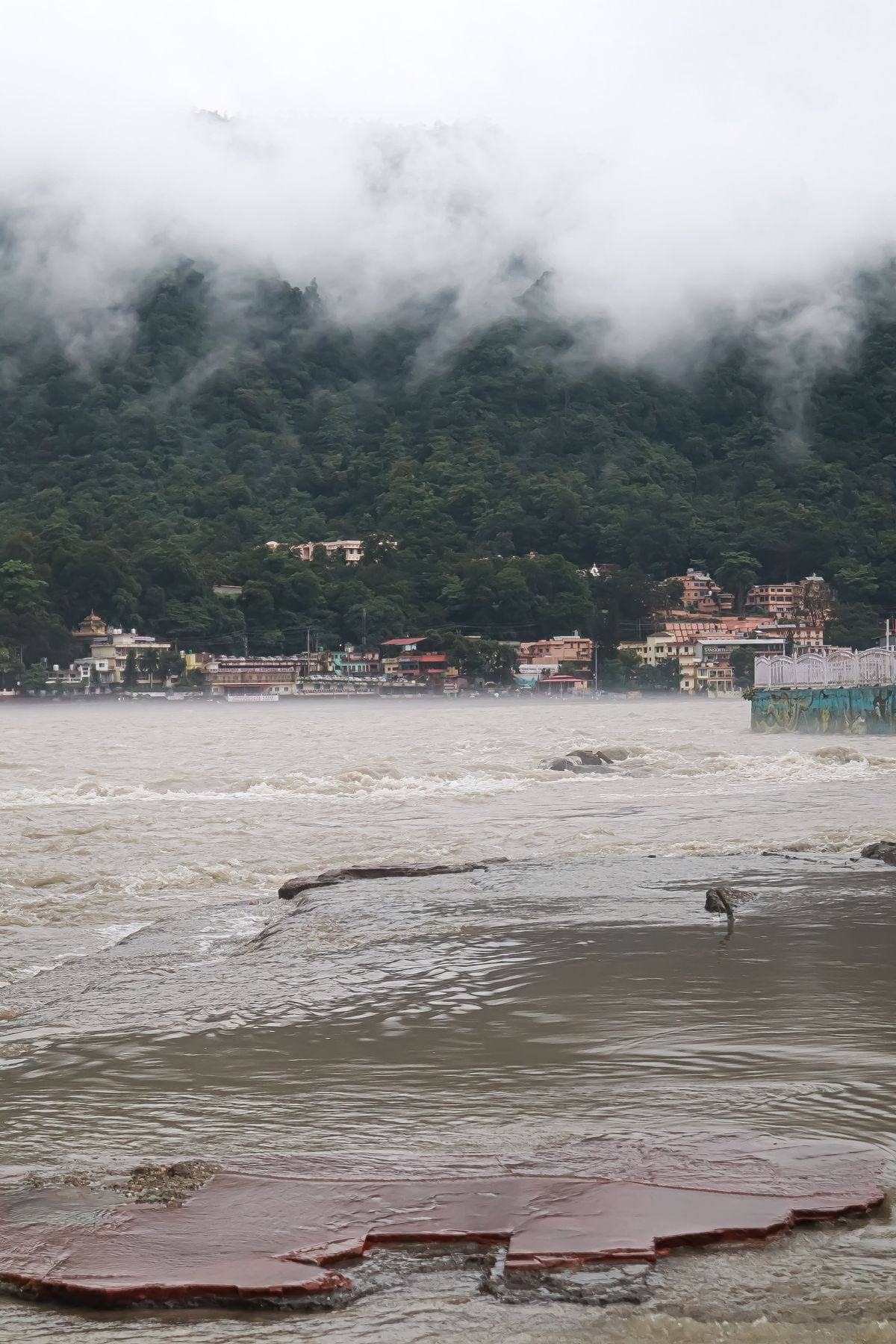
The river changes character through the year, and this is a good seat for watching it do that. In the drier months it runs clear and green and slow. In monsoon it turns heavy and brown and loud, moving with a weight that is genuinely humbling to stand above. If the deck shifts a little under a crowd, that is ordinary for a bridge hung on cables. Keep a hand near the rail if it bothers you, and it will stop bothering you by the far end.
On the other two bridges you cross the river. On this one you can actually stand and look at it.
How the three bridges compare for walking
They are not competing, and you should walk all three. But they are good for different things.
- Laxman Jhula: the famous one. Best for atmosphere, the cafés and lanes at both ends, and the photograph everybody comes for. Narrow and busy.
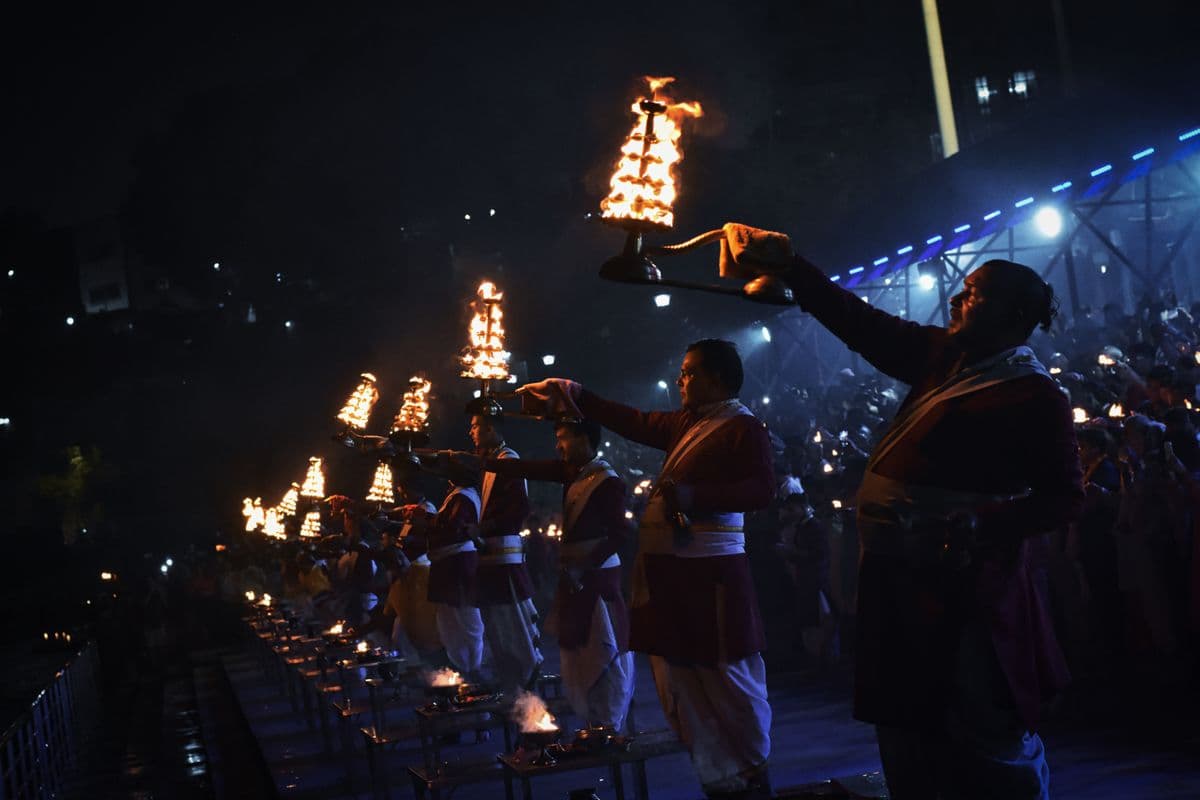
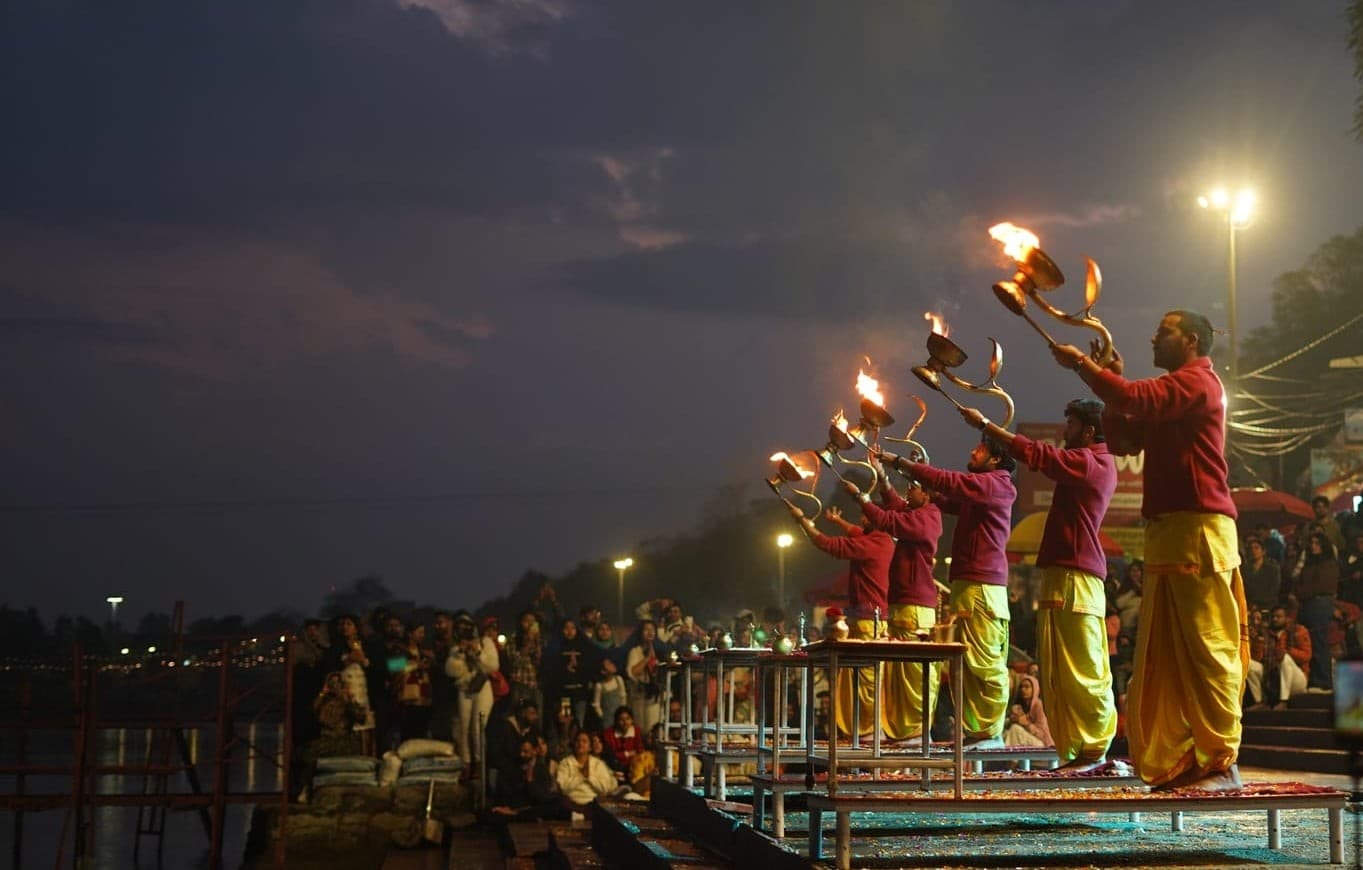
- Ram Jhula: the pilgrim crossing. Best for the Swarg Ashram side — ghats, market lanes, evening aarti. Busy in a slower, more devotional way, and thickest before dark.
- Janki Setu: the calm one. The widest deck of the three, the fewest interruptions, and the most open view of the river. Best when the walking itself is the point.
The obvious loop is to use two of them: cross on one, walk the bank, come back on another. Do Laxman Jhula out and Ram Jhula back and you are in the crowd both ways. Swap one leg for Janki Setu and the return walk becomes the quiet part of the afternoon instead of more of the same.
Which leg you give it depends on what you want from the day. Walk out over Janki Setu early, while the deck is empty and the light is still low, then come back through the lanes when the shops are properly open and the town has woken up. Or do it the other way round: spend the middle of the day in the market and the cafés, and keep the bridge for the walk home, when you would rather look at the river than at the back of somebody’s rucksack.
When to walk it
Early morning is the best of it. The light comes in low across the water, the hills are still holding mist, and there is hardly anybody on the deck. Late afternoon into dusk is the other good window, when the river goes gold and the town starts moving toward the ghats. There are lamps down the length of the deck, so a crossing after dark is a pleasant walk rather than a chore.
Skip the middle of the day. There is no shade out there, the glare comes off the water straight into your eyes, and nothing about the view improves for the heat. In monsoon, expect wind and a wet rail, and hold on to your hat and your phone — anything you drop from here is gone.
How this fits into a trip with us
Crossing the river on foot is already part of how a day here works. On First Hello, the afternoon walk up to Bhootnath Temple goes over Ram Jhula with your host beside you, so you get the busy crossing without having to work out the route yourself. Janki Setu is the one to keep for your own hours — it is not ticketed, not scheduled, and not something anybody needs to organise for you.
Which is the useful part, really. Your host knows which crossing suits the hour you are actually free, and on the longer packages the bridges stop being sights at all and simply become the way you get from one side of the river to the other.