Walk past Parmarth Niketan on the Swarg Ashram side, keep going where the lanes thin out, and the road starts to climb into forest. Behind a gate up there is a set of abandoned buildings that half of Rishikesh calls the Beatles Ashram and the other half calls Chaurasi Kutia. Both are right. It is the strangest place in town, and it is worth more than the quick pass most visitors give it.
What Chaurasi Kutia actually is
The site was built as a meditation ashram by Maharishi Mahesh Yogi, the teacher who carried Transcendental Meditation out of India and into the West. Its proper name, Chaurasi Kutia, means eighty-four huts — and hut is doing a lot of work in that sentence, because the ones everybody photographs are squat stone domes with a chamber inside and a flat roof on top.
Eventually the ashram emptied out. The land went back to the forest department, everybody moved on, and the jungle came over the walls. For a long stretch it sat locked and quietly famous — people climbed the fence, painted the insides, and told each other about it. It was later opened to visitors as part of the forest reserve, which is why you now buy a ticket at a gate instead of looking for a gap in the wire.
1968, and the record that came out of it
The Beatles came here in 1968 to study meditation with the Maharishi. That is not local embellishment; it is one of the better documented episodes in the band’s history, and it is the reason a ruin in a forest above the Ganga has a name people recognise on the other side of the world.
What they did while they were here matters more than the fact that they turned up. They wrote. Much of what became the White Album was written in Rishikesh, on acoustic guitars, in a place with very little else going on. Stand in the middle of the site now, with birds and wind through the trees and nothing else, and the line between the setting and those songs is not hard to draw.
They did not all stay for the same stretch, and the visit ended less happily than it began. The ashram does not work hard to tell you any of that. There are a few information boards, a lot of empty rooms, and whatever story you arrive with.
The domes, the murals, and the forest
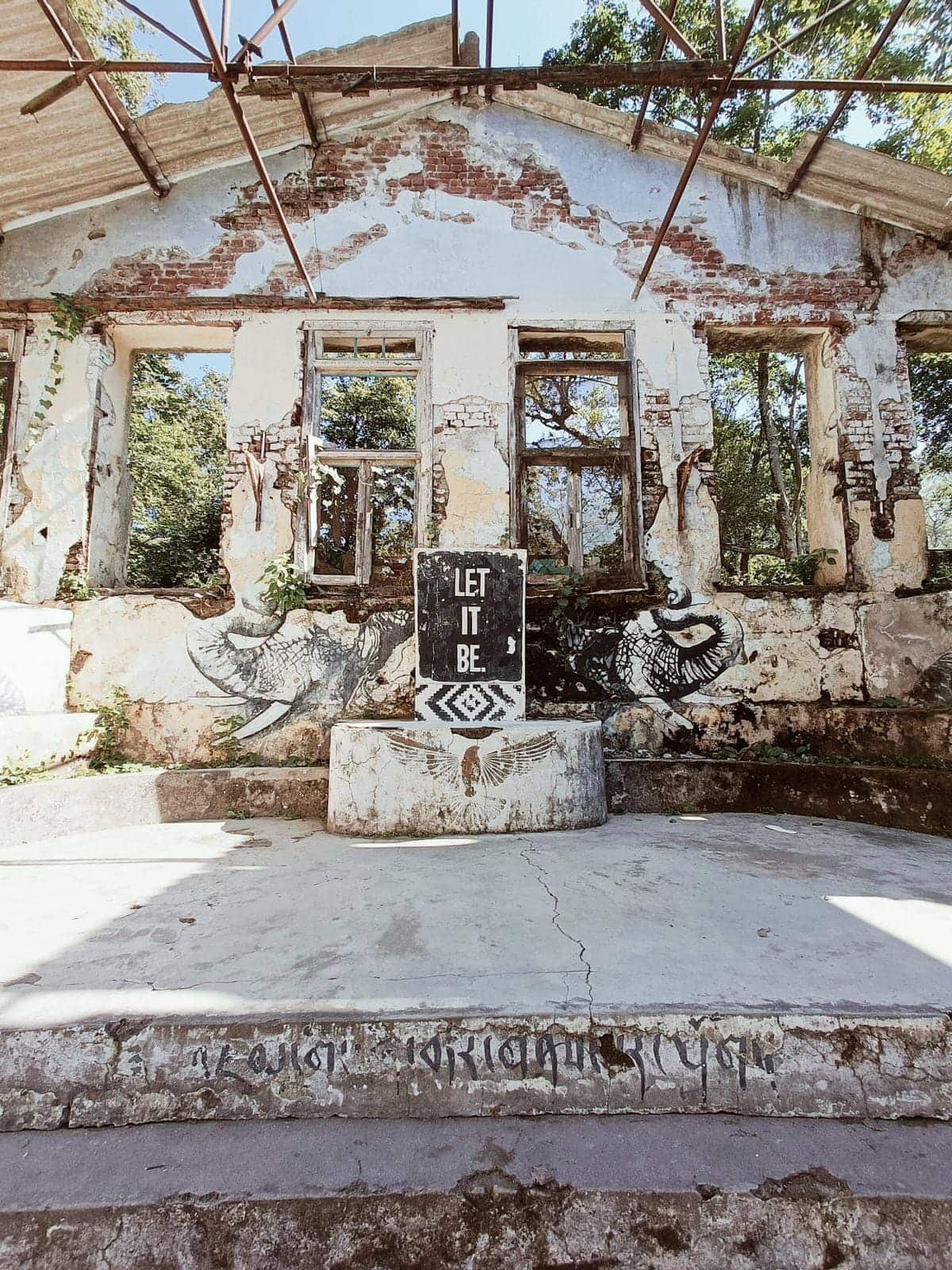
Physically, the site is three things layered on top of each other. There are the meditation cells — clusters of stone domes with narrow doorways and steps up the outside, sitting among the trees like something much older than they are. There are the long accommodation blocks, rows of small rooms now open to the sky, floors soft with leaves. And there is the big hall, painted floor to ceiling.
The graffiti is what people remember. Not scrawl — a lot of it is genuinely good: portraits, lyrics, mandalas, whole walls of colour laid over the work of whoever came before. It changes. What you see will not match the photograph that brought you here, and that is the point of the place rather than a disappointment.
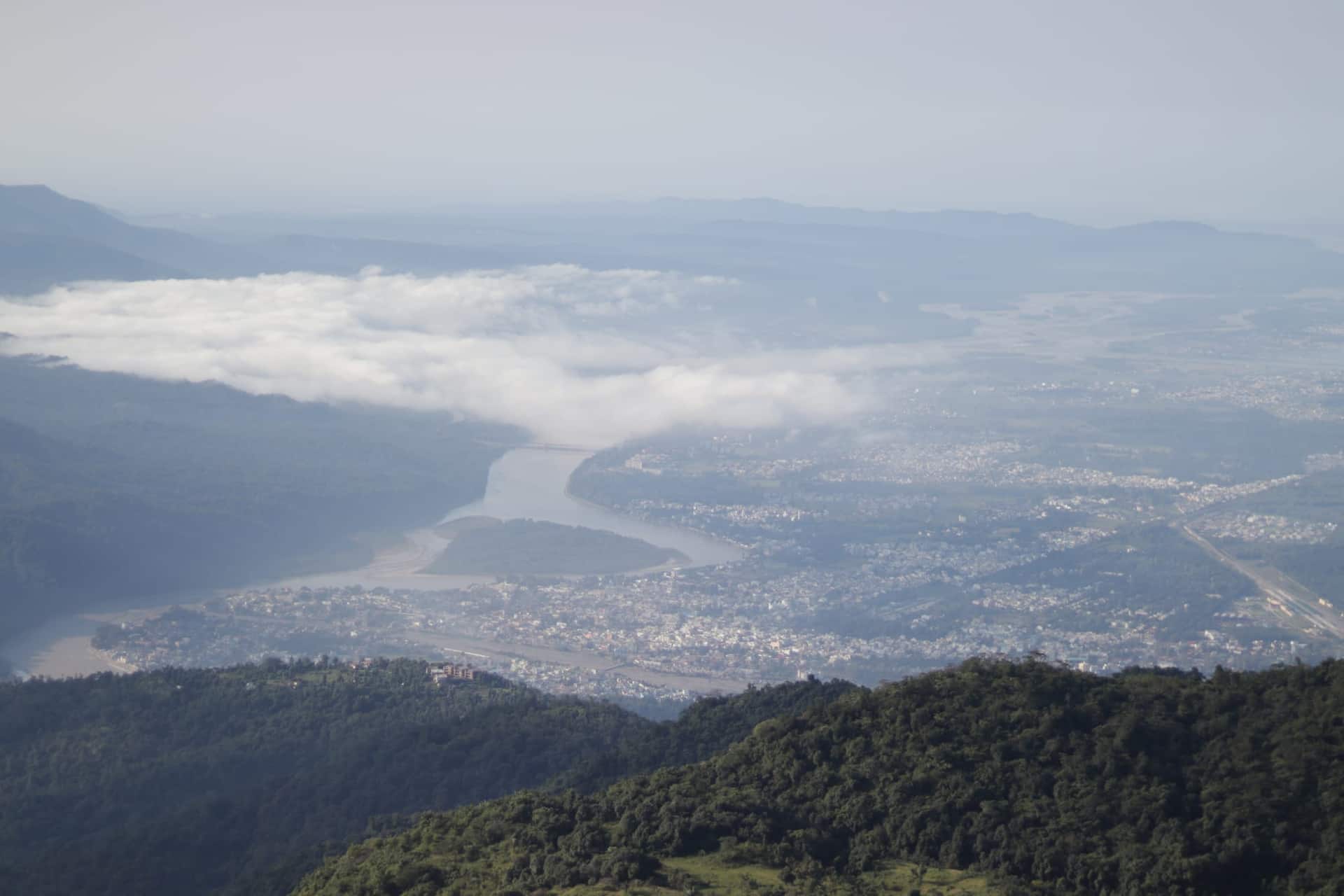
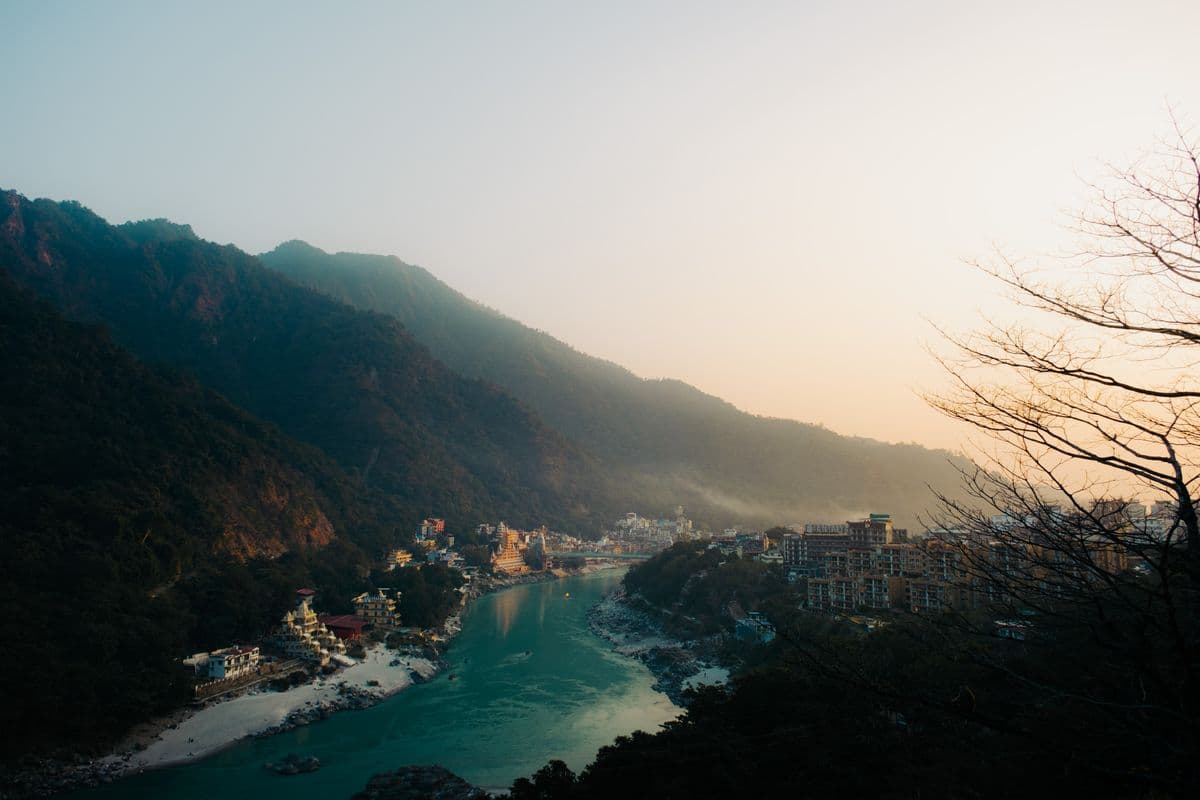
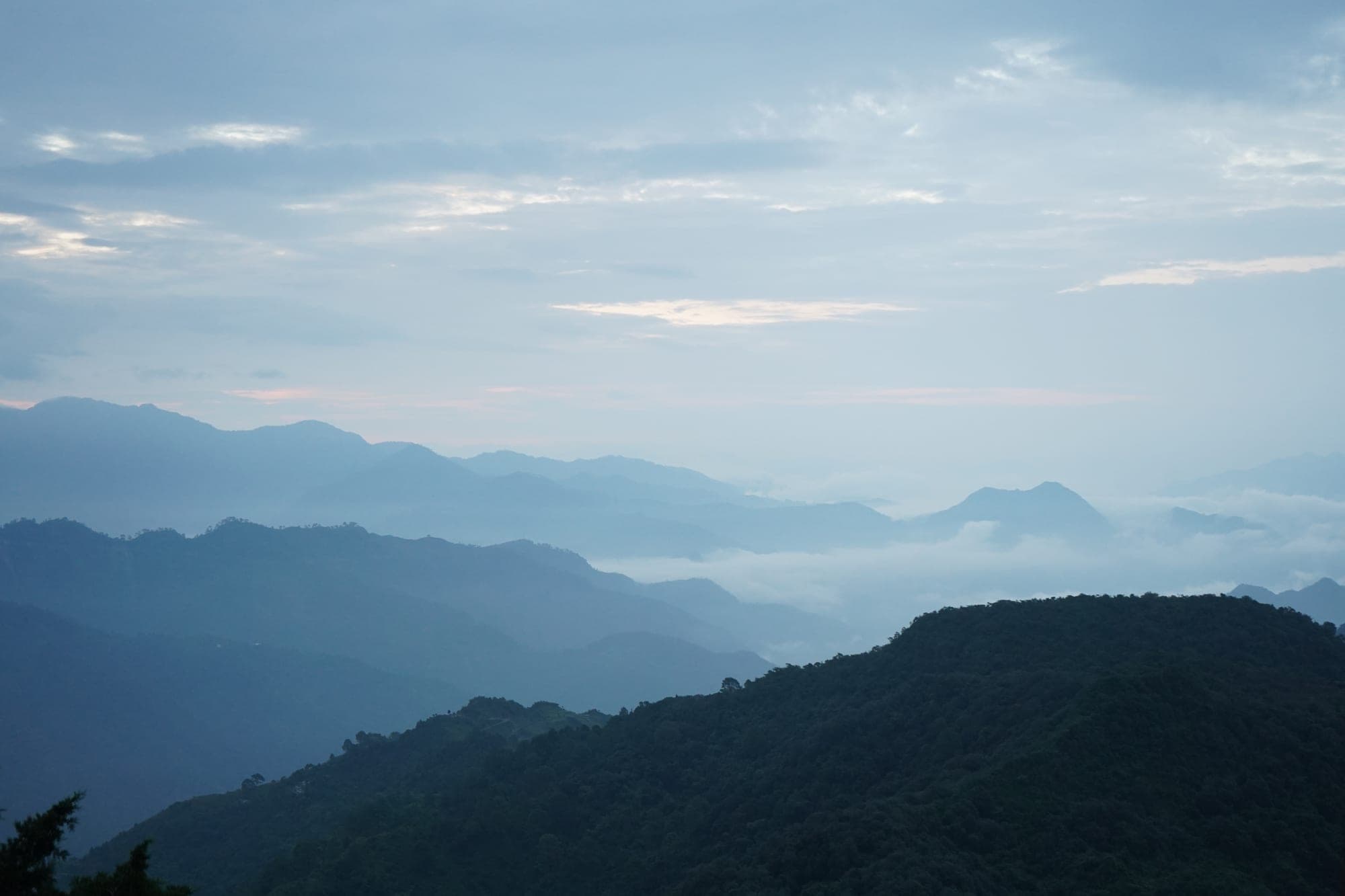
The forest does the rest. Peacocks, langurs, the sound of the river a long way below, and stretches of path where you cannot hear a single vehicle. The far edge of the site opens out over the Ganga, and most people end up sitting there longer than they meant to.
The Beatles brought the name. What keeps the place interesting is what the forest and a long line of anonymous painters did with it afterwards.
Tickets, timing, and what to expect at the gate
There is an entry ticket, collected at the forest gate. Budget somewhere around Rs 150 for Indian visitors, with international visitors paying roughly Rs 500 more on top of that. Treat both figures as approximate. This is forest department pricing, it has changed before and it will change again, and there can be a separate charge for cameras. Carry cash, and do not build your day around an exact number you read online.
- Go early: Better light in the painted hall, a cooler walk, and far fewer people standing in front of the murals.
- Wear: Closed shoes with grip. Floors are uneven, the steps up the domes are shallow and worn, and the paths between buildings are forest paths.
- Bring: Water and cash. There is very little for sale once you are inside.
- Check on the day: It closes well before dark, and forest sites shut for reasons that have nothing to do with the weather. Ask before you walk up.
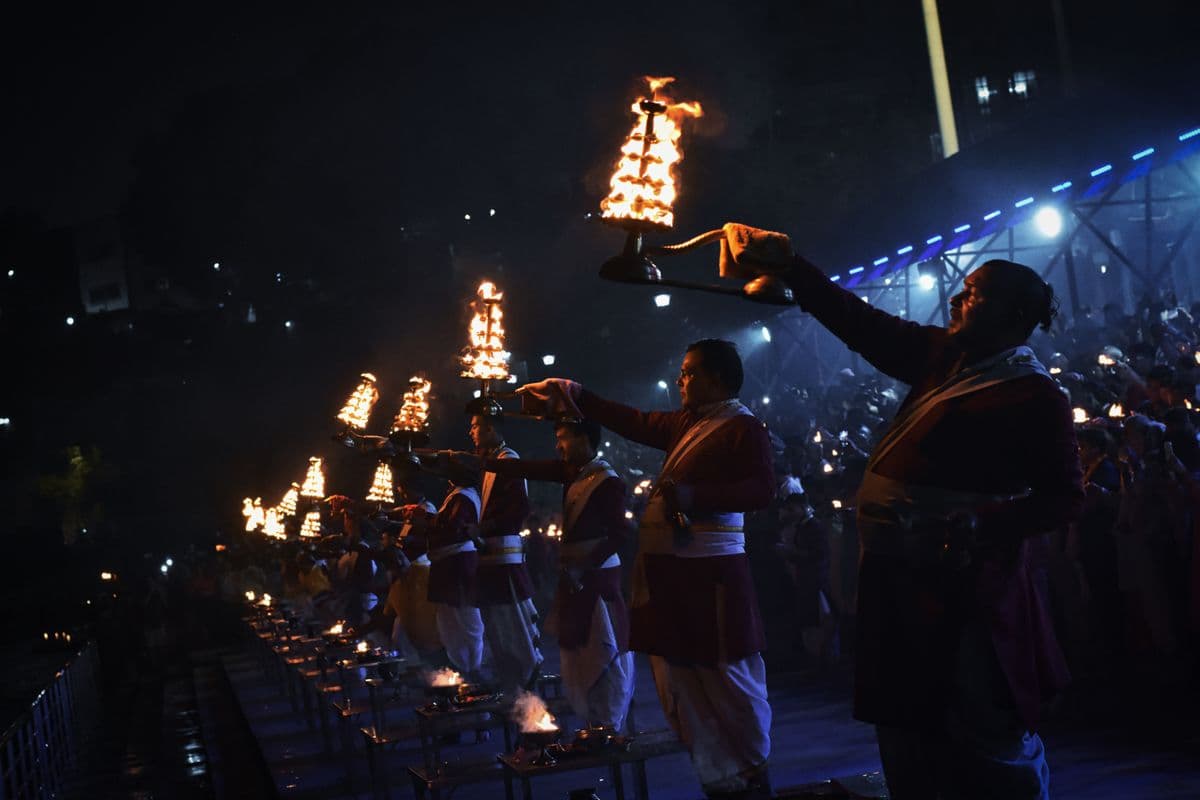
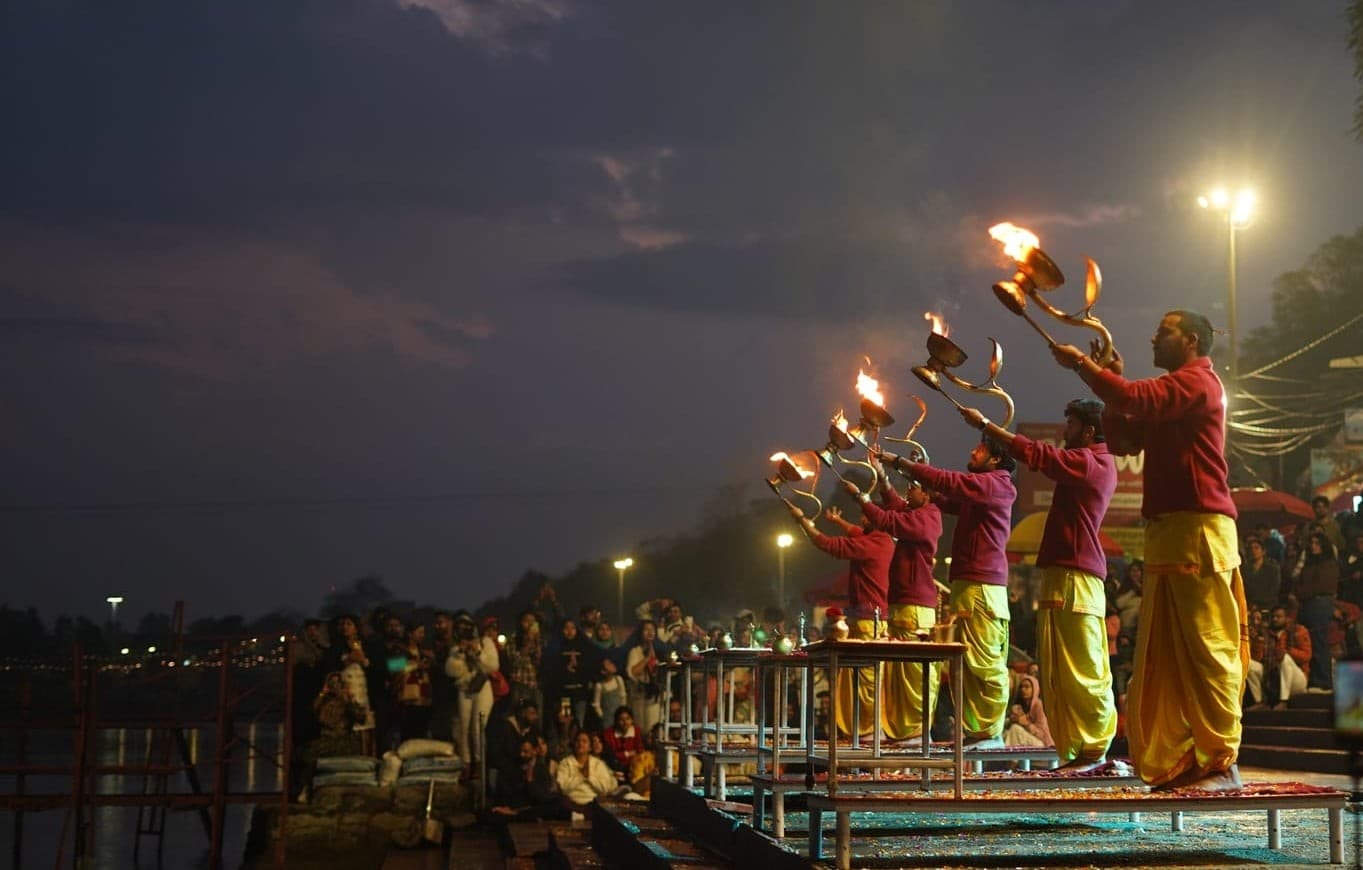
- Combine it with: The Swarg Ashram lanes, the Bhootnath Temple climb, and the Parmarth Niketan aarti in the evening.
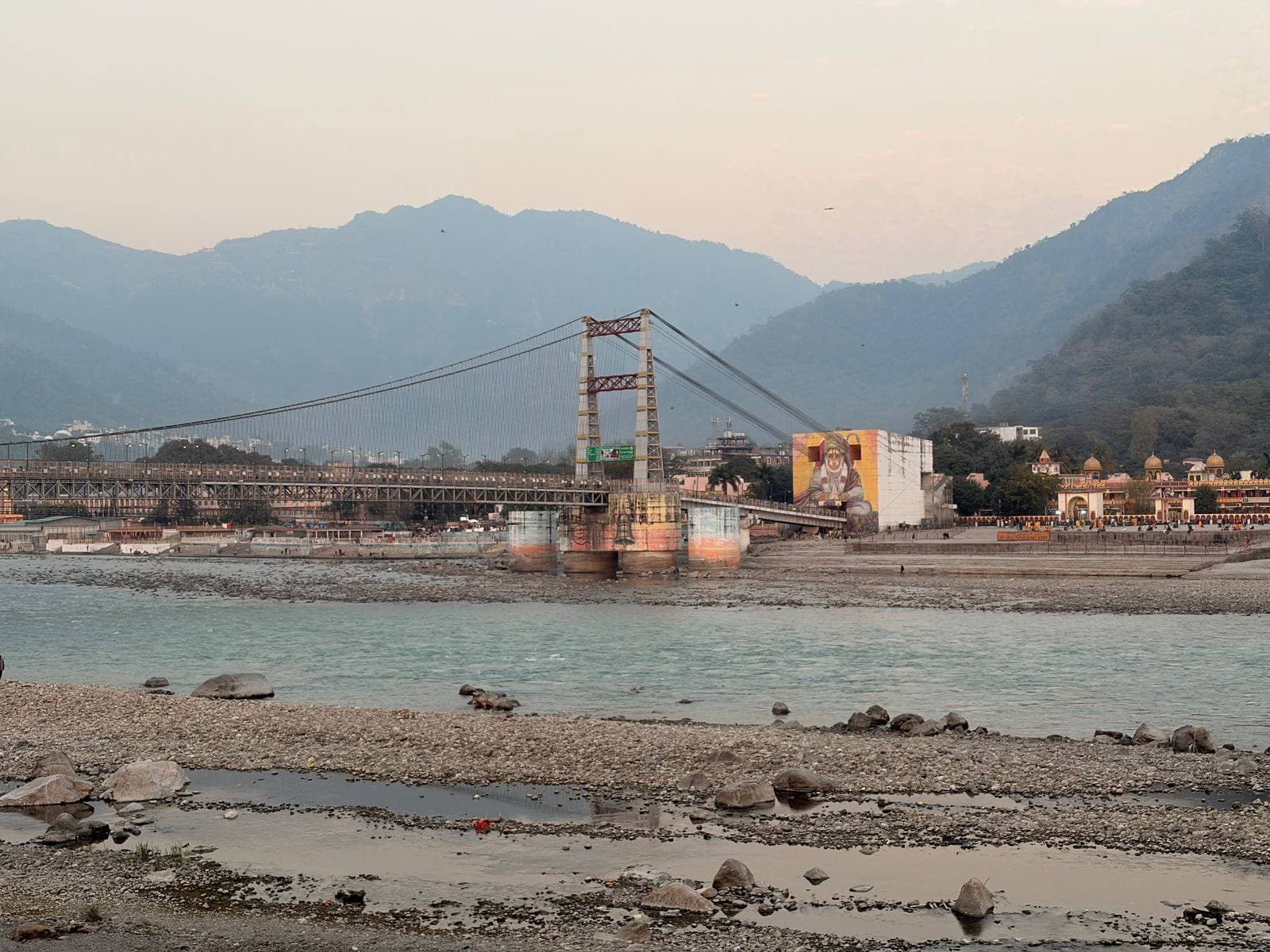
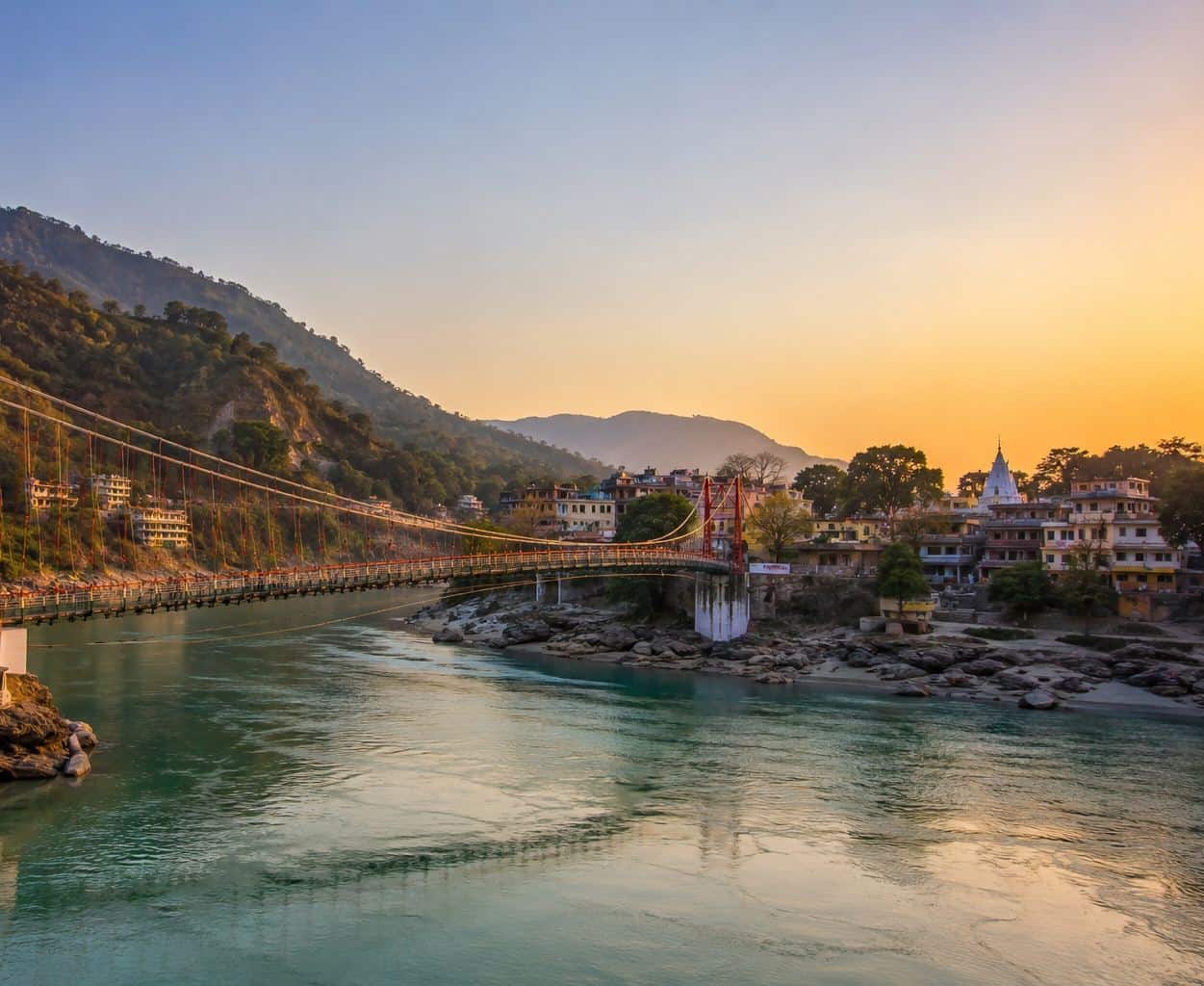
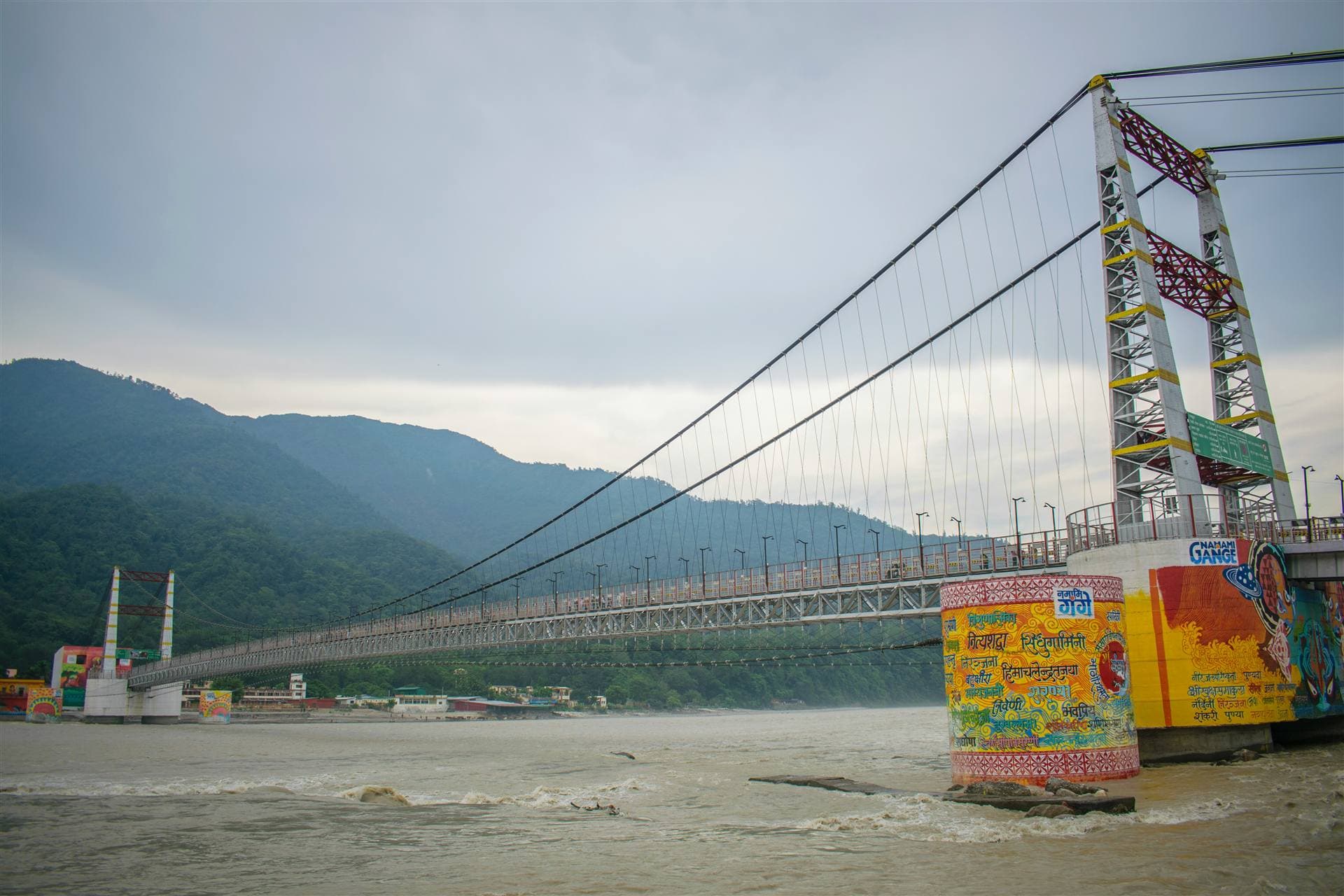
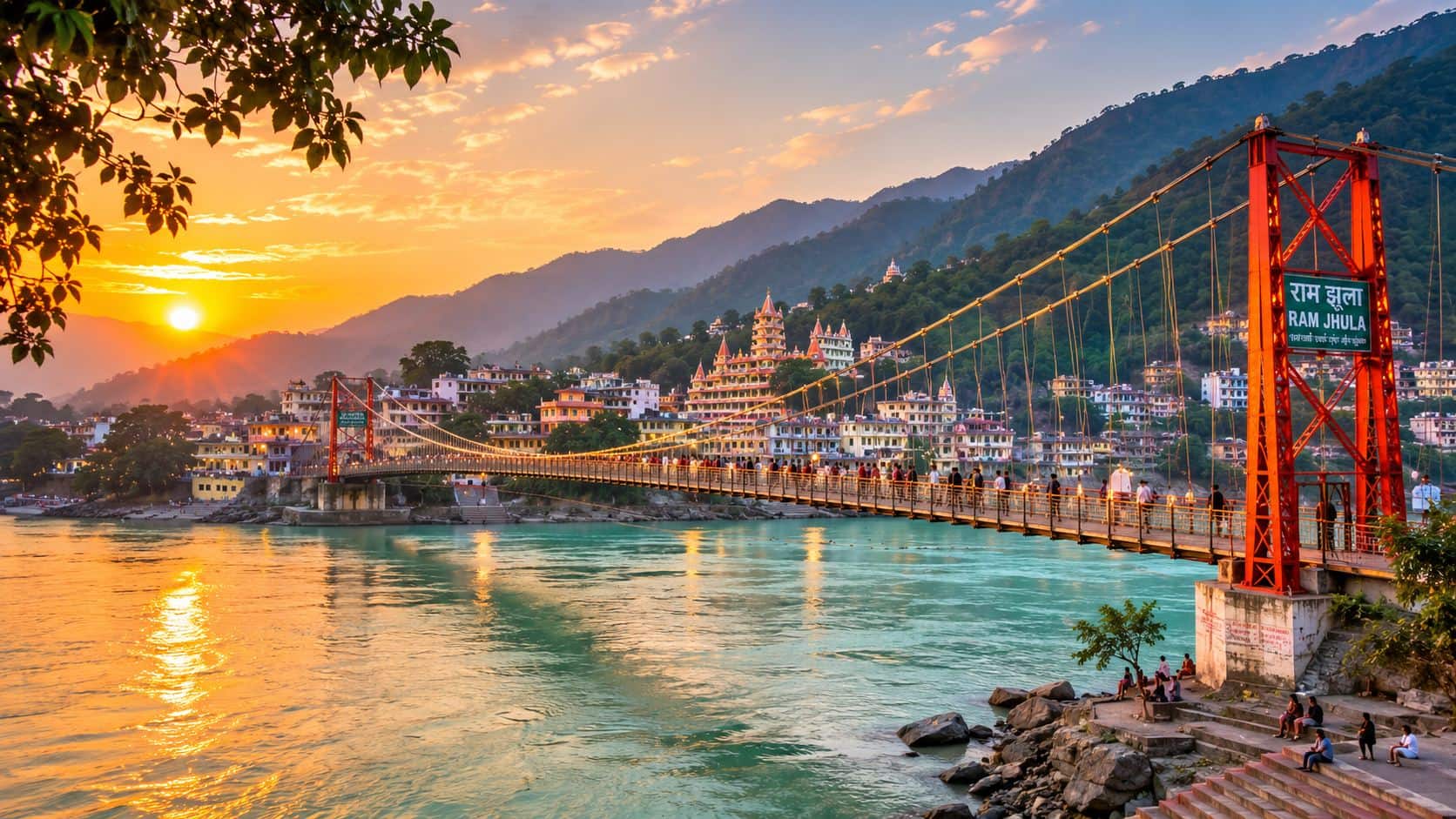
If you are working out this whole bank of the river, our Ram Jhula and Swarg Ashram guide puts the ashram in context with the bridge, the market and the ghat below it.
How this fits into a trip with us
The Beatles Ashram is day two on every Book My Rishikesh retreat — Reset, Restore and Rebirth — and it sits inside both the First Hello and Live Like a Local packages. Same day as Bhootnath and the market, ending at the aarti, all of it on foot.
Your host walks in with you, goes early rather than at midday, and knows which parts of the site people miss entirely because they follow the obvious path back to the gate. You are not handed a ticket and left to it.