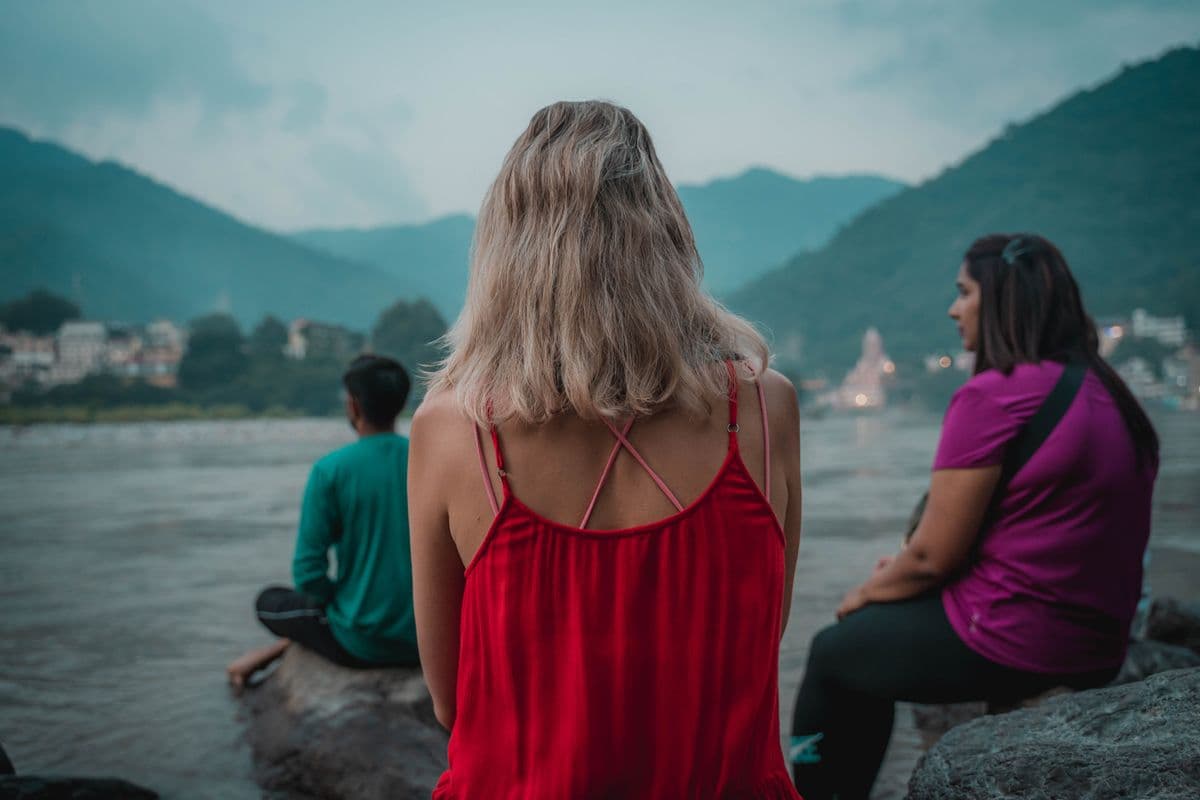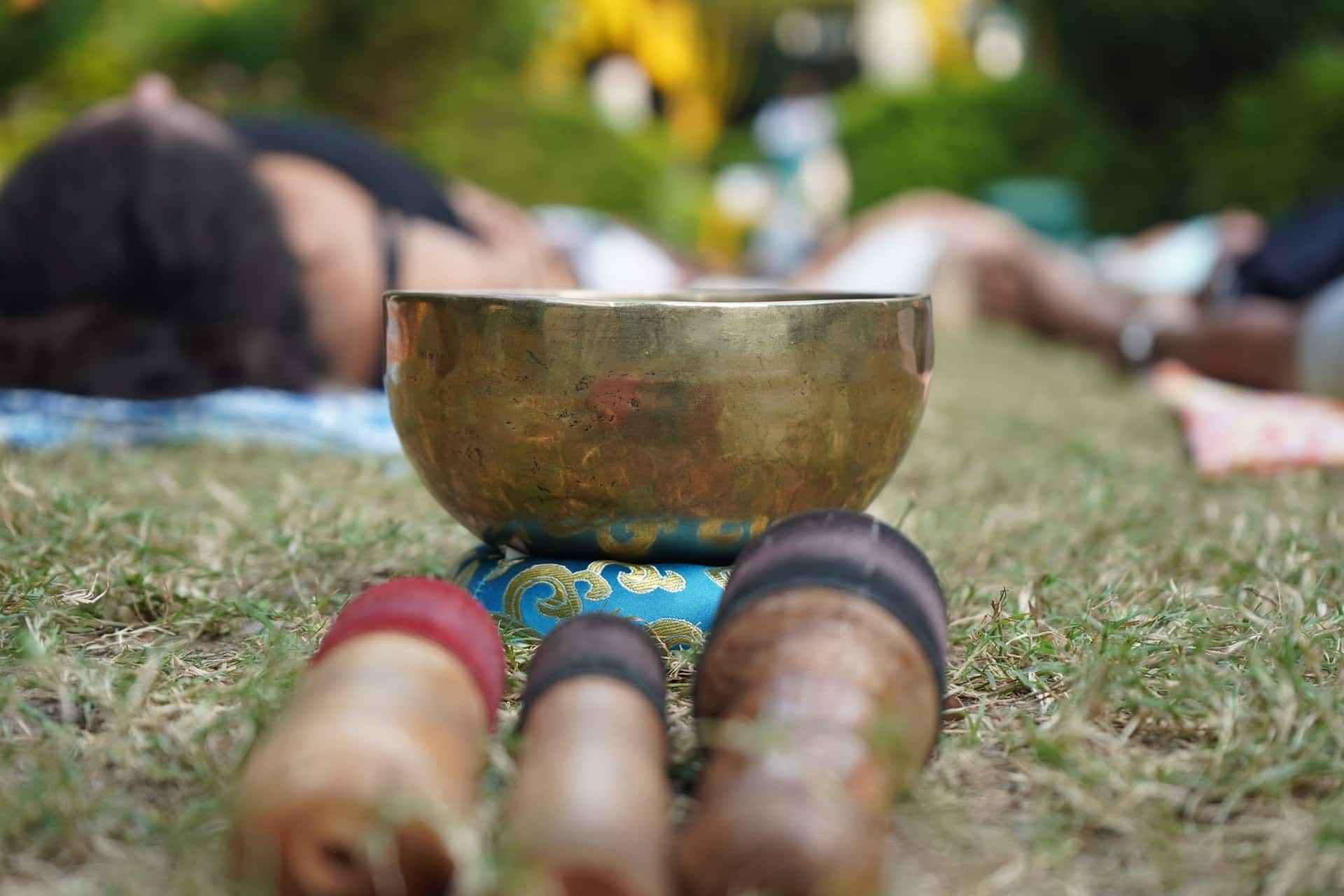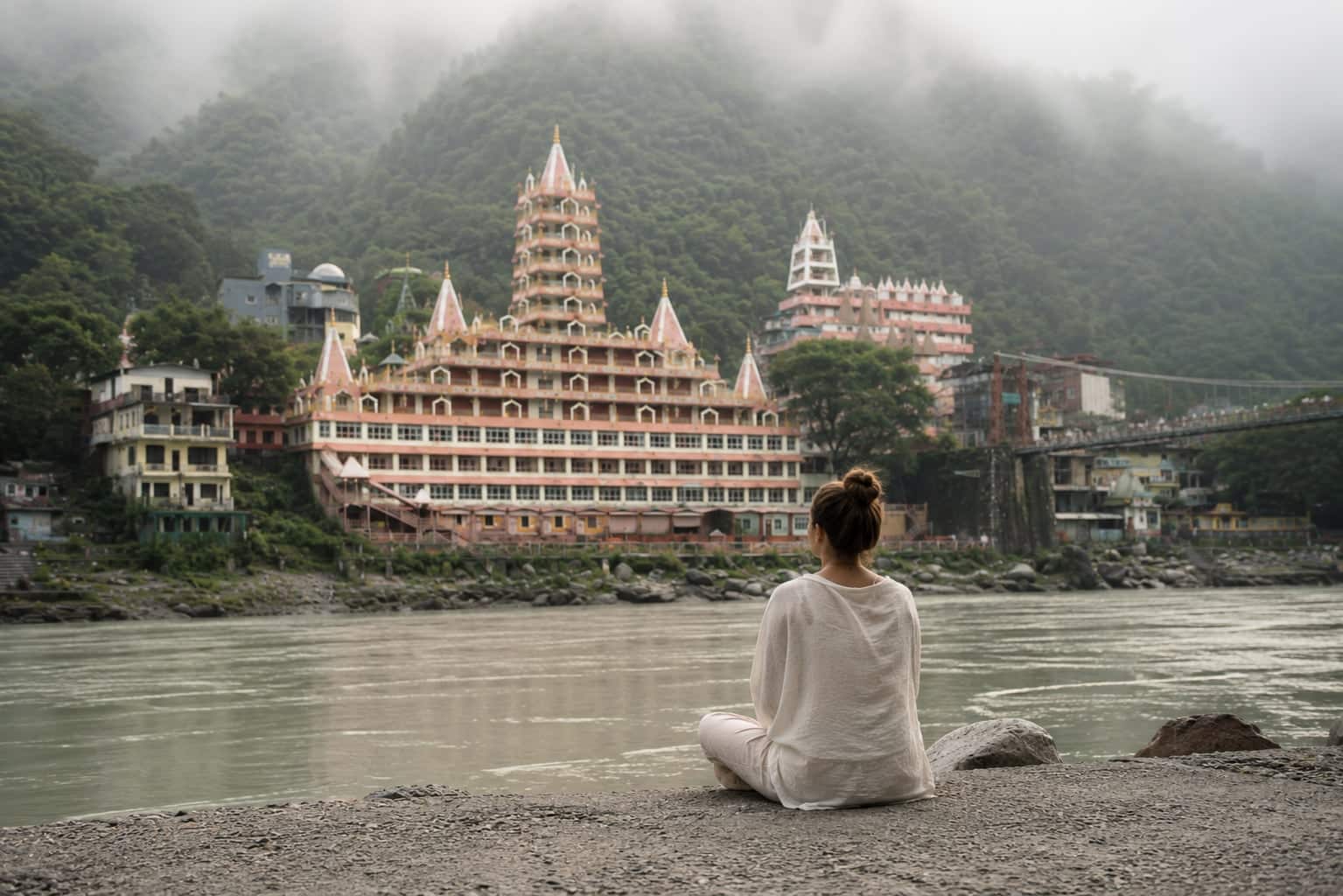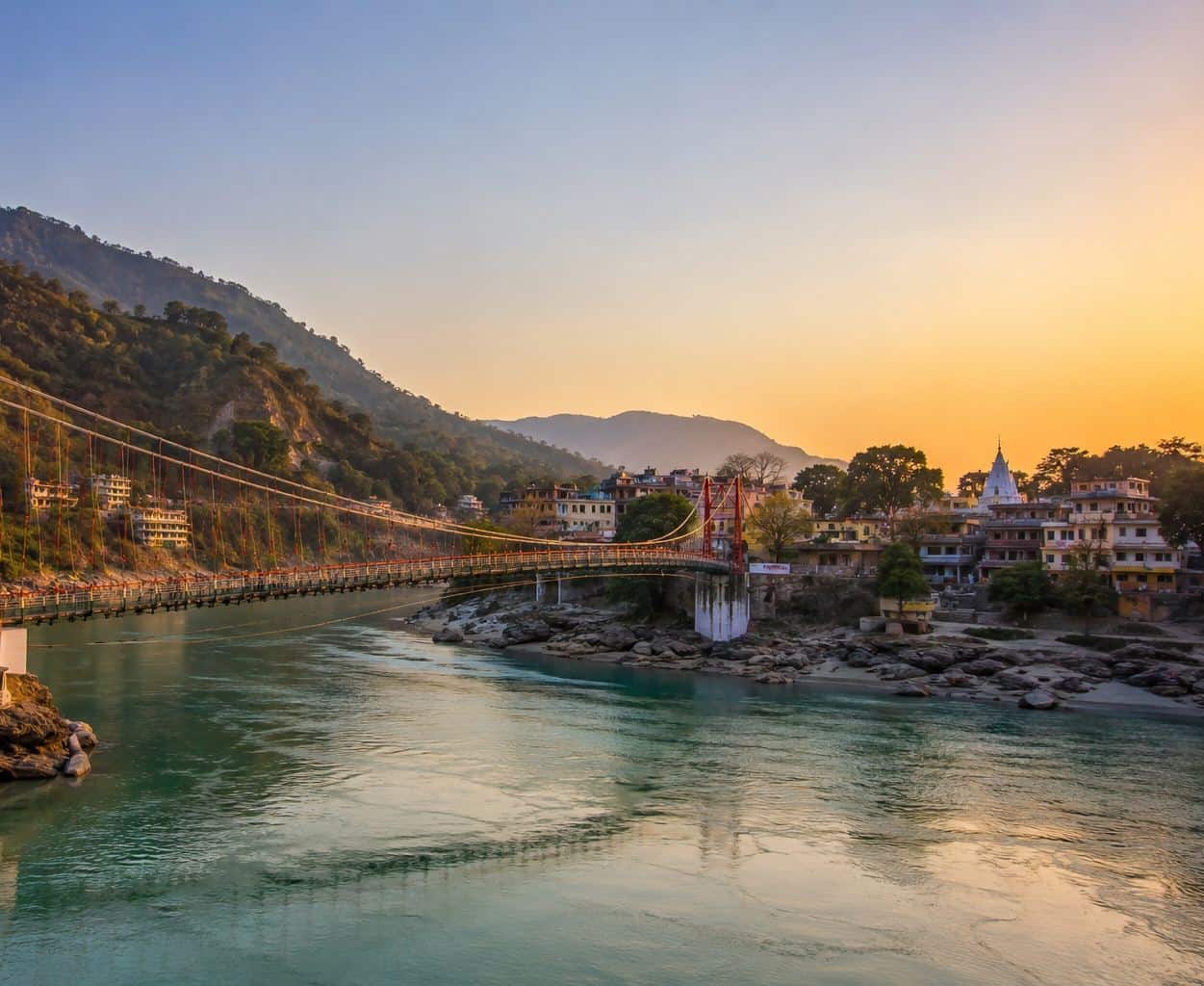
On the Muni Ki Reti side of Rishikesh there is a set of gates most visitors walk straight past. Behind them is Sivananda Ashram, home of the Divine Life Society — a name you are more likely to have met in a yoga studio abroad than on a signboard here.
What the place actually is
Sivananda Ashram is the home of the Divine Life Society, the organisation founded by Swami Sivananda — a working doctor who left medicine for monastic life and settled on this stretch of the Ganga. The ashram grew up around him: a temple, living quarters for monks and long-stay students, a publishing operation, and charitable work that continues.
What it is not is an attraction. Nothing about it is arranged for the benefit of somebody passing through — no viewing platform, no circuit to complete and photograph, no story told at you on the way in. It is a place where people live and practise, and where visitors tend to be received warmly rather than catered to. That single distinction shapes everything about how a visit goes.
Where it sits, and why that matters
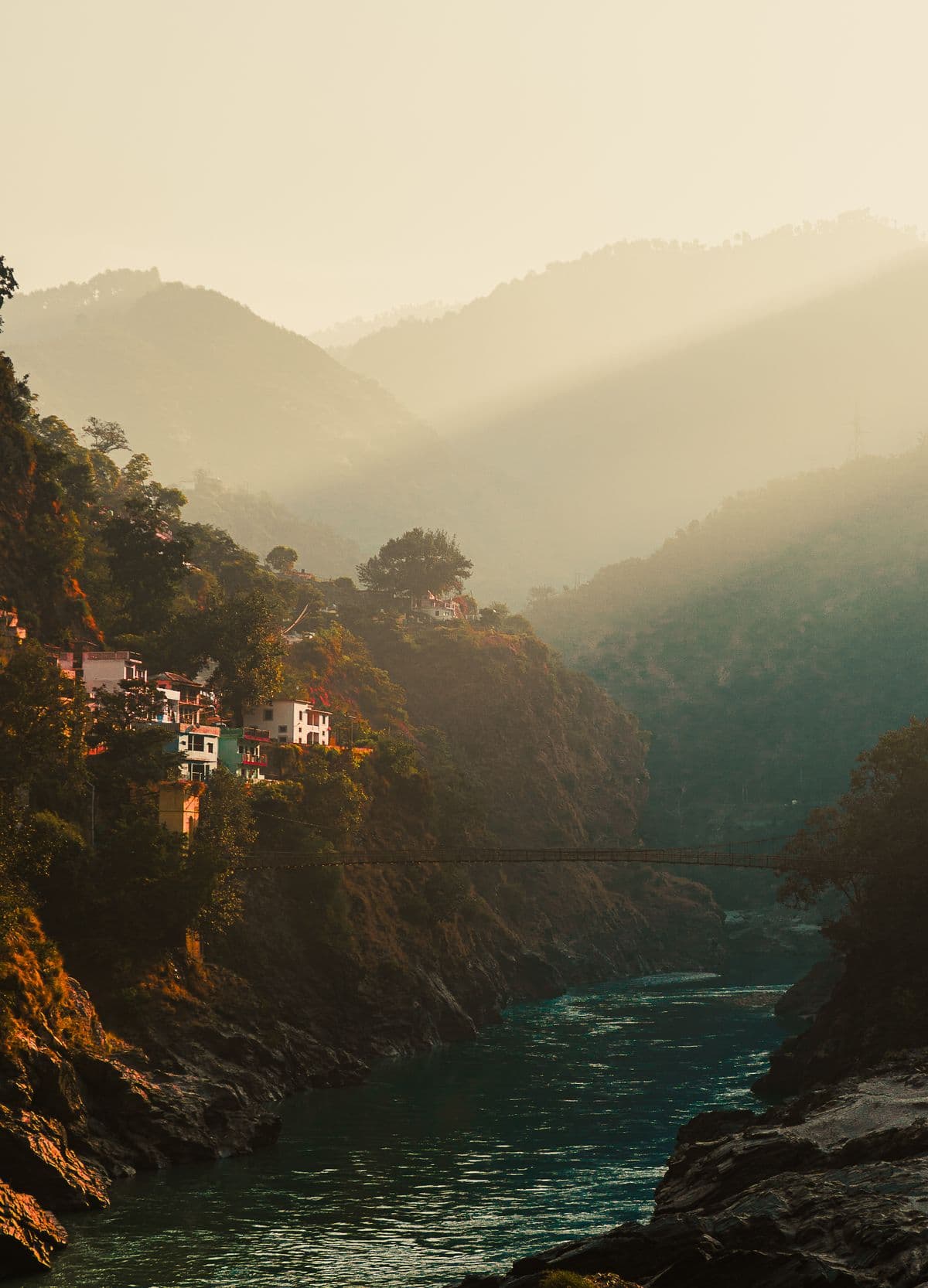
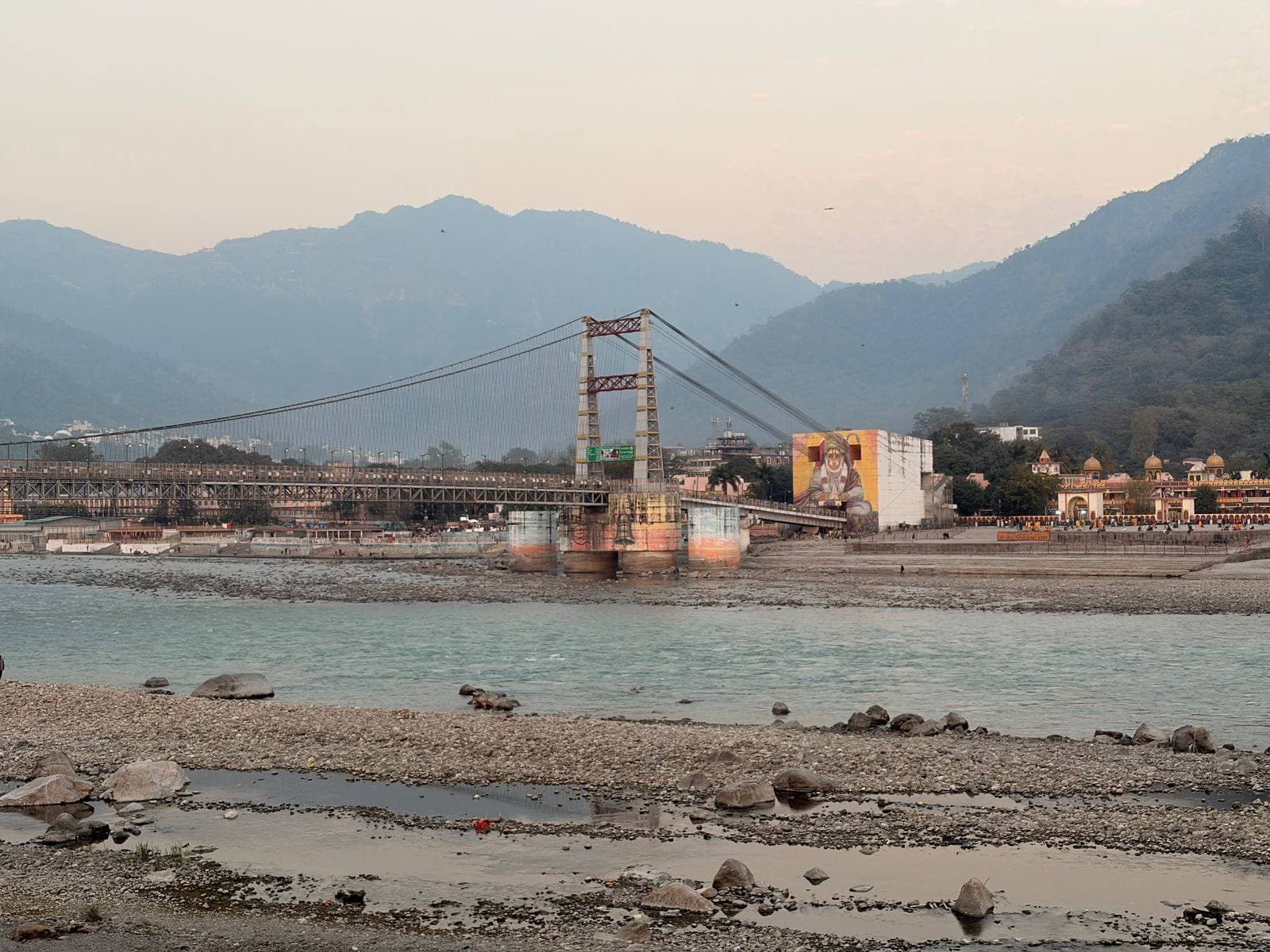
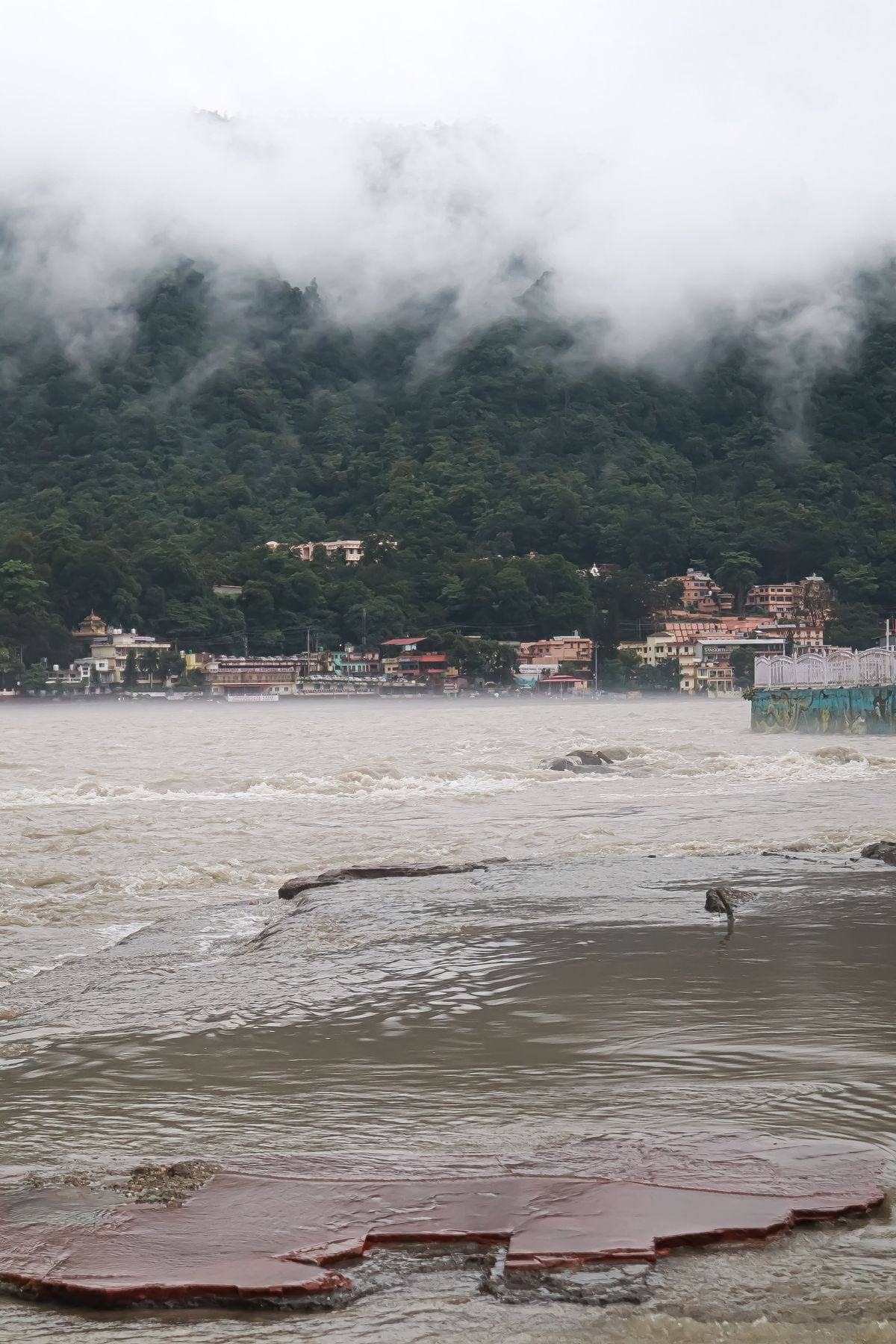
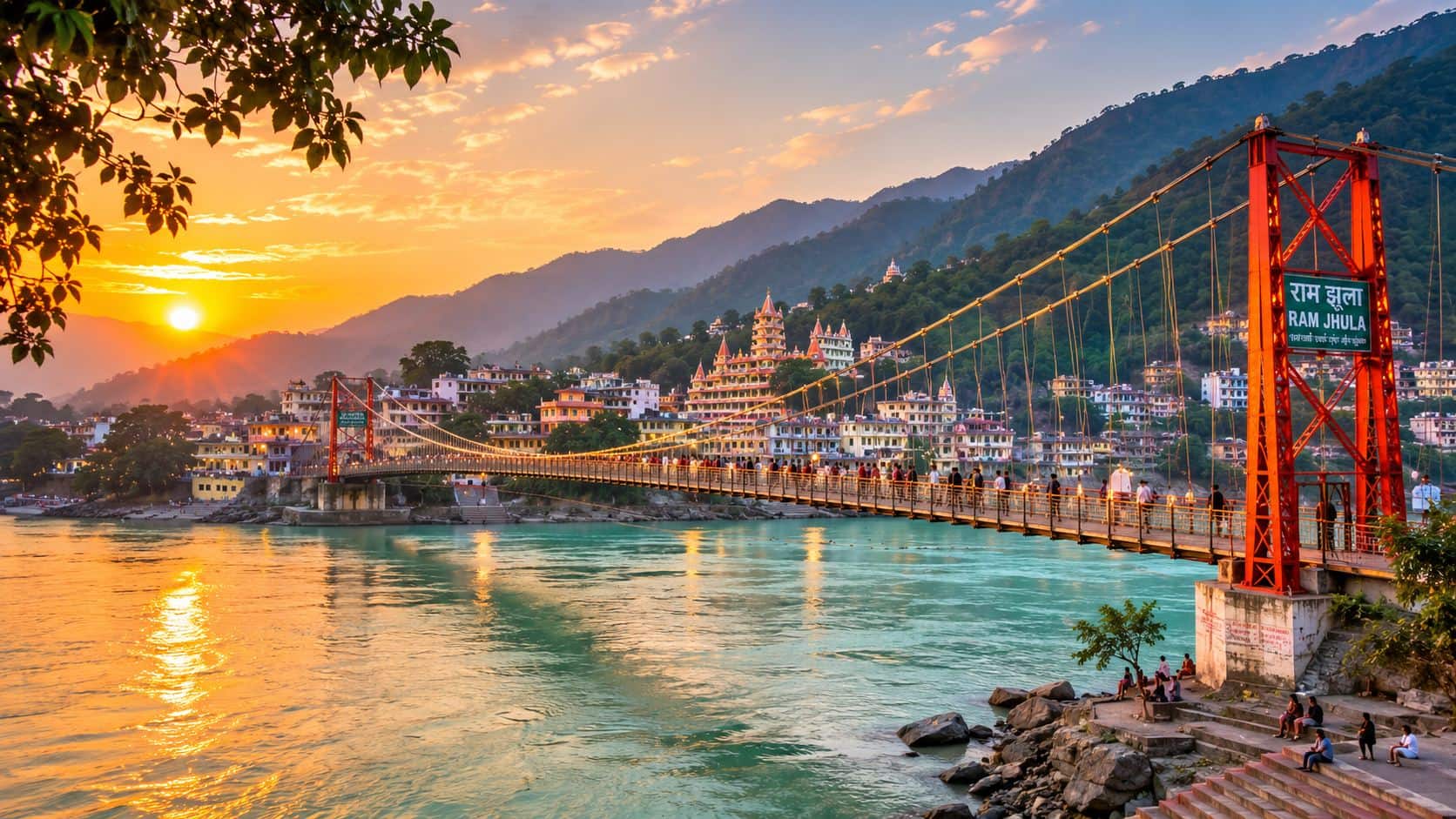
The ashram is on the Muni Ki Reti side, along the road that runs toward Ram Jhula. That whole stretch is ashrams, one after another, stacked down the slope toward the water — and Sivananda is one of the established names among them, and one of the least showy about it.
It is close enough to Ram Jhula that you can fold it into a morning you were already spending on that side, which is part of why people miss it. There is no dramatic approach and no sign promising anything. You are walking along an ordinary road, and then you are at a gate, and then you are somewhere quite different.
How the teaching travelled
Swami Sivananda wrote prolifically, and the ashram printed what he wrote — plain, unfussy books on yoga, Vedanta, health and daily discipline, made cheap enough to travel by post rather than by pilgrimage. That habit of publishing did as much as anything else to carry these teachings well past Rishikesh, to people who were never going to make the journey.
The other half of the story is his students. Disciples who trained under him — among them Swami Vishnudevananda and Swami Satyananda — went on to found organisations of their own, and those lineages spread well outside India. A great deal of the yoga people first meet in a studio far from here traces back through one of them to this riverbank. Most students never learn that. Standing at the gate, it is worth knowing.
The atmosphere of a working ashram
Walk in during a quiet hour and the first thing you notice is how ordinary it feels. Someone is sweeping. Someone is carrying a stack of books somewhere. There is chanting coming from a hall you cannot see into, and underneath all of it the river is louder than anything human.
The ashram keeps its own rhythm of prayer, satsang and study, and the day is built around that rhythm rather than around anybody visiting. Nothing is staged. If you arrive expecting a spectacle you will find the place flat and slightly disappointing. If you arrive expecting to sit at the quiet edge of somebody else’s daily practice, it is one of the more grounding hours you can spend in Rishikesh.
The measure of a good visit here is that nobody had to notice you were there.
How to visit without getting it wrong
None of this is complicated. It is mostly the courtesy you would bring to any place of worship, held a little more firmly, because people live here rather than just visit.
- Dress: Shoulders and knees covered, everyone, no exceptions. Shoes off wherever you are asked to remove them.
- Photographs: Assume no unless you have asked and been told otherwise — never during prayer, and never of a person without their permission.
- Voice & phone: Keep your voice low and put your phone on silent before you walk through the gate. Sound carries much further here than you expect.
- Ask first: If you want to sit in on anything, look for books, or stay longer than a walk, ask at the office rather than wandering into halls to find out.
One more, which is not on any sign: if a monk or a resident is walking somewhere with purpose, let them pass rather than stopping them for directions. The office exists for that, and the person sweeping the path is not staff.
How this fits into a trip with us
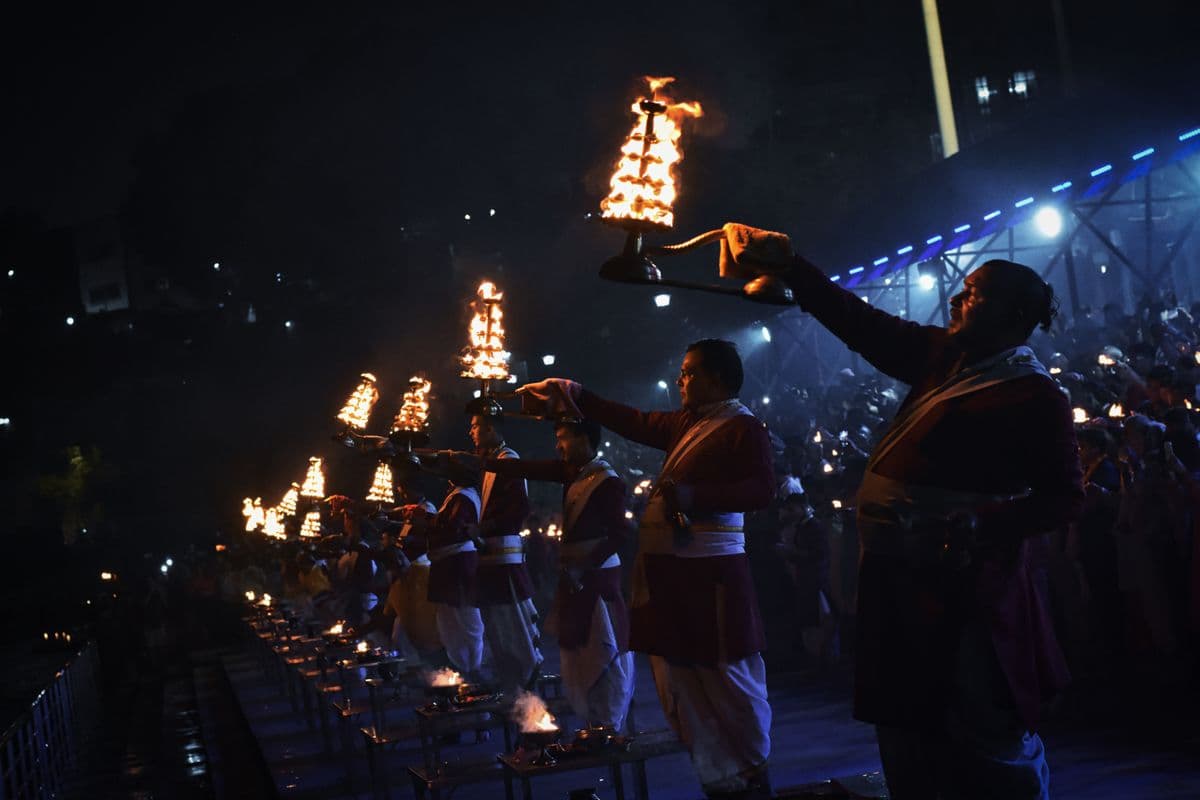
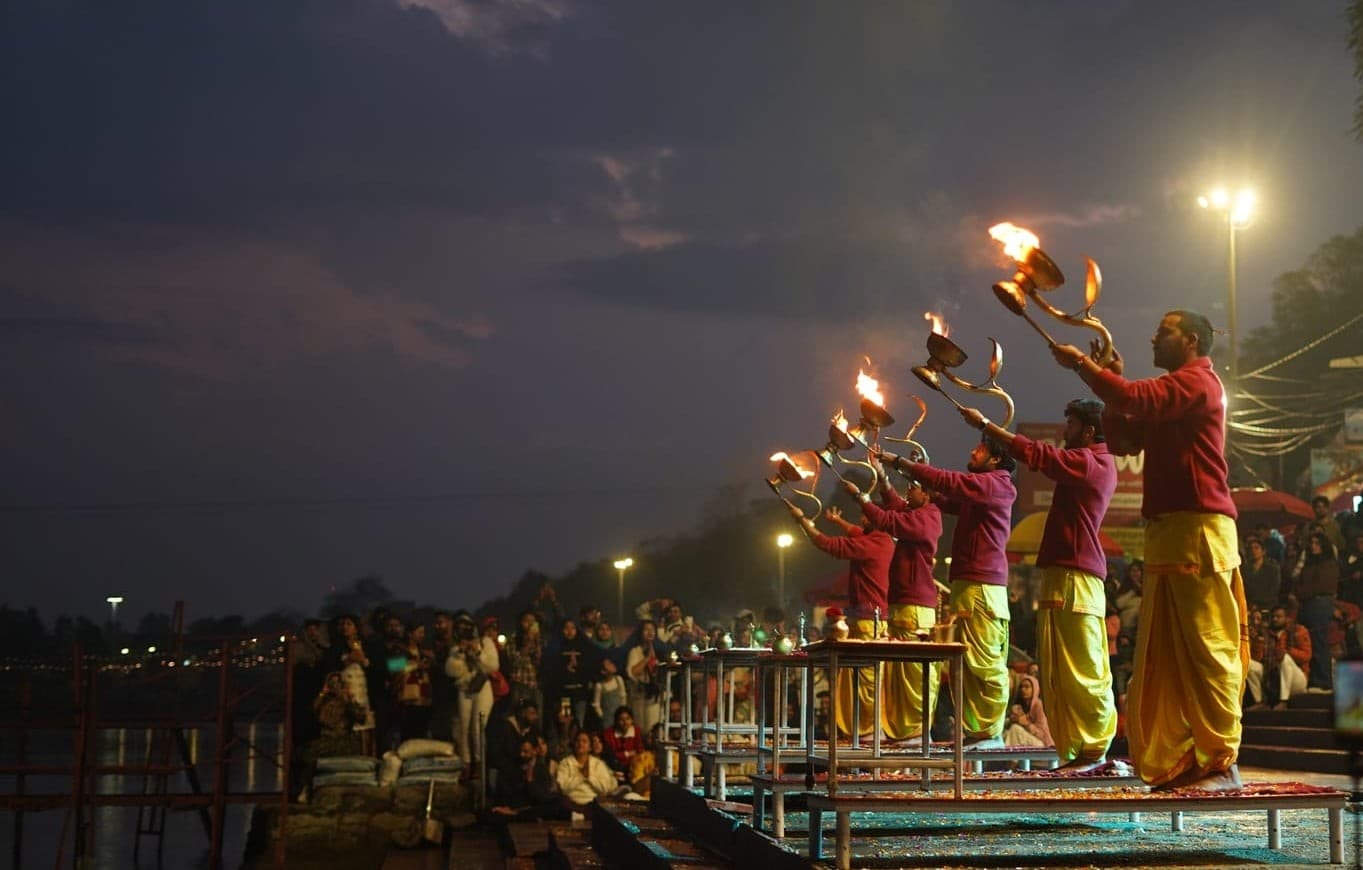
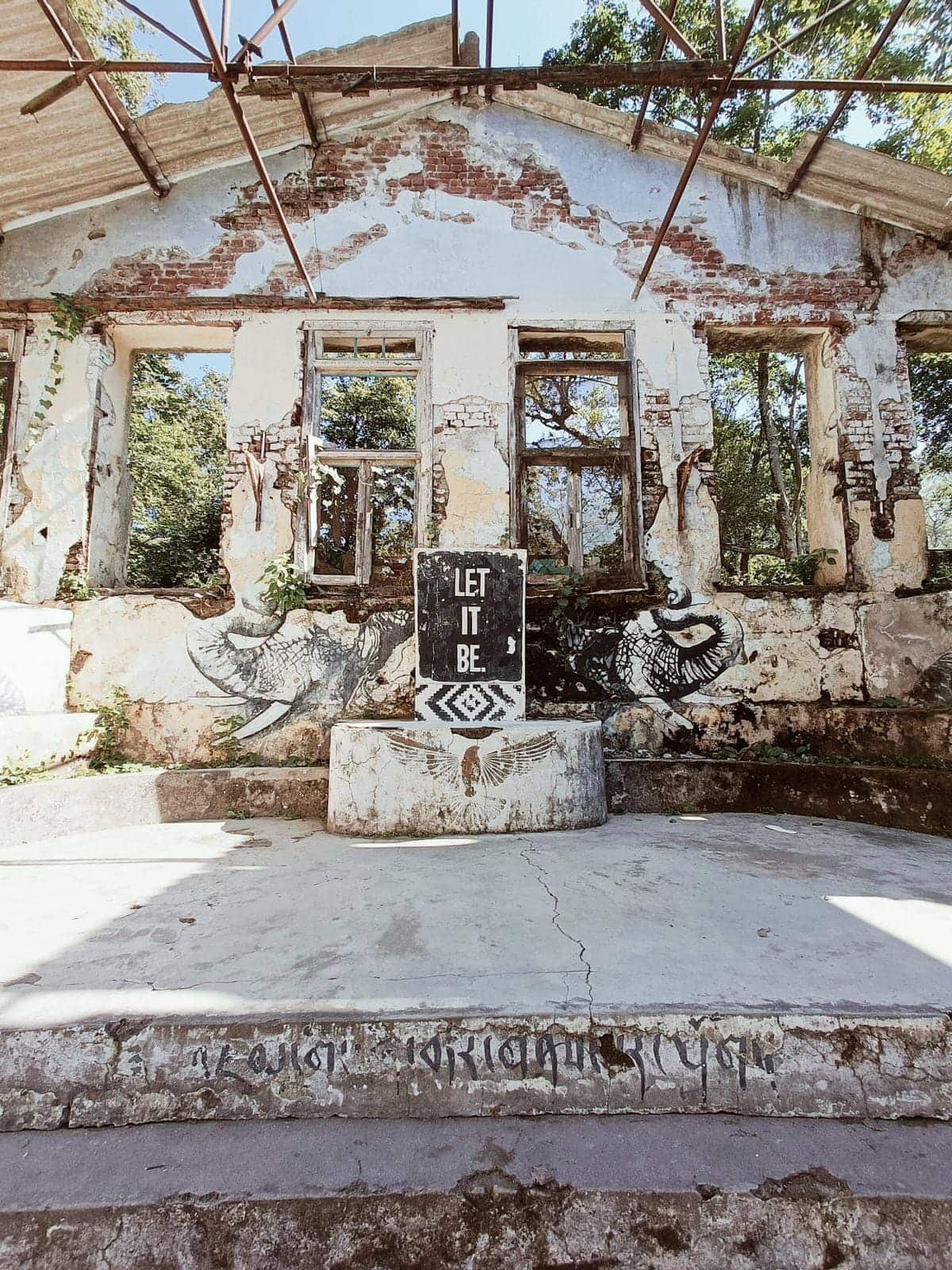
We run nothing at Sivananda Ashram, and you should be wary of anyone who tells you they do. It is not ours to sell, and it is not a stop on any itinerary we publish — the ashram side of our retreats and packages goes to the Beatles Ashram and to the aarti at Parmarth Niketan and Sai Ghat, because those are set up to receive visitors and this is not.
What a host can do is answer for it. Ask, and you get the context rather than a booking: which hours tend to be quieter, what you are hearing if there is chanting, how to carry yourself at the gate, and whether a Muni Ki Reti morning fits the free hours you already have on a Reset, Restore or Rebirth retreat, or on a package day that is not tightly filled. Then you go and have your own quiet hour of it, with nobody talking over the top of it. That is the version worth having.