Rishikesh hands you more than you can process in the moment. The early mornings, the aarti, the river, the conversations with people you will never see again — it stacks up faster than it settles. A guided journaling session is not about producing good writing. It is about giving all of that somewhere to go before it blurs into a folder of photographs.
Why writing by the river works
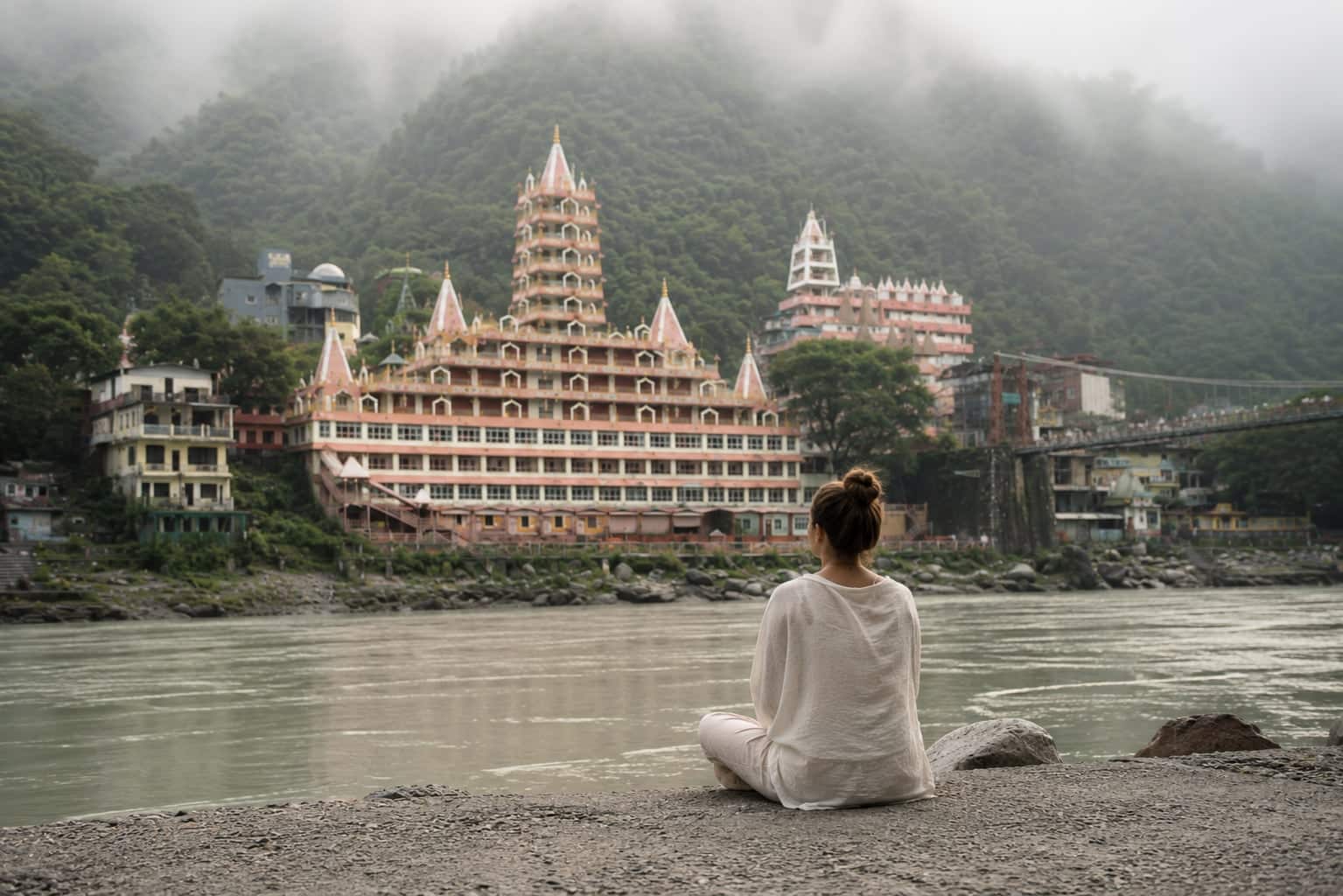
There is a plain reason and a less plain one. The plain one is that a riverbank gives you nothing to do. No screen worth looking at, no queue, no notification, nothing that needs handling right now. Sitting down to write at home means first clearing a space for it. Here the space is already cleared.
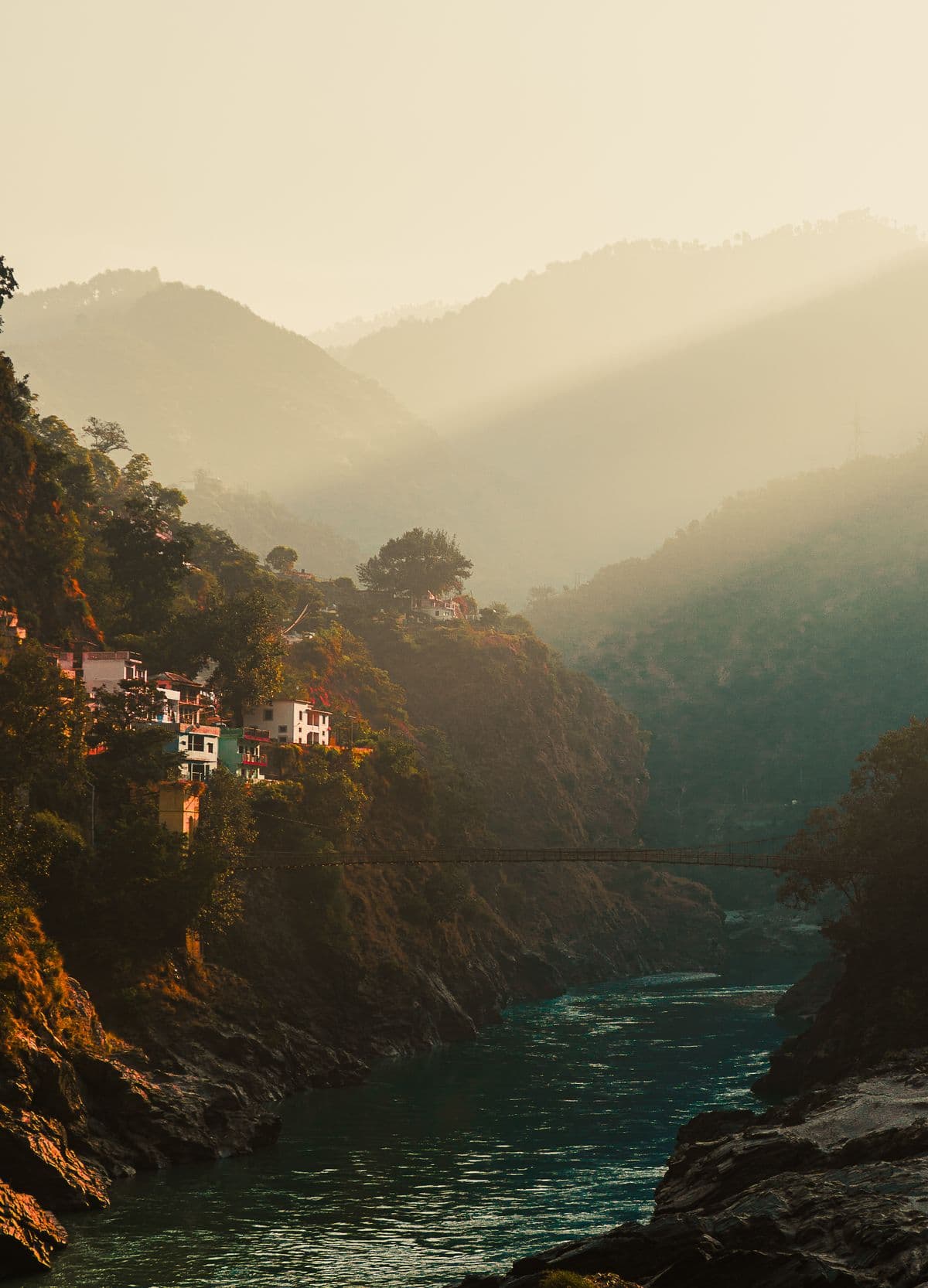
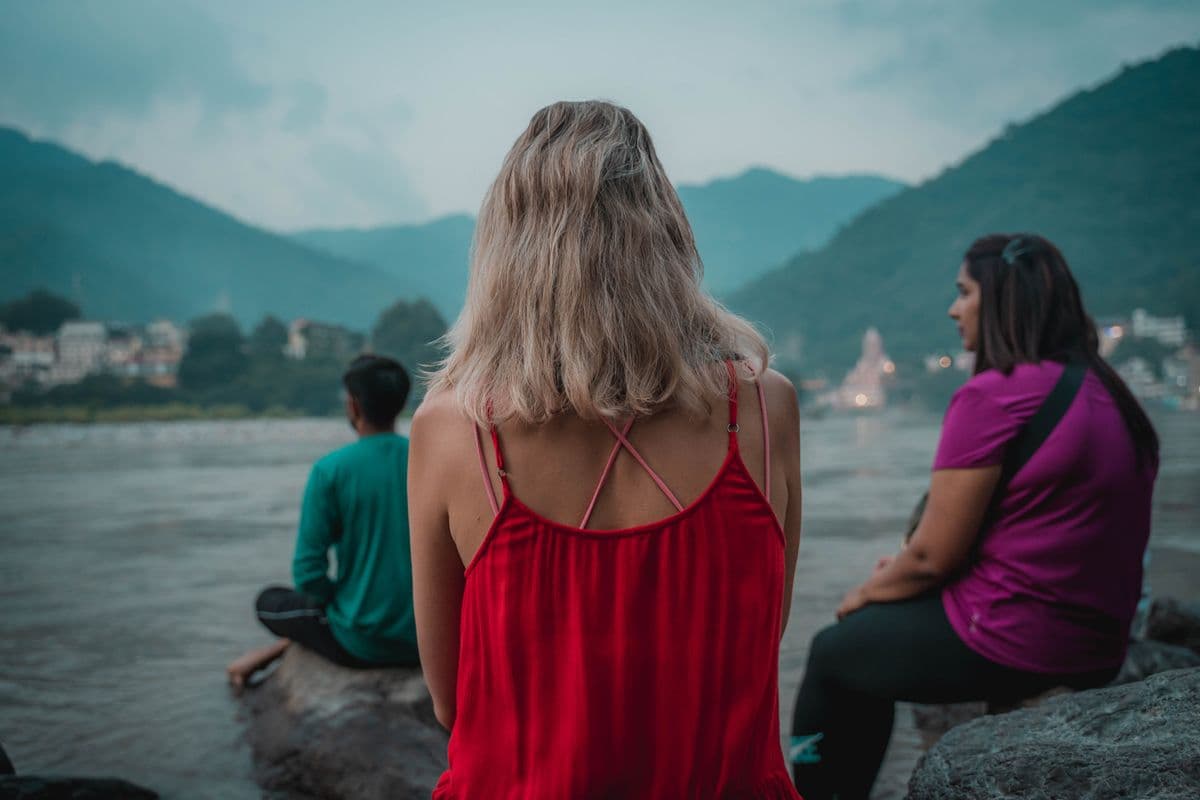
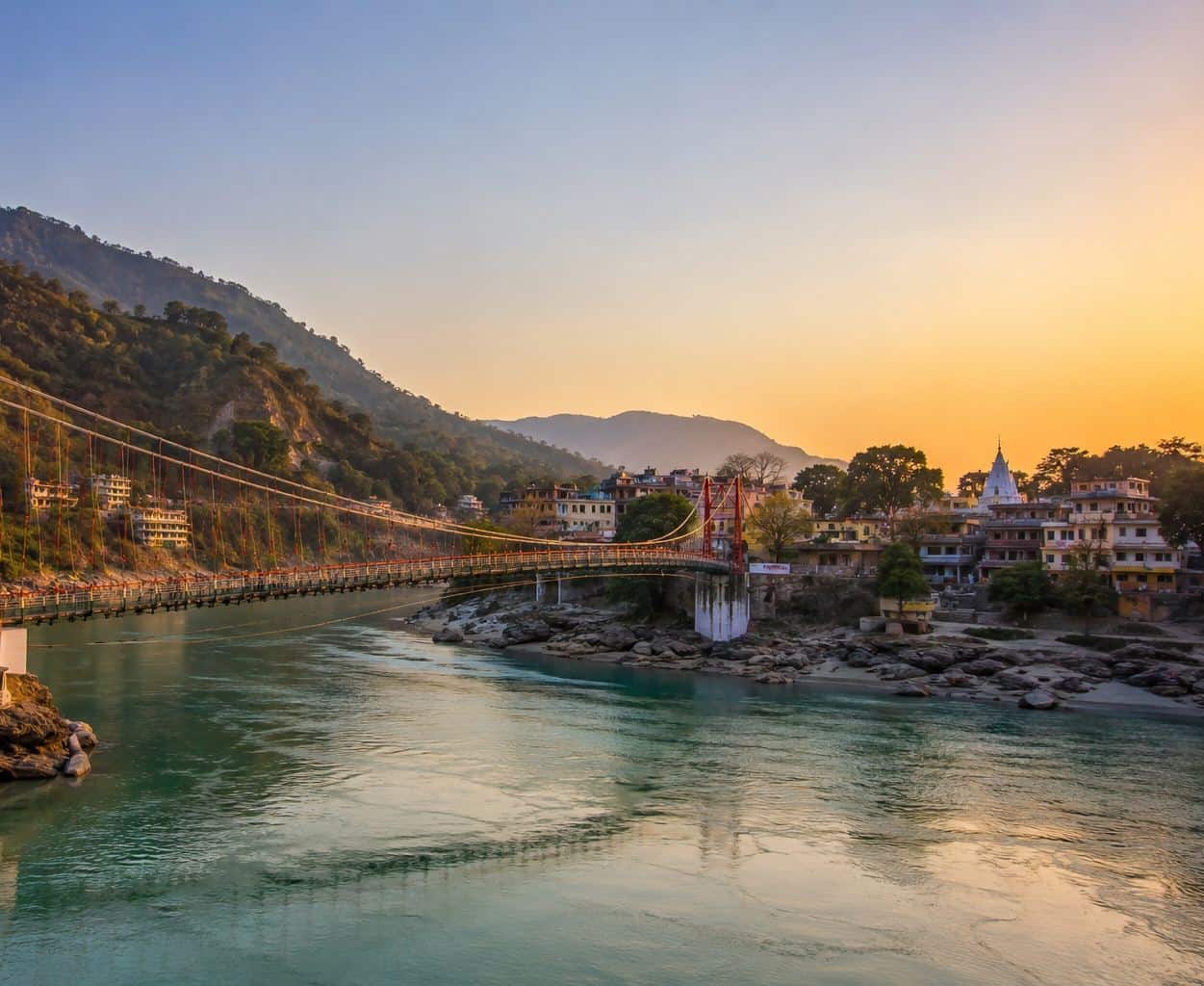
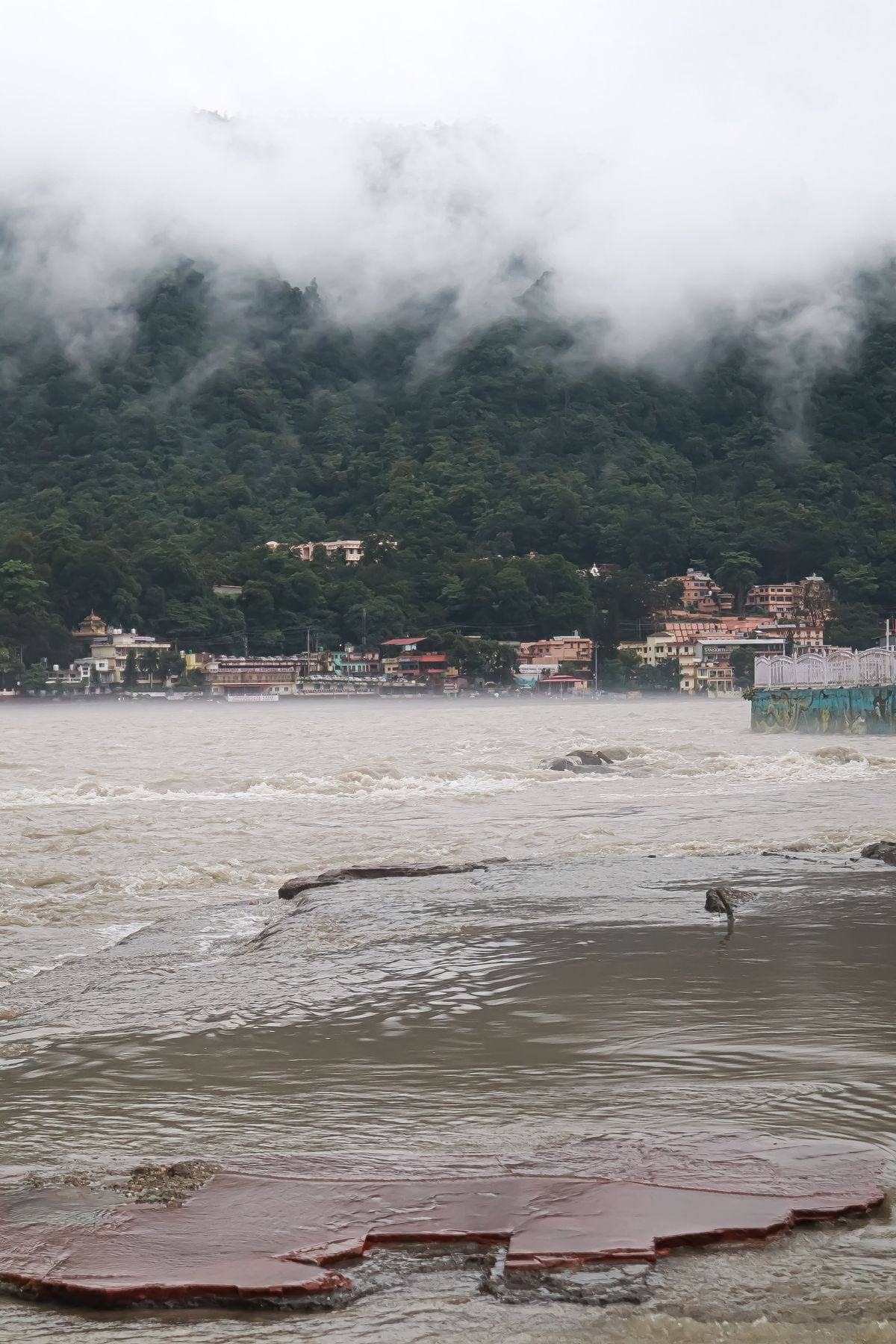
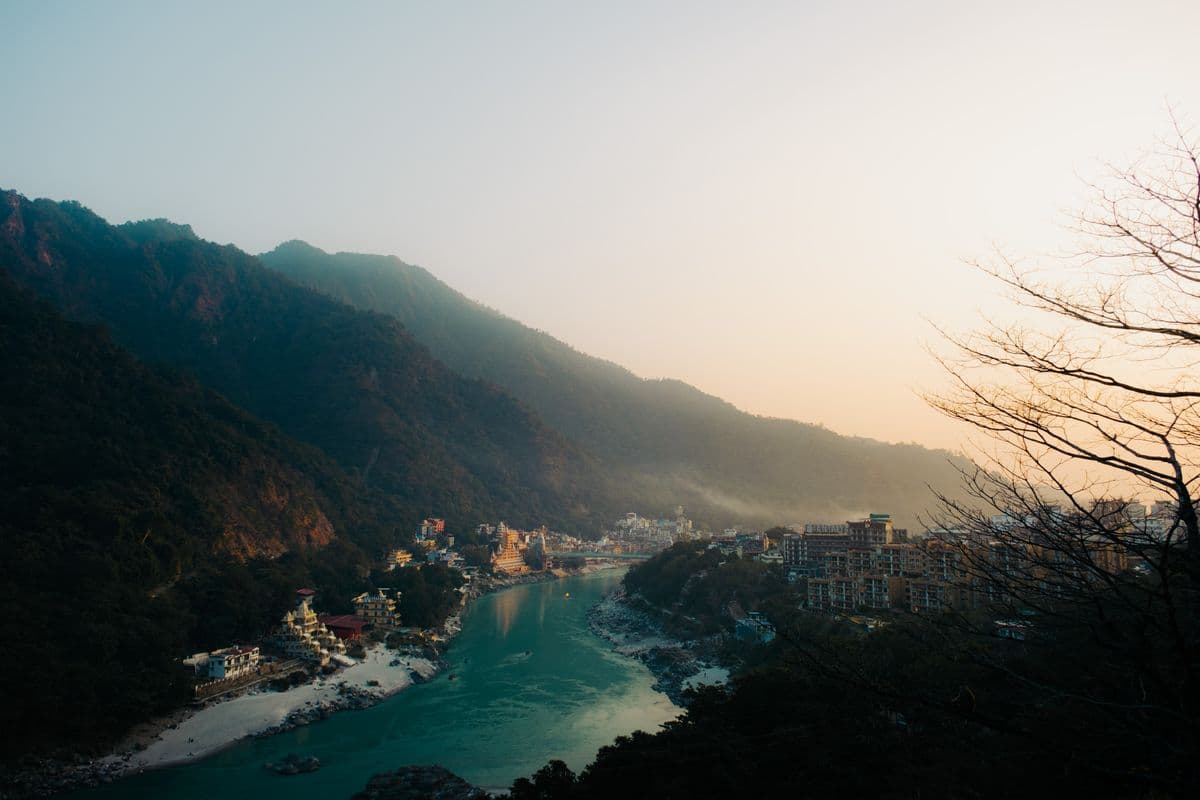
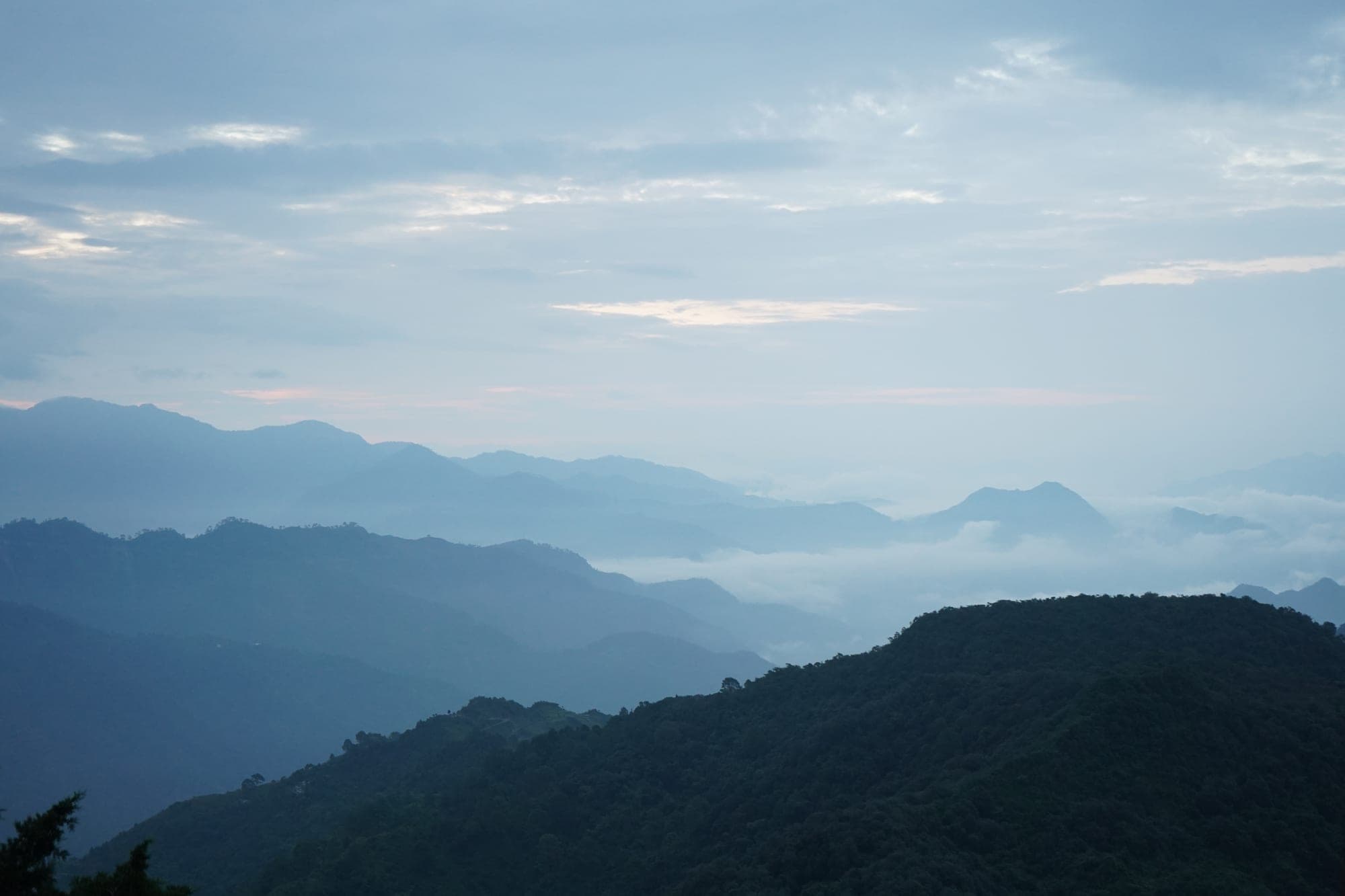
The less plain reason is that the Ganga gives your eyes somewhere neutral to go. Writing seizes up when you stare at a blank page and wait for it to improve. It loosens when you look away. Moving water, the hills on the far bank, the light shifting across the Himalayan foothills — none of it asks anything of you, and that is exactly what makes it useful. Half the sentences arrive while you are not looking at the notebook.
There is also the pace. Days in this part of Uttarakhand fill up quickly — yoga, breakfast, somewhere to be by mid-morning. An hour set aside for nothing but a notebook is a real change of gear, and that gear change is most of what makes journaling in Rishikesh work at all.
What a guided session actually involves
Less than people fear. You sit somewhere quiet with a notebook. Your host usually opens with a short settling — a few slow breaths, or simply nobody talking — because most people arrive with their head still in the previous activity. Then you get a prompt. Then you write.
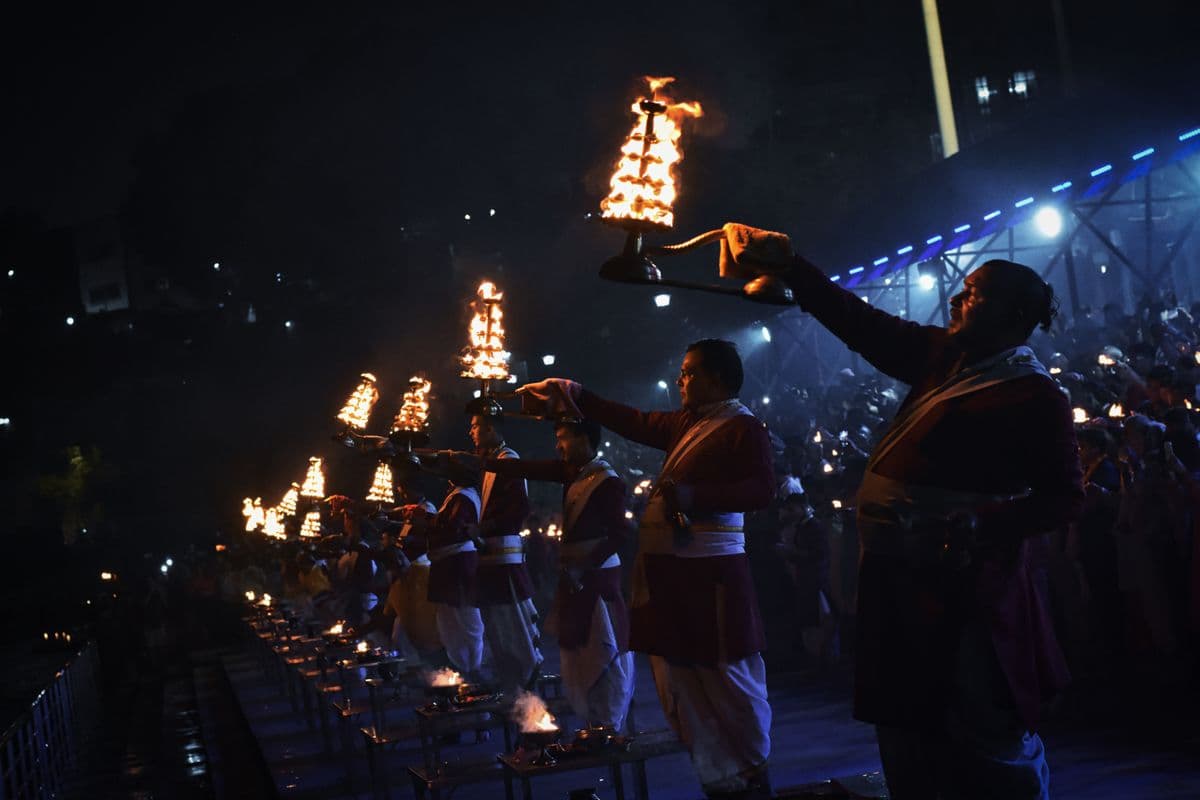
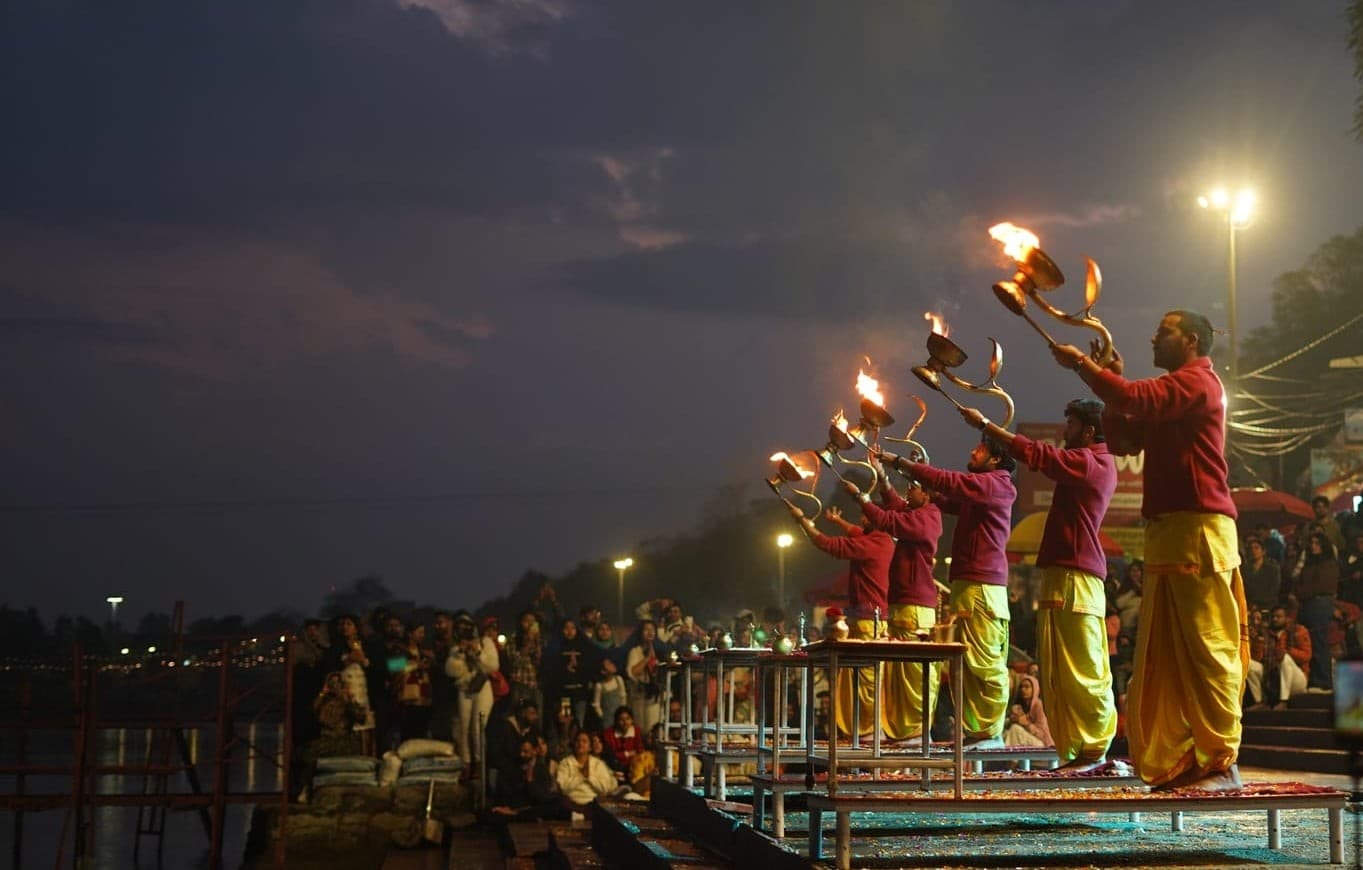
The writing happens in stretches rather than one long push. A while on one prompt, a pause, then another. Nobody circles your spelling. Nobody asks you to read anything out. If a group ends up sharing, it is because everyone in the room wanted to, and that gets decided in the room rather than announced in advance. On the two retreats that include it, the session sits in the afternoon, with the Ganga aarti later the same evening, which turns out to be a good order: you put the days into words first, then go down to the ghat with your head clear.
Prompts, or a blank page
Both work. They do different jobs, and knowing which one you need saves the hour.
A prompt is a handhold. What surprised you today. What are you carrying that you did not pack. It hands you a first sentence so you do not have to invent one, and the first sentence is the only genuinely hard part. Prompts suit people who freeze in front of an empty page, which is most people.
Free writing is the other approach: no question, no structure, everything currently in your head going down as fast as your hand can move. It looks like a mess and it is meant to. It suits the days when there is too much rather than too little — and a few days into Rishikesh, there is usually too much.
In practice the good sessions use both. Start with a prompt, and when the prompt runs out, keep going anyway. The material worth keeping almost always turns up after you have finished saying the thing you sat down to say.
Nobody is going to read it. That single fact is what makes the writing honest.
Why people who do not write get the most from it
The most common thing people say before a session is that they are not writers and this is probably not for them. It is worth saying plainly that not being a writer is not a disadvantage here. If anything it helps.
It makes sense when you think about it. People who write have standards. They edit as they go, they hear a critic, they want the sentence to be good, and the wanting slows everything down. People who never write have none of that machinery. They put the thing down as it actually is, which is the whole exercise. There is no audience, no marking and nothing to live up to — which is precisely why guided journaling suits the people who would never describe themselves as writers.
It also helps to know what the page is for. This is not a travel diary and it does not need to record what you did in order. The useful entries are usually the ones nobody could reconstruct from a photograph: what a place made you think about, what you keep going back to, what you would rather not have noticed. Those are the pages worth reading again at home, and they are the ones you will not write unless you sit down on purpose.
What to bring, and when to do it
Very little, and none of it needs buying in advance. What helps is choosing a slot where you are neither rushed into it nor exhausted by the time you sit down.
- Bring: A notebook you like the feel of and a pen that works. Paper beats a phone here — a phone brings everything else with it.
- Best time: Afternoon or early evening — late enough that the day has something in it, early enough that you are still awake to it.
- Leave free: The stretch right afterwards. Anything with a fixed start time will sit in the back of your mind the whole session.
How this fits into a trip with us
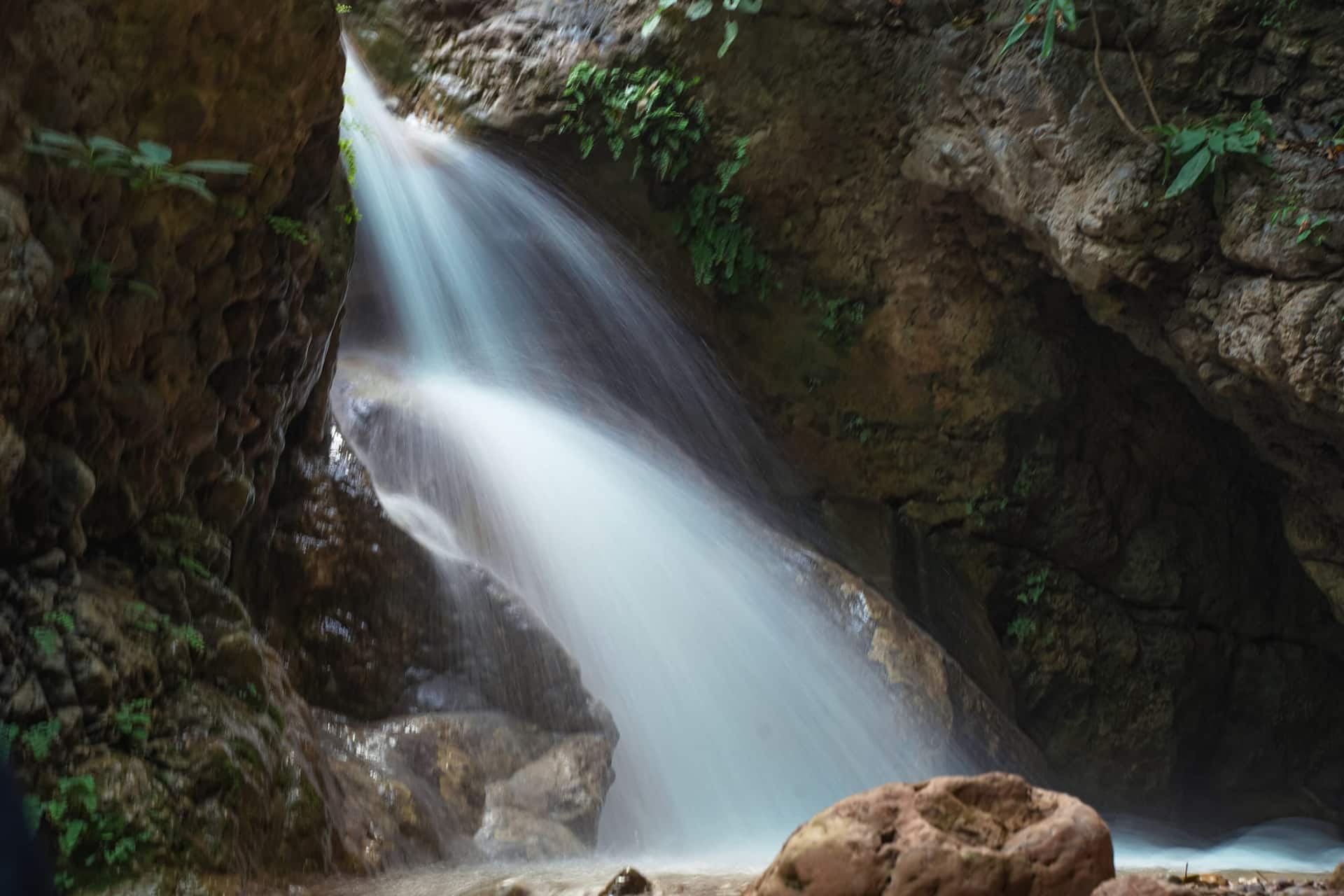
Guided Journaling is included in Restore, our four-night retreat, and in Rebirth, the six-night one. In both it sits on an afternoon, after a waterfall morning, with the Ganga aarti at Sai Ghat later the same evening. Your host runs it, and there is no requirement to share a word of it with anyone.
On any other trip it can be added as a standalone session — tell your host and it goes into the plan. If the journaling is the main reason you are coming rather than a nice extra, say so early, and the rest of the week can be built to leave room around it.