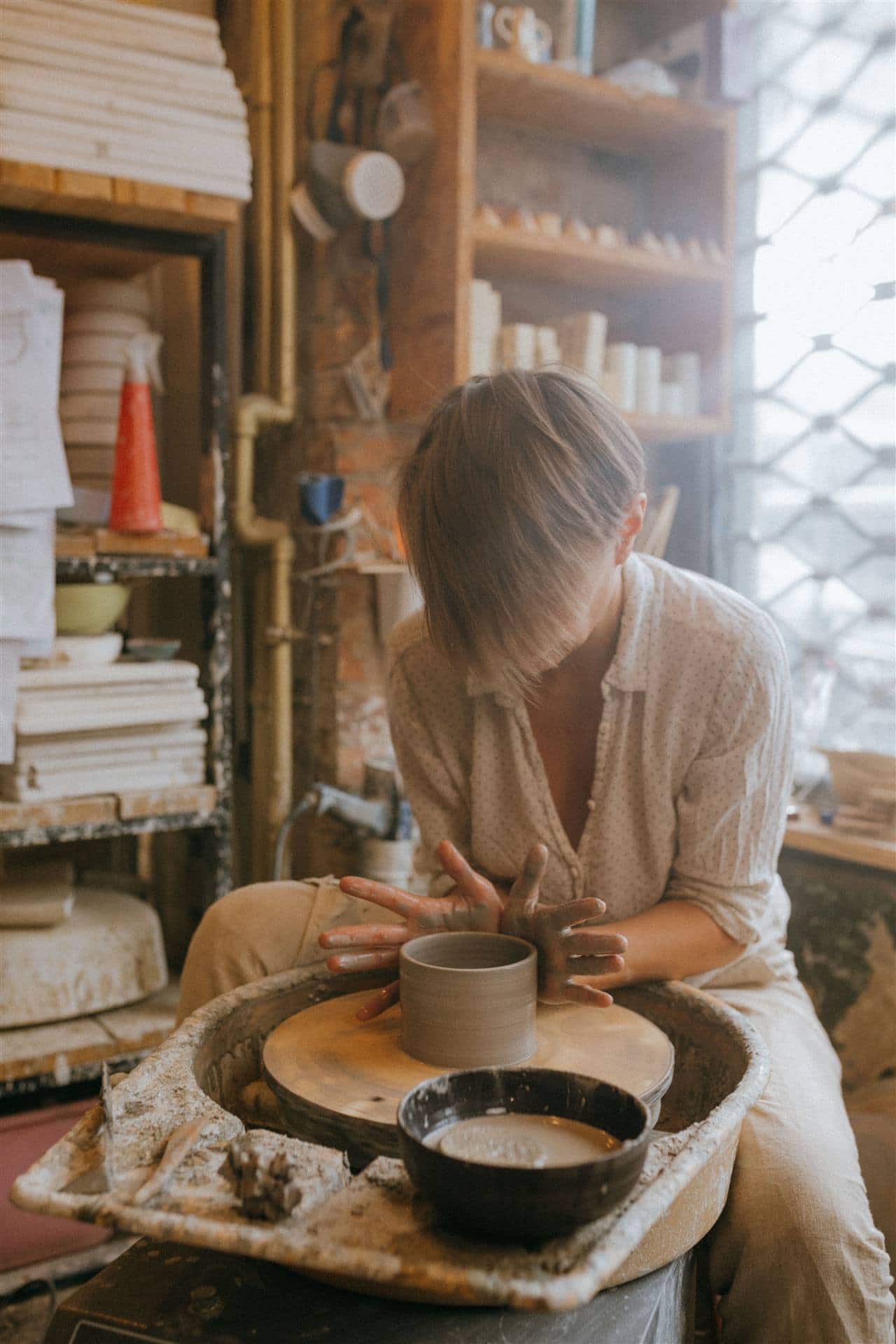
Rishikesh gives you a great deal to look at. A pottery workshop in Rishikesh is one of the few things here that asks you to use your hands instead. You sit down at a wheel, a local potter puts a lump of wet clay in front of you, and for the rest of the morning nothing else gets a look in.
What actually happens at the wheel
It starts slower than you expect. The clay gets wedged first — pressed and folded to push the trapped air out of it. That is the least photogenic part of the morning and the part everything else rests on. Then comes centring: persuading the lump to sit true on a spinning wheel so it stops fighting you. Most people spend a while here, hands aching slightly, quietly wondering why a piece of mud will not just hold still.
Then the clay opens. You press a thumb into the middle, draw the walls up between your fingers, and a bowl appears — usually a moment before it wobbles and folds in on itself. So you start again. The next one is better. Somewhere along the way something holds its shape, and you will be surprised how much satisfaction that delivers.
You do not need any experience
None at all. This is not a course with prerequisites, and nobody expects you to turn up knowing anything. Plenty of people who sit down at a pottery workshop in Rishikesh have never touched a wheel before, and the session is built for exactly that.
The teaching is mostly hands rather than words. The potter sits beside you, reaches over, shifts your wrist a fraction, and the wall that was wobbling stops wobbling. Language barely comes into it, which helps in a town where the person teaching you and the person next to you may not share one. It works for children as well as adults. It also works for the people who announce at the start that they are not creative — the wheel does not care either way.
Nobody is any good at this on the first attempt. That turns out to be the point — a morning where you are visibly a beginner and nothing at all rides on it.
What the session asks of you
Not much, physically. You sit, you lean forward, and your hands stay wet. If you have wrist or lower-back trouble, the leaning is the part that tends to catch up with people, so mention it at the start rather than pushing through it. There is usually a way to work at a table instead of at the wheel, and it is a better session for asking.
The other thing it asks for is patience with yourself, and that one is harder. Nothing about the wheel rewards force. Push harder and the wall tears. It is one of the few things you can do in this town where trying less produces a better result, and most people need most of the session to believe it.
You keep what you make
Whatever comes off the wheel is yours. People underestimate this until they are holding a slightly lopsided cup they made themselves, which beats anything on a market shelf for reasons that have nothing to do with how good the cup is.
One honest practicality: clay has to dry before it can be fired, and firing takes time. How and when you collect your finished piece is worth raising with your host early rather than on your last morning. Ask when you book, not when you are packing. If your dates are tight, say so at the start and the potter will tell you what is realistic.
Why doing it here is different
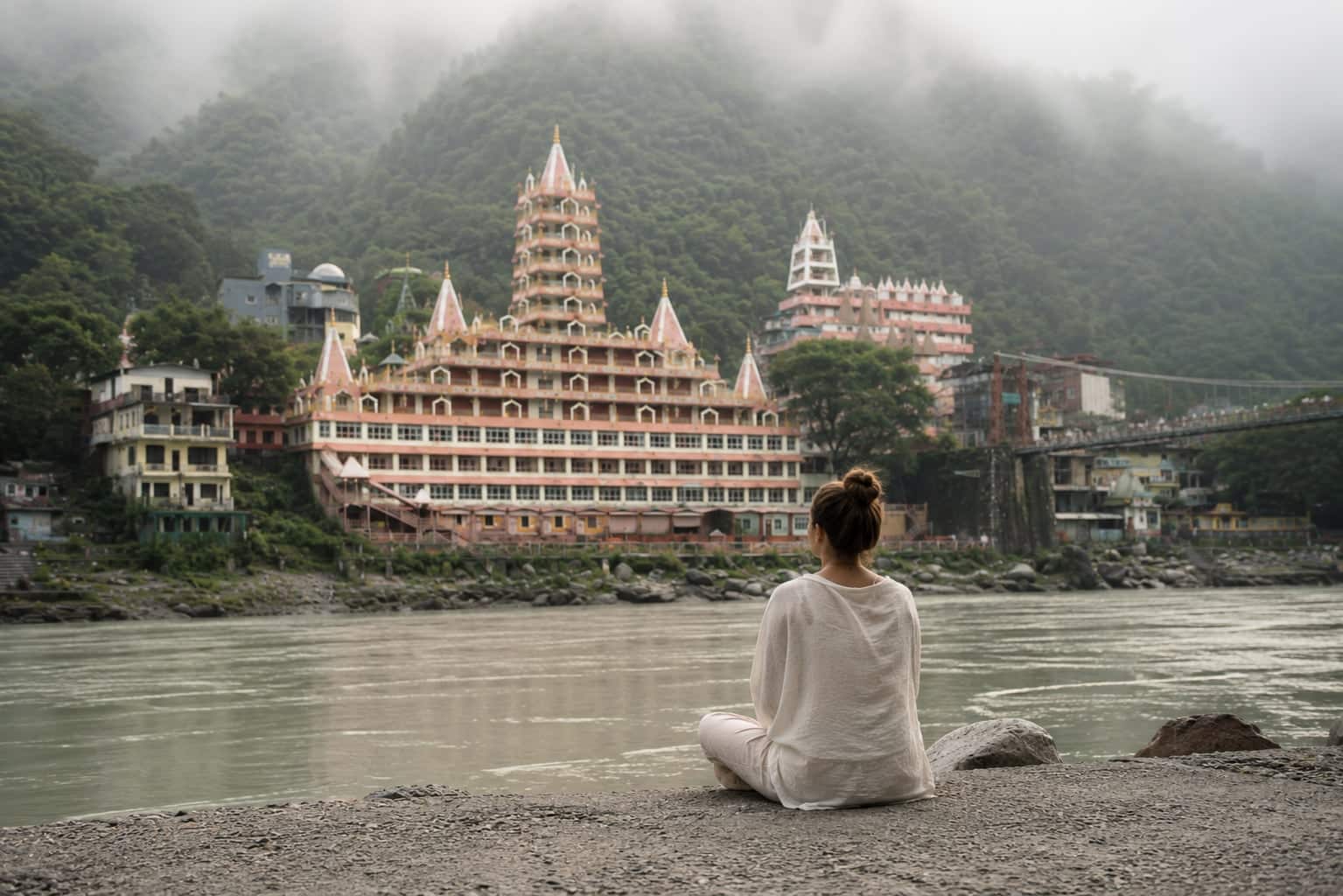
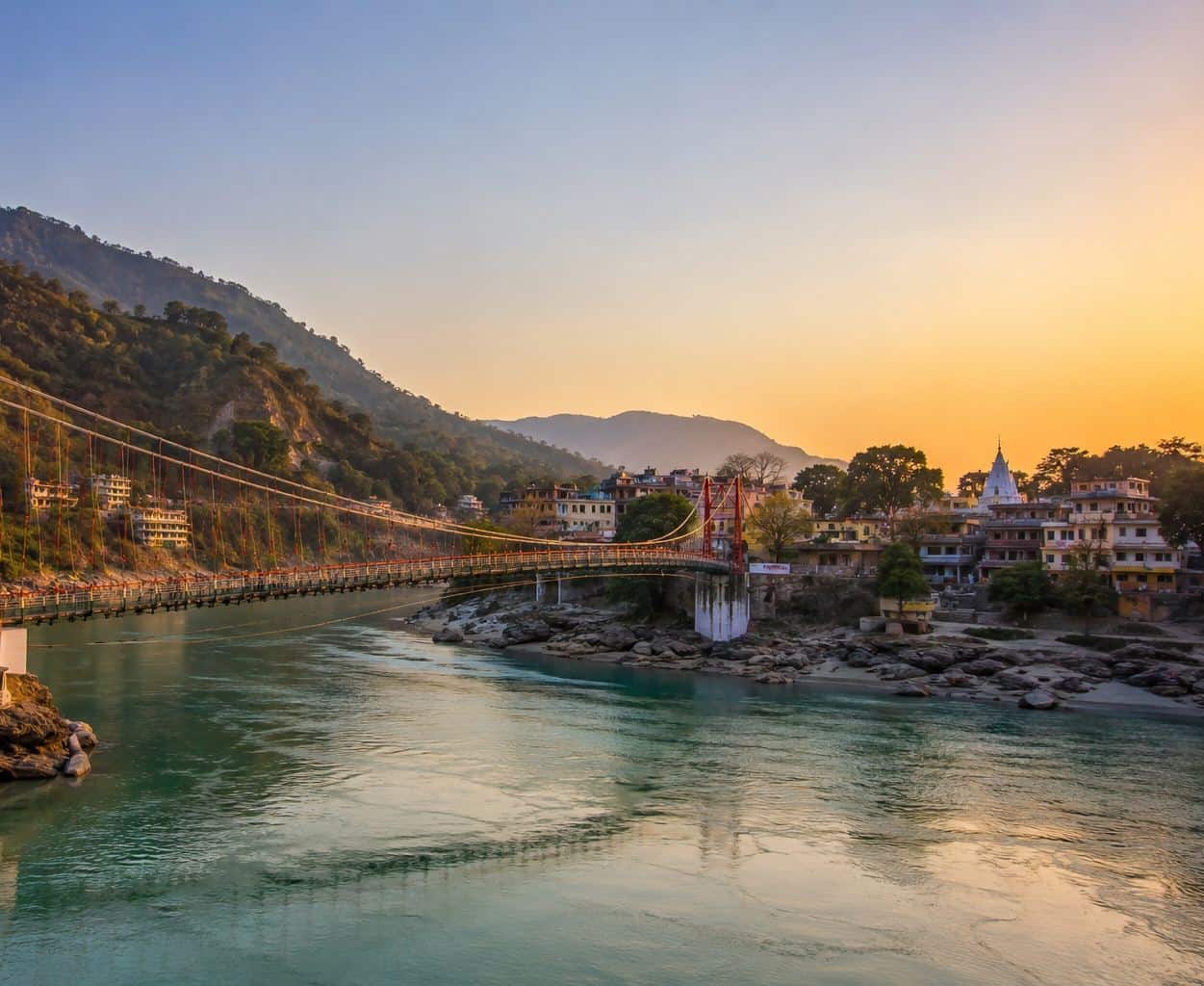
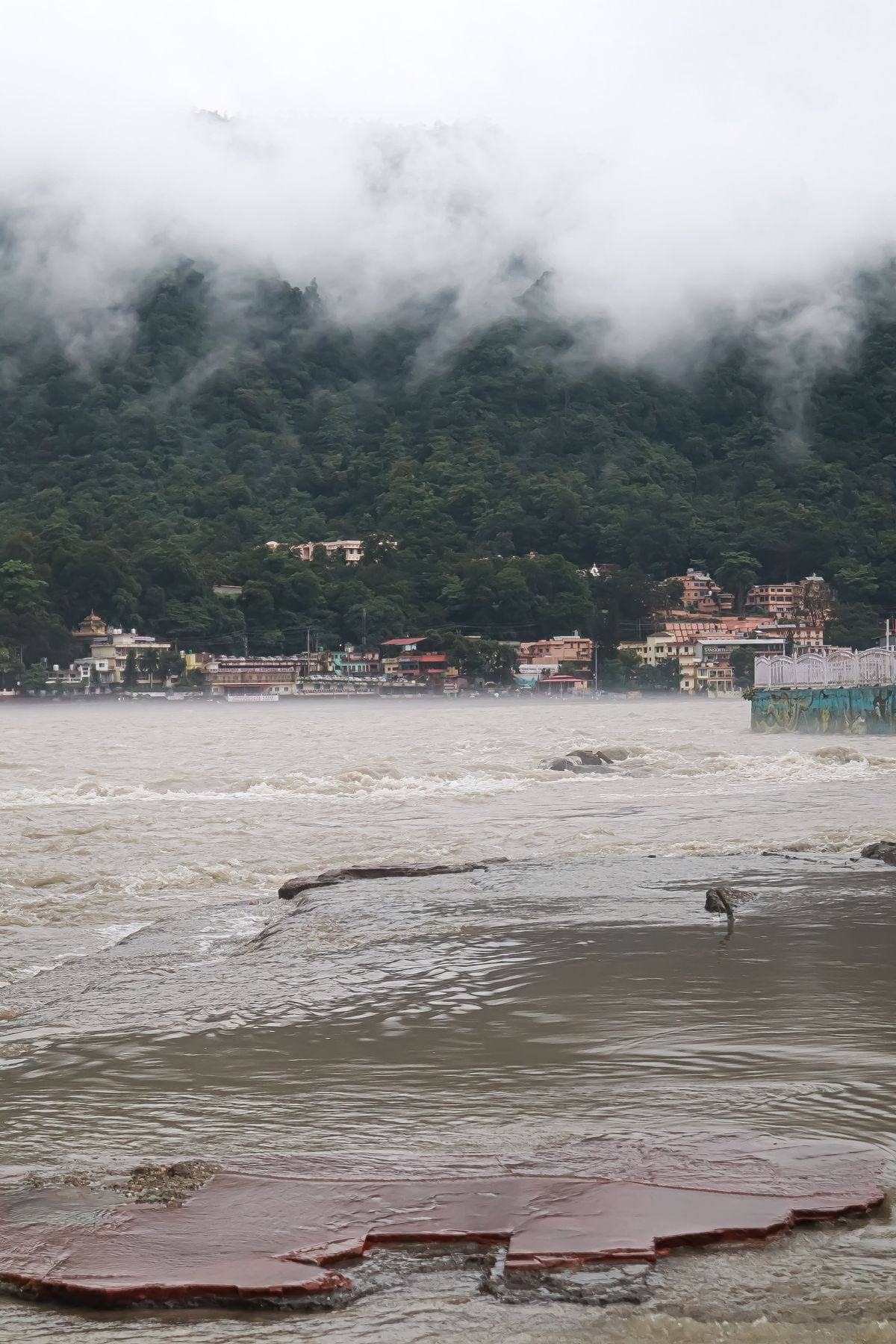
A pottery workshop in Rishikesh is not the same thing as one in a city studio. You are in the Himalayan foothills of Uttarakhand, in a town that runs at the pace of the river it sits on, and that pace gets into the room with you. Working clay is already a slow, repetitive, quietly absorbing thing to do. Doing it here removes the last few reasons to rush.
It also gives you something to bring home that is not a photograph. Most of what you carry back from Rishikesh lives on a phone. This does not.
When to book a pottery workshop in Rishikesh
Mornings are best. The light is good, the heat has not arrived, and the rest of your day stays open afterwards.
- Wear: Clothes you genuinely do not mind marking. Clay comes off skin easily and off fabric less so.
- Before you sit down: Short nails help, tie long hair back, and take rings off.
- Bring: Nothing you would mind getting clay on. The clay and the tools are the potter’s side of it.
- Good to pair with: A slow lunch afterwards rather than anything that needs you to be somewhere on time.
How this fits into a trip with us
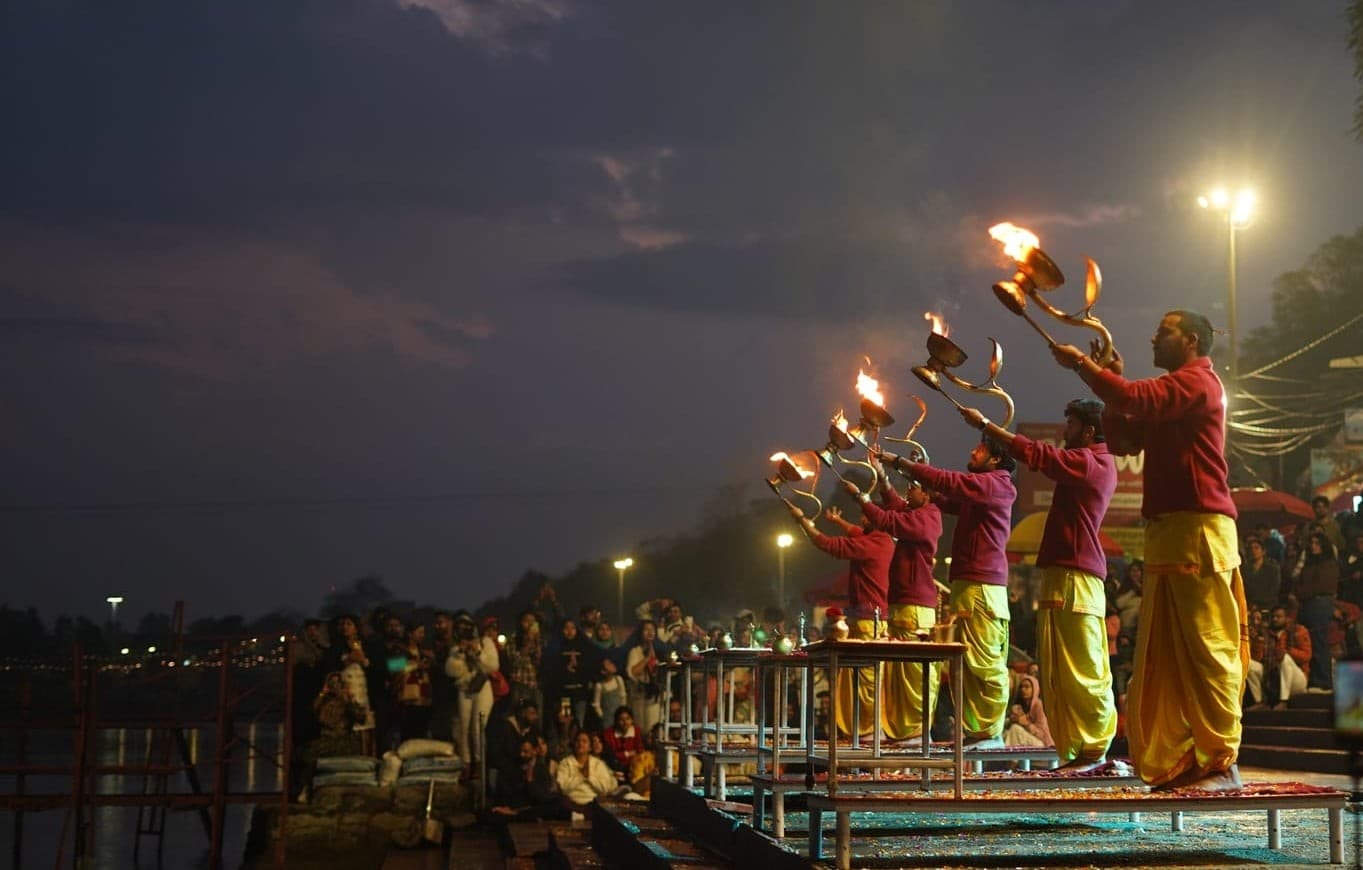
The pottery workshop is built into Rebirth, our six-night retreat — it sits on a morning between a Ganga dip at Freedom Ghat and an afternoon out at Vashisht Cave. On any other trip, it can be added as a standalone session. Tell your host you want it and it goes into the plan.
If a single session sounds too short, there is also a longer pottery course taught by an independent local studio rather than by us. Your host places you with them and arranges the rest of your days around it, which is the part most people would rather not do from a guesthouse roof with patchy signal.