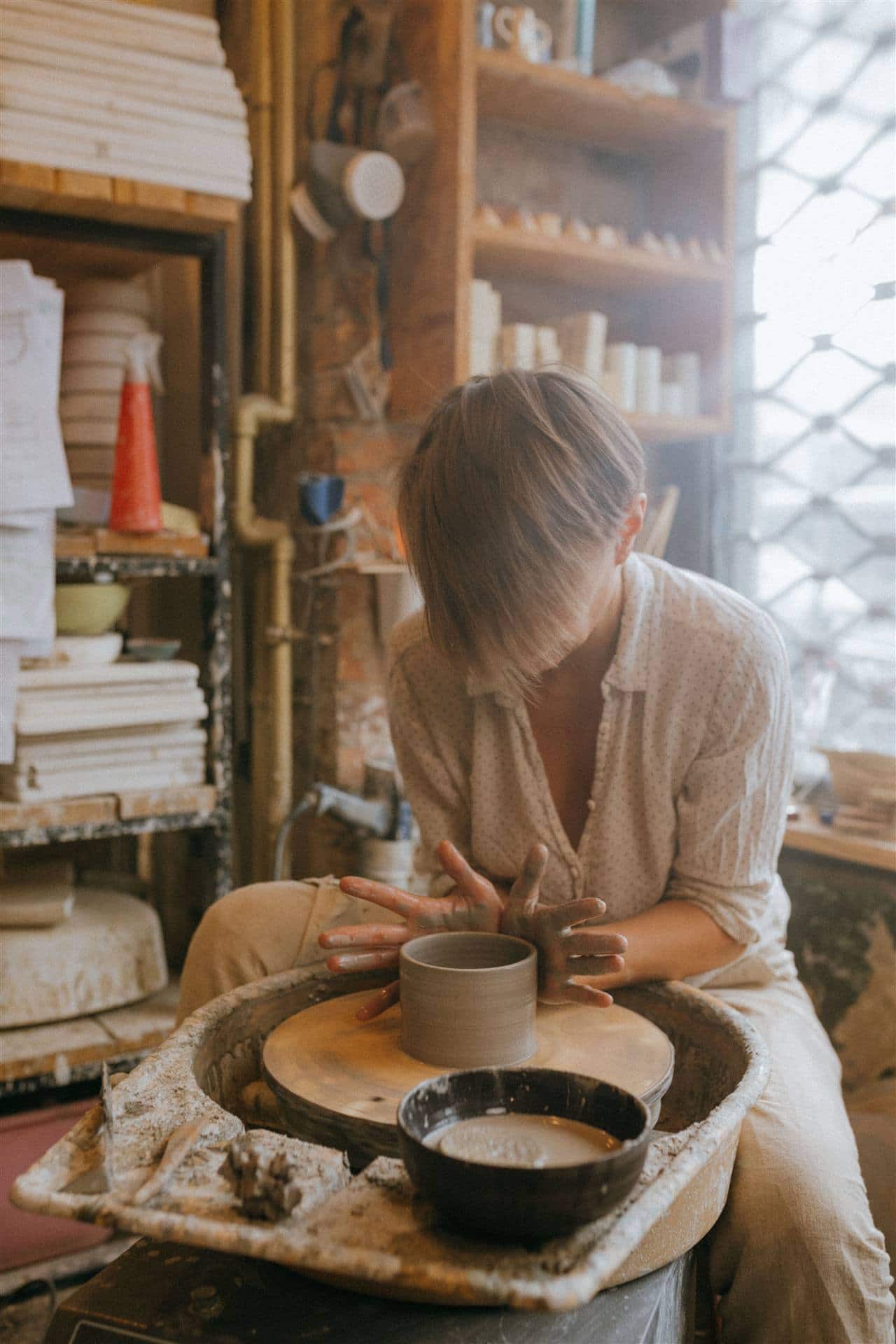
Classes in Rishikesh give you a way to take part in local creative and food traditions rather than just watch them. You can move to rhythm in a dance session, feel how clay responds to your hands in a pottery workshop, or cook an Indian meal and get to know its spices as you go. The right one to drop in on depends on your time, your interests and your energy, so pick the experience that fits your visit, then confirm its format and the practical details before you book.
Find your kind of class first
Choose dance if you want to work with rhythm, movement and expression. Choose pottery if you would like to make something tangible and learn through touch. Choose cooking if you are curious about Indian ingredients, regional food and techniques you can practise again at home. If you are here only briefly, look for a clearly defined introductory session you can drop into; if you are staying longer, a multi-session course gives room to actually build a skill.
Dance classes in Rishikesh
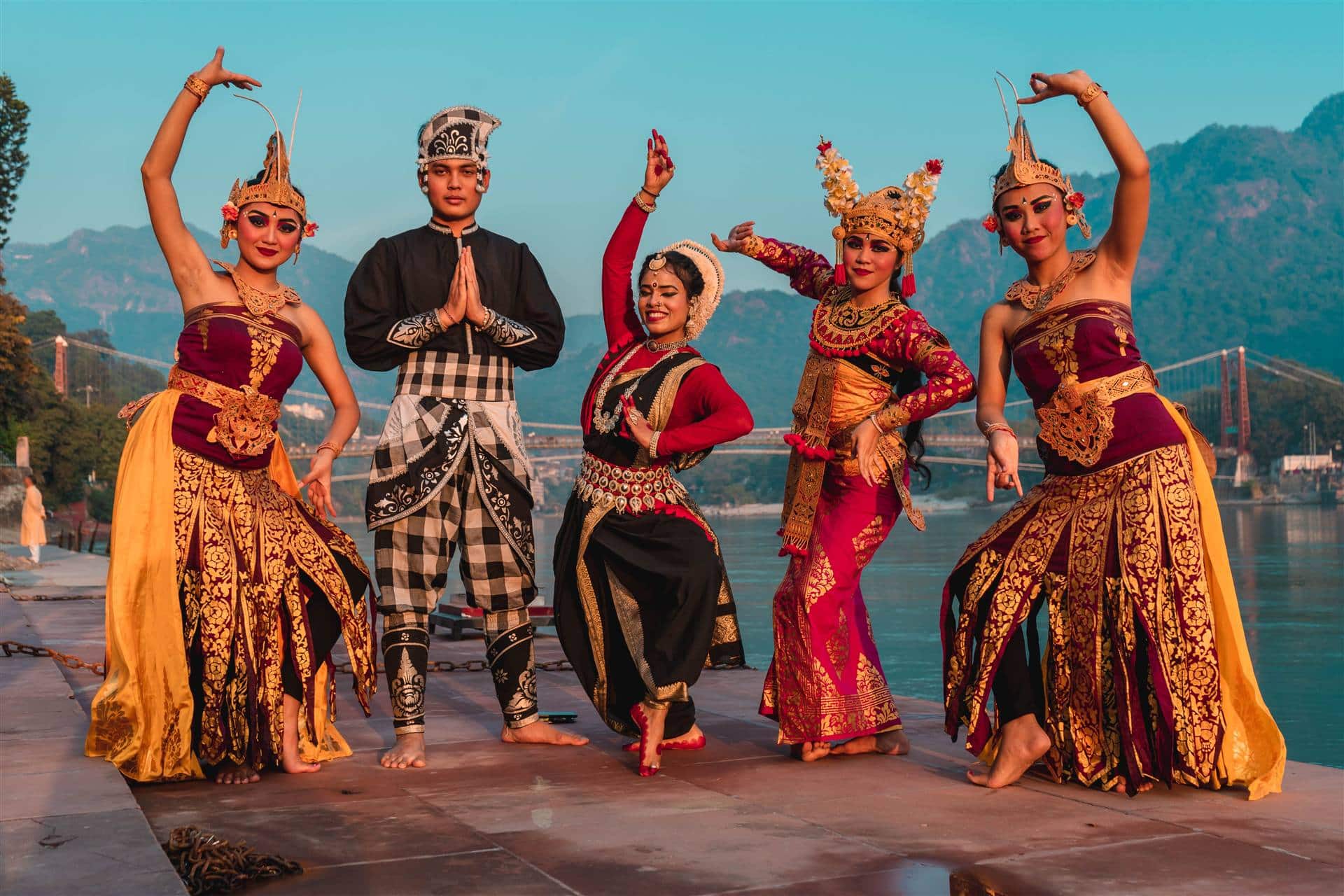
A dance class can offer more than choreography. Depending on the style, you might work on rhythm, footwork, posture, gesture or expression. Kathak uses rhythm, footwork and expressive storytelling; Bollywood sessions tend to be choreography-led; folk styles vary by region. A good beginner session introduces the foundations before any longer sequence, so treat the first class as a chance to see whether the style suits you. Wear clothing you can move in, and ask whether bare feet or particular footwear are expected. Our classical dance workshop guide and the tabla and kirtan guide go deeper if music and movement are your thing.
Pottery classes in Rishikesh
Pottery is a hands-on way to slow down and pay attention to a material. Clay changes under pressure, moisture and movement, so the process asks you to notice what your hands are doing rather than rush to a finished object. A first workshop gives you a taste; a longer course makes room for repetition and control. Ask whether the session is wheel throwing, hand building or both, and, importantly, whether your piece will be dry, fired and ready during your stay, since a clay piece often needs time before it can travel. Our pottery workshop guide and the live pottery classes in Lower Tapovan cover the formats from a short taste to a full studio course.
The aim of a short workshop is to learn the basic actions and enjoy the process, not to master a craft in one sitting. Give it room in the day and it rewards patience.
Cooking classes in Rishikesh
A cooking class lets you meet Indian food beyond the restaurant menu: how ingredients are prepared, why spices are added at different stages, and how several dishes come together as a meal. The most useful sessions explain why a method works, not just what to do next, whether that is tempering spices, managing the heat in a pan or balancing flavours. The practical questions matter most: will you cook yourself, are ingredients provided, will you eat together, and will you get recipes to take home? Do not assume every vegetarian, vegan, Sattvic or Ayurvedic-style class follows the same rules, so explain allergies and preferences in advance.
How to fit a class into your visit
- A few hours: pick one clearly defined introductory session and leave space around it. Confirm the meeting point, start and finish before planning anything else.
- Several days: consider a longer course. Dance sequences grow familiar with practice, pottery rewards repetition, and cooking gives time for more than one menu.
- With friends or family: check the group size, whether everyone is hands-on, and age suitability and supervision for children.
- Dietary or access needs: share them before booking. Do not assume a class can accommodate every requirement without a conversation first.
Questions worth asking before you book
- What exactly will we do, and is this a one-off or part of a longer course?
- What is included, and are there extra charges?
- Where is the meeting point, and how long should I allow to get there?
- What should I wear or bring?
- For pottery, when will my piece be ready and how do I collect it?
- For cooking, are ingredients, a meal and recipes included?
Frequently asked questions
What kinds of classes can you drop in on in Rishikesh?
Dance, pottery and cooking are the most rewarding to join for a session. Choose dance if you want to work with rhythm, movement and expression; pottery if you would like to make something tangible and learn through touch; cooking if you are curious about Indian ingredients, regional food and techniques you can practise again at home.
Do I need experience to join a dance class?
No. A beginner-friendly session should introduce the foundations before any longer sequences, and you do not need to arrive with a performance goal. Treat the first class as a chance to see whether you enjoy the style and the teaching, and tell the instructor beforehand about any movement limitation or uncertainty about intensity.
What is the difference between wheel throwing and hand building?
Wheel throwing shapes clay on a spinning wheel, while hand building uses techniques such as pinching, coiling and slabs without a wheel. Wheel throwing looks simple in experienced hands, but centring the clay takes practice; hand building lets you assemble shapes directly. A class may focus on one or introduce both, so ask what is included.
Can I take my pottery piece home after the workshop?
Not always straight away. A clay piece may need drying, firing and sometimes glazing before it is ready, so ask whether it will be available during your stay. This matters if you are leaving Rishikesh soon after the class, since some pieces are fragile or unfinished at the end of the session.
What should I check before booking a cooking class?
Check whether ingredients, the meal and recipes are included, and explain any allergies or dietary requirements in advance, asking specifically about dairy, gluten, onion, garlic, nuts or chilli when relevant. If you want a particular cuisine, make sure the session focuses on it rather than leaving the menu open-ended.
Should I book a class before arriving in Rishikesh?
It helps to confirm the exact meeting point, start time and expected finish before you plan anything else around it. A class is far more enjoyable when you do not have to leave halfway through or rush to the next stop, so give it room in the day rather than squeezing it between activities.
Planning your visit
Choose a class around the time you have rather than squeezing it between activities, and check the meeting point, travel time and what you can take home or keep practising afterwards. You can browse the creative courses we run, or build a class into your trip: a co-host will help fit it into your itinerary and confirm the practical arrangements.