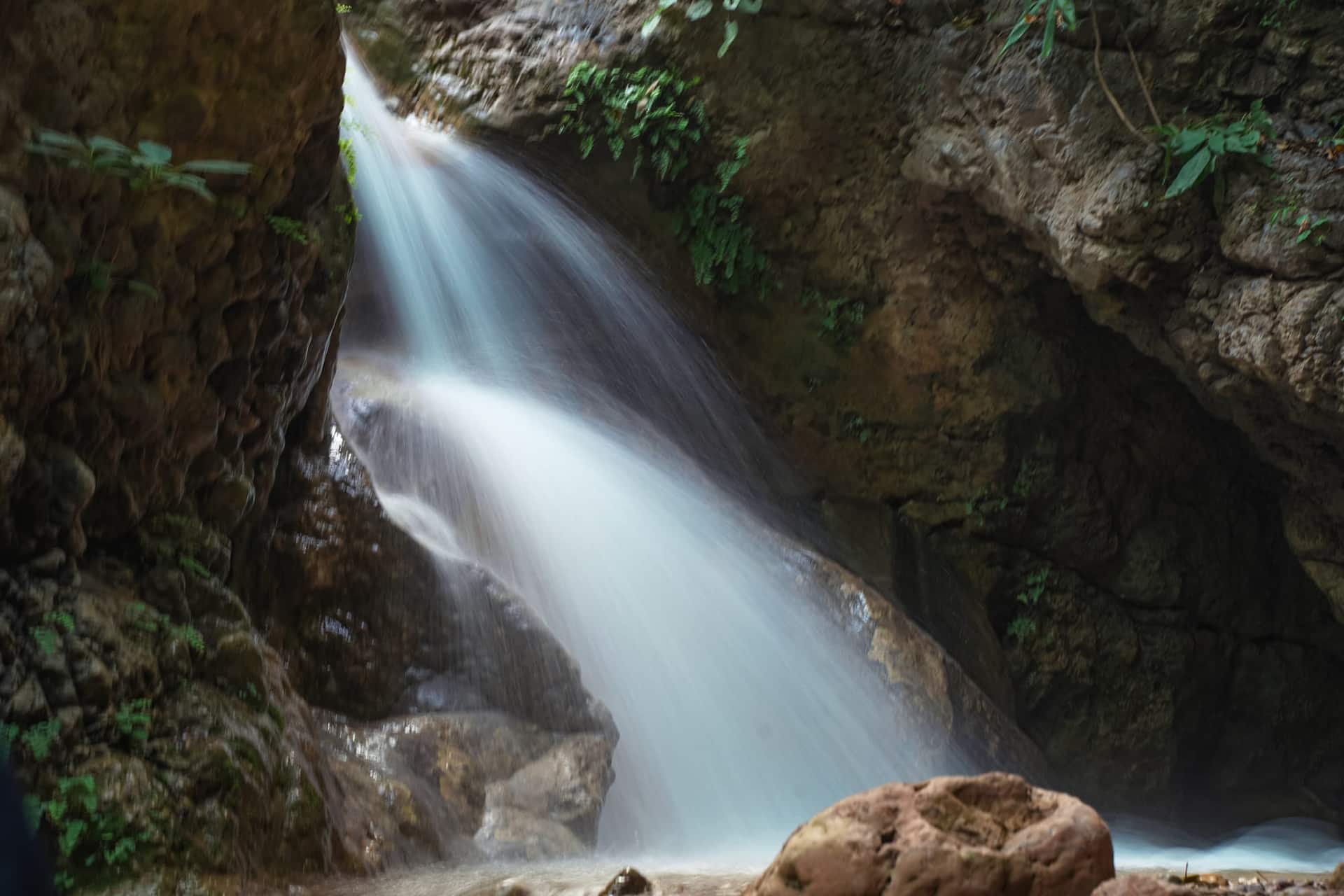
Rishikesh changes during the monsoon. The hills turn green, rain-fed waterfalls carry more water, rafting pauses and hill journeys become less predictable. It can be a good time for a slower stay if you are willing to change plans around the weather. It is the wrong season to come mainly for rafting or tightly timed outdoor days.
Start here: is Rishikesh worth visiting during the monsoon?
Yes, Rishikesh is worth visiting during the monsoon if you want green hills, fuller waterfalls, yoga, meditation and a slower few days beside the Ganga. It is less suitable if your main reason for coming is river rafting, or if you have a fixed itinerary that depends on several outdoor activities working on particular days.
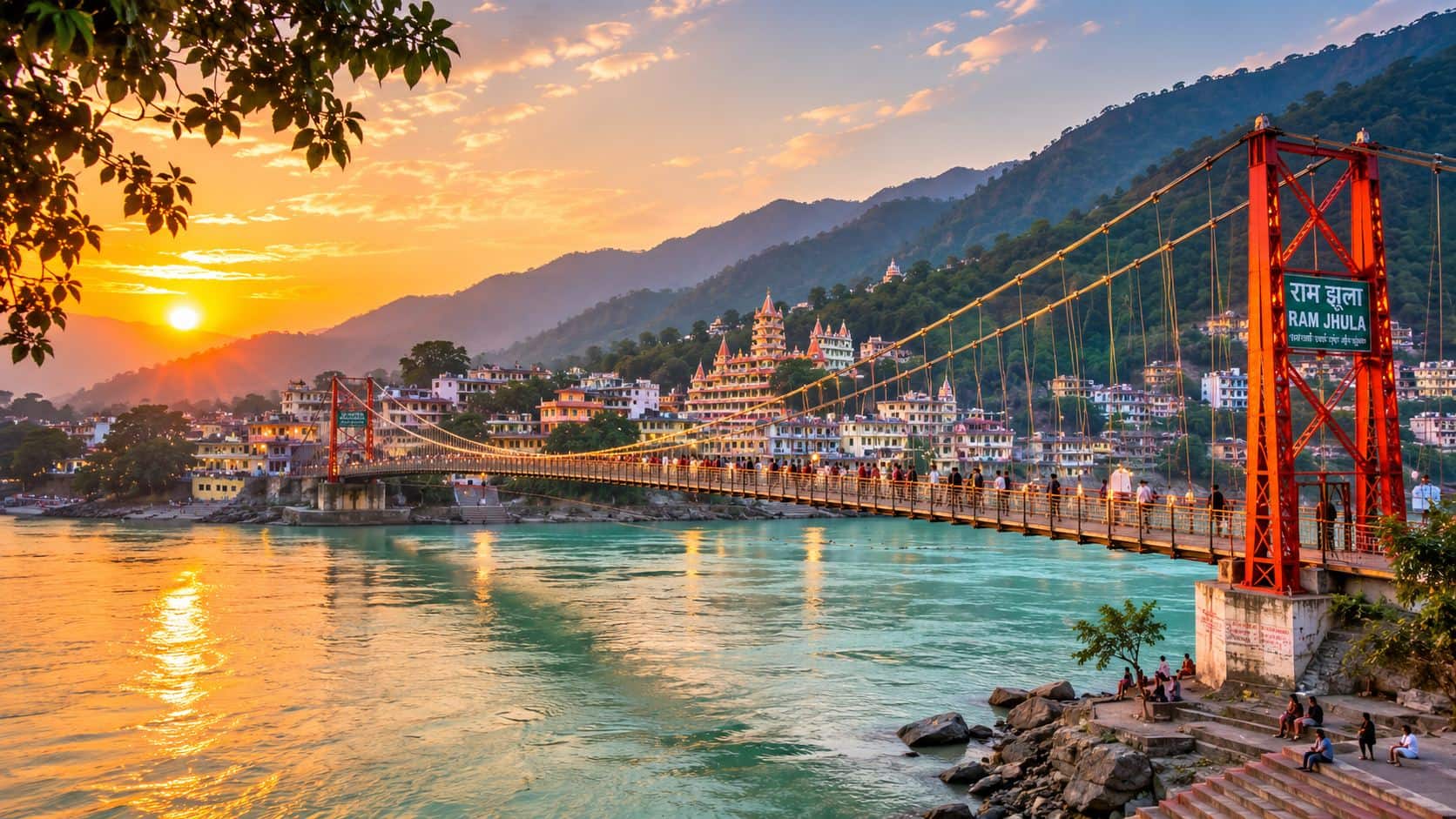
The main monsoon period in Rishikesh is usually July to mid-September, although the arrival and withdrawal of rain vary from year to year. The town looks different during these months. The surrounding hills become greener, the waterfalls gain flow and the Ganga carries considerably more water.
There is a trade-off. Heavy rain can affect road journeys, make forest paths slippery and change river conditions quickly. You may need to cancel an outing or replace it with something closer to town. If you are choosing your dates, start with what you want from the trip. Our guide to the best time to visit Rishikesh compares the seasons and explains what each one is actually good for.
What changes in Rishikesh when the monsoon arrives?
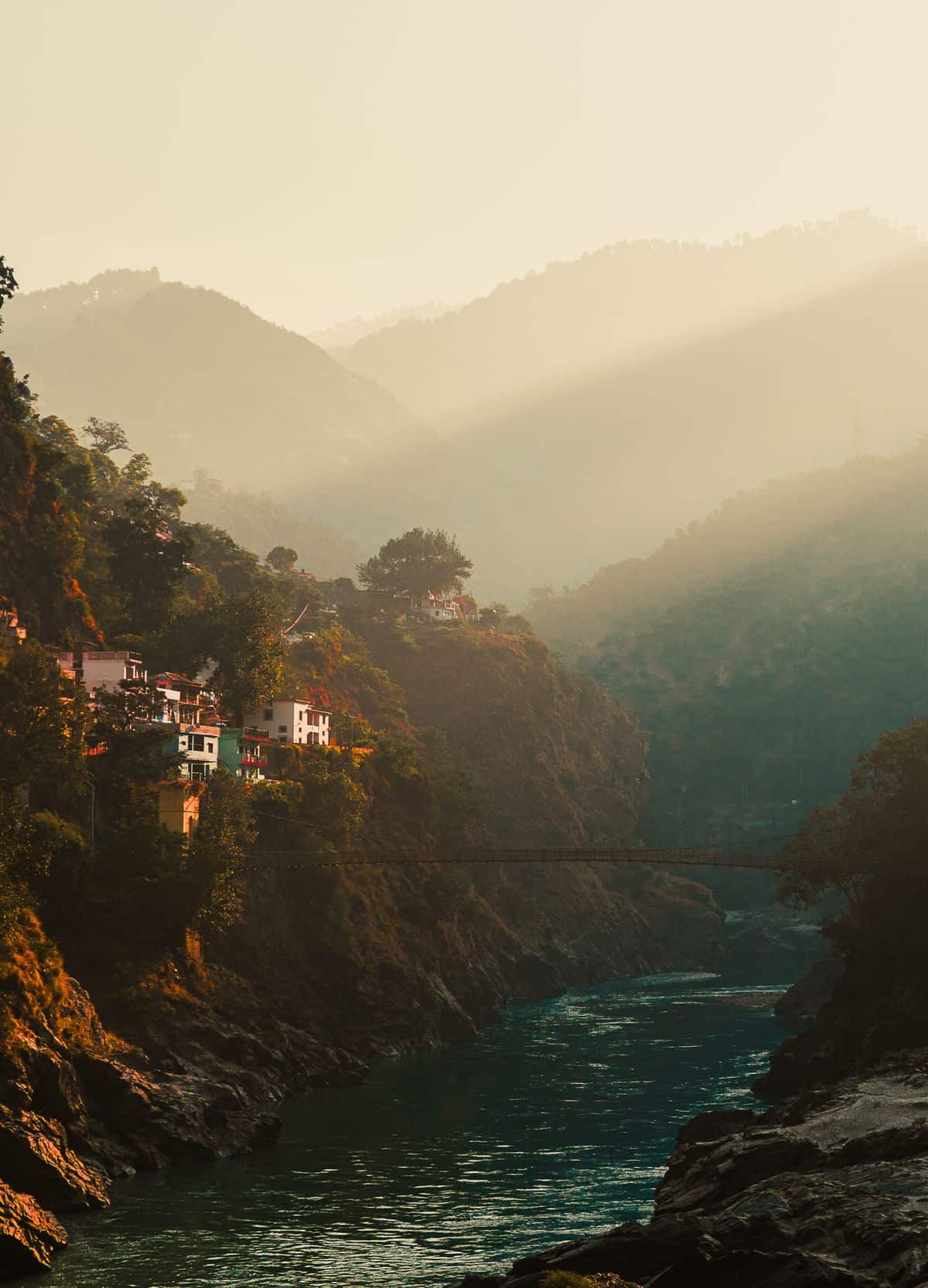
The first thing you notice is the landscape. The dry-looking hills become green, the forest thickens and the smaller waterfalls begin carrying more water. Clouds move across the surrounding hills, and some mornings the landscape looks completely different from the clear, bright conditions you get in other months.
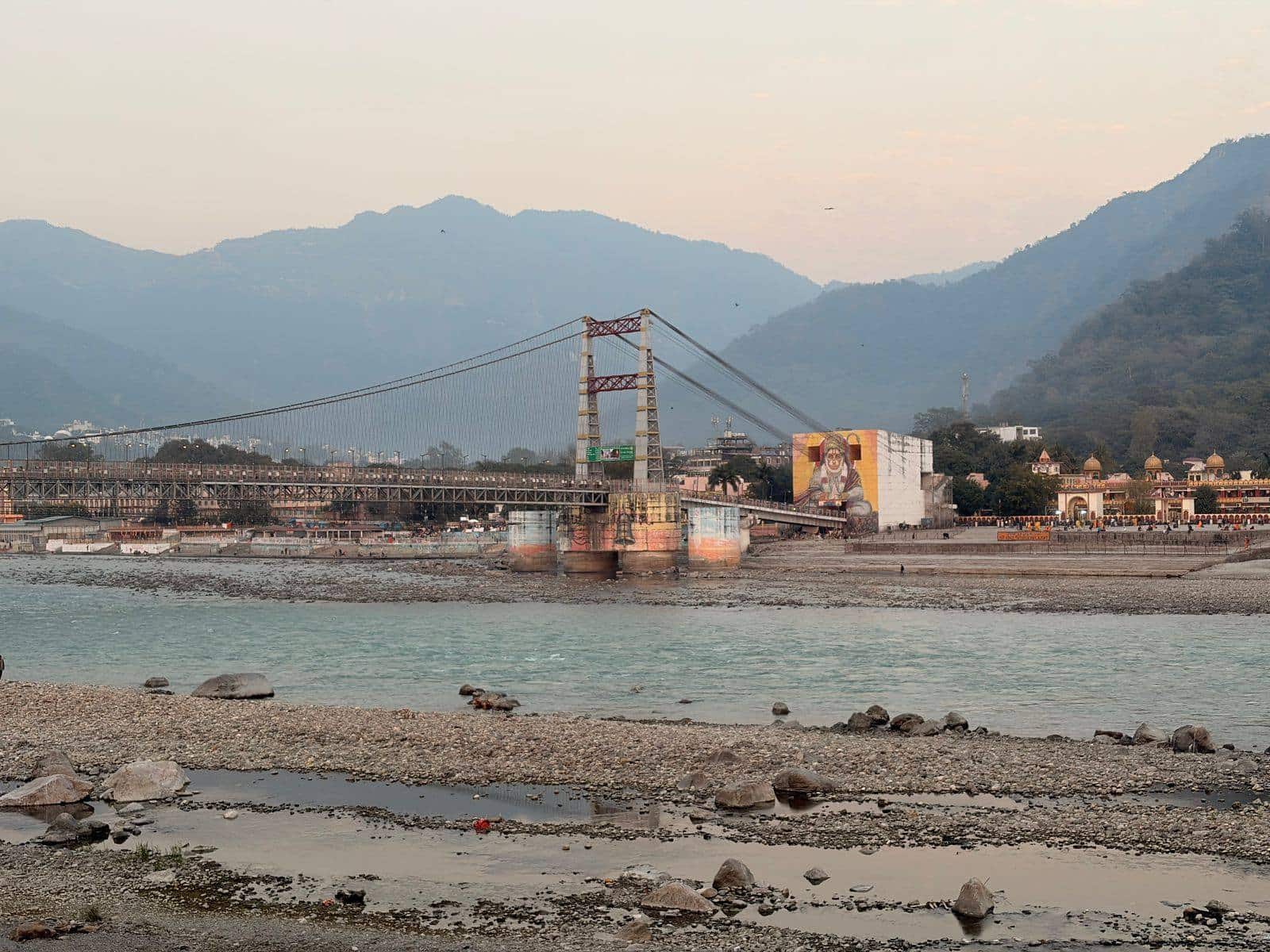
The river changes too. The Ganga can become much fuller and faster after sustained rainfall. The exposed sand and rocks that visitors may have walked across during drier months can disappear under rising water. The town itself does not close for the monsoon. Cafes, accommodation, ashrams and many everyday services continue operating, although individual businesses may adjust their arrangements. What changes most is the reliability of outdoor plans.
You might plan a waterfall walk and find that the trail is too slippery. A hill drive may take longer, or a road may be temporarily blocked by debris. A riverside visit that felt comfortable a few weeks earlier may no longer be safe. This is why monsoon travel in Rishikesh needs a different approach. Keep the main idea of your trip, but leave room to change how you spend each day.
The waterfalls are fuller, but choose your day carefully
Waterfalls are one of the strongest reasons to consider Rishikesh during the monsoon. Unlike waterfalls fed mainly by melting snow, smaller waterfalls around Rishikesh depend heavily on rainfall. Their appearance changes through the season, and they are generally at their strongest during the monsoon and the weeks that follow.
Patna Waterfall, on the Neelkanth Temple road near Patna village, is a good example. It is a seasonal cascade over limestone, reached by a forest walk. When the water is flowing well, the gorge becomes greener, with wet rock, moss, ferns and small streams along the approach. But there is a difference between a waterfall running strongly and a trail being safe to walk. During peak monsoon, the path can become slippery, loose rocks are harder to trust and the small stream crossings may carry more water. Wet limestone around the waterfall is particularly slippery. The safer window is often after the heaviest rain has passed, provided the trail is open and conditions are suitable.
If Patna is on your list, read our Patna Waterfall forest walk guide before setting out. It explains the terrain, seasonal water flow and what footwear to bring. Do not climb around the waterfall face for photographs, and do not treat the pool as a swimming area. Enjoy the water from stable ground.
What can you still do in Rishikesh during the monsoon?
A slower Rishikesh trip can work very well when you stop trying to fit every adventure activity into it.
Yoga and meditation. This is a good season to give more time to indoor yoga, pranayama and guided meditation. You can practise without making the entire day dependent on road travel or river conditions. If you have never tried meditation before, our meditation guide for beginners in Rishikesh explains the different approaches and what a guided session involves.
Ashrams and temples. You can still spend time around Rishikesh’s ashrams and temples, provided access and local arrangements allow. A visit to a place of worship should be planned respectfully, and you should check whether visitors are welcome at the particular time you intend to go.
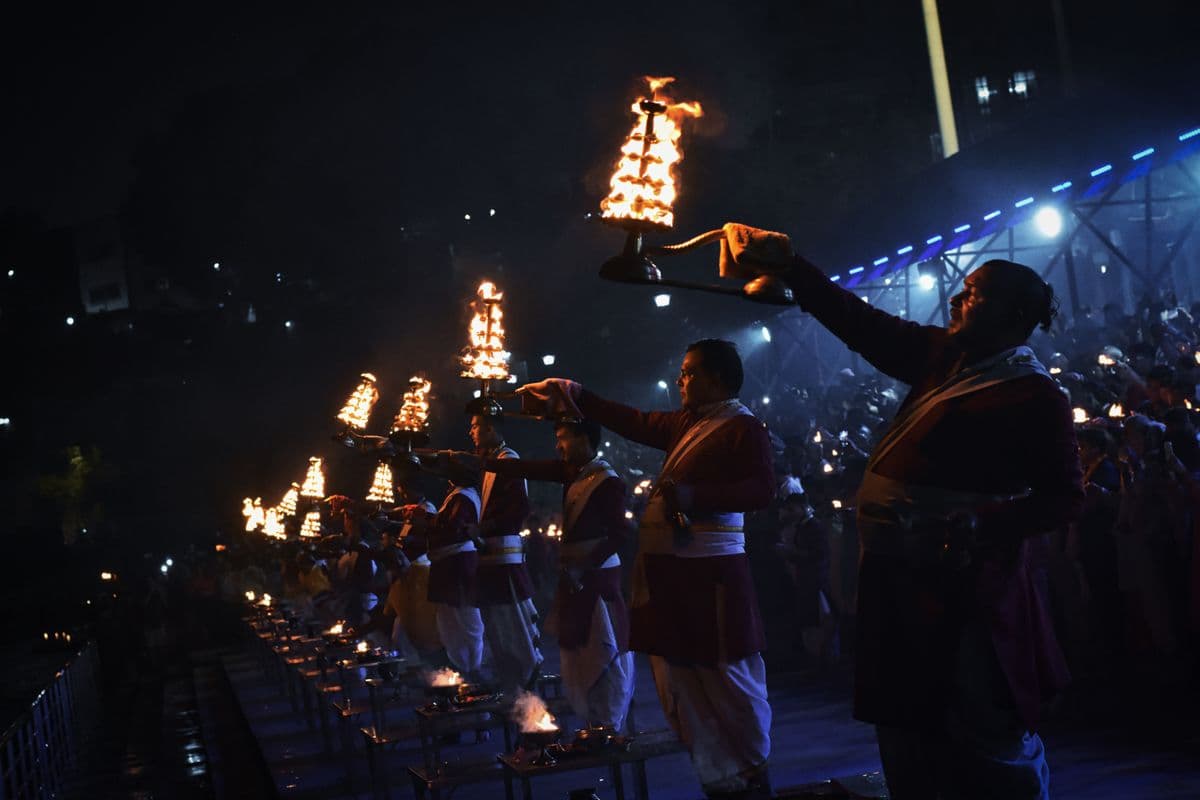
Ganga Aarti. The evening Ganga Aarti remains an important part of Rishikesh’s cultural life. You can plan around a ceremony when it is taking place, but do not assume the usual arrangements or access will remain unchanged during heavy rain or high river levels. Our local guide to Ganga Aarti at five different ghats explains how the atmosphere differs between Parmarth Niketan, Triveni Ghat and the smaller riverside locations.
Cafes and quieter afternoons. Some days, the best plan is to spend less time travelling. Find a cafe, have a proper meal, read, practise yoga or simply wait for the rain to pass. You came to Rishikesh, not to complete a checklist.
Rafting pauses. Do not build your monsoon trip around it.
This is the biggest activity-related change during the monsoon. Uttarakhand Tourism lists the river rafting season as September to June. During the main monsoon period, rafting on the Rishikesh stretch pauses because higher water levels and stronger currents make operating conditions unsuitable. This is not a matter of finding an operator willing to take you. If rafting has been suspended, do not look for an unofficial alternative.
The distinction between the calendar and actual river conditions matters too. On 27 September 2026, rafting at Muni-ki-Reti was halted again following continuous rainfall, even though the seasonal break had already ended and rafting had resumed on 23 September. SDRF and Jal Police personnel also warned people against approaching the ghats and riverbed areas while the water level was high. In other words, the end of the usual monsoon break does not automatically mean the river is safe for rafting.
Other outdoor activities can also be affected by heavy rain. Ask the relevant operator whether your chosen activity is running on your actual date. Do not rely on a booking page that was written for dry-season conditions. If rafting is the main reason for your visit, September to June is the broader operating season, subject to official conditions. For a monsoon trip, plan around yoga, the town, the waterfalls when safe, and the slower side of Rishikesh instead.
The Ganga and hill roads need more respect in the rain
There are two places where I would be particularly careful during the monsoon: the riverbank and the roads leading into the hills. Start with the Ganga. After sustained rain, the water can rise and move more strongly. A stretch of sand or rock that looked accessible on your previous visit may be underwater or unstable. Do not swim, take a dip, sit on exposed riverbed rocks or walk towards the current simply because the water looks calm from the steps. Follow barricades, warning signs and instructions from local police. If authorities advise people to stay away from the river, stay away.
This is not just general caution. During the heavy rainfall advisory of 28 July 2026, the Uttarakhand administration advised people to avoid rivers and streams, avoid non-essential travel and exercise caution in the hills because of increased landslide risk. Hill roads bring another problem. Rain can loosen rocks and soil on slopes, causing debris to cover a road or temporarily interrupt traffic. A drive towards Kunjapuri, Neelkanth Mahadev or a waterfall may need to be postponed even when the weather in central Rishikesh looks manageable.
The Uttarakhand Public Works Department maintains road-closure reports and information on alternative routes during the monsoon. Check the current position before leaving town, rather than assuming yesterday’s route is still open. A good rule is simple: if there is a heavy rainfall warning or a local road or river warning, change the plan. No photograph, temple visit or waterfall is worth ignoring an official safety instruction.
Where should you stay during the monsoon?
Your choice of accommodation matters more during the monsoon than many people expect. Rishikesh has plenty of properties on hillside lanes, but a beautiful view does not help much when your taxi cannot reach the entrance and you are carrying a suitcase up a wet, steep path. In particular, ask whether a vehicle can reach the property directly, how much walking is required with luggage and whether the approach has steep steps or uneven surfaces.
Tapovan can be a practical base because it has cafes, yoga spaces, shops and everyday services. But even within Tapovan, access differs from one property to another. Do not assume that every hotel described as centrally located has easy vehicle access. Swargashram offers a different atmosphere, with ashrams and the Ganga close by, but some sections have pedestrian-oriented access that needs checking before you arrive. Our guide to where to stay in Rishikesh explains the difference between the areas, including the question of whether your taxi can reach the door.
If you are coming mainly for yoga and a slower routine rather than adventure activities, you could also compare our wellness retreats in Rishikesh. Before booking monsoon dates, ask your co-host how outdoor elements in the standard retreat programme, including rafting, are adjusted when river activities are suspended.
Build a flexible trip, not a rain-proof itinerary
The most useful thing you can bring to Rishikesh during the monsoon is a flexible plan. Do not put a waterfall, a hilltop sunrise, a long road journey and an evening activity into one tightly timed day. Each of those depends on different conditions, and rain can change several of them at once.
Instead, keep one day for the town and its everyday experiences, leave another morning available for a waterfall or hill outing if conditions allow, and make space for indoor practice or simply resting. If one morning is wet, you can move the outdoor experience rather than cancelling the entire day. If the river is high, enjoy the town from safer locations instead of trying to get closer to the water. If your dates and interests are flexible, you can build your own Rishikesh trip and tell your co-host what you want to do. The plan should take the actual weather, road access and activity availability into account, not just the attractions on a list.
The monsoon is a good time to see a different Rishikesh, provided you are willing to let the weather decide what happens each day.
A few things that make the monsoon trip easier
- Pack for wet weather: carry a light rain jacket, quick-drying clothes and a waterproof bag for your phone and other essentials.
- Wear shoes with grip: forest paths, temple steps and wet stone can become slippery. Leave smooth-soled footwear for another day.
- Keep outdoor plans flexible: have a town-based alternative whenever you plan a waterfall or hill outing.
- Check road conditions: look at the latest road-closure reports and local advice before travelling towards the hills.
- Stay away from the river during warnings: do not enter the water or walk onto exposed riverbed areas when water levels are rising.
- Confirm activities directly: ask your operator whether a specific activity is running on your date, rather than assuming a seasonal listing means it is available.
Frequently asked questions
Is Rishikesh worth visiting during the monsoon?
Yes, Rishikesh can be worth visiting during the monsoon if you enjoy green landscapes, waterfalls, yoga, meditation and a slower trip. It is less suitable if rafting is your main priority or you want a fixed outdoor itinerary. Heavy rain can affect hill roads and river access, so flexibility matters more than it does in drier months.
When is the monsoon season in Rishikesh?
The main monsoon period in Rishikesh is generally July to mid-September, although the arrival and withdrawal of rainfall vary each year. Rain can continue beyond that broad period, and river conditions may remain unsettled after heavy showers. Check current India Meteorological Department forecasts before travel, especially if you have hill excursions planned.
Is river rafting open in Rishikesh during the monsoon?
No. River rafting in Rishikesh normally pauses during the main monsoon period because high water levels and stronger currents make operating conditions unsuitable. Uttarakhand Tourism lists the broader rafting season as September to June. Even after seasonal reopening, individual trips can be suspended following heavy rain. Confirm directly before booking.
Can I visit waterfalls in Rishikesh during the monsoon?
Yes, but choose your day carefully. Rain-fed waterfalls such as Patna Waterfall generally carry more water during the monsoon, and the surrounding forest becomes greener. However, heavy rain can make trails slippery, increase stream crossings and make wet rocks dangerous. Check local trail conditions before leaving and avoid waterfall walks during heavy rainfall.
Is it safe to swim or take a dip in the Ganga during the monsoon?
Do not enter the Ganga during high water, strong currents or official safety warnings. Heavy rainfall can raise the river level quickly, and exposed sandbanks or rocks may disappear or become dangerous. Follow local police instructions and use only appropriate designated access when conditions permit. Never treat a calm-looking stretch as proof that the river is safe.
What should I pack for a monsoon trip to Rishikesh?
Carry a light rain jacket, quick-drying clothing, shoes with good grip and a waterproof bag for your phone and important belongings. A spare set of clothes is useful after a wet outing. Keep your itinerary flexible, check road conditions before hill journeys and carry personal medicines. Avoid packing delicate footwear that cannot handle wet paths.
Planning a monsoon trip
Rishikesh during the monsoon is not for everyone, and that is perfectly fine. If you come for rafting and a full schedule of outdoor activities, choose another season. But if you want greener hills, flowing waterfalls, yoga, quiet afternoons and the freedom to change plans when it rains, the monsoon has its own appeal. Pick your dates with care, choose accommodation with practical access and let local conditions guide your days.