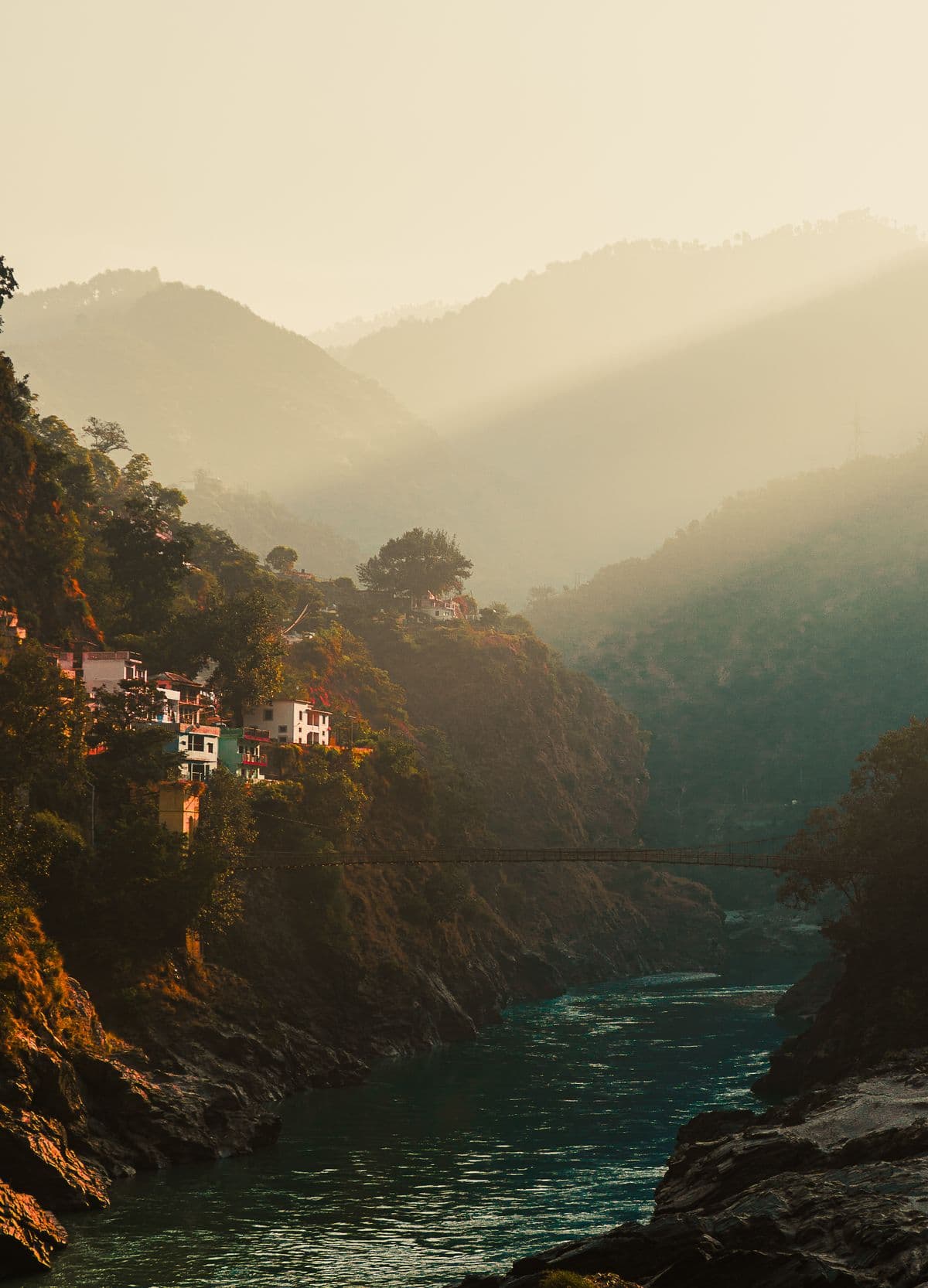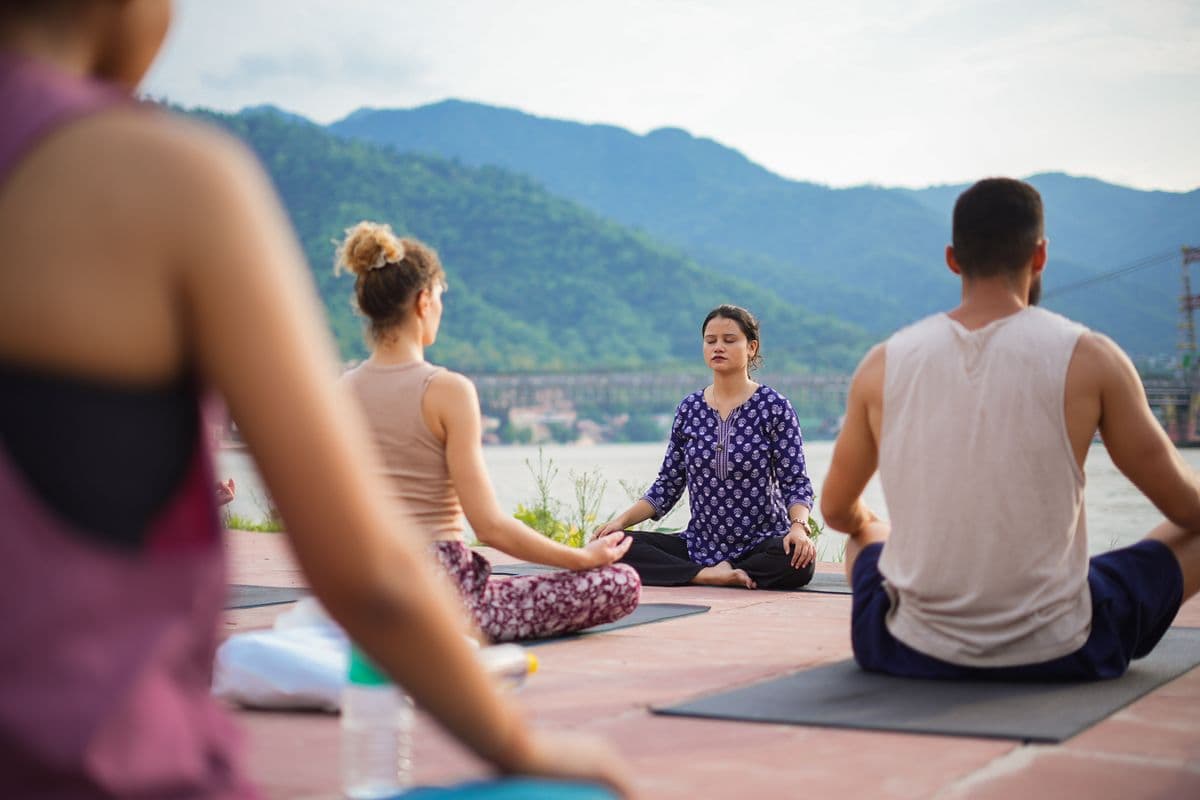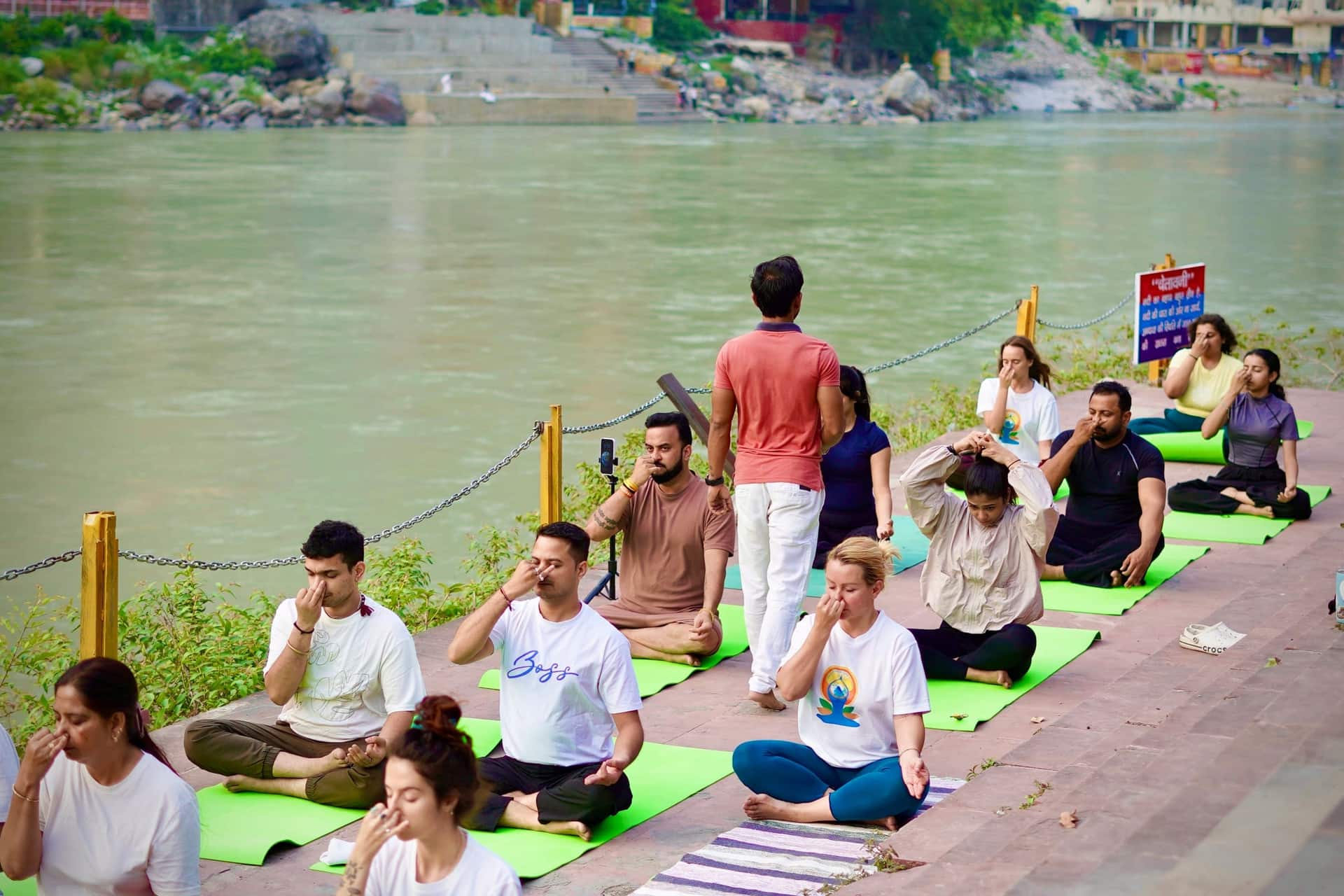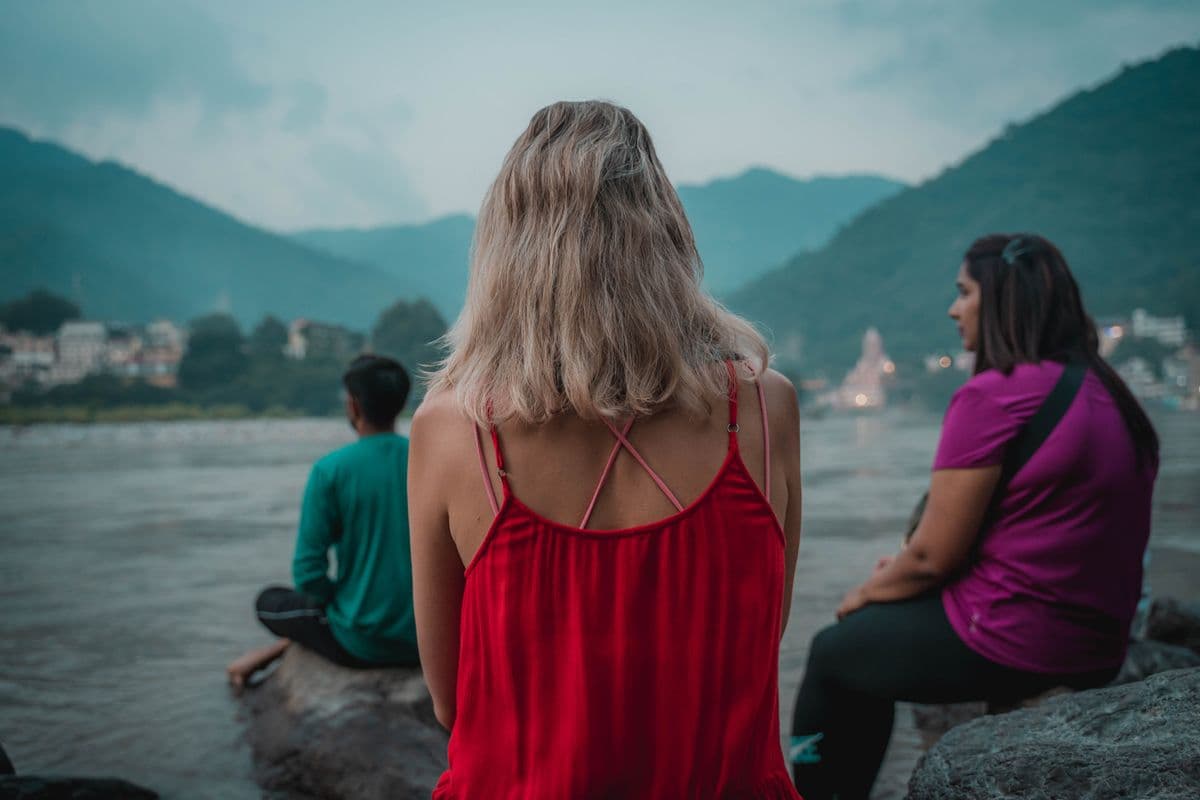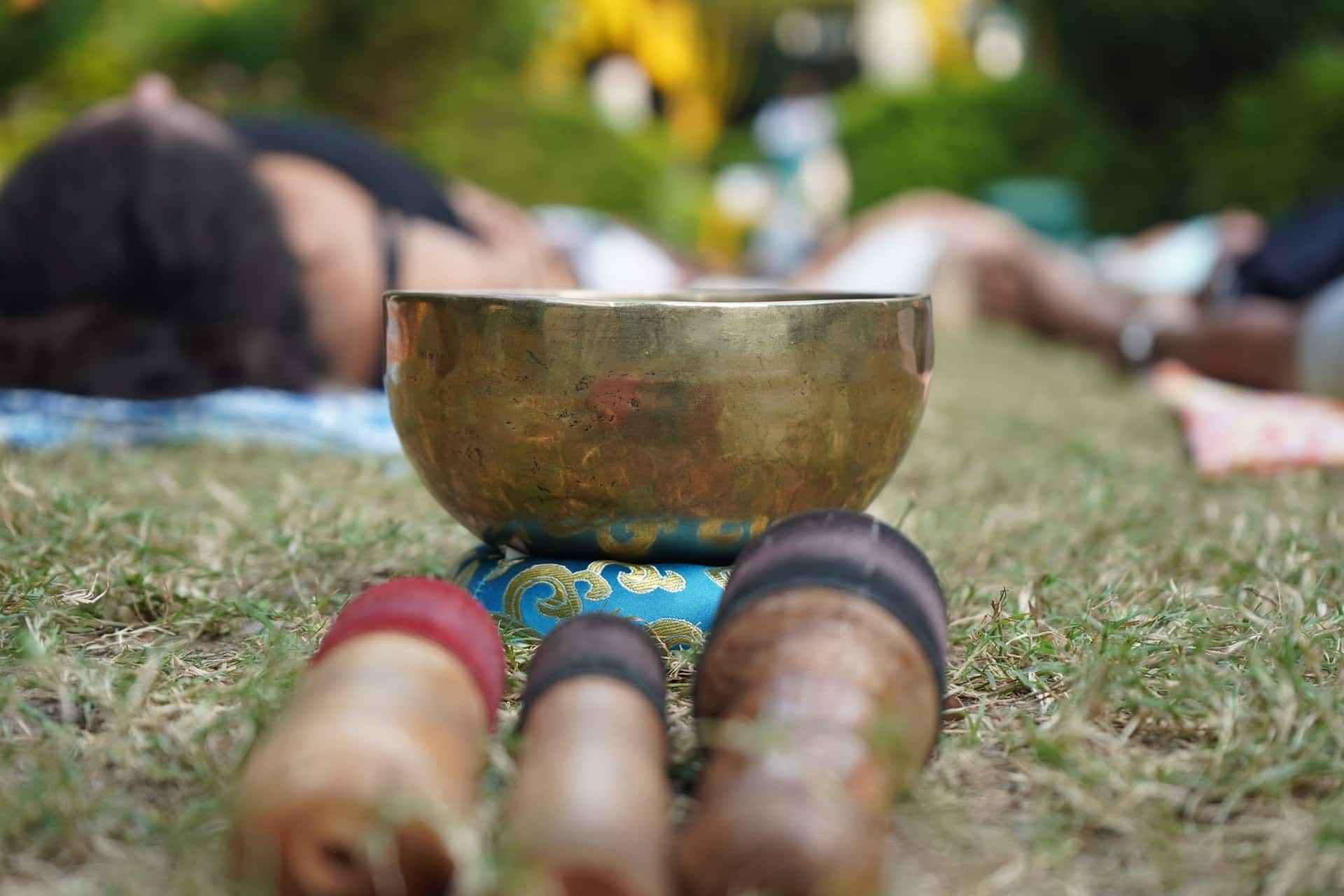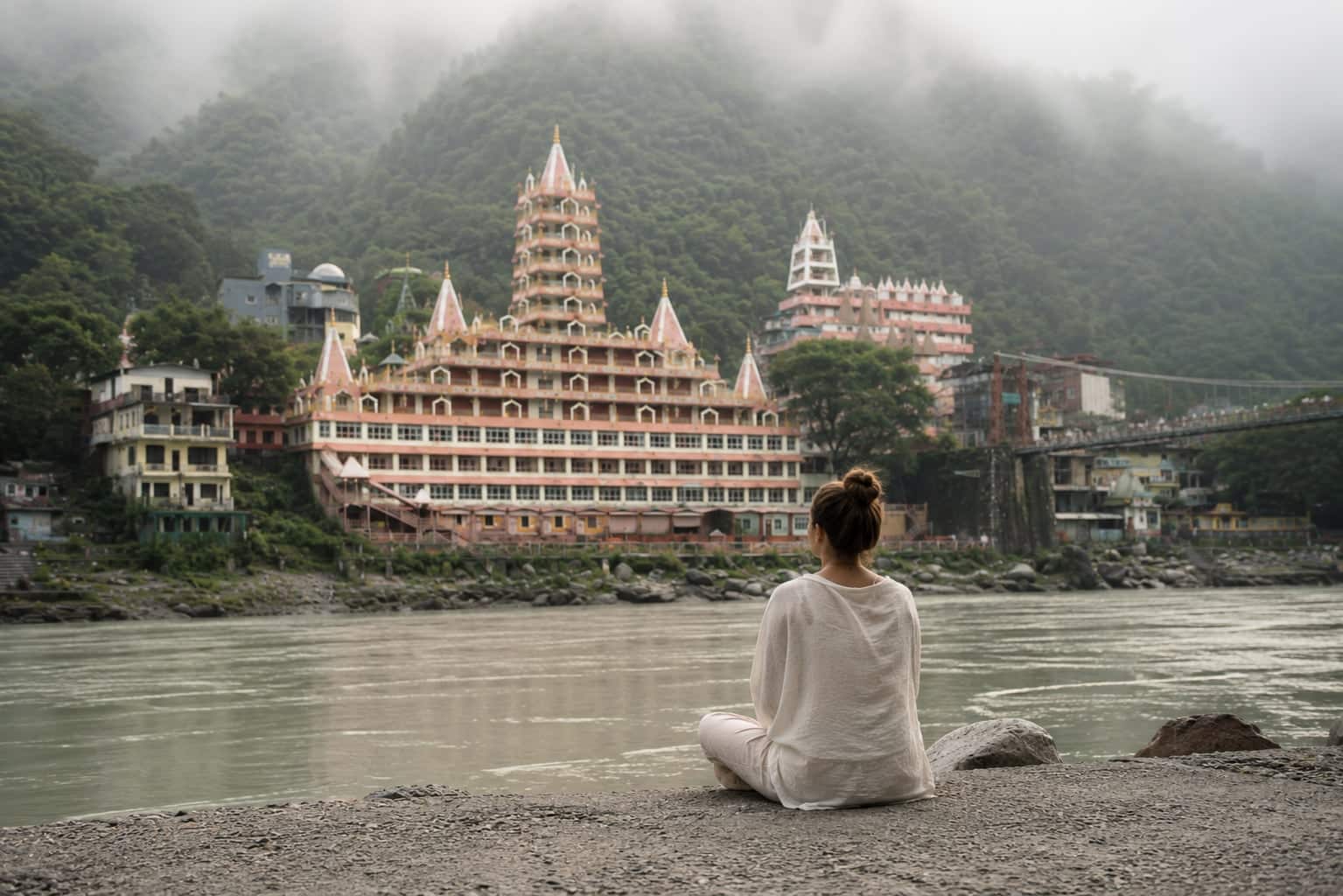
Rishikesh is a town you hear before you understand it. Bells at dusk, the Ganga underneath everything, someone practising harmonium two rooftops away at an hour when nobody asked them to. A classical music workshop in Rishikesh takes all of that background sound and puts an instrument in your hands instead.
What a first session actually involves
It is not a concert and it is not a lecture. You sit on the floor across from a musician who has usually been playing since childhood, and you start with something small enough to get wrong safely — a rhythm you clap back, a scale you sing back, one stroke on a drum head repeated until your hand stops thinking about it.
Indian classical music is taught by ear and by imitation. There is no sheet music sitting between you and the teacher. He plays a phrase, you copy it, he reaches over and moves your wrist an inch, you copy it again. It is a very old way of passing something down, and it moves quicker than it sounds like it should.
Tabla, sitar, harmonium — which one to sit down with
Tabla is the most immediate. Two drums, one deeper and one brighter, and a language of spoken syllables that goes with them. You say the rhythm out loud before you ever play it, which feels like a strange thing to be doing right up until it stops feeling strange. Counting a full cycle and landing back on the first beat with the teacher is a genuinely good feeling, and it can happen in a first sitting.
Sitar is the slowest to sound good and the most interesting to hold. The extra strings underneath ring on their own when you play, so a single note keeps going after you have let go of it. Nobody becomes competent in one sitting. That is not really what the sitting is for.
Harmonium is the forgiving one. One hand pumps the bellows, the other finds the notes, and because your voice stays free while you play, it is the instrument sitting under a lot of the singing you hear here. If you want to leave able to do something rather than able to describe something, start here.
Kirtan and mantra singing are a different thing entirely
Kirtan is call and response. One person sings a line, the room sings it back, and the whole thing slowly gets faster and louder without anyone deciding that it should. Mantra singing is quieter and more repetitive — a short Sanskrit phrase turned over and over until the words stop being words.
Neither is a performance, and neither cares whether you can sing. That is the part most people need told twice. There is no audience, nobody is listening to you specifically, and the person next to you is almost certainly worse than you are.
Partway in, you stop hearing music and start hearing a rhythm cycle you can count. That is not a small change to the way a place sounds.
You do not need to be musical
Plenty of the people who ask about a classical music workshop in Rishikesh have never held an instrument. That is fine, and it is a normal starting point rather than an awkward one. What you get out of a single session is small and real: one clean stroke, a cycle counted through without falling off it, a scale sung in tune more often than not.
Children often take to it. So do the people who open by announcing they are tone deaf. Language barely comes into the teaching, because most of the instruction is a hand moving your hand.
Rishikesh already runs on live music
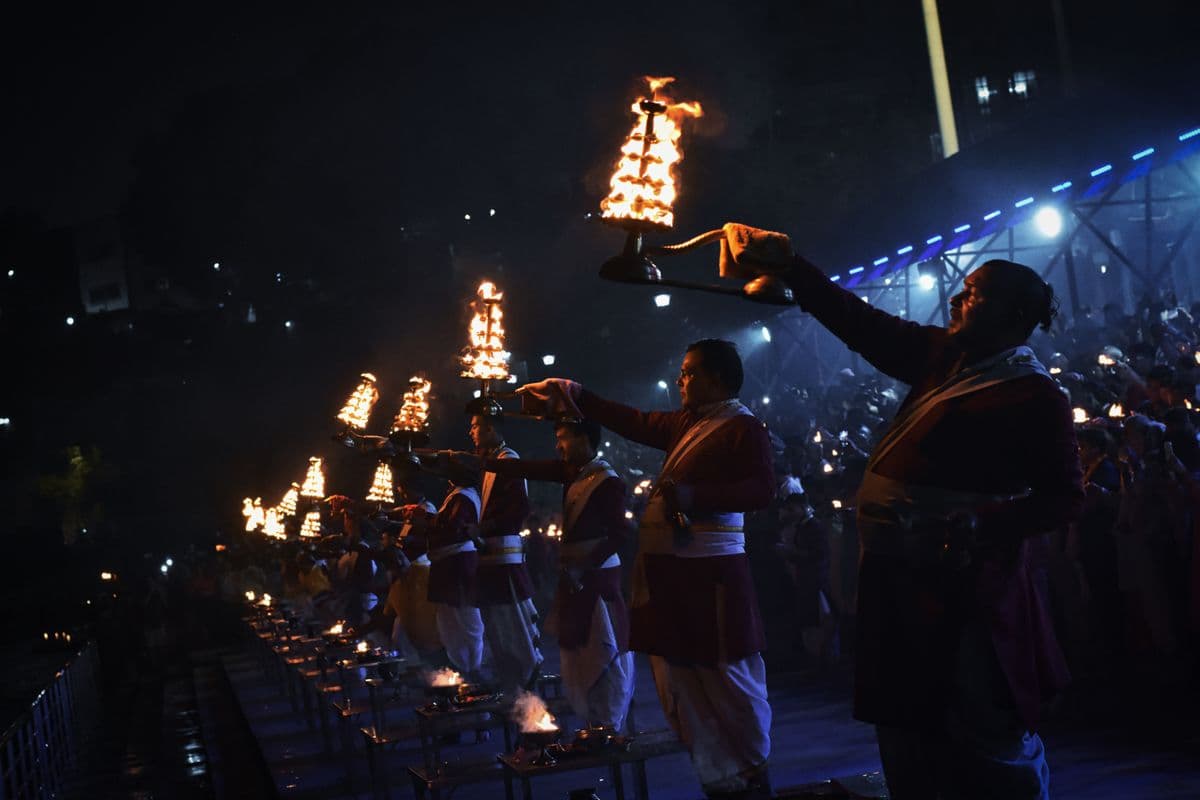
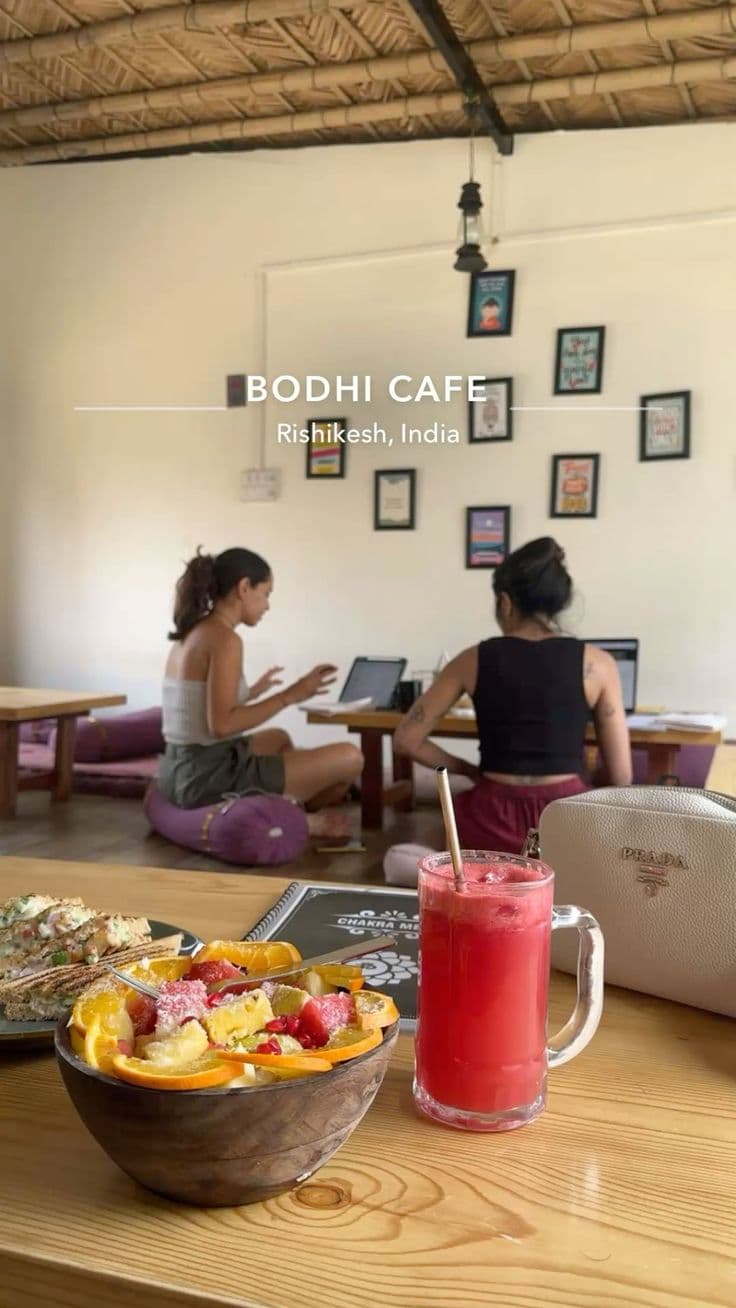
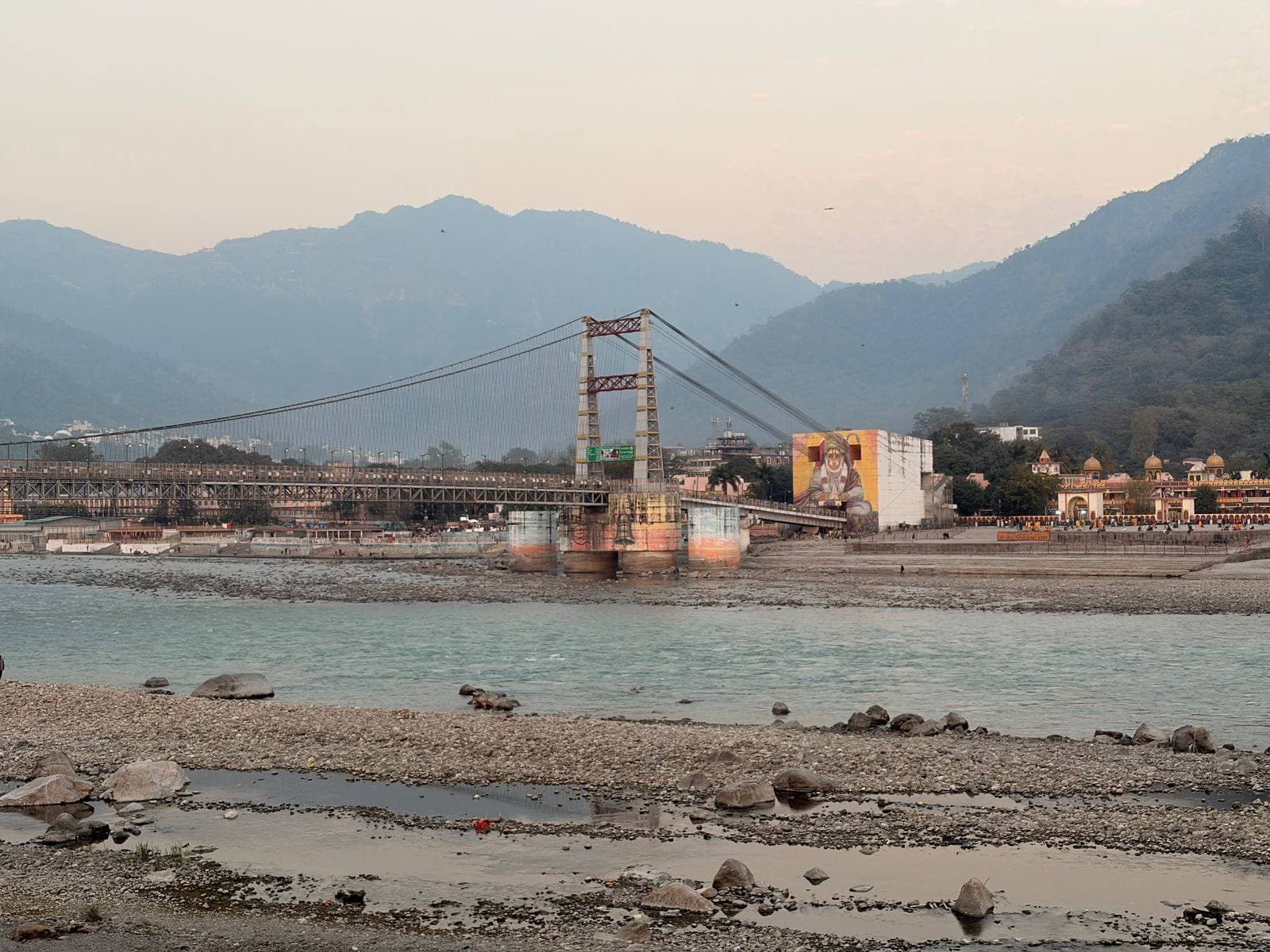
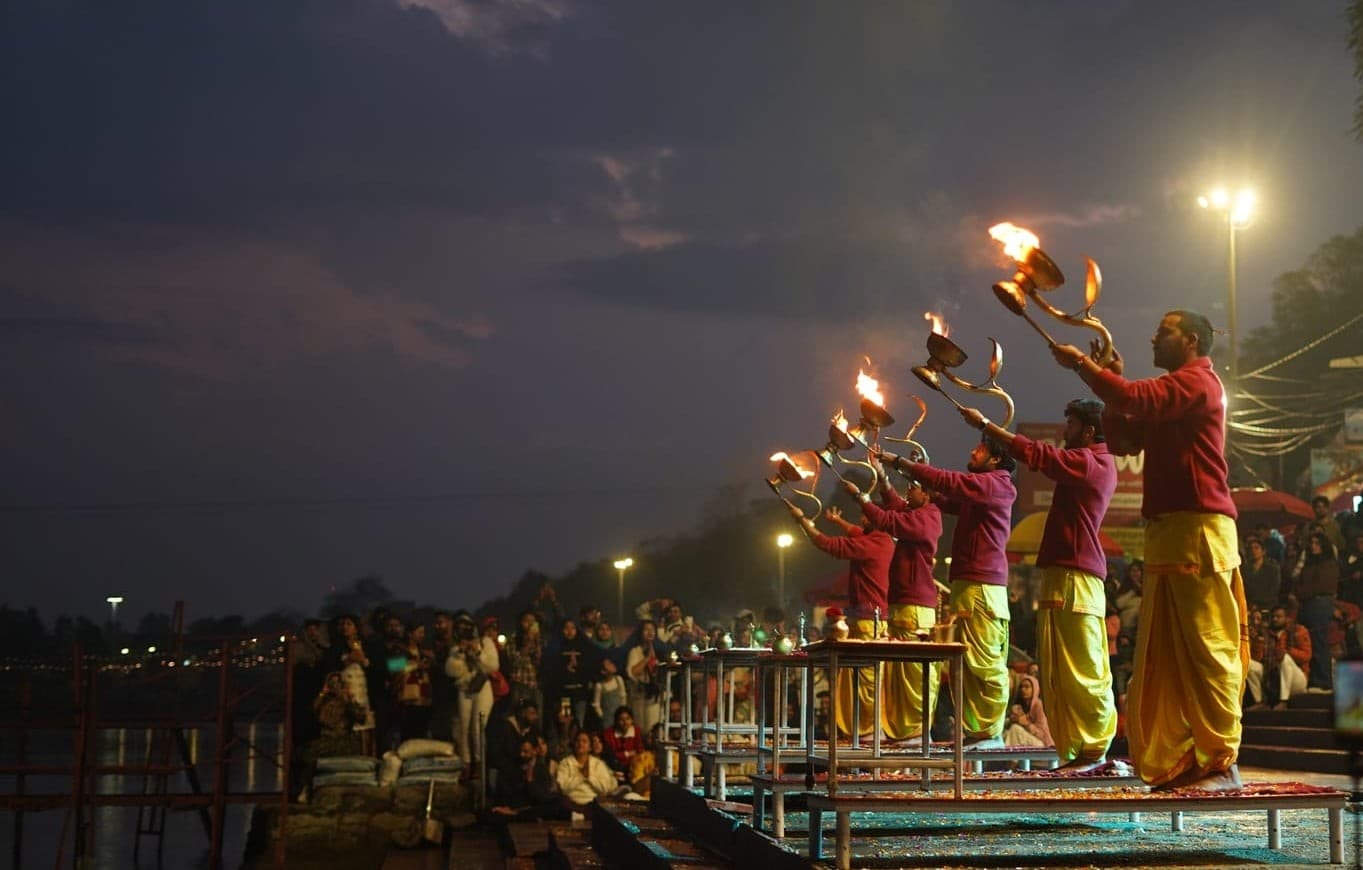
This is the part that makes a classical music workshop in Rishikesh land differently than the same hour would anywhere else. The town has a deep live-music habit that has nothing to do with tourism. Cafés in Tapovan and around Laxman Jhula put musicians on in the evenings. Ashrams across the river hold kirtan in the evenings, and some are open to whoever walks in and sits down. The Beatles Ashram is only the most famous chapter of a much longer story about musicians coming to this stretch of the Ganga and staying longer than planned.
So the workshop is not an isolated activity you book and then forget. It changes what you hear for the rest of the week. You go to an evening kirtan afterwards and you can follow the cycle. That is worth more here, in the Himalayan foothills of Uttarakhand, than the same lesson would be worth at home.
- Best time: Mornings suit instruments, when the town is quiet and your hands are fresh. Evenings suit singing.
- Bring: Nothing you need to buy first. Ask your host what the musician provides before you go shopping for a drum.
- Good to pair with: An ashram kirtan the same evening, or a café with a live set — the session makes both sound different.
How this fits into a trip with us
We do not teach music and we are not a school. What we have is the introduction: your host knows which musicians teach, who is patient with a complete beginner, and where the room actually is. The teachers are independent and local, working for themselves rather than for us.
A music session is not built into any of our retreats. On Rebirth, the six-night retreat, it shows up in the week as an optional extra you book separately, and it sits on the add-ons list next to sound healing and pottery. On anything else, ask your host and it gets arranged around whatever the day already holds, priced upfront before you commit to it.
If you want more than a single sitting, there is a longer classical music course as well, taught by an independent teacher here rather than by us. The schedule and the price for that get confirmed with you personally before anything is charged beyond a deposit to hold the place.
Either way, tell your host which direction interests you: drums, strings, or singing. They are three quite different afternoons, and picking one in advance means the session starts properly instead of starting with a conversation about what you want.