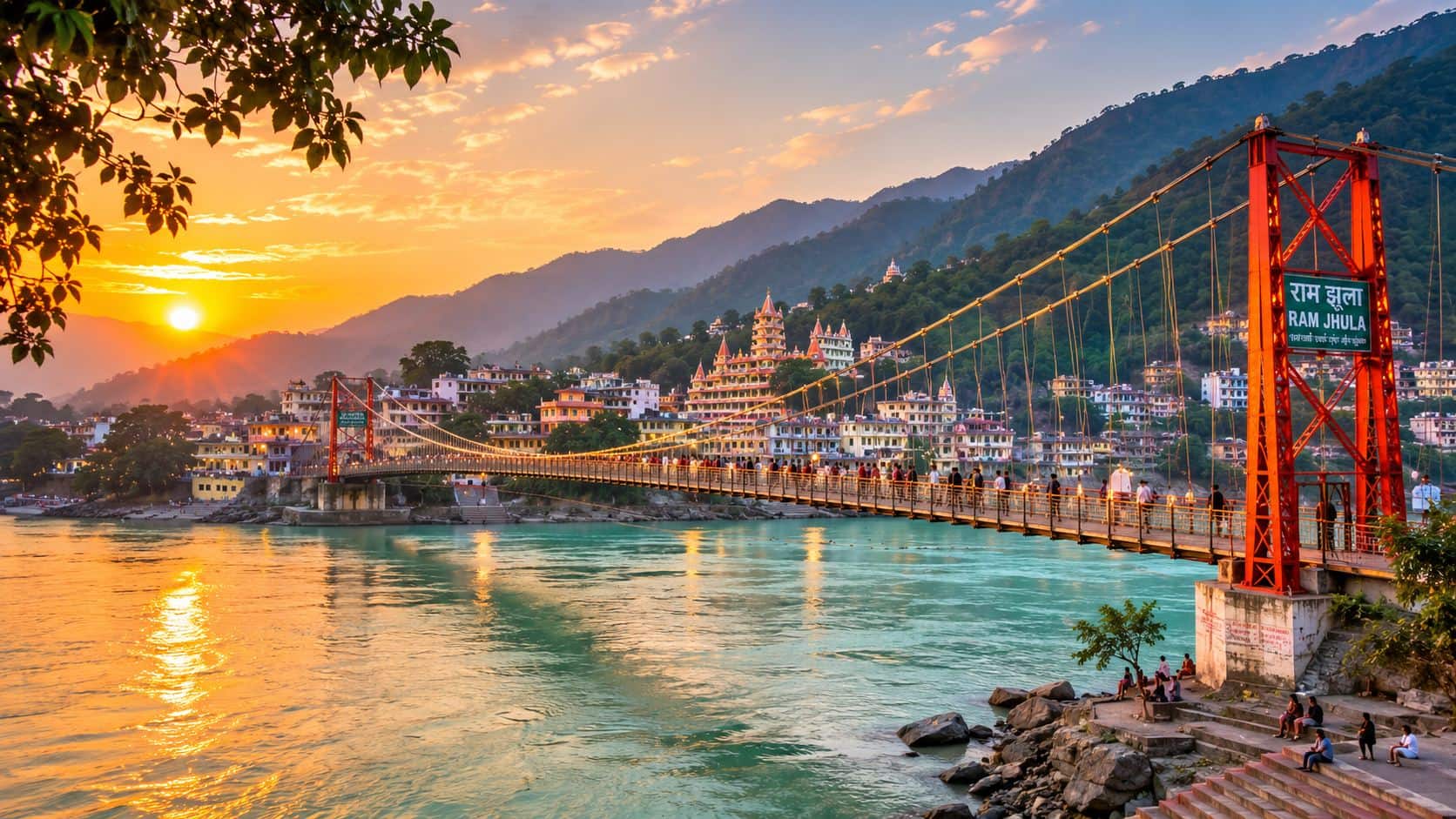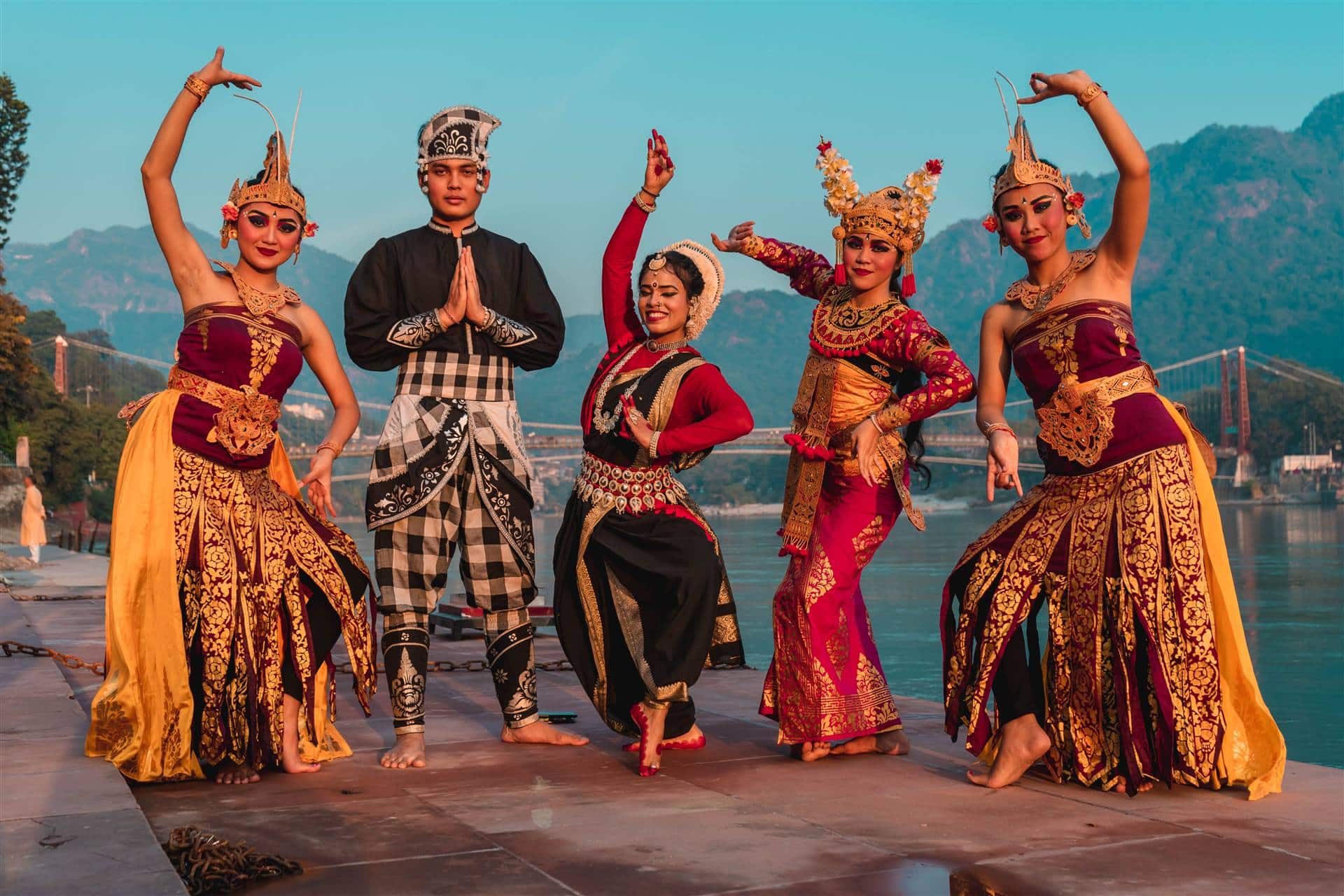
Rishikesh already has a reputation for what it asks of the body — yoga before sunrise, breathwork, long slow walks along the Ganga. Dance is the thing almost nobody thinks to ask for, and it is quietly here too. A classical dance workshop in Rishikesh is not something you will find advertised on a board by the bridge. It is taught in small studios and front rooms by people who started as children.
Two traditions, two very different rooms
Indian classical dance is not one thing. Kathak grew out of the storytelling traditions of the north, and it lives in the feet and the turn — ankle bells, sharp spins, a rhythm you hear as much as you see. Bharatanatyam came from the south and holds itself completely differently: grounded, angular, almost architectural, with the hands and the eyes doing most of the talking. Both are centuries old. Both are, at heart, ways of telling a story without saying a word. Which one you meet depends entirely on who is teaching that season. Teachers move, and Rishikesh is a town people pass through, so it is worth asking rather than assuming.
The slowness is the point
Most people arrive at a classical dance workshop in Rishikesh expecting choreography and leave with something narrower and more interesting. The first session is usually posture, a handful of hand gestures, and counting a rhythm out loud before your feet are allowed to move at all. If you came for a routine to film, that can feel like being held back.
It is not. The form is built from very small units, and a good teacher gives you the units rather than the finished thing. What you walk out with after an hour or two is not a dance. It is a sense of how much control the tradition asks for — and a completely different way of watching the next performance you see, in Uttarakhand or anywhere else.
Bollywood, which asks nothing of you
Then there is the other end of the spectrum, and it is just as legitimate. Bollywood sessions are loud, fast and forgiving, and nobody in the room is expected to be able to dance. There is no vocabulary to learn first. The teacher picks a song, breaks it into counts of eight, and you are moving before you have talked yourself out of it.
It suits groups, families, anyone travelling with teenagers, and anyone who wants an hour that is purely fun rather than instructive. Nobody is grading you, and the songs are ones you will half recognise even if you have never watched a Hindi film all the way through. Plenty of guests do both — one classical session for the depth, one Bollywood session for the noise — and find each makes more sense next to the other.
Which one to ask for
There is no wrong answer here, only a difference in what you want the hour to feel like. Booking a classical dance workshop in Rishikesh is a decision about attention: one form asks you to give it, the other lets you spend it however you want. A rough guide:
- Choose classical if: You want to understand something rather than perform it, you are travelling alone or as a couple, and you do not mind being an obvious beginner.
- Choose Bollywood if: You are in a group, you have no patience for theory, and you would rather laugh than concentrate.
- Wear: Loose clothes you can move in. Classical is danced barefoot, so nothing you need shoes for.
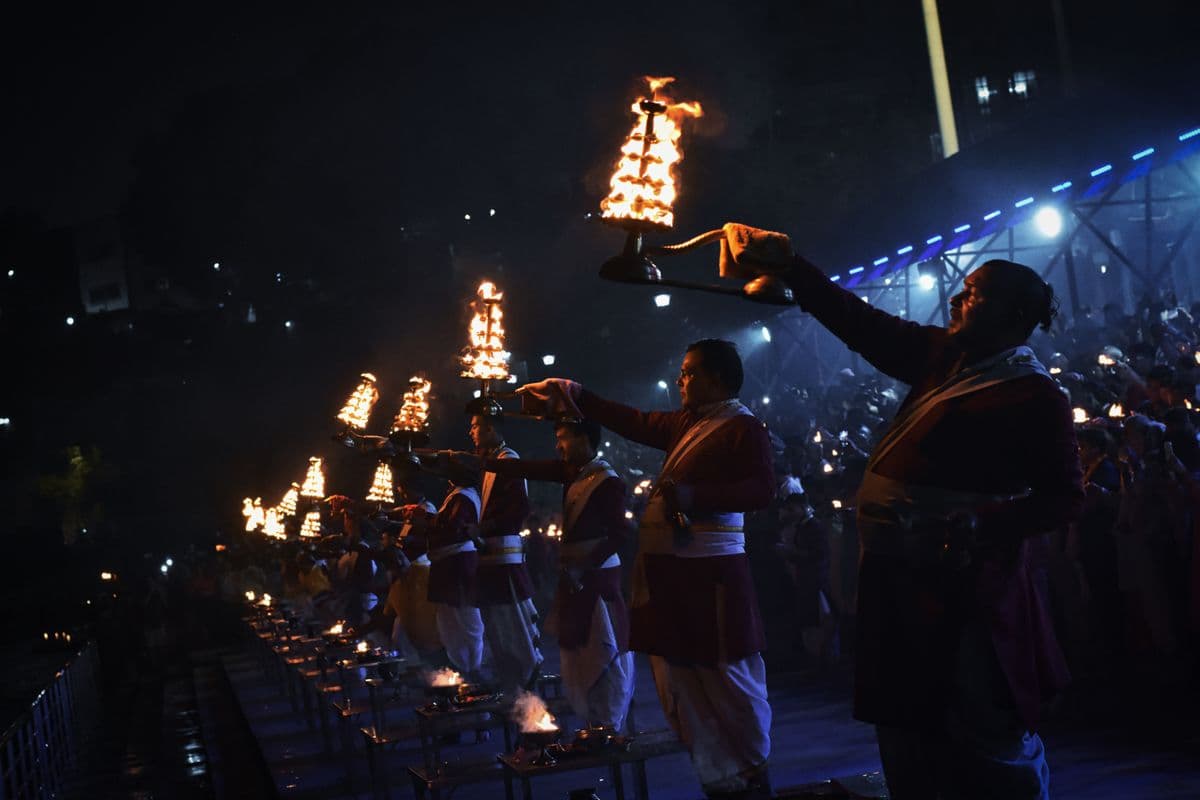
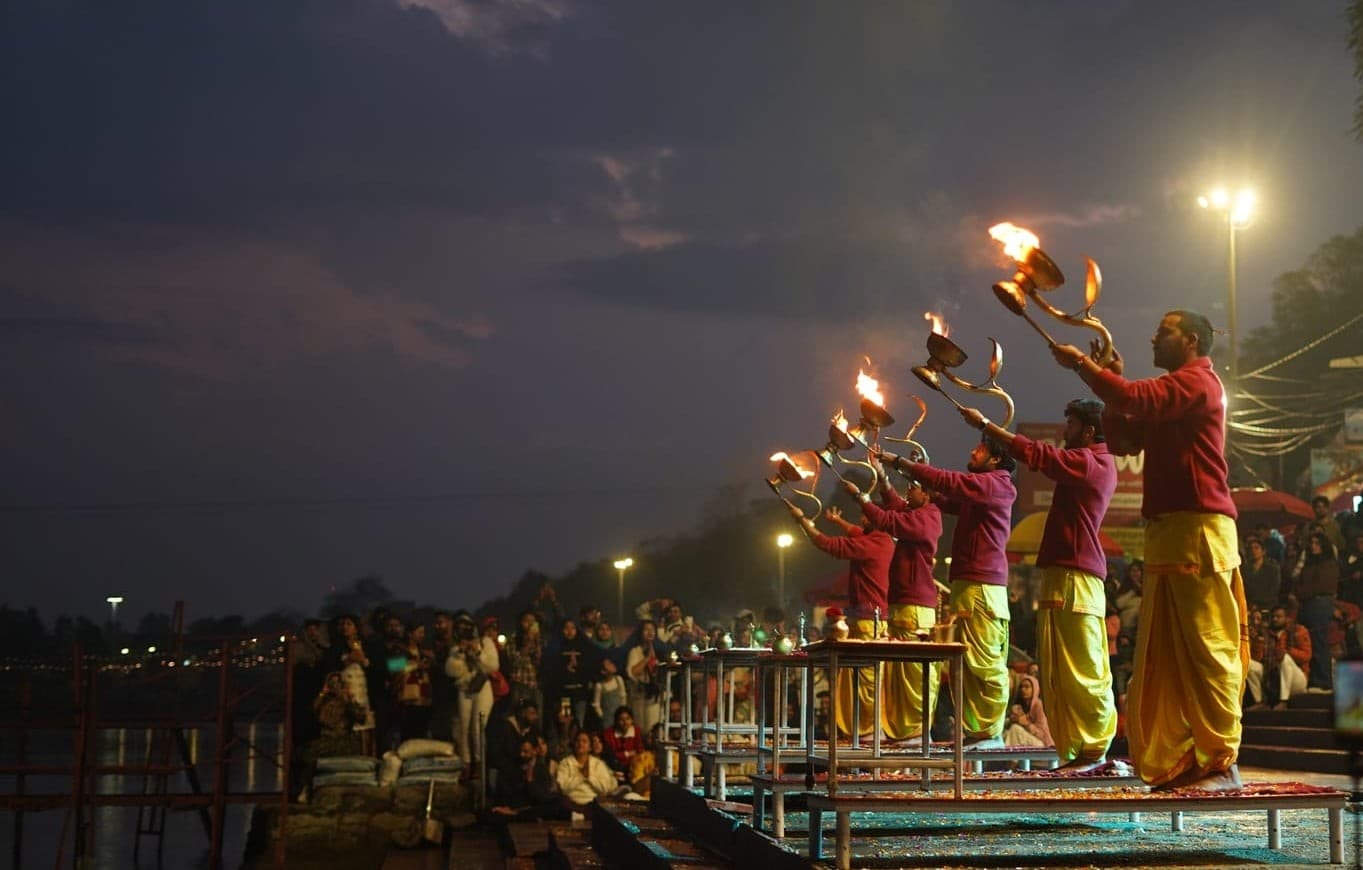
- Best slot: Late afternoon, once the heat has gone out of the day and before the evening aarti crowds build.
Classical dance teaches you how to watch. Bollywood teaches you to stop worrying about being watched.
How we arrange it
We do not run dance classes and we would not pretend to. What we have is the local knowledge: who actually teaches here, who is patient with absolute beginners, who is worth an hour of a short holiday. The teachers are independent and local, working for themselves rather than for us. We make the introduction, agree a time, and make sure you can find the room.
Ask your host and a classical dance workshop in Rishikesh can usually be fitted around whatever else the day already holds — a morning on the river, an evening on the ghats. It is an indoor hour, which also makes it one of the better things to have in reserve when the monsoon decides your outdoor plan for you. For anyone spending a week here, it is the kind of afternoon that ends up in the story you tell at home.