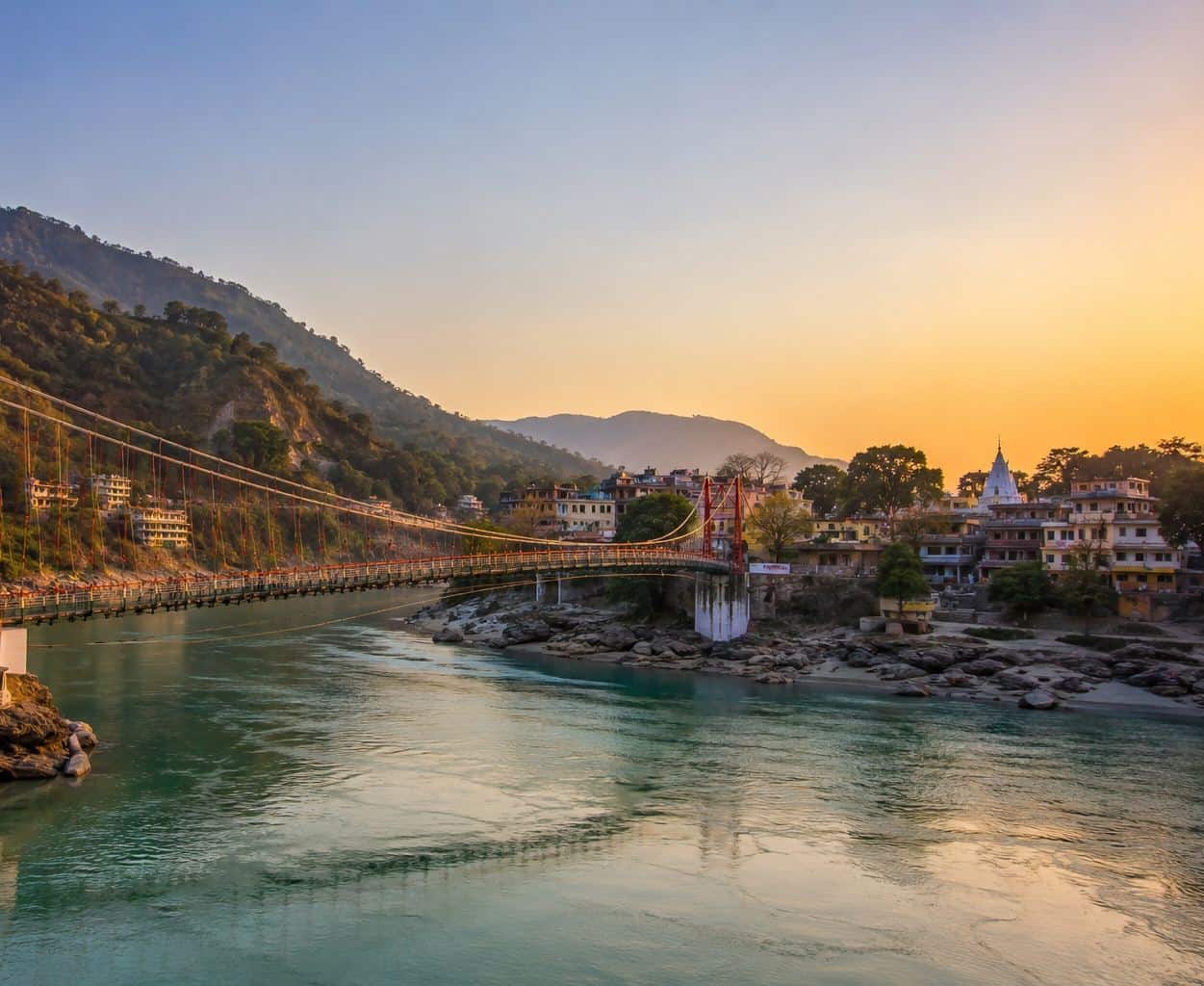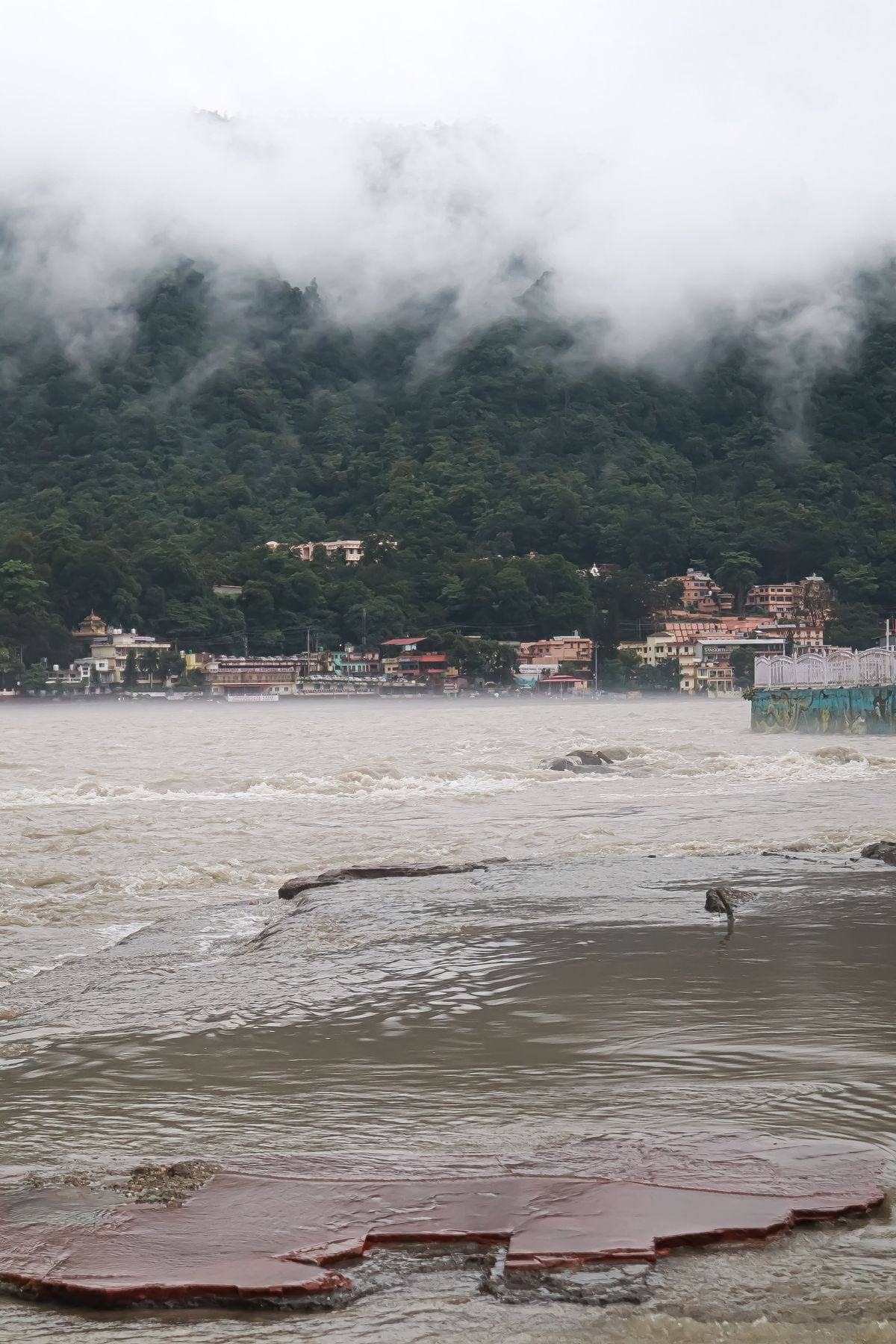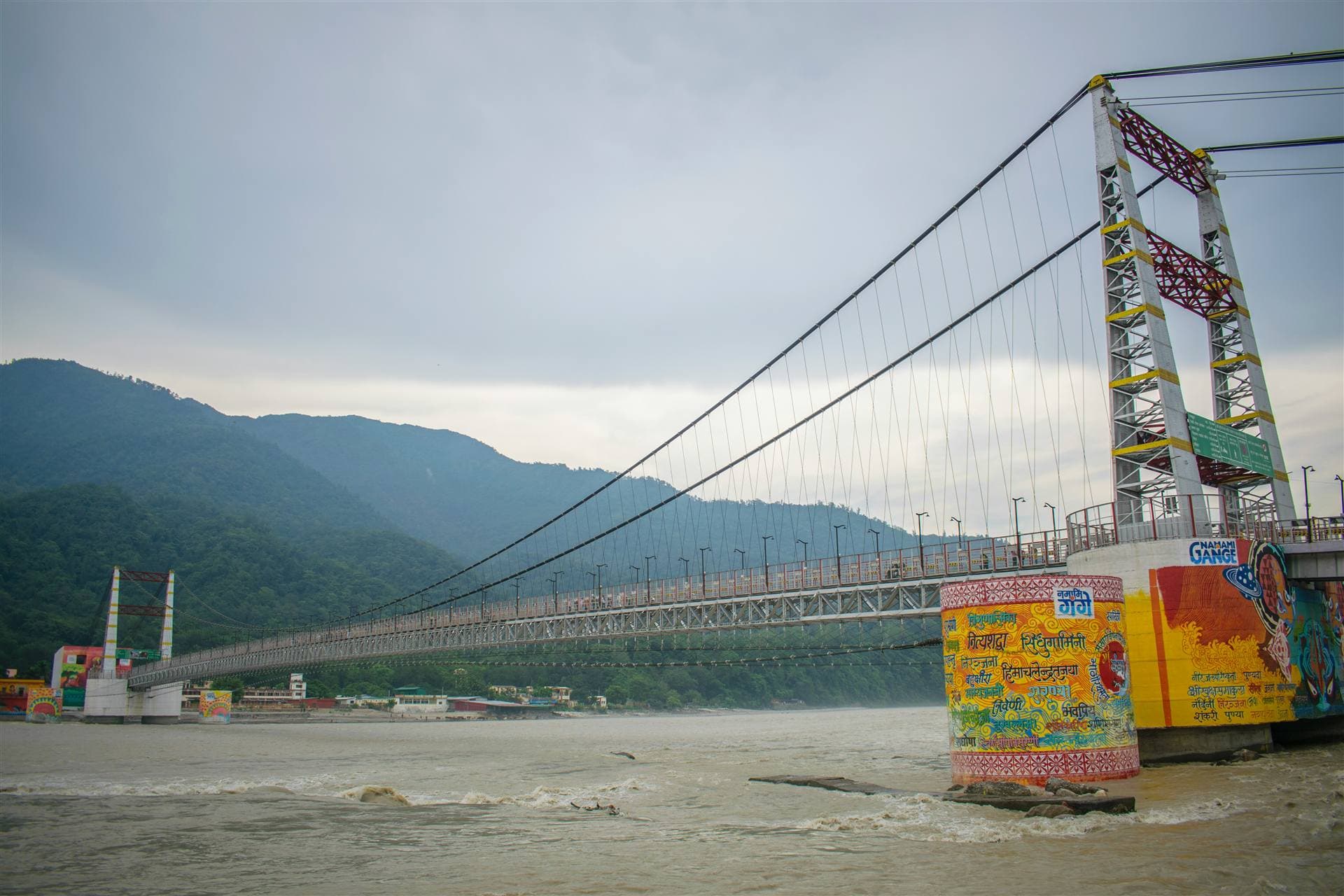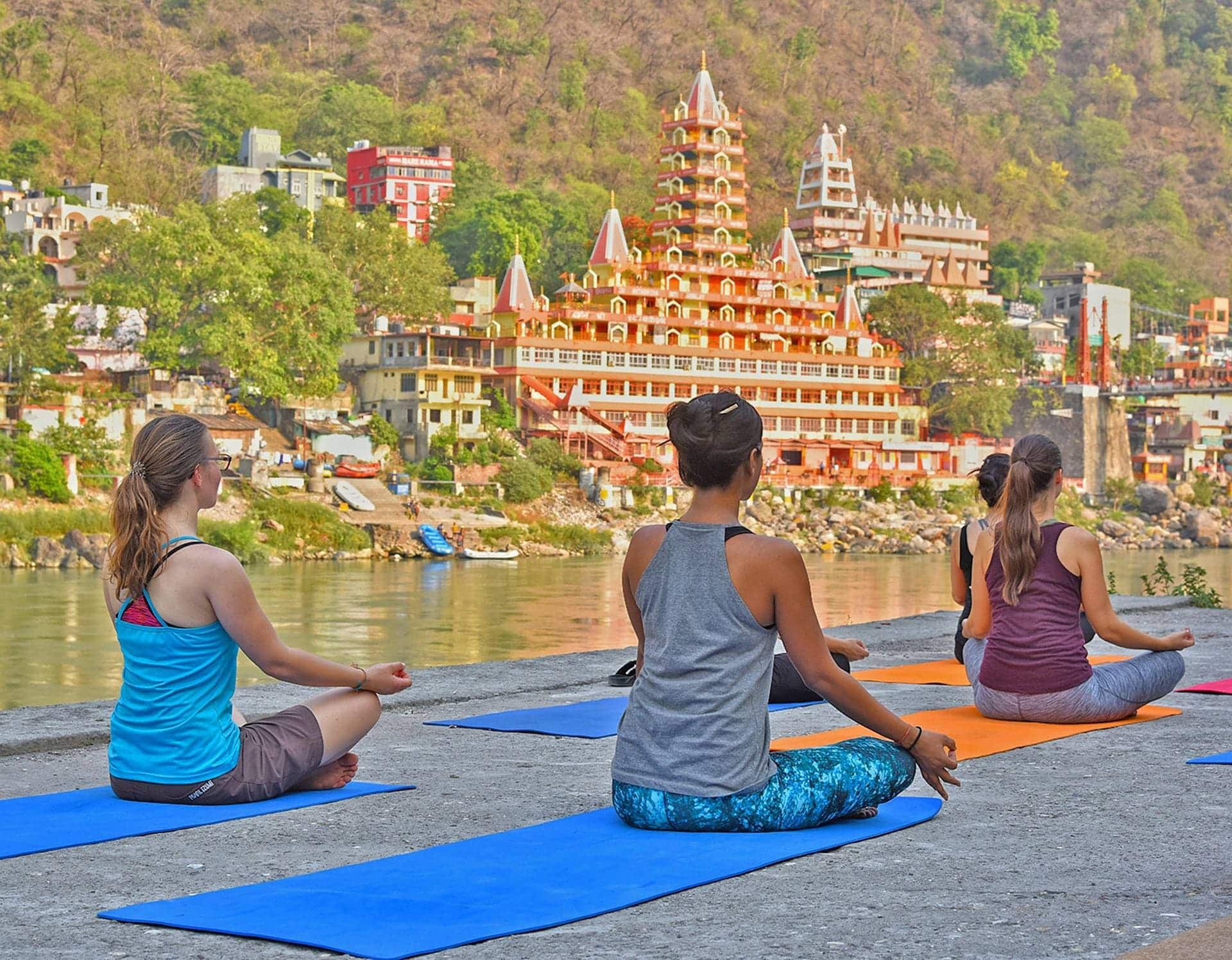
There are more yoga schools in Rishikesh than you could visit in a month, and they all photograph beautifully. Same Ganga, same Himalayan foothills, same sunrise on the terrace. The website tells you almost nothing about what living inside that school will actually feel like — which is why knowing how to choose a yoga school in Rishikesh is mostly a matter of knowing what to ignore.
Check the lead teacher, not the brochure
The most useful thing you can do is find out who is actually teaching your course. Not the founder in the photographs. Not the guru whose name is on the gate. The person standing in front of you first thing every morning, day after day, for as long as your course runs.
Schools rotate staff. The school that was excellent when a glowing review was written may since have lost the teacher who made it excellent, and you are reading praise meant for someone who no longer works there. Ask for the lead teacher’s name for your specific dates, then look that name up on its own. A teacher worth training under has a traceable history, teaches the style they advertise, and is comfortable being asked about both. If nobody will tell you who it is until you arrive, that is your answer.
What “certified” actually means
Almost every school in Rishikesh calls itself certified, and many genuinely are. They are registered with an international body that has reviewed a curriculum the school submitted on paper. Rishikesh sits in Uttarakhand, and schools here register with the same bodies as schools anywhere else in the world.
That is worth something. It is also a floor, not a ceiling. Registration confirms a syllabus meets a standard. It does not confirm who is teaching it this month, how many students are packed into the hall, or whether the anatomy module is real anatomy or a slideshow. Treat certification as a filter that removes the schools which should not be selling teacher training at all — then keep asking questions about the ones left standing.
Match the style to what you actually want
Hatha, ashtanga, vinyasa, alignment-led work, kundalini — schools here teach across all of it, and the word yoga on a homepage tells you which one only rarely. A slow, held, breath-led practice and a strong dynamic one are two completely different versions of your stay. People who arrive without checking tend to spend the opening days quietly disappointed rather than usefully tired.
So ask what the school actually teaches, in those words, and ask what a typical practice is built around. Then, if you can, take a drop-in class before you commit to anything longer. An hour in the hall with the person who will be teaching you tells you more than every page of the website put together, and it is the cheapest research you will do.
Why the cheapest course is rarely the best value
Anyone working out how to choose a yoga school in Rishikesh eventually hits the price question, and price here is not arbitrary. A residential course is paying for your room, your food, and a full teaching staff for the whole of it. When one school is dramatically cheaper than everything around it, something is paying for that gap.
Usually it is class size. A large batch in one hall costs far less to run than a small one, and you feel that difference in how much individual correction you get — which is the entire reason to train in person rather than online. The other place the money hides is everything outside the classroom: a shared room you did not expect, food that repeats, and nobody to call when you fall ill halfway through.
The cheapest course and the right course are almost never the same course. The gap is usually class size.
Red flags worth walking away from
Much of how to choose a yoga school in Rishikesh is elimination rather than discovery. These are the signals that should end a conversation early.
- No named lead teacher — or a name that appears nowhere else online.
- Pressure to pay in full, fast — urgency about a closing discount is a sales technique, not a scheduling reality.
- Reviews that all sound alike — a wall of short, identical five-star posts written in the same few weeks.
- No hour-by-hour schedule — a real school can tell you exactly what a Tuesday looks like.
- Warm, spiritual non-answers — if plain questions get deflected now, they will get deflected once you are in the hall.
The questions to ask before you pay anything
Write to every school on your shortlist and ask the same five plain things. Who is the lead teacher for my dates, and what else have they taught? How many students will be in my batch? What does a normal weekday timetable look like, hour by hour? Is the room private or shared, and what are the meals? What happens to my money if I have to cancel?
The answers matter, but how they answer matters more. A confident school replies with specifics, in full sentences, and does not need chasing. A school that answers three of the five and redirects the rest has just shown you how the course will go.
How we handle this
Book My Rishikesh is not a yoga school. We do not teach the course, we do not employ the teachers, and we do not issue the certificate. What we do is the part above: vetting, and everything around the classroom.
We put guests in front of genuinely certified, internationally recognised programmes only, and we check the teaching staff and the facilities before we recommend anyone. We do not default to the cheapest option, because price is the variable that most often hides what has been cut.
Curriculum, hours, and certifying body vary from school to school, so your host walks you through the real specifics before you commit — and then handles accommodation, orientation, and the logistics that otherwise eat the opening days of a course.