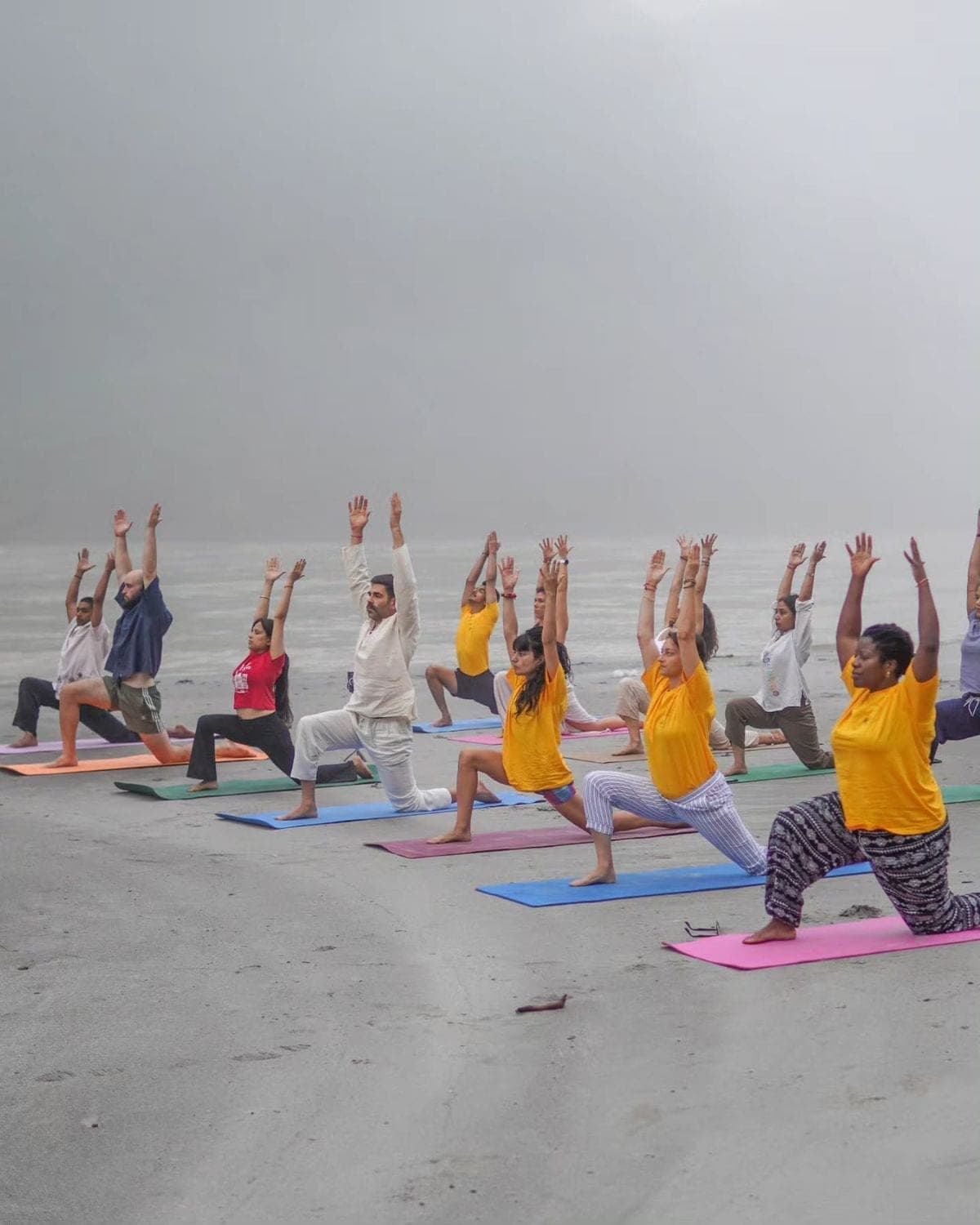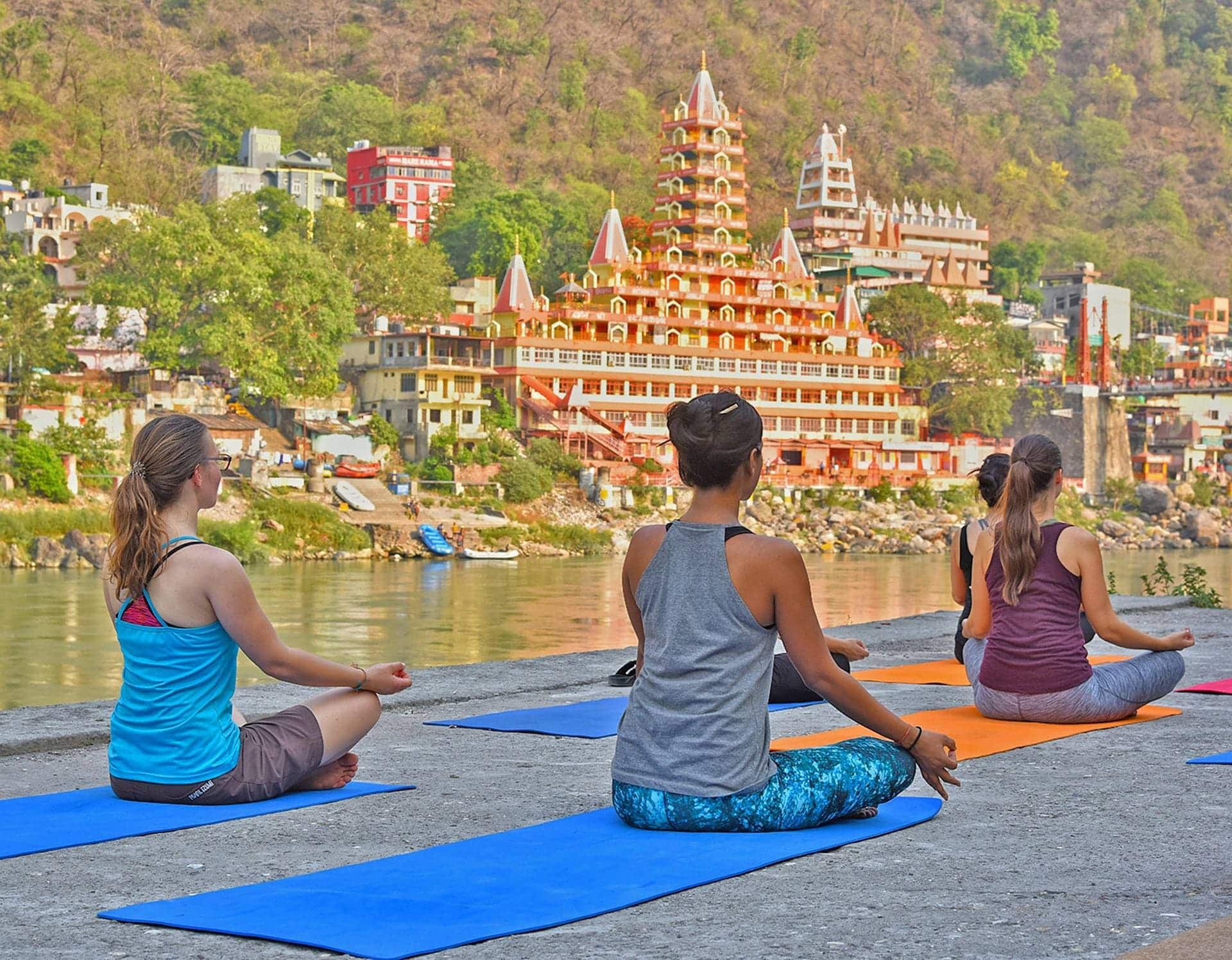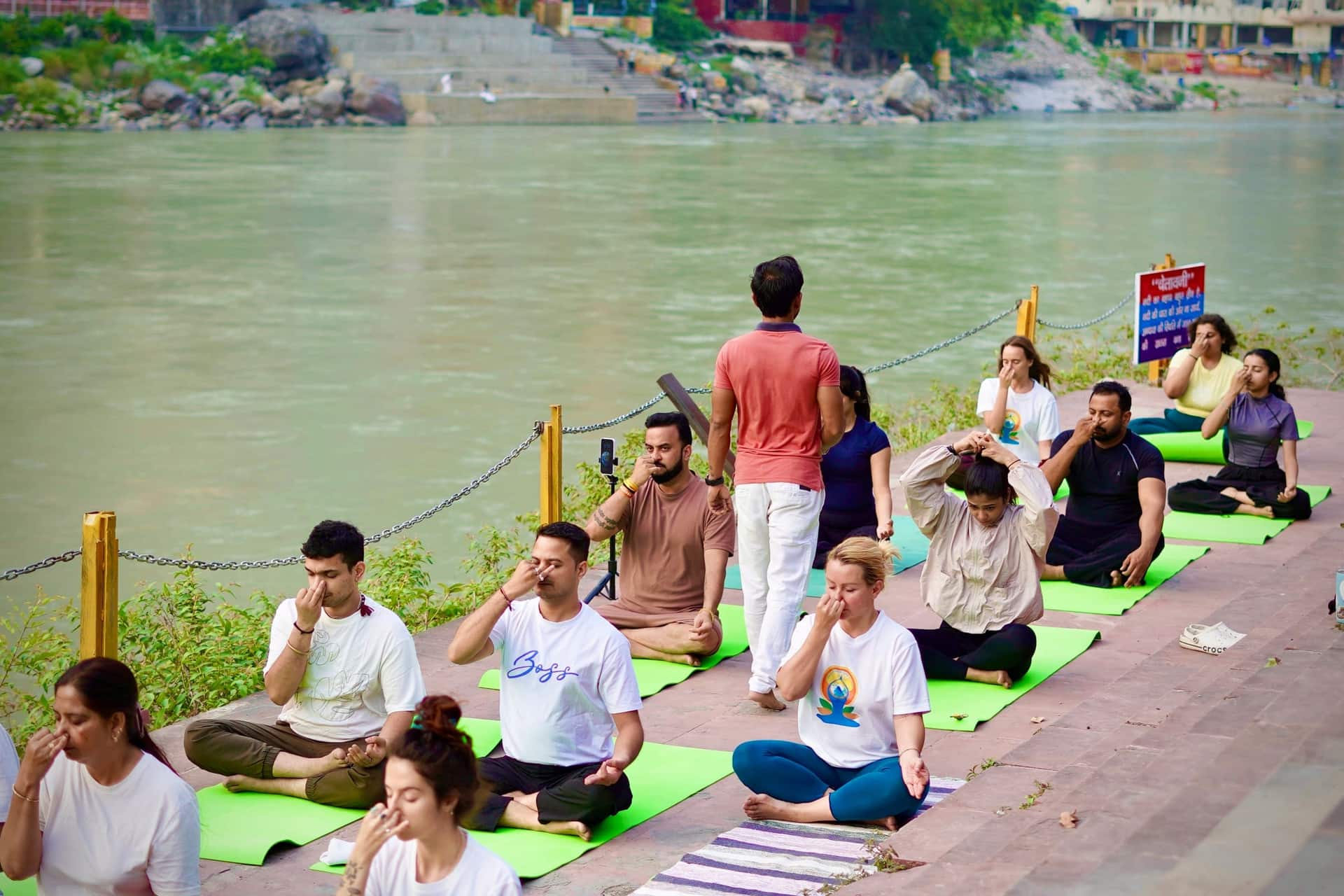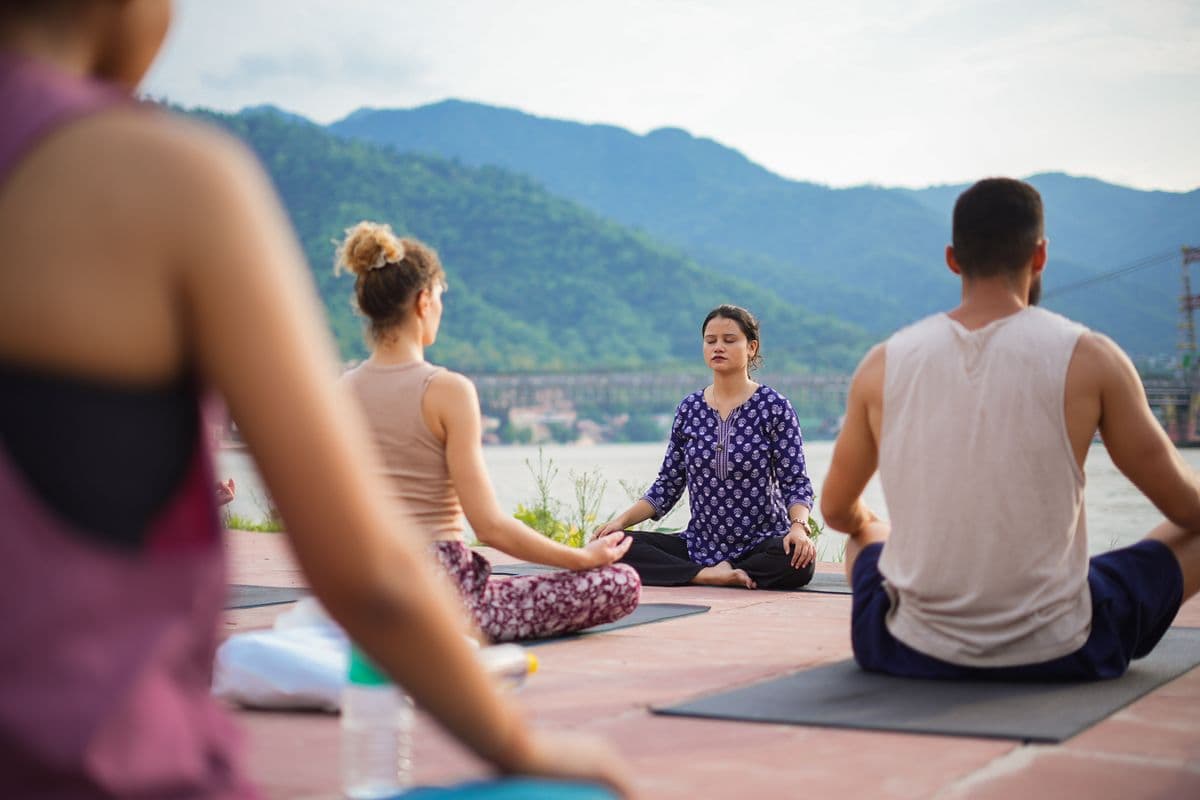
The word gets used for almost anything now — a spa weekend, a fortnight of silence, a hotel that keeps a few mats in the corner. So it is worth being plain. A yoga retreat in Rishikesh is a short, structured stay where the practice sets the shape of the day and somebody else handles everything around it. That is the whole idea. You stop organising things.
What a retreat actually is
A retreat is time deliberately set aside. You arrive on a fixed day, follow a schedule you did not write, and leave on a fixed day. In between there is asana, usually breathwork and meditation, food chosen for you, and long stretches of nothing in particular.
The nothing in particular is not filler. It is usually the part guests talk about afterwards. The practice gives the day its edges; the empty hours between sessions are where people tend to notice themselves slowing down.
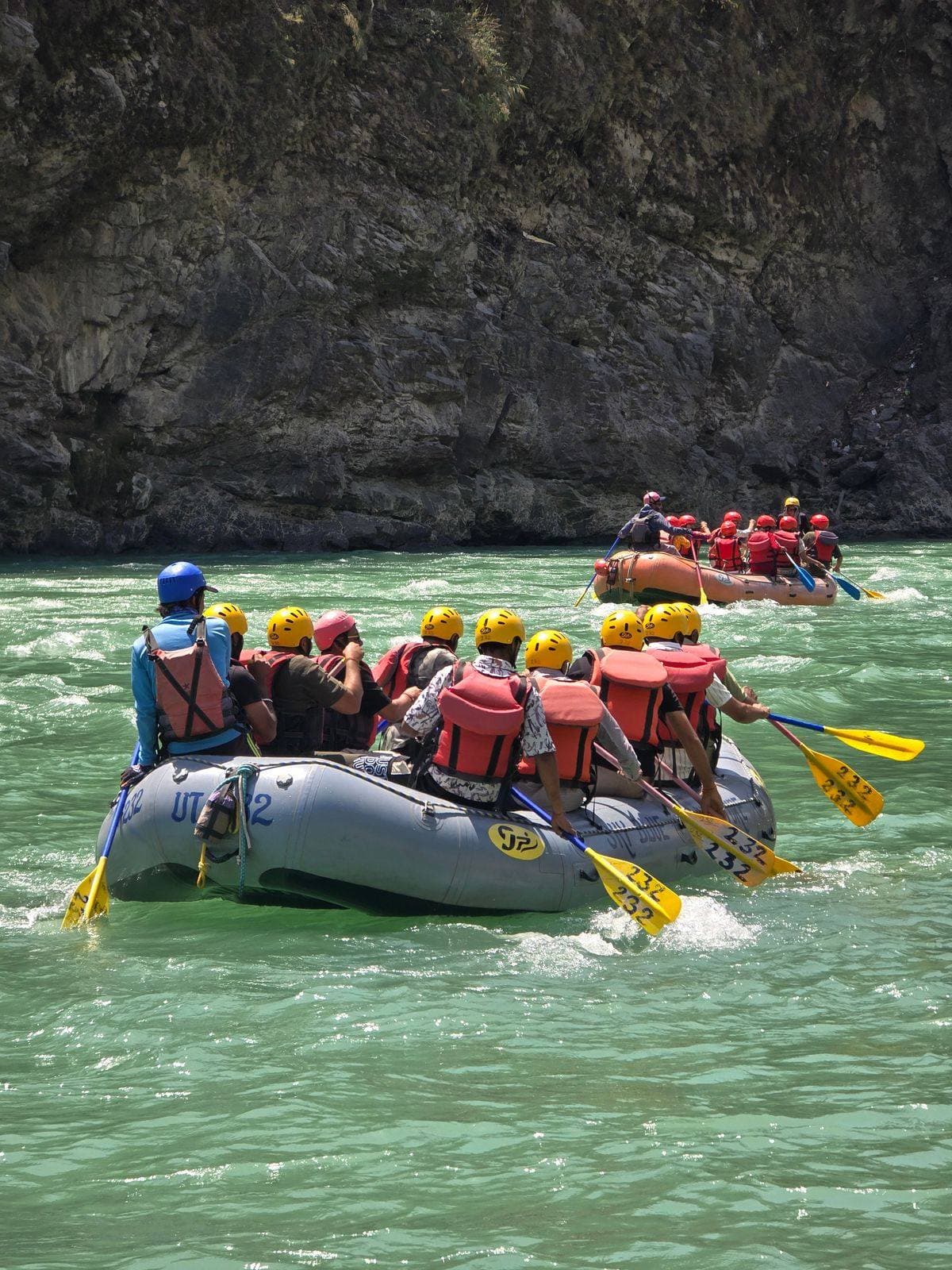
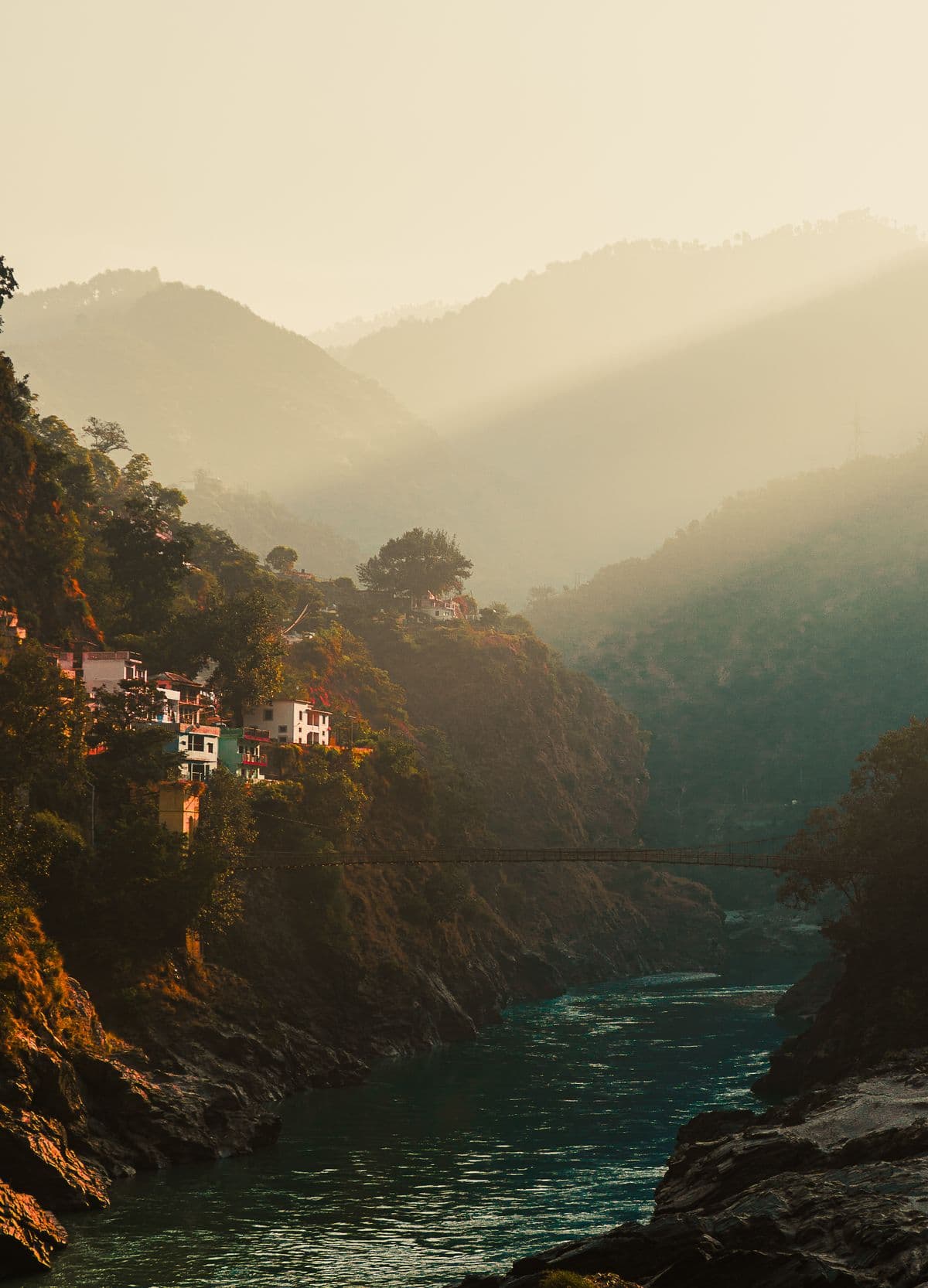
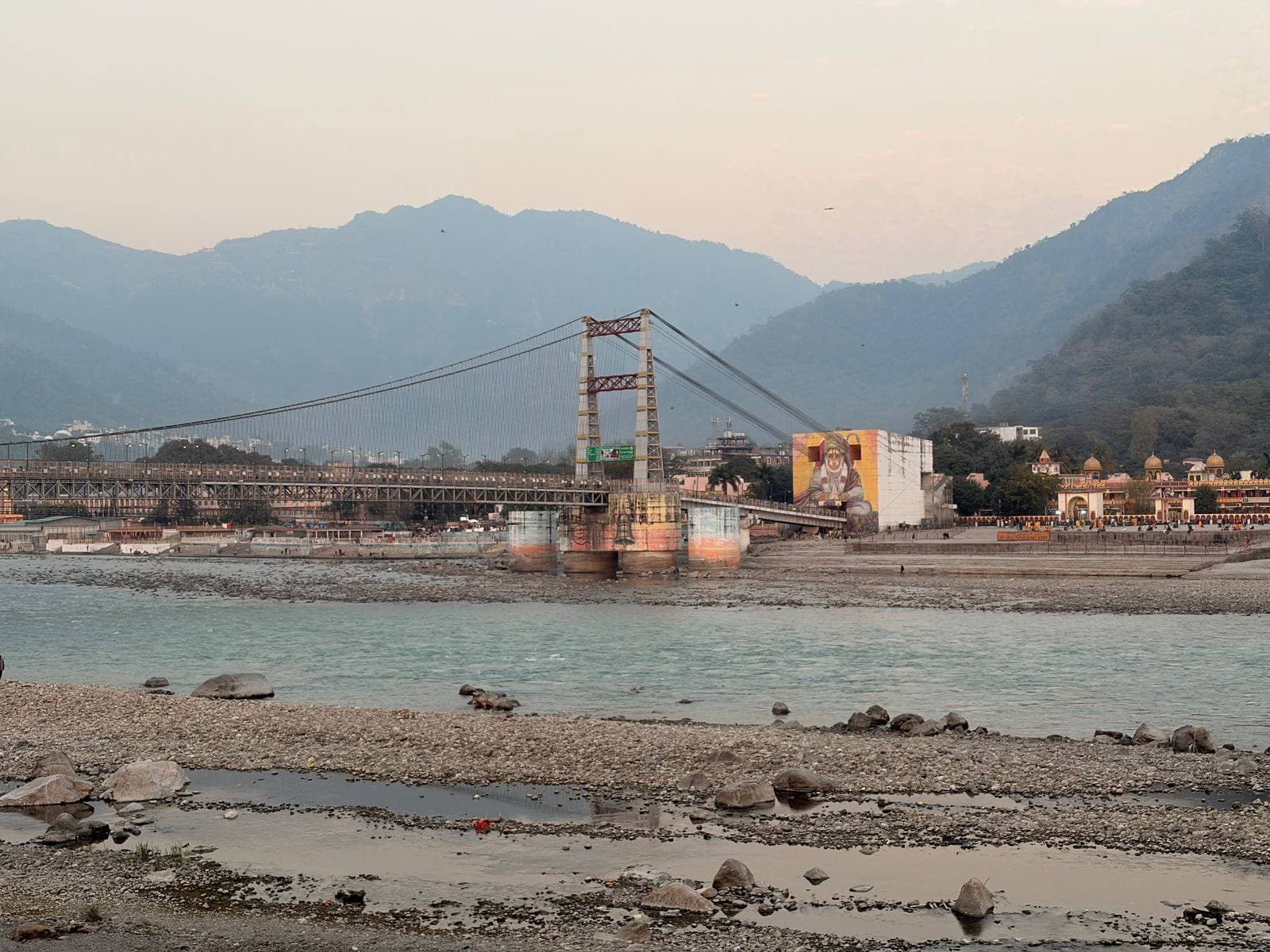
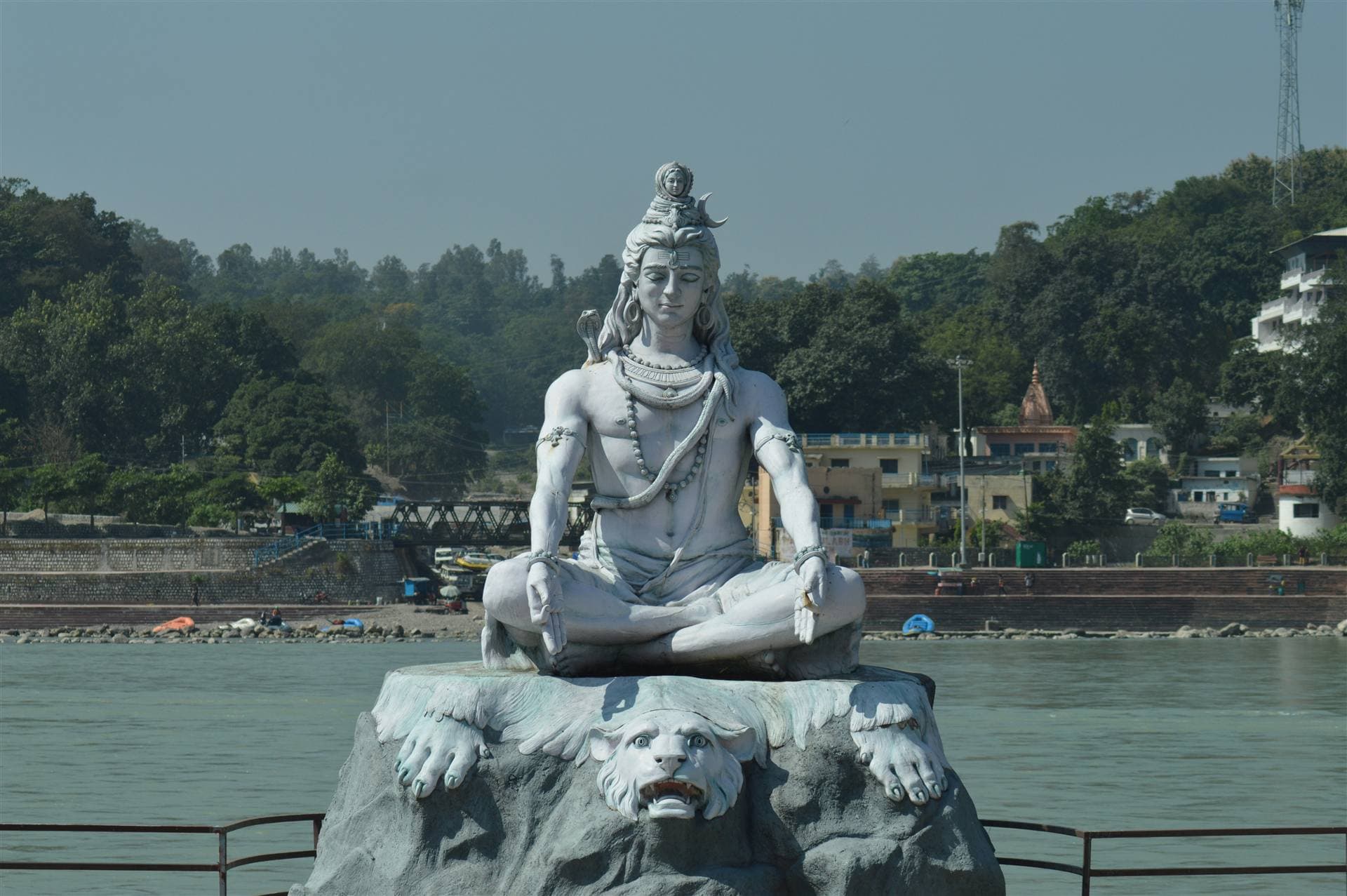
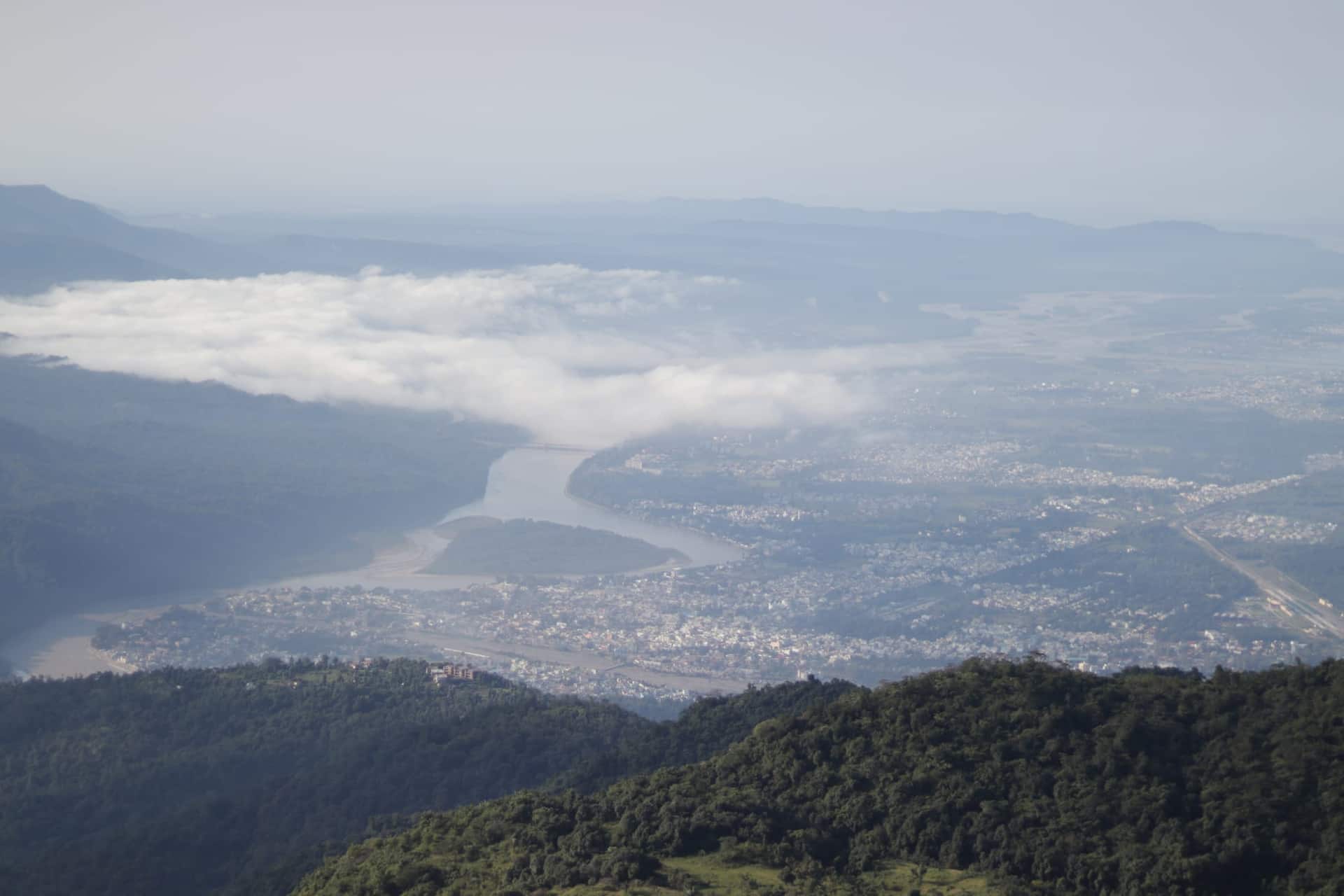
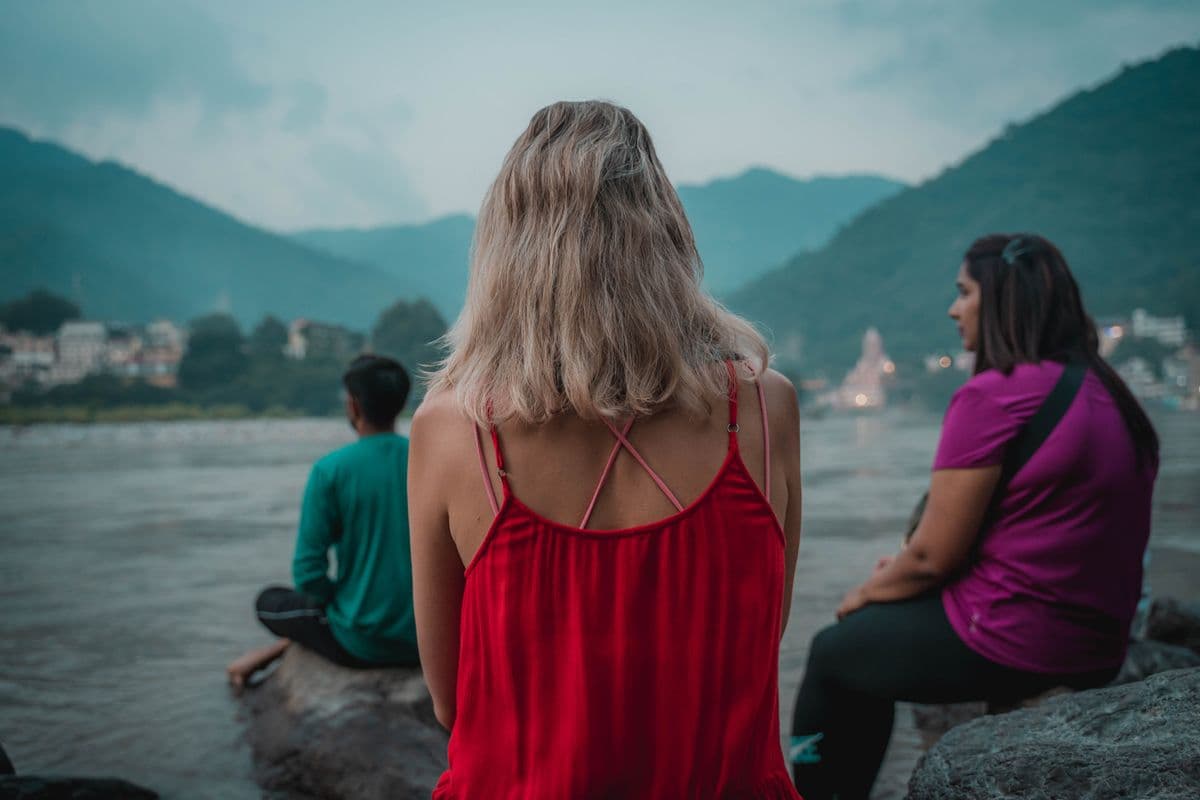
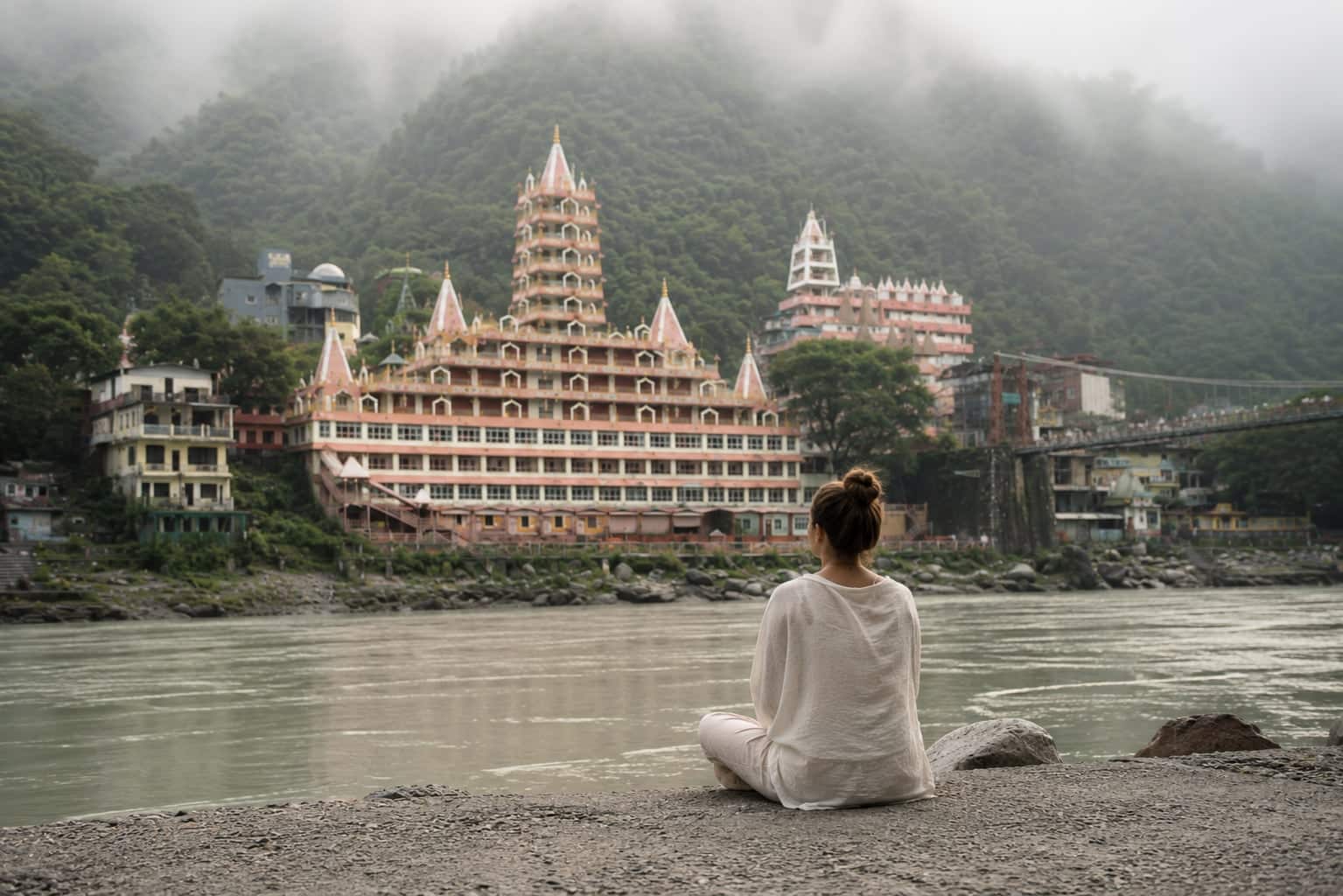
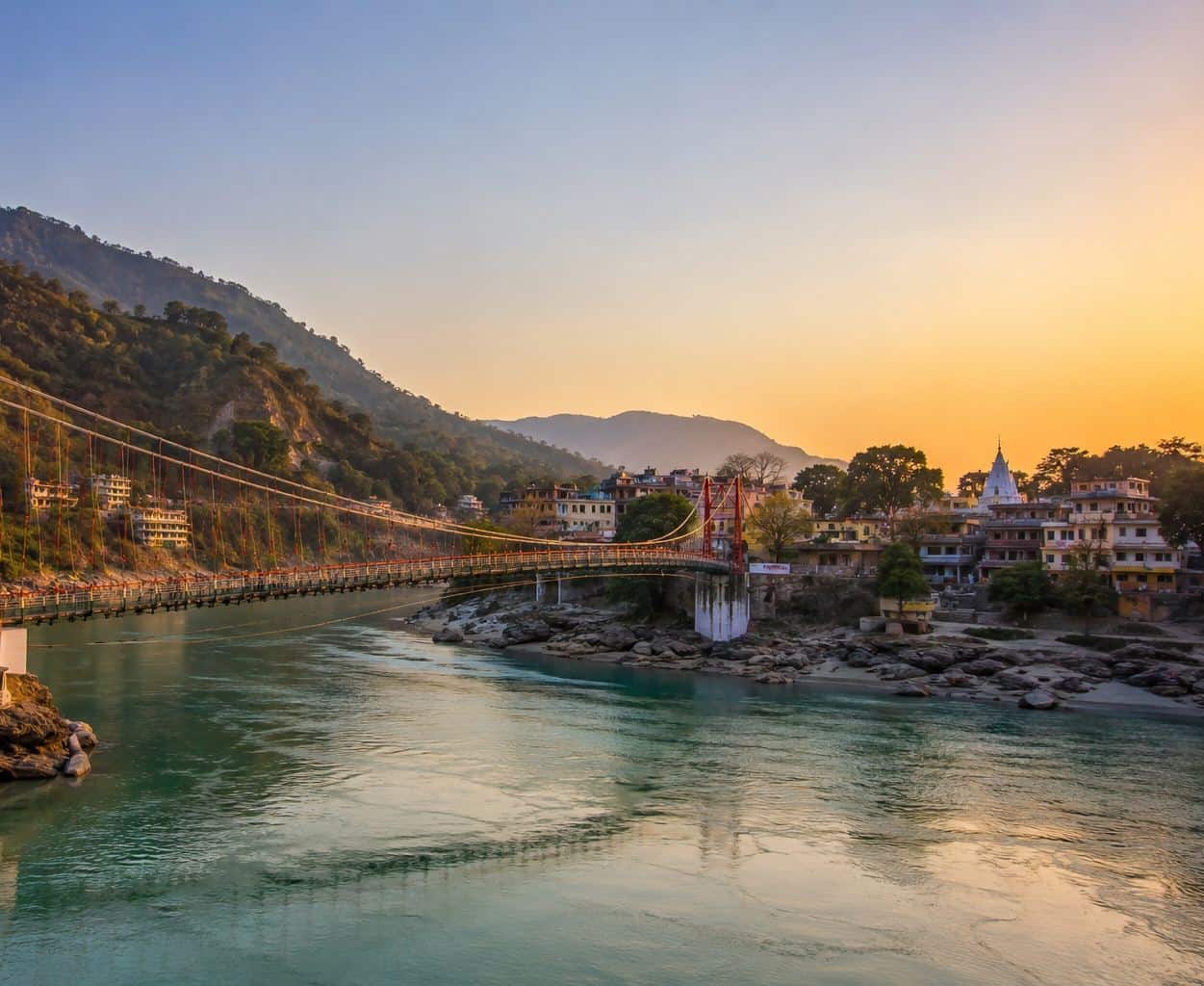
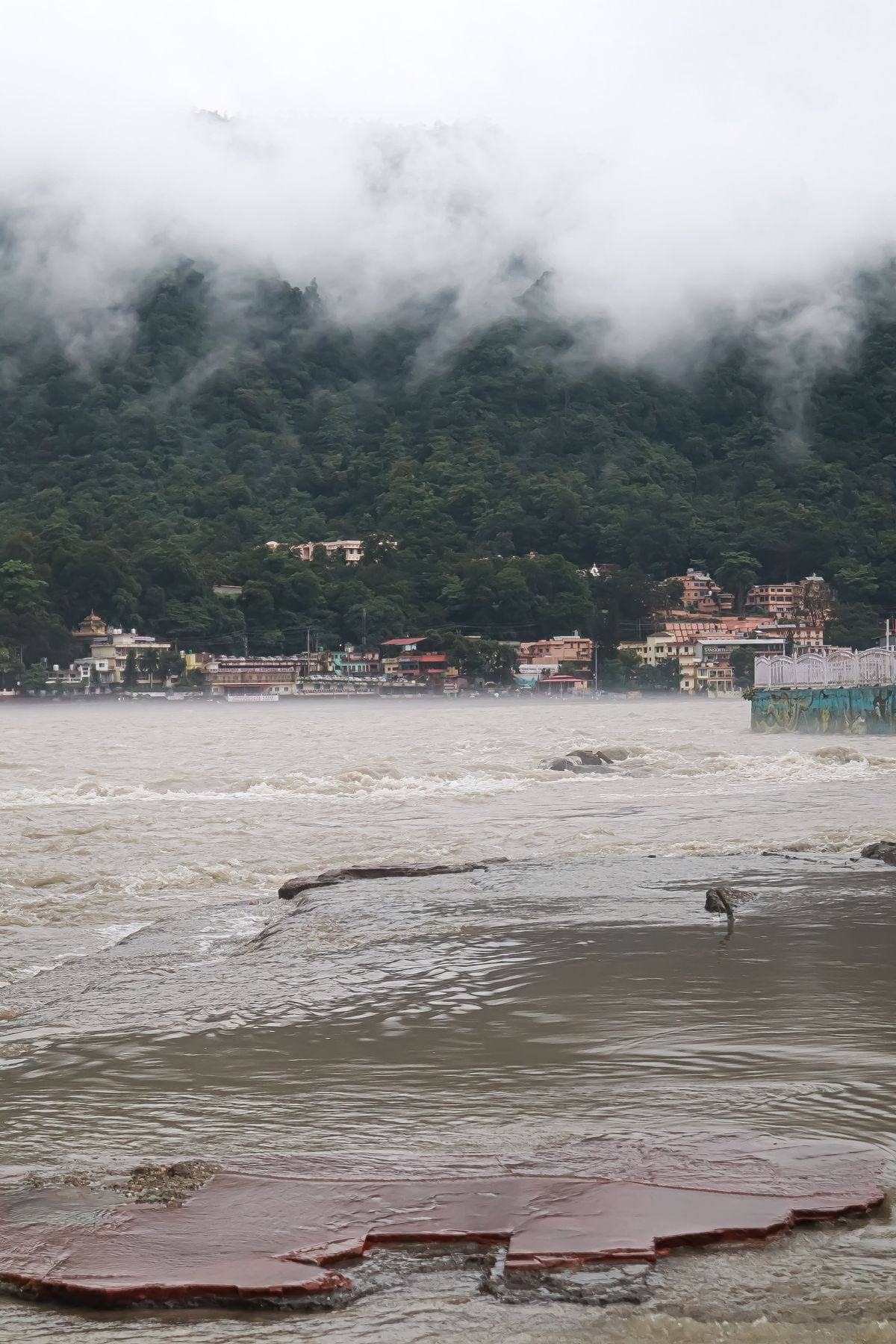
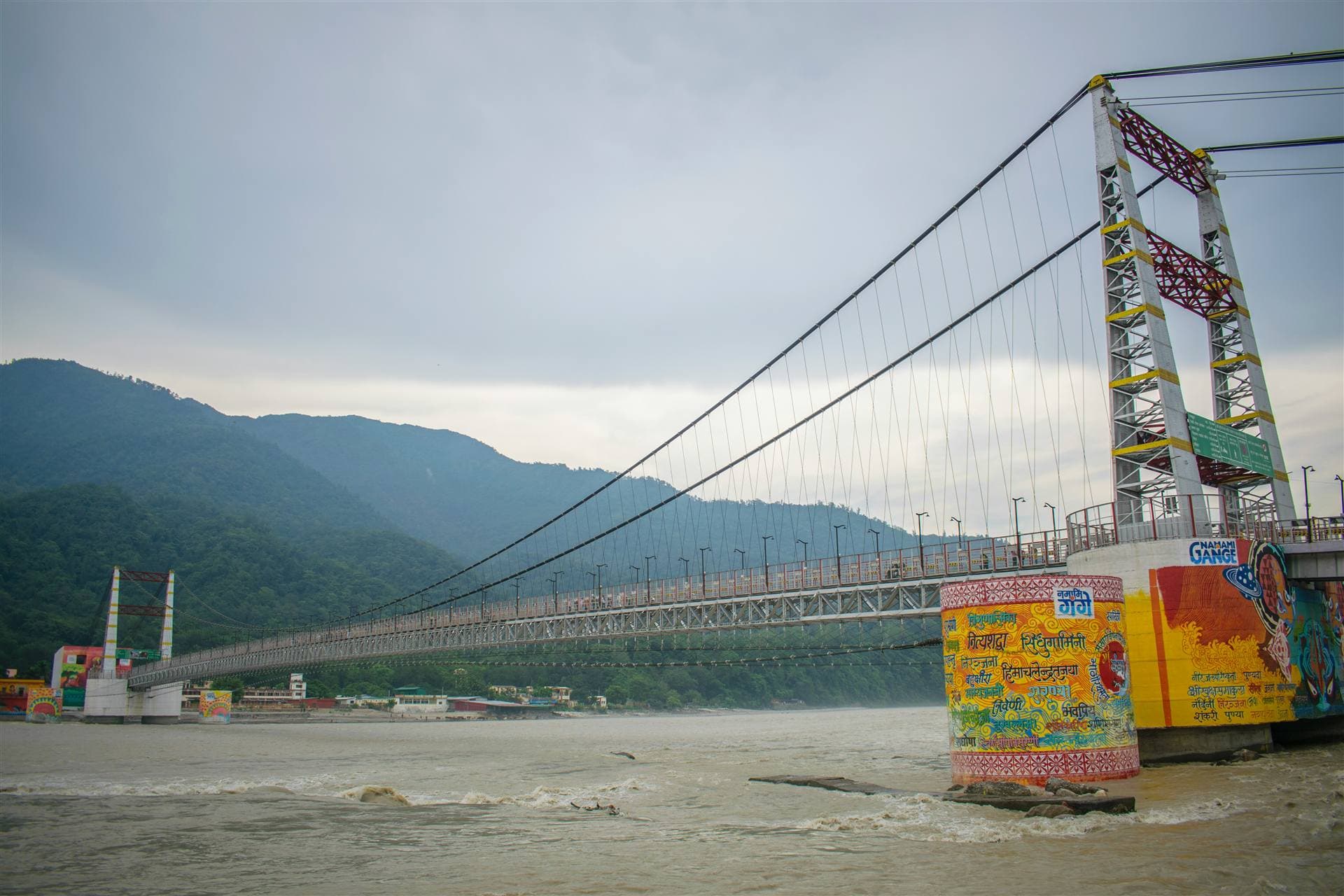
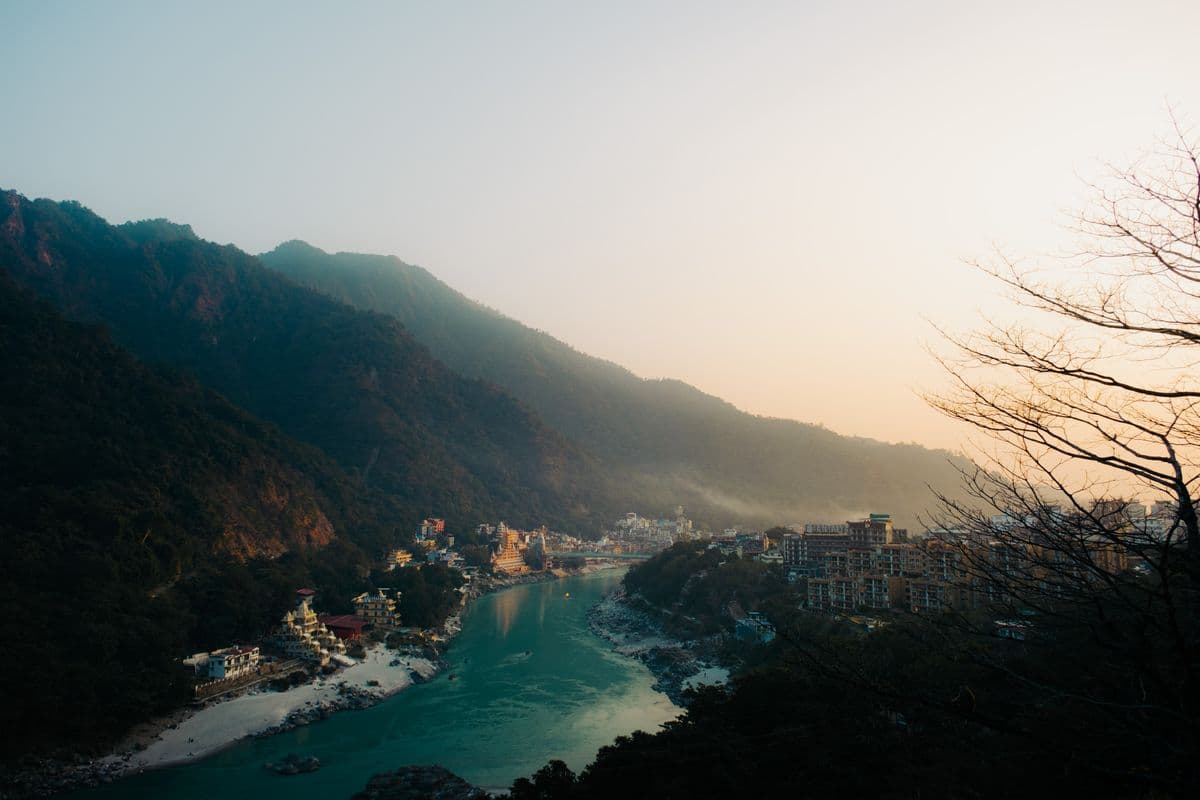
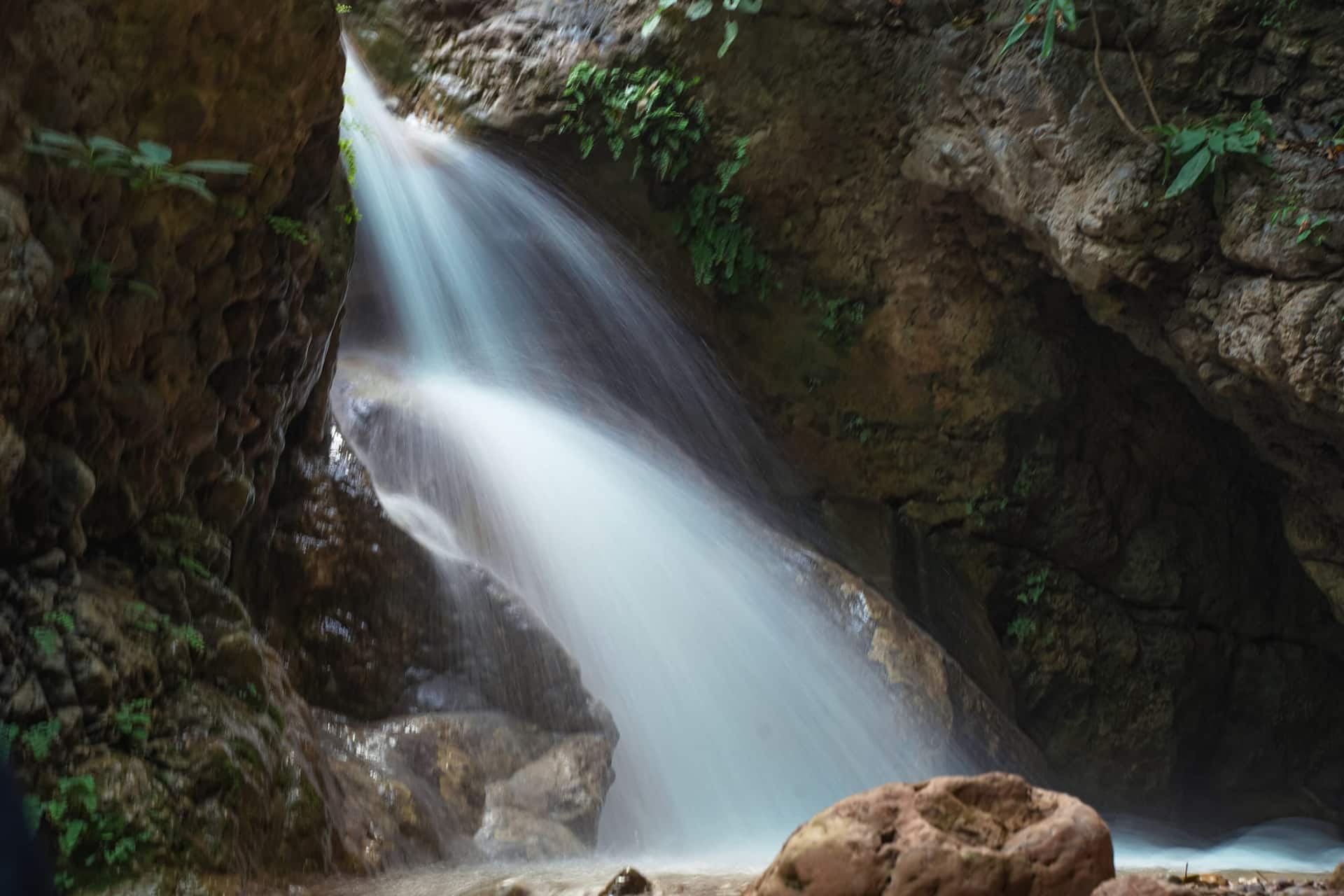
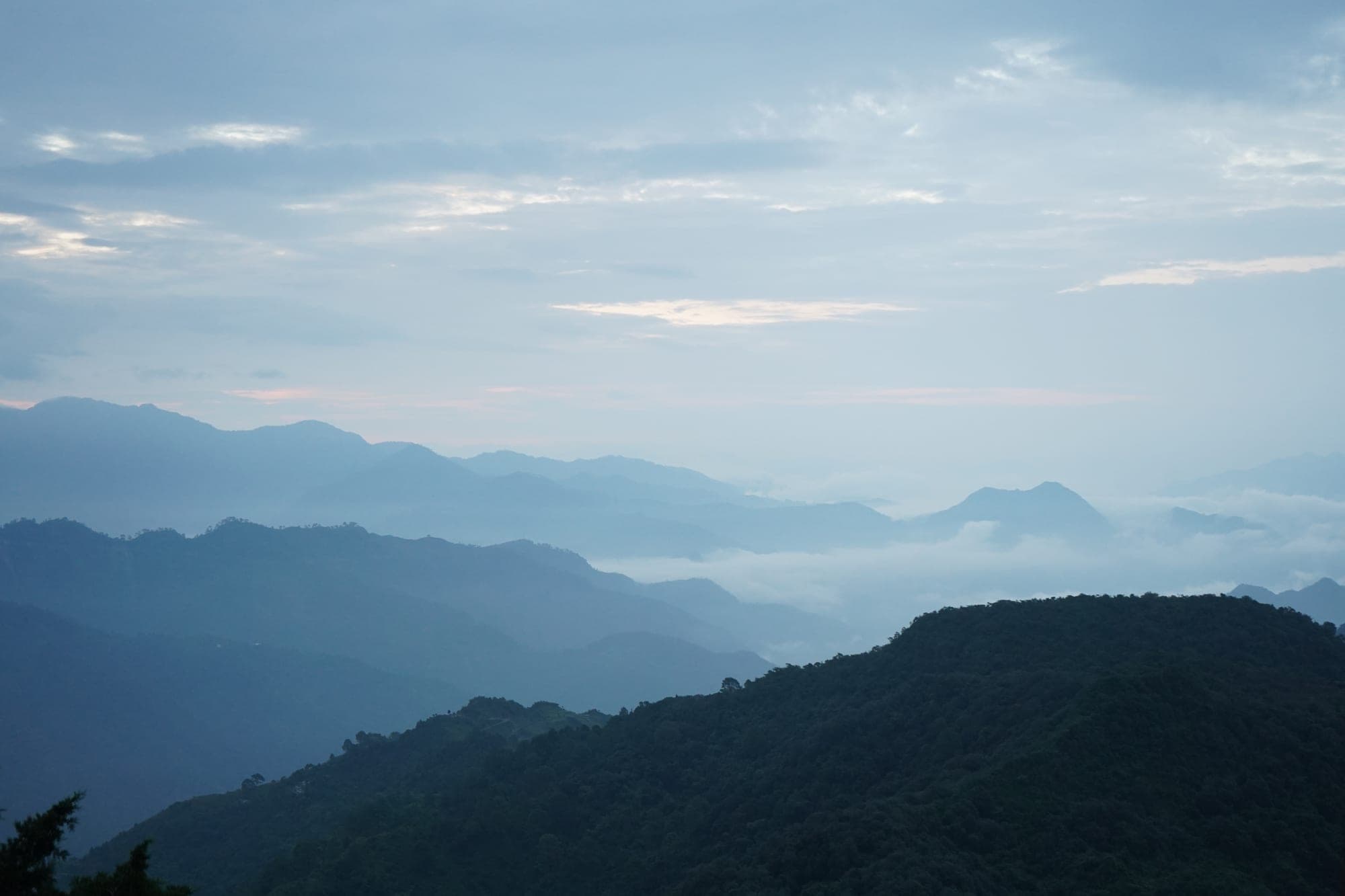
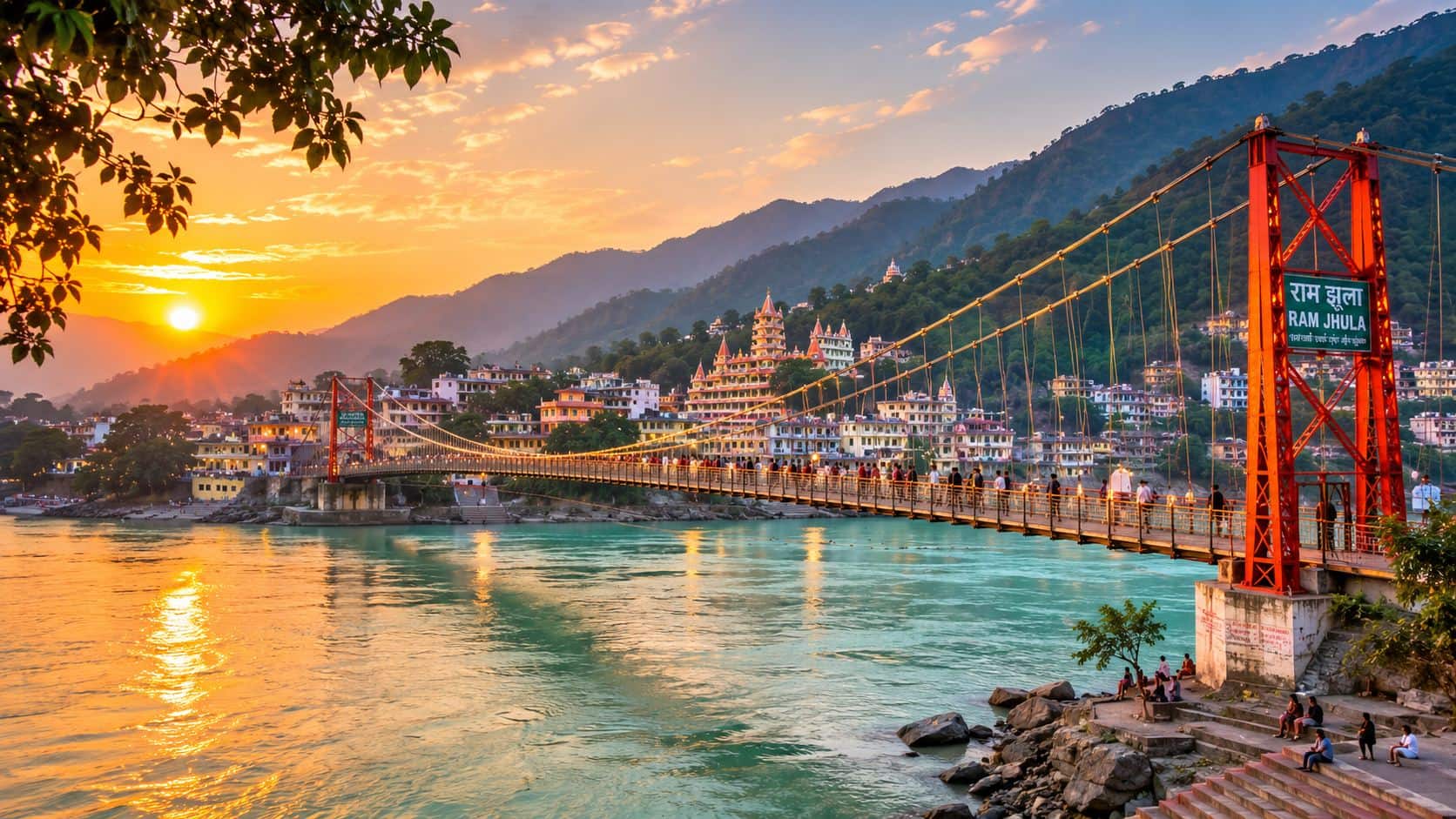
Rishikesh lends itself to this. The town sits where the Ganga comes out of the Himalayan foothills into Uttarakhand, so river, hills and forest are all within a short walk of each other, and the place has been organised around practice for a long time. Teachers, quiet ghats, simple vegetarian food and early mornings are ordinary here rather than something a venue has to manufacture. That is most of what a yoga retreat in Rishikesh needs.
It is not teacher training
This is the confusion worth clearing up first, because it is expensive to get wrong. Teacher training is a course. It has a syllabus, contact hours, philosophy and anatomy modules, teaching practice and an assessment at the end. It is full-time work, and people generally finish it tired rather than rested.
A retreat has none of that. Nobody is grading your chaturanga. There is no certificate, no reading list and no obligation to remember any of the Sanskrit. If you intend to teach, do the training. If you want to practise properly for a few days and come home lighter, do the retreat. Booking a course when what you actually wanted was a retreat is an expensive way to learn the difference.
Worth saying plainly, since it is the other half of the same confusion: we are not a yoga school and we do not run teacher training ourselves. When guests want a course, we point them at partner schools in Rishikesh we have actually vetted. What we run is retreats.
It is not a holiday either
A holiday is yours to fill. You choose when to get up, what to eat, whether today is a walking day or a lying-down day. That freedom is the point of a holiday, and it is also why a lot of people come back from one no less tired than they left.
A retreat takes those small decisions away on purpose. Early starts. Meals at set times. A shape to the day you did not negotiate. Guests commonly describe feeling slightly flat at some point early on, once the momentum they arrived on runs out. Hosts hear it often enough that it is worth saying in advance: it is a common part of the experience rather than a sign something has gone wrong, and people generally describe the days after it as the better ones.
What a day usually looks like
The frame is fairly consistent, whichever retreat you book. Practice comes first, early, before the heat and while the river is still quiet. Breakfast comes after it, not before. The middle of the day is open — a walk, the water, a treatment, a workshop, or genuinely nothing.
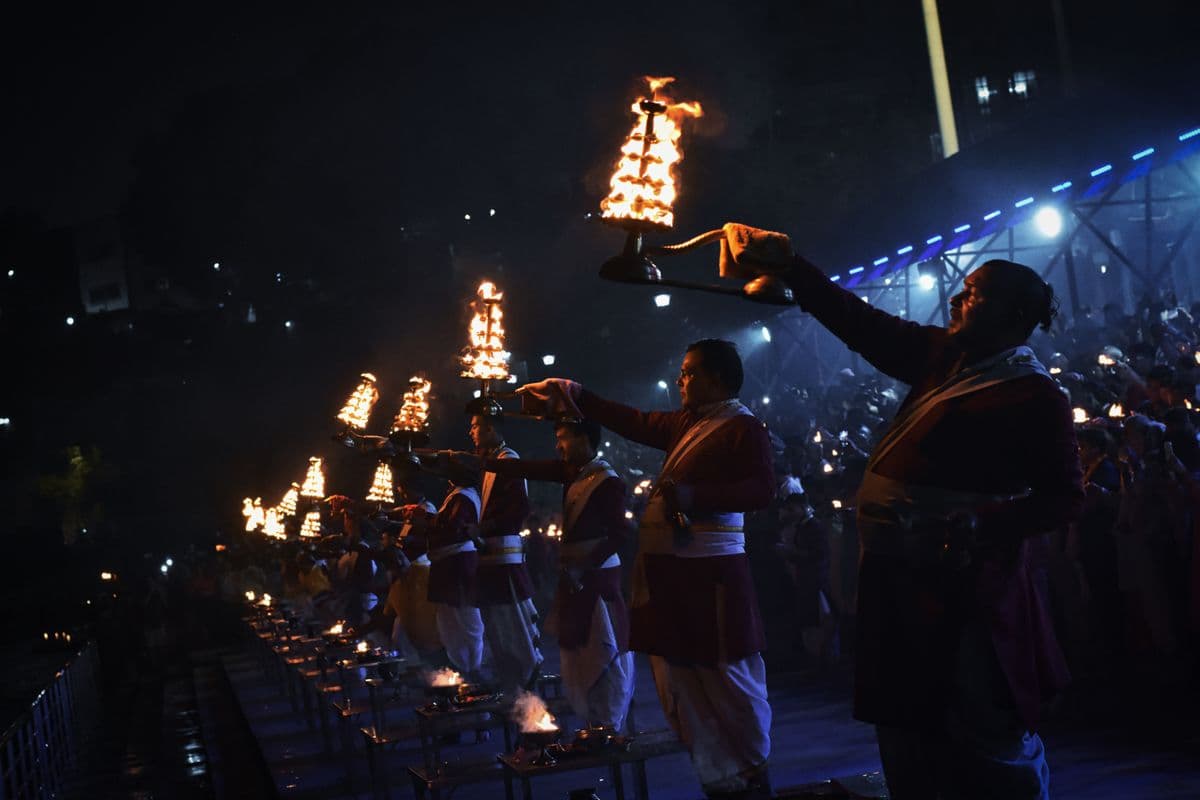
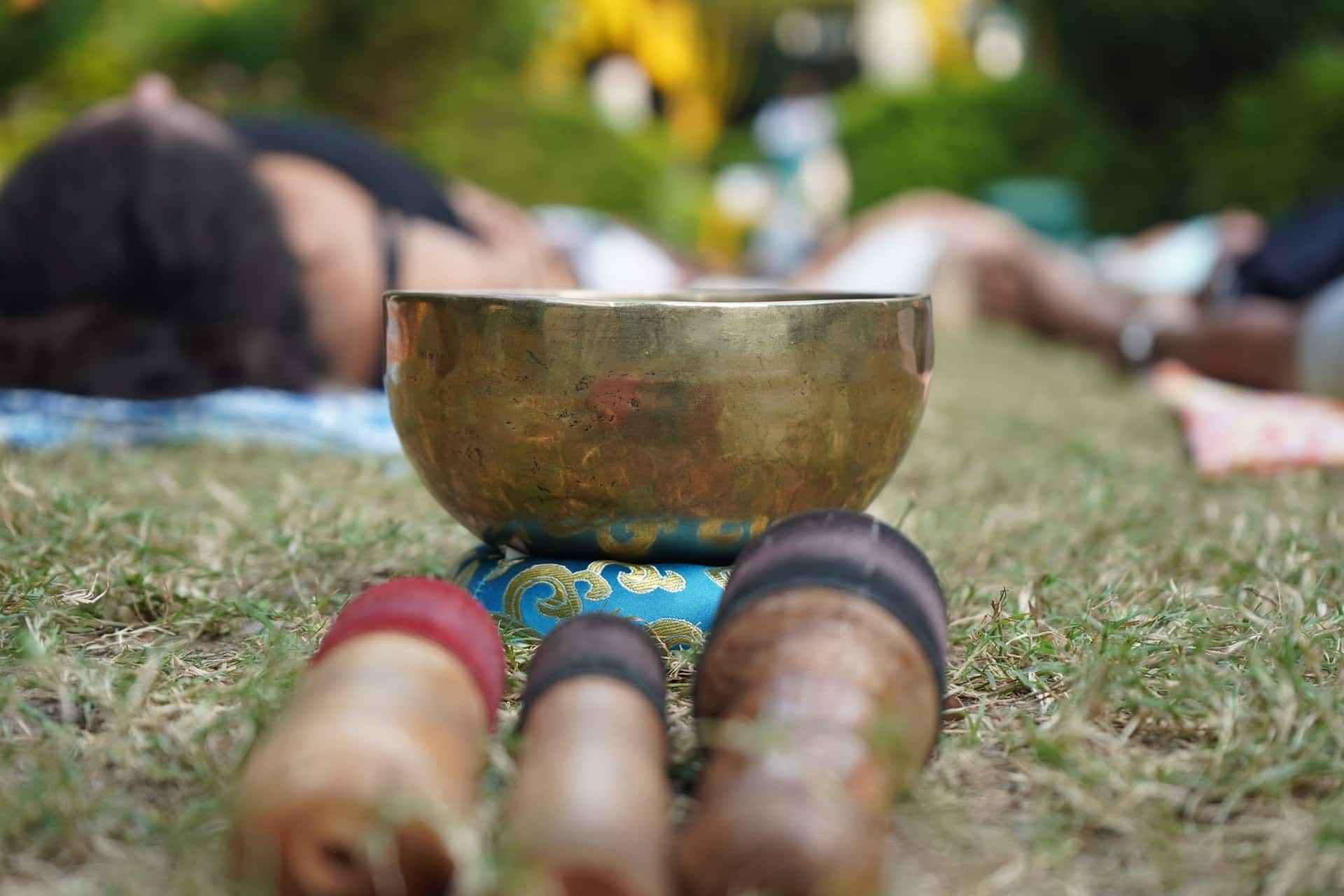
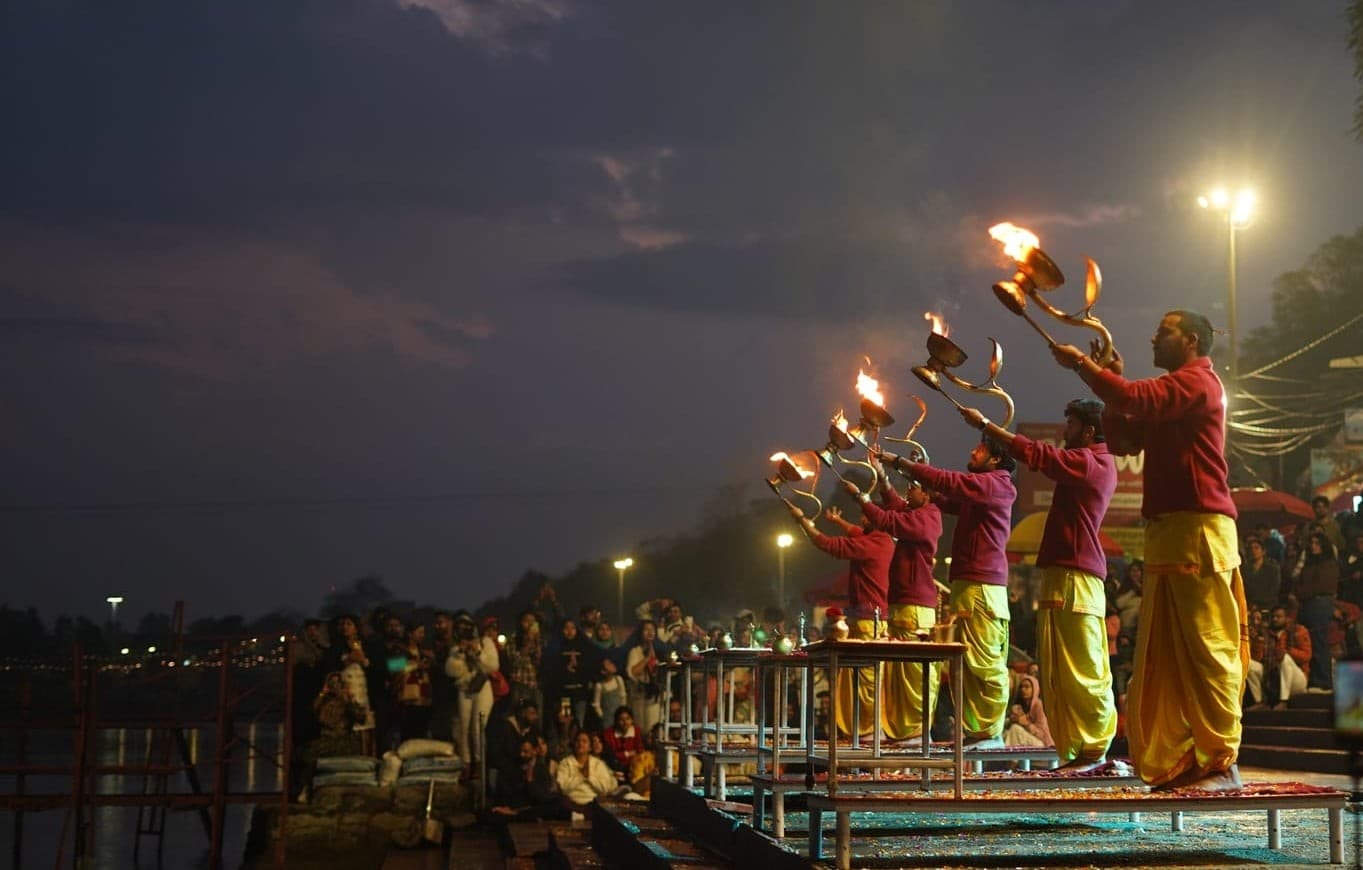
Late afternoon brings a second, softer session: restorative asana, pranayama, meditation or sound. Evenings stay quiet. Ganga aarti if you want it, dinner, an early night, and the same again tomorrow. Retreats differ in what they put into that frame, but the frame itself is built around the two coolest, calmest parts of a Rishikesh day, and that rarely changes.
Who it suits, and who it does not
It suits people who are tired rather than unwell. People who practise a little at home and want to practise properly for a few days with someone watching. Solo travellers, in particular — a fixed schedule and a small group solves the awkward parts of travelling alone without forcing anyone to be sociable. Couples do well too, so long as both of you actually want to be there.
It suits you less if you want to improvise your days, if you need to stay properly plugged into work, if you are travelling with small children, or if you are hoping a week will fix something a week cannot fix. Retreats are good at rest and reset. They are not treatment, and anyone promising otherwise is selling something.
The real test of a retreat is not how you feel on the last morning. It is what you are still doing weeks after you get home.
How long to go for
Two nights is a proper introduction rather than a deep one. You get the practice, the river and the shape of the thing, and guests often say they only noticed the change on the journey home. Four nights gives you room to move through the flat stretch and come out the other side of it, which is usually what people mean when they say a short trip was not quite enough. Six nights is a different animal — long enough that the schedule stops feeling like a schedule and simply becomes how you are living, which is the whole reason people take the extra days.
We run three, and only three. Reset over two nights, Restore over four, and Rebirth over six. All of them start on a Friday, all are capped at ten guests, and one host stays with the group the whole way through — the same person on the first evening and on the last morning. That is deliberate. A yoga retreat in Rishikesh works on trust more than facilities, and trust is hard to build with a rota of strangers.
If a fixed schedule is not what you are after, that is a fair answer too, and it does not have to be a retreat at all. We also run packages — First Hello, Find Your Flow and Live Like a Local — which cover the same town at a looser pace and leave more of the day in your hands. Add-ons such as an Ayurvedic massage or a sound session can sit on top of either. The honest question is not which one is better. It is whether you want your days decided for you or not.