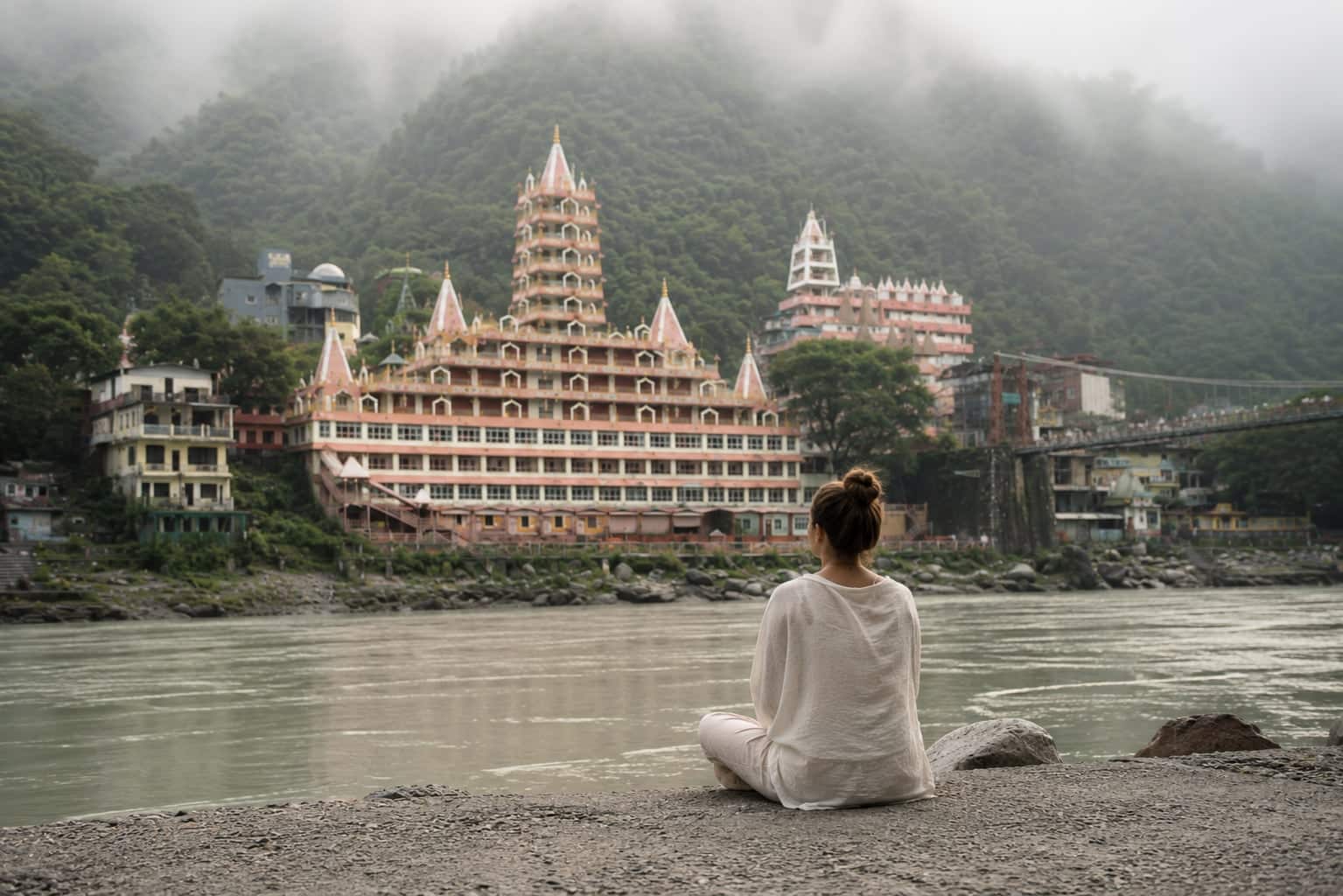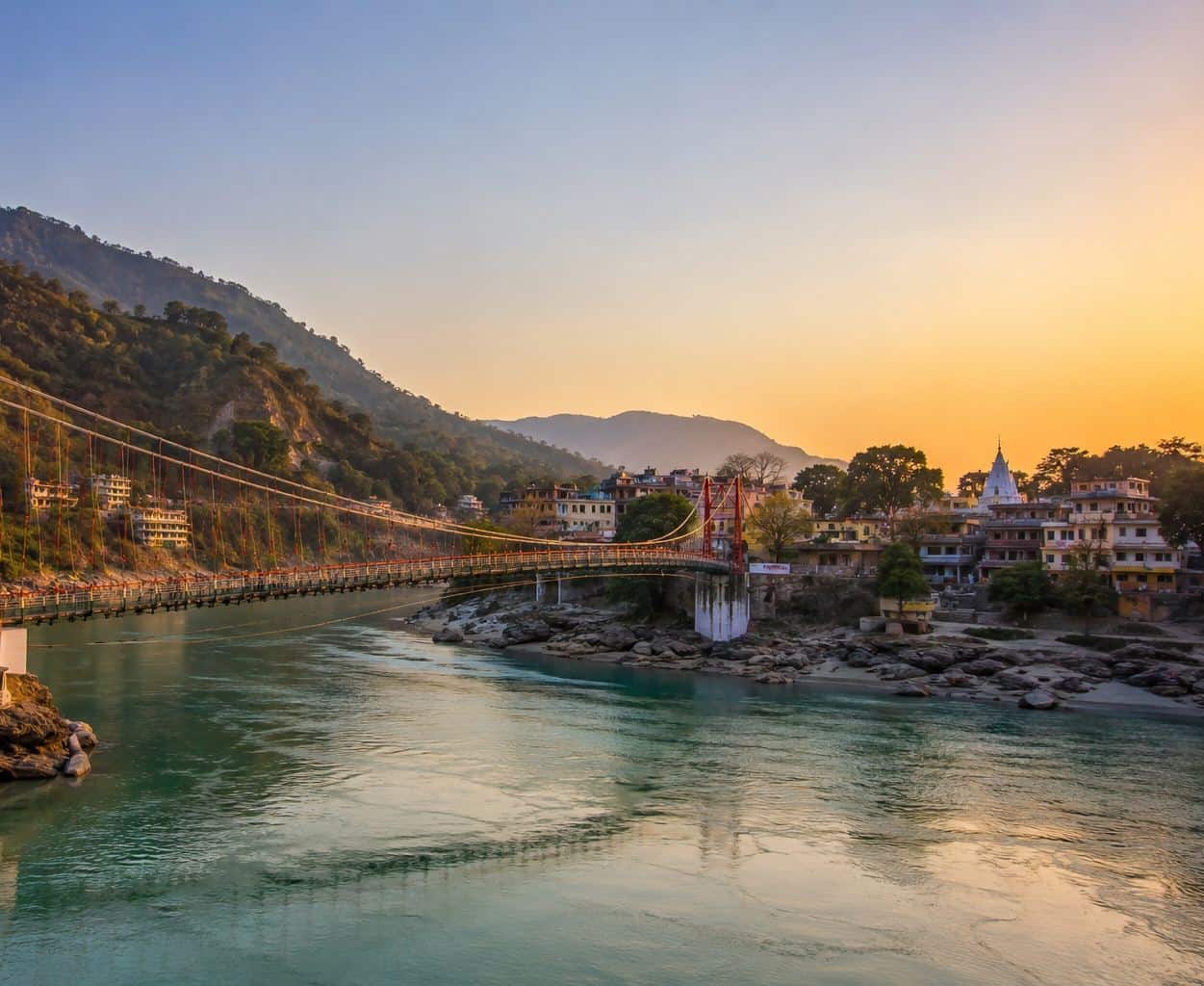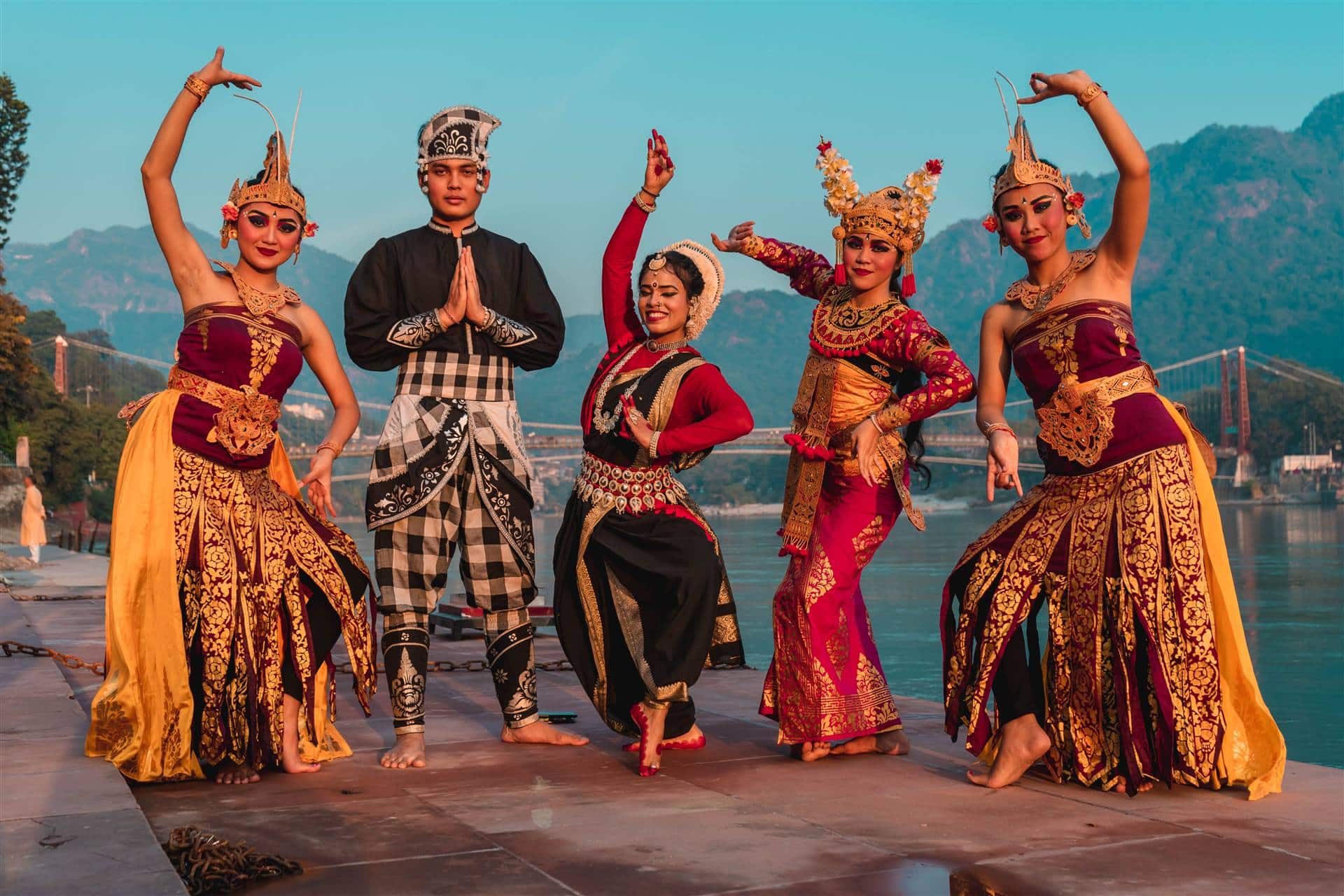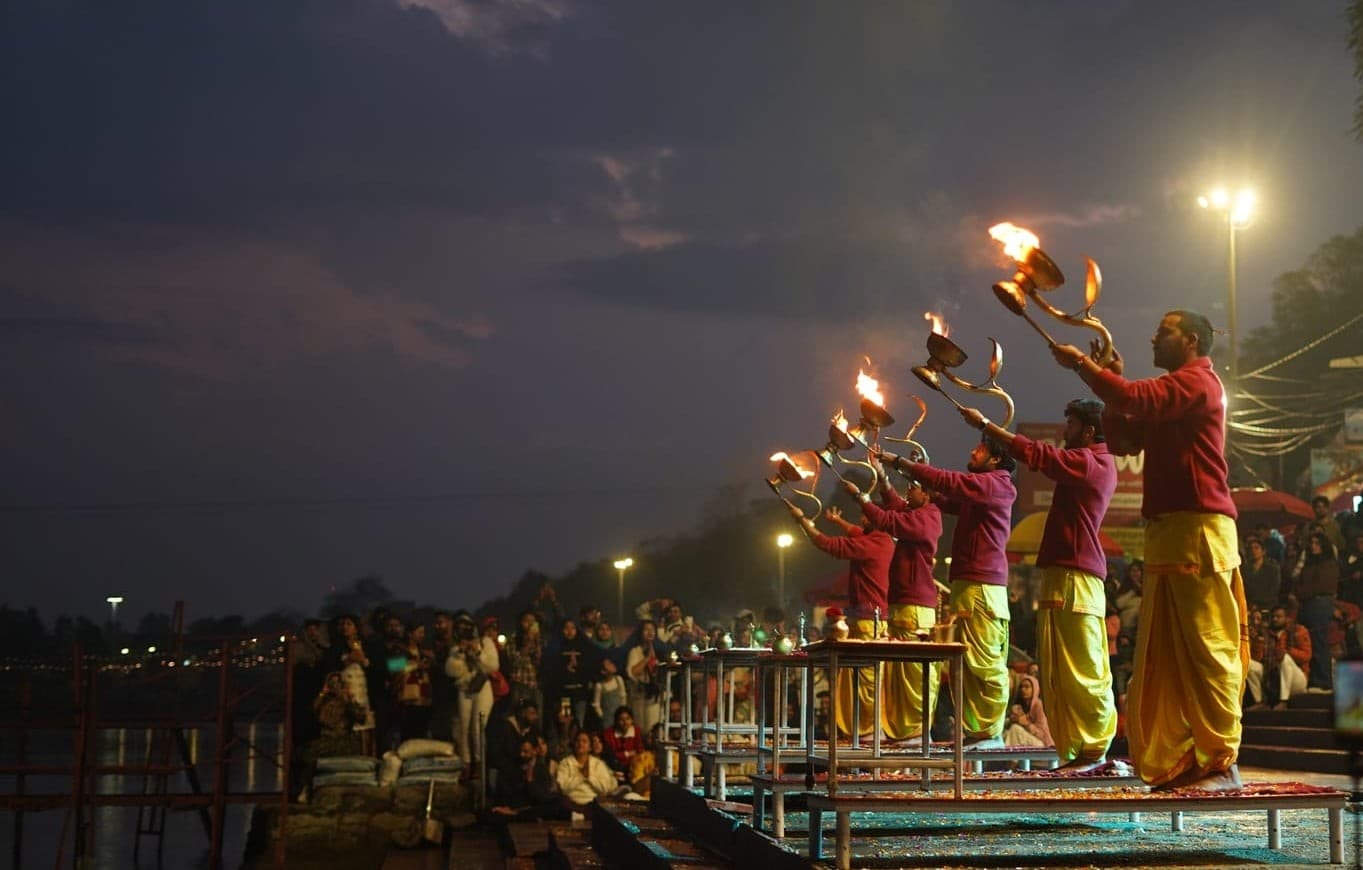
On almost every lane above the Ganga there is a school with a timetable pinned to the wall and a room full of people learning how to teach. A 200 hour yoga teacher training in Rishikesh is the reason a great many visitors stay in this town for a month rather than a weekend. It is also the decision people research the longest and still arrive least sure about.
What the numbers actually mean
The hours are not a grade. They describe roughly how much study a course is built around, and the three common lengths exist for three genuinely different people.
- 100-hour: A shorter foundation — asana, basic philosophy, teaching methodology — roughly two weeks at most schools. Many count the hours toward a later 200-hour, but get that confirmed in writing rather than assuming it.
- 200-hour: The entry-level standard, usually residential and usually spread over about a month. This is the 200-hour yoga teacher training in Rishikesh most people mean, and the credential most studios ask to see.
- 300-hour: Advanced study for people who already hold a 200-hour, and generally at least as long as one. A deepening, not a repeat.
- 500-hour: Rarely a single course. It is usually reached by stacking a 300-hour on top of a 200-hour.
Choosing between them is mostly a question of honesty. A real practice at home and a month free points to the 200-hour; the 100-hour will only leave you wanting the rest of it. Two weeks, or genuine uncertainty about whether teaching is your path, points to the 100-hour. Already certified, already teaching, and starting to feel the edges of what you were given the first time — that is the 300-hour.
What Yoga Alliance registration actually means
Almost every school advertising a 200 hour yoga teacher training in Rishikesh puts this logo on the page, and few explain what it actually means. Yoga Alliance is a registry, not a licence. It publishes a curriculum standard, and schools that meet it can register as a Registered Yoga School at the 200, 300 or 500-hour level.
The certificate in your hand at the end comes from the school, not from Yoga Alliance. Registering yourself as a teacher afterwards is a separate step you take, and pay for, on your own. It is an industry body rather than a government regulator, so a listing is not a state qualification — and wherever you plan to teach may have rules of its own, worth checking before you assume the certificate travels.
So why does it matter? Because studios, insurers and retreat companies needed a common currency and this became it. A school without that registration is not automatically a weak school — some serious old Indian institutions never bothered. But if you intend to teach abroad, know which body stands behind your certificate before you pay. More than one organisation uses a similar-sounding name, and the difference is easy to miss on a brochure. Ask the school to say plainly which one, then check its listing on that body’s own site rather than trusting a logo.
What a day actually looks like
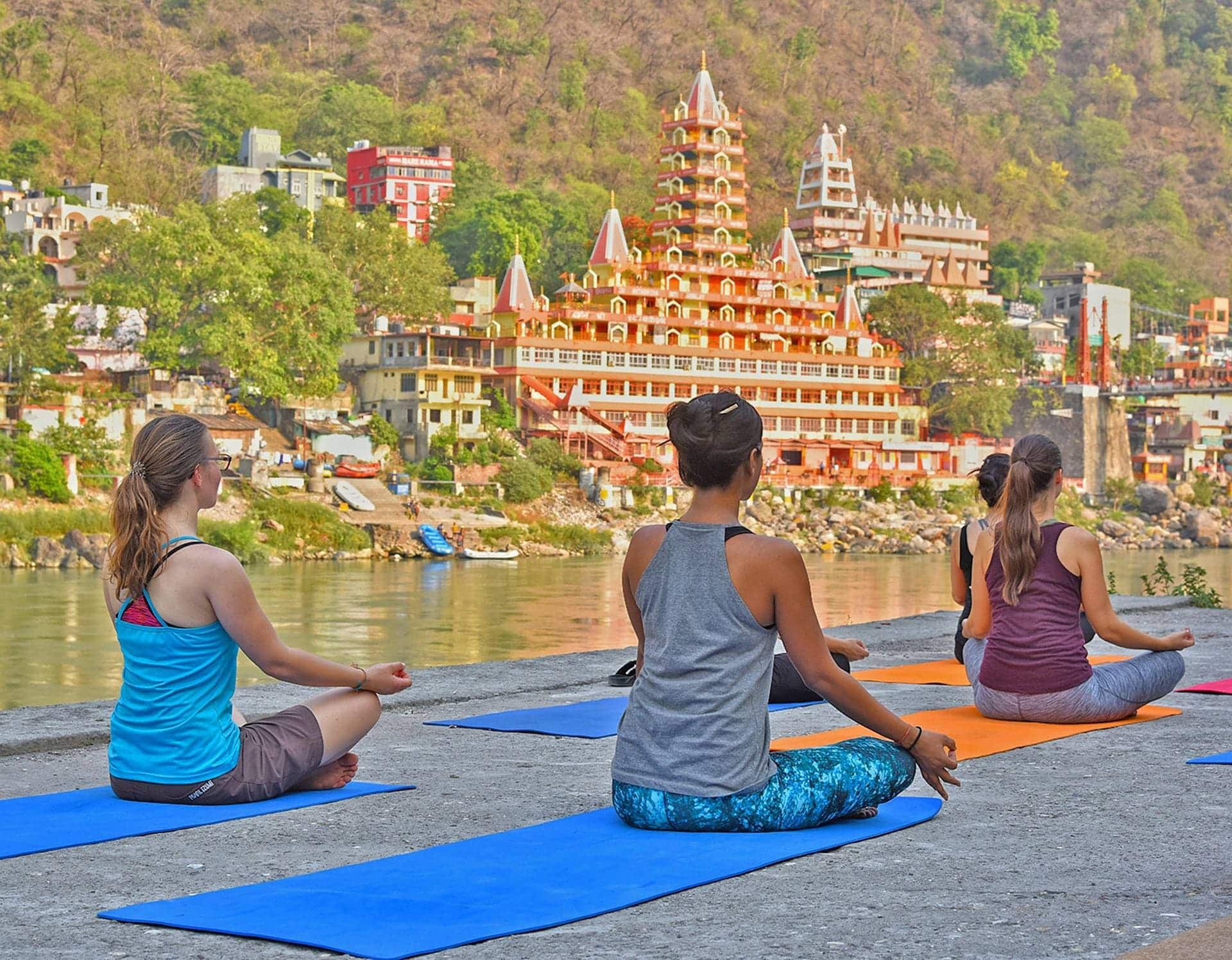
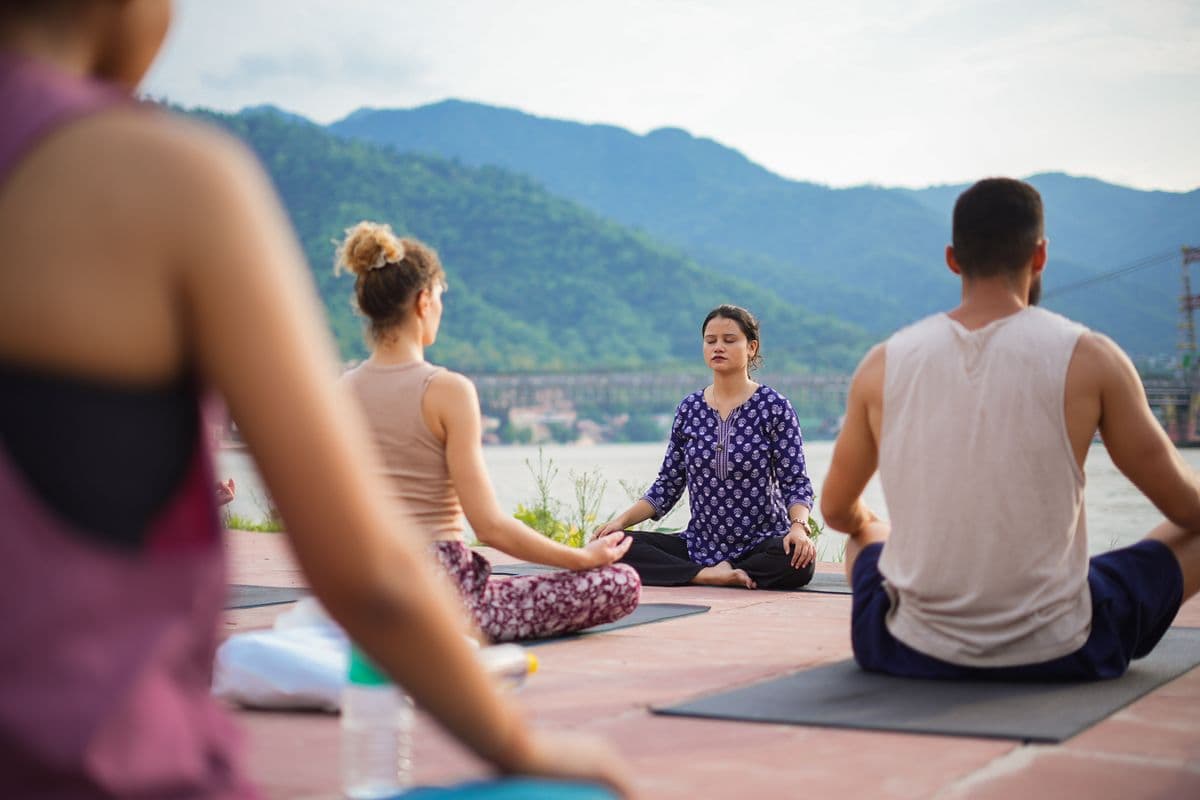
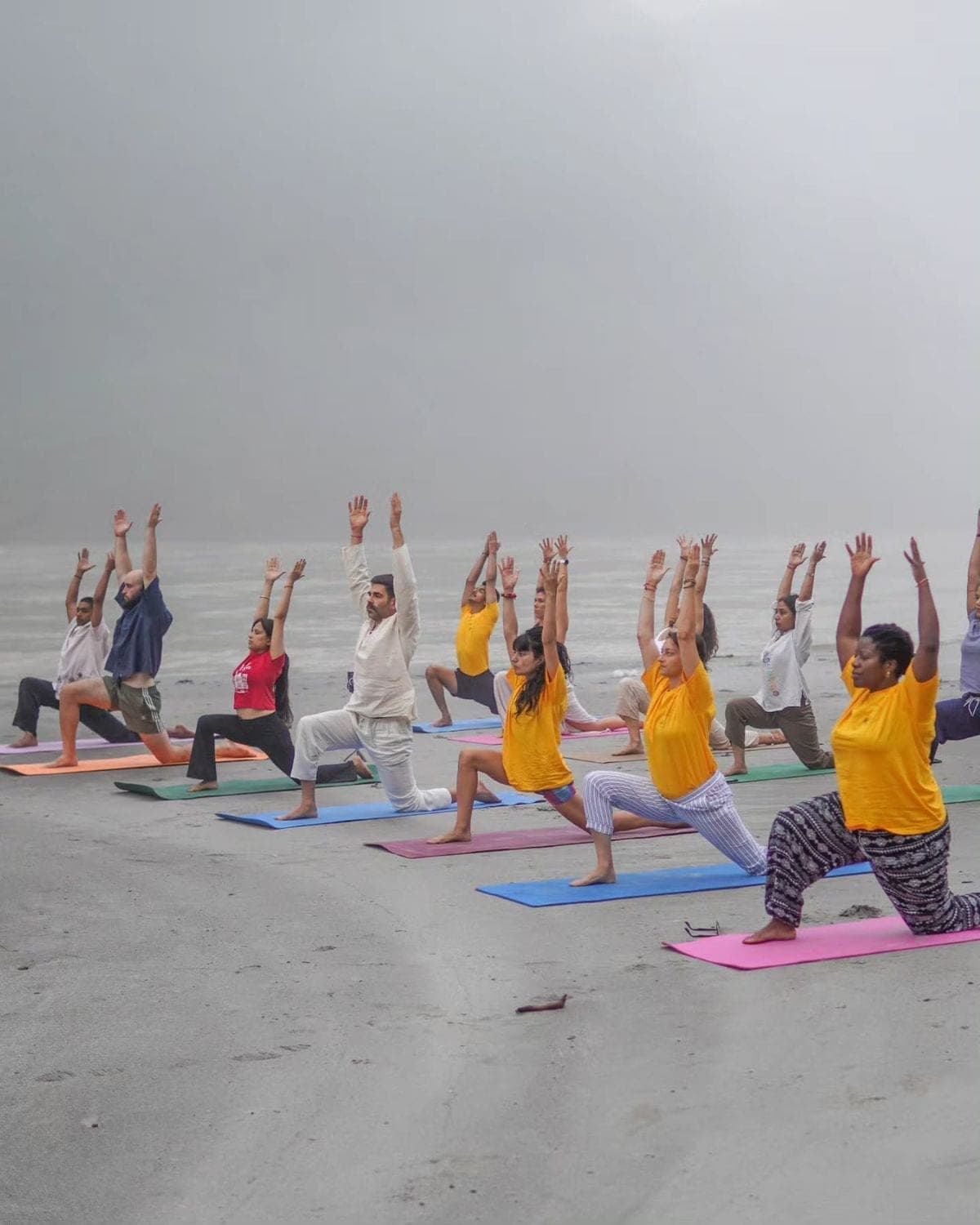
A 200 hour yoga teacher training in Rishikesh is residential almost by default. You live at the school or a few steps from it, you eat what the kitchen makes, and the timetable stops feeling like a suggestion by about day three.
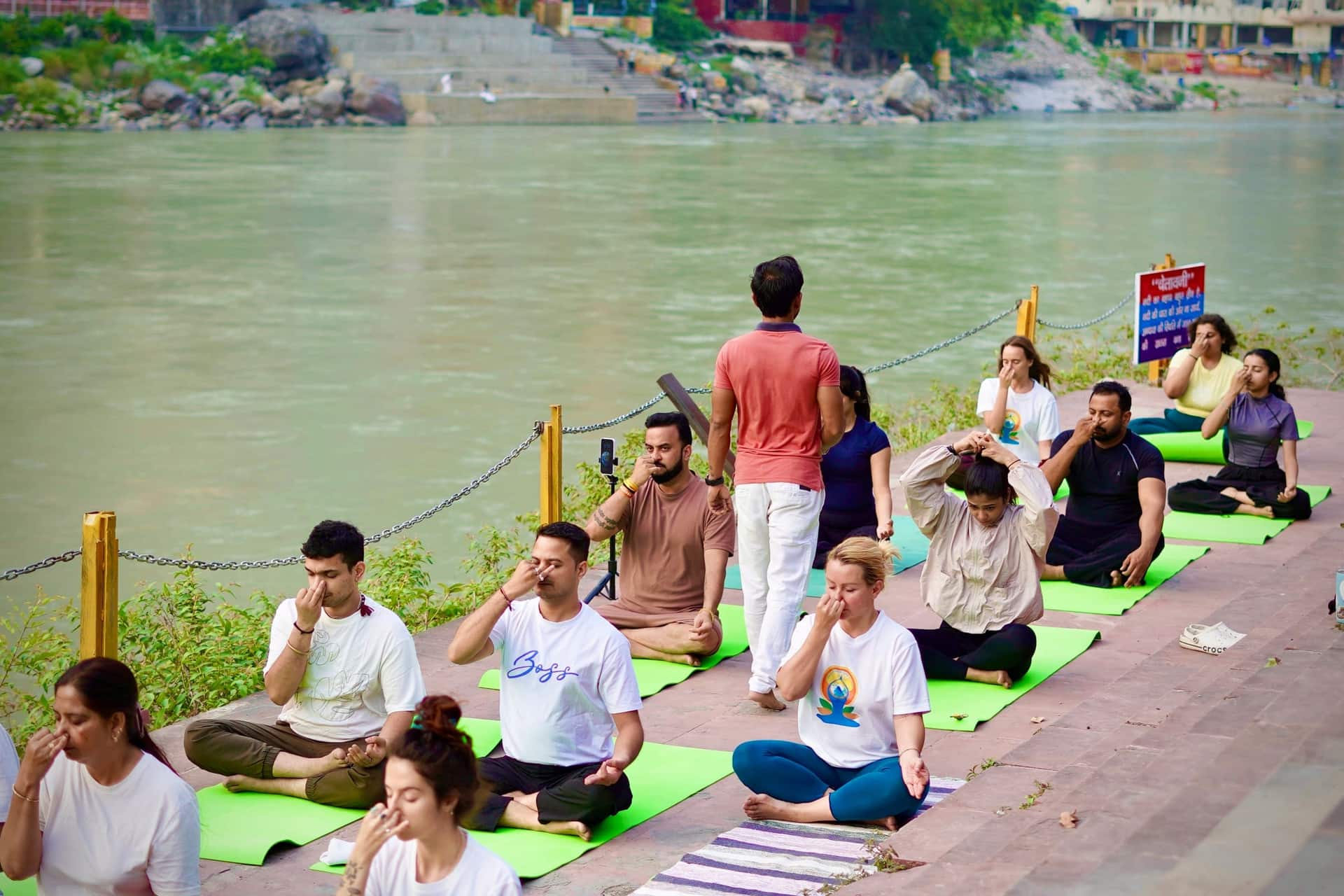
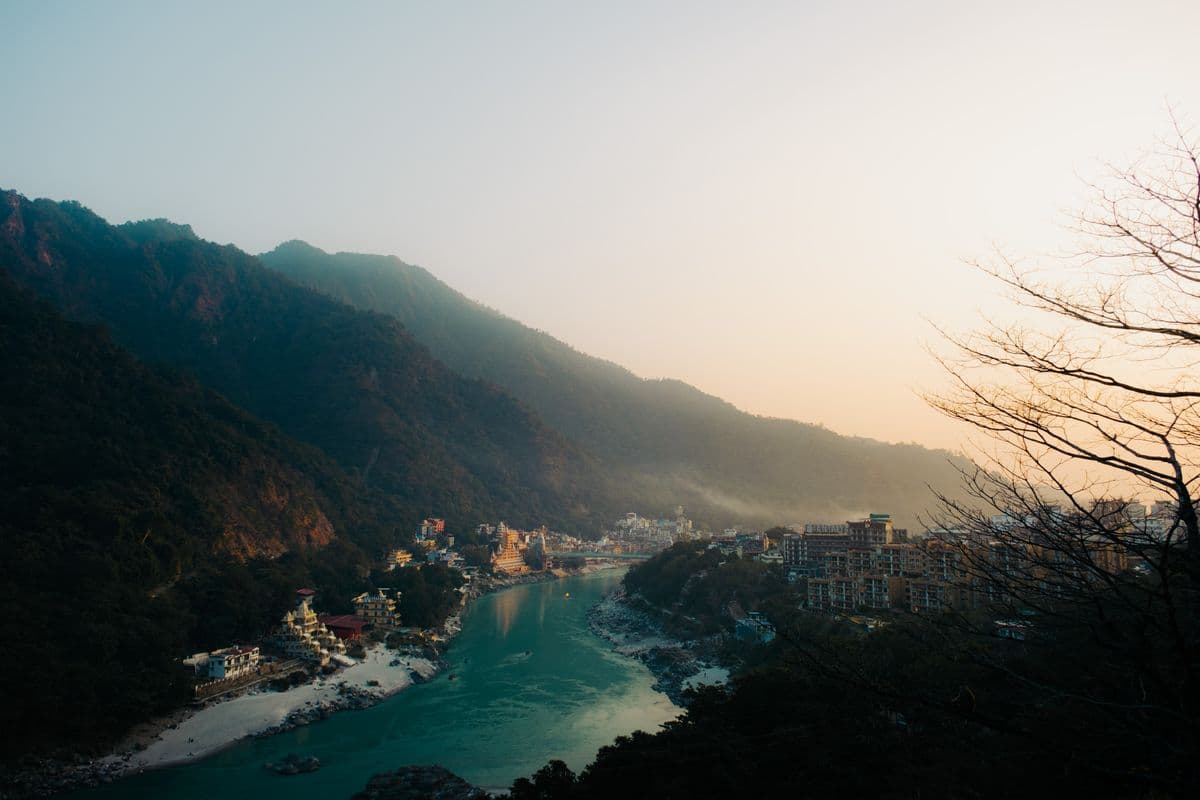
The bell goes before sunrise. The first block is usually cleansing practice, pranayama and meditation, while the valley is still cold and the river is louder than anything else. Asana follows, then breakfast. The middle of the day belongs to the classroom — philosophy, anatomy, alignment, teaching methodology — with a second asana practice in the late afternoon. Evenings are for chanting, self-study or nothing, and everyone sleeps far earlier than they would at home.
A rest day each week is usual, and sattvic vegetarian food is the norm, with many schools keeping meat and alcohol off the premises entirely. In the later weeks you teach in front of your classmates, which is the part people dread and the part that actually makes you a teacher. Two honest warnings: the novelty wears off well before the end, and a body used to practising twice a week gets sore practising twice a day in the Himalayan foothills. Both are normal. Say something early.
The hours on the certificate are the easy part to compare. The teacher standing in front of you for four weeks is not.
What the fee usually covers
Fees for a 200-hour yoga teacher training in Rishikesh are quoted as a package rather than tuition alone, which is why holding the number up against a weekend workshop at home tells you very little.
Typically included: tuition and course materials, accommodation at or near the school on residential programs, daily meals at most residential schools, and eligibility for certification on successful completion. Typically not included: flights, travel insurance, your visa, airport pickup, and whatever you spend outside the gate.
The variation between schools is real, and it is where most disappointment starts. Ask for the inclusions in writing before you pay anything beyond a deposit. A school that will not put the list in an email has told you something useful.
Where we fit, and where we do not
Book My Rishikesh is not a yoga school. We do not teach the course, we do not employ the teachers, and we do not issue the certificate. Anyone suggesting otherwise is guessing.
What we do is everything around it. We connect guests only to schools whose certification is genuinely recognised and whose teaching staff and facilities we have checked ourselves, and we tell you plainly which body certifies each one before you choose. Then a personal host handles arrival, accommodation, orientation and the hundred small things Uttarakhand throws at a first-time visitor, so the only thing you carry into the classroom is the training.
And if a different school suits you better than the one you wrote in about, that is the answer you get. It costs us a booking and saves you a month.